TL;DR

Get cleaning gear delivered free — and shop member deals
- Fast, free delivery on millions of items
- Access to Prime Big Deal Days deals on October 6–7
- Prime Video, Amazon Music and more included
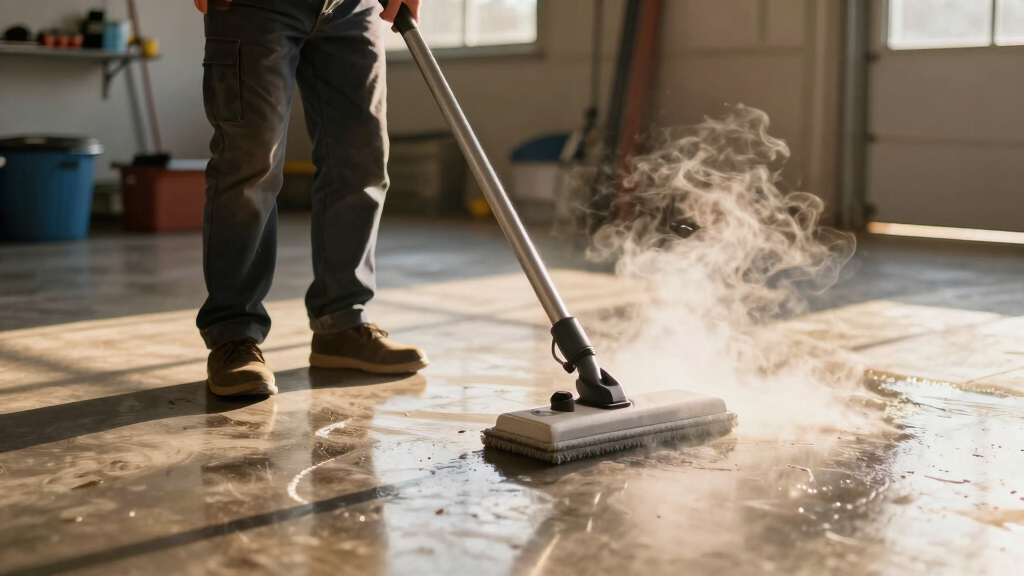
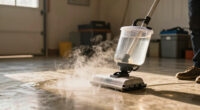
Steam mopping epoxy garage floors is possible but risky; excessive moisture and heat may damage the surface over time. Safer options include sweeping and gentle cleaning with microfiber mops.
Thinking about steam mopping your epoxy garage floor? It seems like a quick, eco-friendly way to break down dirt and grime. But epoxy coatings are sensitive to heat and moisture, making this method a bit of a gamble. You’ll want to know the real risks and best practices before turning on that steam.
This guide breaks down whether steam mopping is safe, what you should watch out for, and smarter cleaning options. Let’s get straight to the point—so you can keep your garage looking sharp without risking damage.
Use adjustable steam cleaners with low heat settings, and always test first in a hidden spot.
Regular sweeping and microfiber mopping with gentle cleaners protect epoxy best.
Excessive moisture and heat from steam mops can cause epoxy bubbling, cracking, or delamination over time.
Steam mopping isn’t necessary for routine cleaning—save it for occasional, cautious deep cleans.
Follow your epoxy manufacturer’s care instructions to avoid voiding warranties or causing damage.
What Is Epoxy Garage Flooring and Why People Care
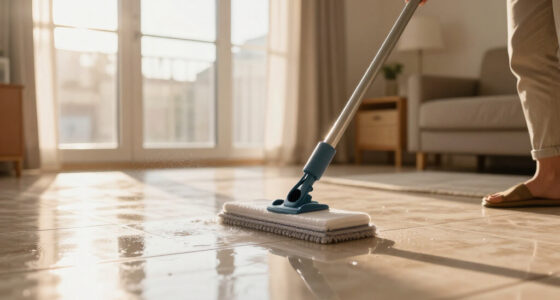
Epoxy floors are like a glossy, seamless shield over concrete—resistant to stains, chemicals, and scrapes. Many homeowners love the way they reflect light and make a garage look finished. But beneath that shiny surface, the epoxy is sensitive to certain cleaning methods—especially high heat and excess water.
Imagine pouring hot coffee on a plastic tray—that’s how epoxy reacts to extreme temperature shifts. Regular sweeping or gentle mopping keeps it pristine, but some wonder if steam can be a quick fix. The answer: yes, with caution.
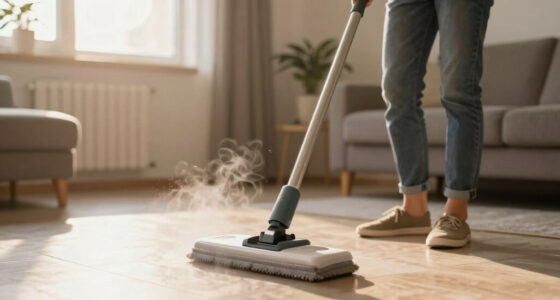
adjustable steam mop for garage floors
As an affiliate, we earn on qualifying purchases.
As an affiliate, we earn on qualifying purchases.
Can Steam Mops Really Clean Epoxy Floors? The Truth
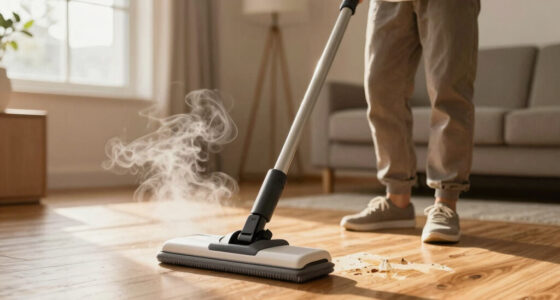
Steam mops can effectively loosen dirt and grime, but their high temperature and moisture levels create a delicate balance. Epoxy surfaces are designed to be durable, yet they are sensitive to the thermal and moisture stress caused by steam cleaning. The heat can soften or slightly degrade the epoxy’s surface layer, especially if used improperly or excessively. This degradation might not be immediately visible but can weaken the coating over time, leading to peeling or bubbling.
For example, a homeowner who used a steam mop on her epoxy garage floor with a low setting noticed the floor looked clean initially. However, after a few months, she observed tiny bubbles and some peeling, indicating moisture had seeped into cracks or under the coating. This illustrates that while steam mopping can seem effective short-term, it may compromise the epoxy’s integrity long-term if not done with extreme caution.
Therefore, steam mopping is not inherently unsafe, but the risks involve subtle damage that accumulates over time. The benefits of deep cleaning must be weighed against the potential for surface deterioration. If you choose to steam clean, it’s essential to follow strict safety measures—lower steam settings, minimal contact, and thorough testing.
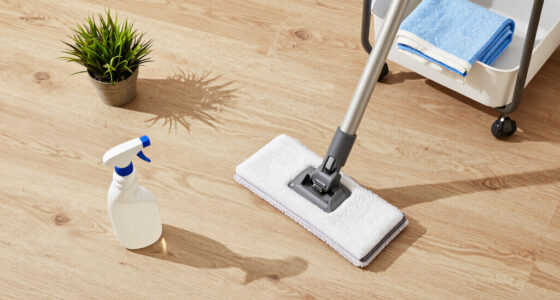
microfiber floor mop for epoxy surfaces
As an affiliate, we earn on qualifying purchases.
As an affiliate, we earn on qualifying purchases.
How to Steam Mop Your Epoxy Floor Without Damage: 4 Easy Steps
- Test in a hidden spot: Spray a small area and wait 24 hours. No bubbling or peeling? Proceed with caution.
- Use an adjustable steam cleaner: Set to the lowest heat and steam level to reduce thermal stress on the epoxy surface.
- Keep moving: Avoid staying in one spot. Continuous, gentle sweeping minimizes heat buildup and prevents localized overheating.
- Limit exposure: Don’t go over the same area multiple times in quick succession. This prevents excessive moisture from penetrating cracks or softening the coating.
Imagine cleaning your garage like polishing a delicate glass ornament—gentle, deliberate, and cautious. Following these steps helps prevent the subtle damage that can occur with improper steam cleaning, preserving the epoxy’s protective qualities and appearance over time.
As an affiliate, we earn on qualifying purchases.
Comparing Steam Mopping to Other Cleaning Options
| Method | Pros | Cons |
|---|---|---|
| Sweeping | Fast, safe, no moisture risk | Doesn’t remove stains or grime deep down |
| Microfiber Damp Mop | Gentle, effective, customizable cleaning | Requires some effort and cleaning solution |
| Steam Mopping | Deep clean, eco-friendly, no chemicals | Potential to damage epoxy if misused, subtle long-term risks |
For most garage owners, regular sweeping and microfiber mops with mild cleaners are safer bets because they clean effectively without risking surface integrity. Steam mopping offers a deeper clean but only if used with caution—understanding the tradeoff between thoroughness and potential damage is key. When in doubt, stick to gentler methods and reserve steam cleaning for occasional, carefully controlled deep cleans.
gentle cleaning solutions for epoxy floors
As an affiliate, we earn on qualifying purchases.
As an affiliate, we earn on qualifying purchases.
Risks of Steam Mopping: What Can Go Wrong?
Excess moisture from steam can seep into cracks, causing epoxy delamination or bubbling over time. When moisture gets trapped beneath the surface, it can weaken the adhesion of the epoxy to the concrete, leading to peeling or lifting. This is especially problematic in areas with existing cracks or uneven surfaces, where moisture can infiltrate more easily. High heat can also cause discoloration or soften the coating, especially if the temperature exceeds what the manufacturer recommends. Such damage may not be immediately visible but can develop gradually, compromising the floor’s structural integrity.
Think of a layer of paint bubbling after a heatwave—that’s similar to what can happen if epoxy gets too hot or soaked. In the long run, these issues can lead to costly repairs or the need for re-coating. The key is understanding that moisture and heat are both enemies of epoxy durability when misused. Proper testing, low steam settings, and avoiding prolonged contact are necessary precautions. Recognizing the subtle signs of damage early can save you money and effort in the future.
Always test first, use low steam, and avoid lingering in one spot. Think of steam cleaning as walking a tightrope—balance is essential to prevent long-term damage.
Expert Tips for Safe Cleaning Without Risks
- Always test in a small, unseen area first to observe potential reactions.
- Use a steam cleaner with adjustable settings—set to low heat and minimal steam to reduce thermal and moisture stress.
- Keep the mop moving—avoid staying in one spot too long, which can cause localized overheating or moisture buildup.
- Follow your epoxy manufacturer’s cleaning advice for specific surface care instructions.
- Combine with regular sweeping and microfiber mops for routine maintenance, reserving steam cleaning for occasional deep cleans.
Think of your epoxy like a delicate piece of jewelry—handle it gently, and it’ll shine longer. Over time, consistent gentle care preserves its appearance and structural integrity much better than aggressive cleaning methods.
The Smarter Way to Keep Your Garage Floor Looking Its Best
Most experts recommend sticking with gentle cleaning methods for epoxy floors. Regular sweeping, occasional damp microfiber mopping, and spot cleaning with pH-neutral solutions help maintain the surface without risking damage. Save steam mops for occasional deep cleaning only, and always perform a test first to ensure safety. Remember, epoxy is a durable but sensitive surface—treat it with care, and it will reward you with long-lasting shine and strength.
If you want your epoxy to stay glossy and crack-free, treat it like a fine finish—minimal moisture, gentle handling, and avoiding unnecessary heat exposure are your best bets. By understanding the delicate balance between cleaning power and surface preservation, you can keep your garage looking pristine for years to come.
Frequently Asked Questions
Can I use a steam mop on epoxy garage floors regularly?
It’s not recommended for regular use. Stick to sweeping and microfiber mopping, and only use steam mops cautiously, with low heat and minimal steam, occasionally.What if I accidentally steam my epoxy floor too aggressively?
You might see bubbling, discoloration, or cracks over time. Always test first, keep the mop moving, and avoid lingering in one spot to minimize damage.Are there specific steam cleaners suited for epoxy floors?
No single brand is universally recommended. Look for models with adjustable steam settings, and always test on a small area first.How often should I deep clean my epoxy garage floor?
Once a month or as needed if you see stubborn stains. Routine cleaning can be done weekly with sweeping and microfiber mopping.What are the safest cleaning methods for epoxy floors?
Regular sweeping, damp microfiber mops with pH-neutral cleaners, and spot cleaning are safest. Avoid excessive moisture or high heat sources.Conclusion
Epoxy garage floors are tough but not invincible. A cautious approach—stick to gentle cleaning methods and test before steam mopping—keeps your floor looking flawless without risking damage. When in doubt, treat your epoxy like a precious surface: with care, patience, and respect.
Imagine your garage gleaming, not from aggressive scrubbing, but from thoughtful, gentle upkeep. That’s the best way to prolong its lifespan and keep it beautiful.
Fall Picks
fall essentials
As an affiliate, we earn on qualifying purchases.