TL;DR

Get cleaning gear delivered free with Prime
- Fast, free delivery on millions of items
- Prime Video, Amazon Music and more included
- Member-only deals all year
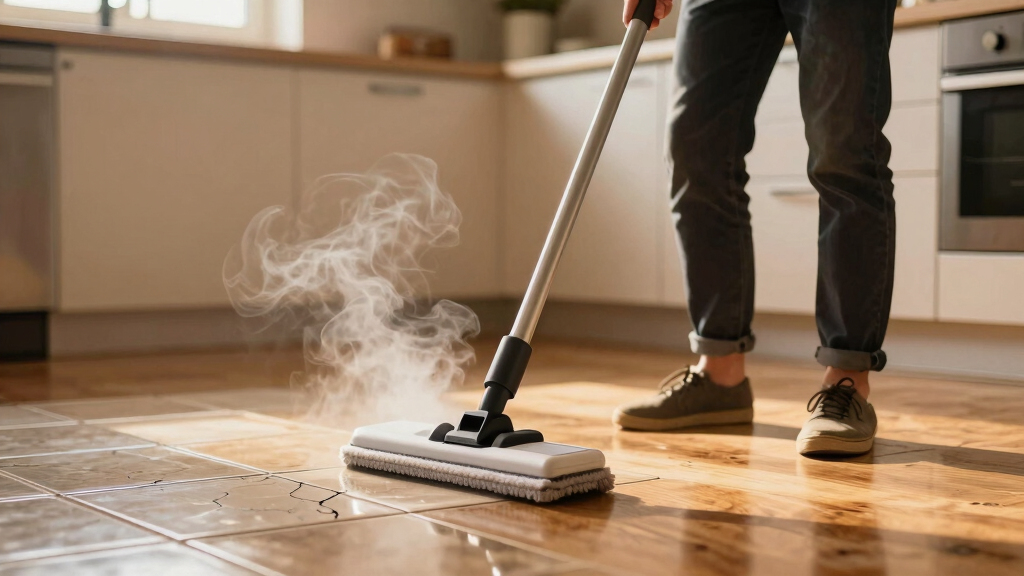
Using a steam mop on cracked tiles can be risky. Minor surface cracks on durable tiles might tolerate low steam settings, but deep or extensive cracks often worsen with moisture and heat. Always test first and follow manufacturer guidance.
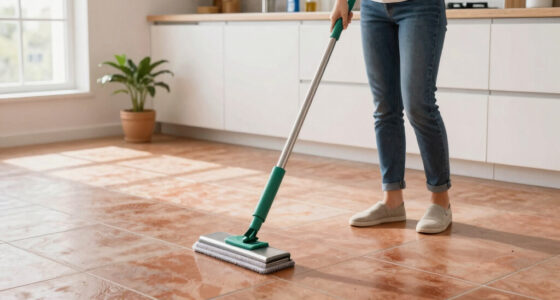
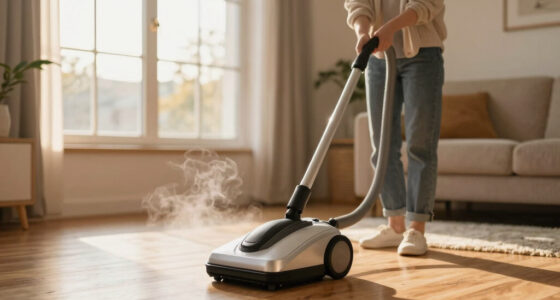
Imagine standing in your kitchen, steam rising from your mop, ready to sanitize your floors. But then you notice a crack running across one tile. Should you press forward or hold back? The truth is, using a steam mop on cracked tiles isn’t a simple yes or no. It depends on the type of crack, the tile material, and how you use the machine.
This guide is your practical, safety-first resource. You’ll learn what kinds of cracks are safe to tackle with steam, what risks you face, and the best ways to clean without causing more damage. Because sometimes, a gentle wipe beats a risky steam blast every time.
Cracked tiles are more vulnerable to moisture and heat damage from steam cleaning.
Small surface cracks on durable tiles might be safe to clean with a low steam setting—test first.
Natural stone tiles are more sensitive; avoid steam unless approved by the manufacturer.
Always inspect, test, and dry thoroughly after cleaning to prevent moisture buildup.
Regular maintenance and timely repairs help keep cracked tiles stable before cleaning.
What Types of Cracks Make Steam Mopping Risky?
Not all cracks are created equal. A small, superficial crack on a durable ceramic tile might handle steam. But a deep, structural crack that runs through the entire tile can become a problem.
Surface cracks often stay superficial if the tile is tough, like porcelain. But if the crack exposes underlying adhesive or substrate, moisture can seep in, loosening the tile further. This is critical because moisture infiltration can accelerate deterioration, especially if the crack allows water to reach beneath the tile. Over time, this can lead to warping, separation, or even mold growth beneath the surface, which is much harder to repair. Recognizing the difference between superficial and structural cracks helps you assess whether steam cleaning will do more harm than good. Larger cracks, especially those wide enough to insert a finger or a tool, indicate compromised structural integrity and should be approached with extreme caution or avoided altogether.
As an affiliate, we earn on qualifying purchases.
How Different Tile Materials React to Steam Cleaning
Knowing your tile type is key. Ceramic and porcelain tiles are generally more durable and often tolerate steam better than natural stone tiles like marble or limestone.
Natural stone tends to be sensitive to moisture and heat. Steam can cause staining, etching, or cracking in these softer surfaces. For example, marble floors can develop dark patches or surface damage from high heat and moisture.
However, the implications go beyond just surface damage. Using steam on natural stone can also weaken the bonds between the tile and its backing, especially if there are pre-existing cracks or damage. This can result in tiles loosening or even popping out over time, which is costly to repair. Conversely, ceramic and porcelain tiles are less porous and more resistant to moisture absorption, making them safer candidates for steam cleaning. Still, even these durable materials can be compromised if cracks allow water to penetrate beneath the surface, leading to long-term damage. Always check your tile manufacturer’s instructions. Many recommend dry cleaning or damp mopping instead of steaming, especially if the tiles are old or cracked, to prevent unseen damage that could worsen over time.
As an affiliate, we earn on qualifying purchases.
Step-by-Step: Should You Use a Steam Mop on Cracked Tiles?
- Inspect the cracks: Are they superficial or deep? Small cracks are less risky because they typically do not allow moisture to penetrate deeply, but they still pose a risk if the tile is fragile or already compromised. Larger or deeper cracks can serve as entry points for water, which can weaken the tile’s bond to the substrate, cause further cracking, or promote mold growth beneath the surface. Understanding the depth and severity of the crack helps you weigh the potential for damage against the benefit of steam cleaning.
- Check your tile type and manufacturer’s guidance. When in doubt, avoid steam. Ignoring these recommendations can inadvertently void warranties or lead to costly repairs later.
- Set your steam mop to the lowest heat and steam level. Modern models often have adjustable settings, which help control the amount of moisture and heat applied. Using the lowest setting minimizes expansion and moisture infiltration, reducing the risk of enlarging cracks or loosening tiles.
- Test on a small, hidden area first. Look for any signs of damage over 24 hours. This step is crucial because even a low setting can cause issues on delicate or cracked tiles, and early detection allows you to stop before significant damage occurs.
- Proceed carefully, keeping the mop moving. Don’t hold it in one spot too long. This prevents excessive heat and moisture buildup in one area, which can exacerbate cracks or cause tiles to loosen.
- Dry the floor thoroughly after cleaning to prevent moisture from seeping into cracks. Proper drying helps reinforce the integrity of the tile and grout, reducing the risk of water-related damage.
This process minimizes risk, but remember—if you see worsening cracks or shifting tiles, stop immediately. Continuing could lead to irreversible damage and costly repairs.
As an affiliate, we earn on qualifying purchases.
Why Using a Steam Mop on Cracked Tiles Can Backfire
Steam and cracked tiles don’t mix well. The heat causes expansion, which can widen existing cracks or create new ones. Simultaneously, moisture weakens grout and adhesives, especially if they are already compromised. This weakens the bond holding the tile in place, increasing the risk of tiles loosening or falling out. For example, a homeowner reported that after steaming her cracked ceramic kitchen floor, several tiles came loose within a month. The moisture had penetrated beneath the surface, exacerbating the existing damage and making repairs more costly.
Research confirms that moisture infiltrating cracks accelerates deterioration, especially if the cracks are already compromised. The combined effect of heat expansion and moisture absorption can turn a minor crack into a major repair issue, such as tile replacement or extensive regrouting. This is why understanding the condition of your tiles and choosing the right cleaning method is critical. If you’re unsure, consulting a professional can prevent unnecessary damage and save money in the long run.
As an affiliate, we earn on qualifying purchases.
Safer Cleaning Alternatives for Cracked Tiles
If you’re unsure about steaming, stick with these safer options:
- Dry dust and sweep regularly to remove dirt without moisture. This prevents dirt buildup that can lead to staining or further deterioration.
- Use a damp cloth with a mild cleaning solution on stubborn spots—no steam needed. This method minimizes water infiltration while effectively cleaning surface dirt and stains.
- Vacuum the floor to lift debris without risking water penetration. Modern vacuums with wet-dry capabilities can be particularly effective and safe for delicate or cracked tiles.
- Repair cracks with epoxy or grout filler before any wet cleaning. Sealing cracks reduces water entry points, stabilizes the tile, and minimizes future damage.
- Consider professional help for extensive repairs or deep cleaning. Experts can ensure proper repair and cleaning techniques tailored to your specific situation, preventing accidental damage.
These methods keep your floors clean and intact without risking further damage. Prioritizing gentle, non-invasive cleaning preserves the integrity of your cracked tiles and extends their lifespan.
Frequently Asked Questions
Can I use a steam mop on cracked ceramic tiles?
Minor surface cracks on durable ceramic tiles might tolerate low steam settings if tested first. However, deep or extensive cracks increase the risk of further damage, so proceed with caution or consider alternative cleaning methods.Will steam cleaning make cracks worse?
Yes, the heat causes expansion, and moisture can weaken grout and adhesives, especially in already cracked or compromised tiles. Over time, this can lead to larger cracks or loose tiles.What’s a safer way to clean cracked tiles?
Use a dry mop, a damp cloth with mild cleaner, or vacuum instead of steam. Repair existing cracks with grout or epoxy before wet cleaning, and always test on a hidden spot first.Should I repair cracks before cleaning?
Absolutely. Filling small cracks with epoxy or grout can prevent moisture infiltration. For larger cracks, replacing tiles is often the safest choice before any cleaning.When should I call a professional?
If your cracks are extensive, deep, or worsening, consulting a flooring expert ensures proper repair and helps avoid costly damage from improper cleaning.Conclusion
Cracked tiles don’t have to be a reason to stop cleaning, but they do demand respect. Using a steam mop without caution risks turning small issues into costly repairs. When in doubt, opt for gentler methods—your floors will thank you.
Think of your tile floor like a delicate sculpture: it’s beautiful, but cracks need careful handling. A little patience now saves a lot of headache later.
Halloween Picks
halloween
As an affiliate, we earn on qualifying purchases.