TL;DR

Get cleaning gear delivered free — and shop member deals
- Fast, free delivery on millions of items
- Access to Prime Big Deal Days deals on October 6–7
- Prime Video, Amazon Music and more included
Steam mops generate high heat and moisture, which can harm certain rugs. Removing or shielding rugs before cleaning is the safest move. Adjusting steam levels and checking manufacturer advice can help protect your delicate surfaces.
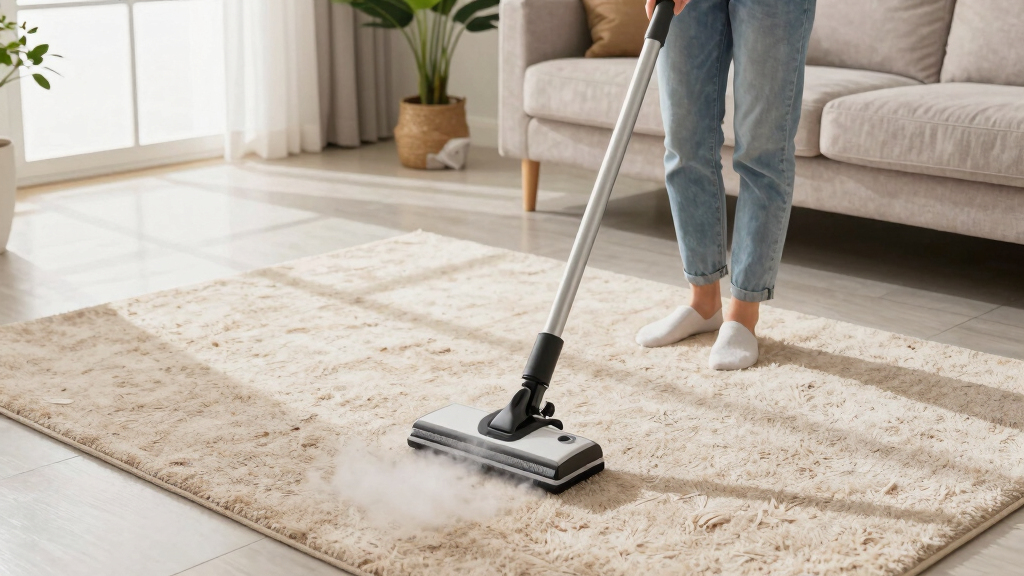
Imagine the rich, warm aroma of a freshly steamed floor filling your home. You want that clean, fresh scent without risking a delicate rug in the same room. Many wonder, is it safe to use a steam mop near area rugs? The truth is, heat and moisture from steam mops can cause damage if you’re not careful. In this guide, you’ll learn exactly what risks exist, how modern tools help, and the simple steps to keep your rugs safe while cleaning your floors.
If you’ve ever experienced color bleeding or warping after steam cleaning a rug, you know how frustrating it can be. This article breaks down the potential hazards and offers practical advice so you can maintain a spotless home without unintended damage.
Always identify your rug’s fiber type before using a steam mop near it.
Remove or shield delicate or antique rugs to prevent damage from heat and moisture.
Modern steam mops with adjustable settings help reduce risks but don’t eliminate them.
Testing a small hidden area first can save you from costly mistakes.
When in doubt, opt for dry cleaning or professional services for your area rugs.
Why Steam Mops Can Damage Area Rugs — And How to Spot the Risks
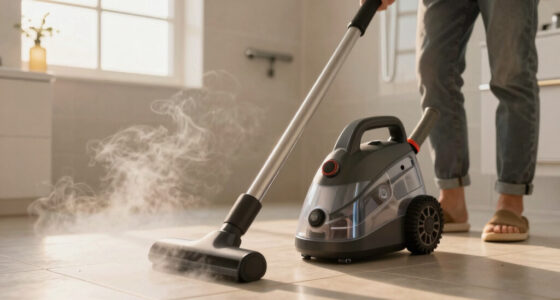
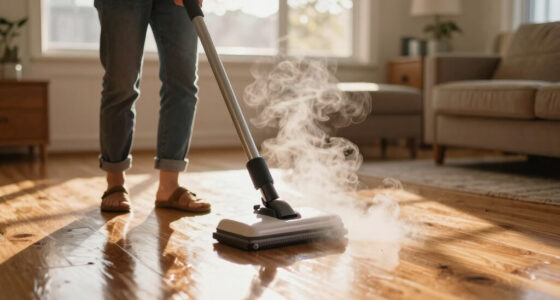
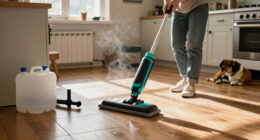
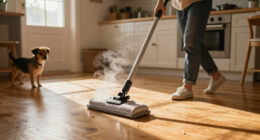
Steam mops heat water to over 200°F and release it as vapor, which is effective for sanitizing hard floors. But this intense heat and moisture can be a problem for certain rugs, especially those made of delicate fibers like wool or silk. For example, a vintage Persian rug might shrink or bleed colors if exposed directly to steam.
Natural fibers tend to be more sensitive because their structure can be altered by heat and water. Wool and silk fibers are porous and can absorb moisture quickly, leading to warping, shrinking, or loss of sheen. Color bleeding occurs when dyes are not colorfast, which can ruin the appearance of your rug permanently. These risks matter because they directly impact the longevity and aesthetic of your textiles, often requiring expensive restoration or replacement. Synthetic rugs, while generally more stable, can still suffer from adhesive breakdown or fading if exposed to excessive steam or moisture, especially if the backing or dyes are not designed for such treatment. Recognizing these differences is crucial because it helps you decide whether to remove, shield, or avoid steam cleaning altogether. The tradeoff is between convenience and potential damage—sometimes opting for gentler methods preserves your rugs’ beauty and integrity in the long run.
steam mop with adjustable steam levels
As an affiliate, we earn on qualifying purchases.
As an affiliate, we earn on qualifying purchases.
How Modern Steam Mops Help Reduce Damage Risks — And What You Still Need to Do
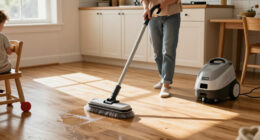
Newer steam mops come with adjustable steam levels, allowing you to tailor the amount of heat and moisture released. This feature is vital because it gives you control over the cleaning process, reducing the likelihood of unintended damage to nearby rugs. For example, setting your steam mop to a lower, gentler setting means less heat transfer and moisture exposure, which is especially important when cleaning floors with delicate or natural fiber rugs. Some models also include smarter attachments or barriers designed specifically to shield rugs from direct contact, offering an extra layer of protection. These innovations acknowledge the inherent risks of steam cleaning and aim to mitigate them, but they are not foolproof. The effectiveness of these features depends on proper usage—such as correct setting adjustments and attachment placement. Despite these technological advances, user caution remains critical because even the most sophisticated device cannot compensate for neglecting to follow safety precautions. The tradeoff here involves balancing convenience with vigilance; while equipment improvements make cleaning easier, they do not replace the need for careful assessment and protective measures before proceeding.
protective rug shields for steam cleaning
As an affiliate, we earn on qualifying purchases.
As an affiliate, we earn on qualifying purchases.
Protect Your Rugs in 3 Easy Steps When Using a Steam Mop
- Remove or Cover: Take out area rugs from the room or cover them with a thick towel or plastic barrier to block steam contact. This step is essential because it physically prevents heat and moisture from reaching the fibers, which could otherwise cause shrinking, warping, or color bleed. Covering with a barrier also helps diffuse the steam, reducing the intensity of direct exposure and protecting dyes and backing materials that are sensitive to moisture.
- Control the Steam: Set your steam mop to the lowest setting, or use attachments designed to minimize moisture exposure. Lowering the steam output limits the temperature and humidity in the immediate area, decreasing the likelihood of fiber damage. Using specialized attachments or barriers creates an additional safety layer, helping to contain the steam and prevent accidental contact with delicate rugs.
- Test First: Always test a small, hidden corner of your rug with a damp cloth or minimal steam to check for color bleeding or warping before full cleaning. This step is crucial because it provides an early warning about how your specific rug reacts to moisture and heat. If there is any sign of bleeding or distortion, avoid further steam exposure and consider alternative cleaning methods. Testing helps you weigh the risks and make informed decisions, ultimately saving you from costly repairs or replacements.
For example, before steaming a living room with a vintage silk rug, a homeowner tested a small corner with a damp cloth and confirmed no color transfer. They then proceeded carefully, keeping the steam away from the rug’s edges. This cautious approach ensures preservation of the rug’s beauty while maintaining cleanliness.
These steps are simple but effective. They turn a risky situation into a safe cleaning routine by emphasizing preparation, control, and testing—cornerstones of responsible steam cleaning near delicate textiles.
As an affiliate, we earn on qualifying purchases.
Compare Safe and Risky Rug Types for Steam Cleaning
| Rug Type | Likely Safe with Caution | High Risk — Better Alternatives |
|---|---|---|
| Synthetic, machine-made | Yes, if protected and steam is set low | No, avoid direct steam contact |
| Natural fibers (wool, silk) | Only with removal or heavy shielding | Yes, but only with professional cleaning |
| Antique or vintage | No, always remove or shield | Use dry cleaning methods |
| Backed or glued rugs | No, remove or avoid steam | Dry brushing or professional cleaning |
This table helps you quickly decide whether your rug can handle steam cleaning or needs alternative care methods. Recognizing the specific vulnerabilities of each type ensures you choose the safest method, preventing irreversible damage and preserving the value and appearance of your textile investments. When in doubt, consulting a professional is the best way to avoid costly mistakes and extend the life of your rugs.
best steam mops for delicate floors
As an affiliate, we earn on qualifying purchases.
As an affiliate, we earn on qualifying purchases.
What You Need to Know Before Using a Steam Mop Near Rugs
Before turning on your steam mop, ask yourself: What is the rug’s material? Is it natural or synthetic? Does it have glued backing or vibrant dyes? These questions matter because they directly influence how your rug responds to heat and moisture. Understanding your rug’s composition helps you decide whether to remove it, shield it, or avoid steam cleaning altogether. For instance, a synthetic rug with a sealed backing might tolerate lower steam settings if protected, whereas a silk antique requires complete removal and gentle cleaning methods. Always read the care label and manufacturer instructions for both your steam mop and your rug. When in doubt, safer options like vacuuming or dry cleaning are preferable, especially for valuable or delicate textiles. Recognizing these key factors prevents costly mistakes, preserves your rugs’ integrity, and ensures your cleaning routine is both effective and safe.
Frequently Asked Questions
Can I steam mop my hardwood floors if I have area rugs nearby?
Yes, but avoid direct steam contact with the rugs. Remove or shield them first, and keep the steam at a low setting to prevent moisture damage or color bleeding.Is it safe to steam clean my natural fiber rugs?
Generally no. Delicate fibers like wool or silk are sensitive to heat and water. Remove these rugs before steaming or opt for professional cleaning methods tailored for natural fibers.What precautions should I take when using a steam mop near area rugs?
Remove or cover rugs, set the steam mop to a low level, and test a small corner first. Always follow both the mop’s and the rug’s care instructions for safe cleaning.Are synthetic rugs safe to clean with steam?
They’re more resistant, but you should still protect them with barriers and use the lowest steam setting. Avoid direct contact and follow manufacturer guidelines.What are alternative ways to clean area rugs without risking damage?
Vacuum regularly, use dry cleaning powders, or hire professional cleaning services. These methods are gentler on delicate fibers and antique pieces.Conclusion
Using a steam mop near area rugs isn’t a one-size-fits-all answer. The safest approach is to remove or shield rugs before steaming, especially if they’re delicate or antique. Embracing a cautious mindset keeps your floors and your cherished textiles protected for years to come.
Remember: a little extra care now saves a lot of regret later. Think of your rugs as the artwork of your floors—worthy of gentle treatment and respect, even in the rush to keep everything clean.
Halloween Picks
halloween
As an affiliate, we earn on qualifying purchases.