TL;DR

Get cleaning gear delivered free with Prime
- Fast, free delivery on millions of items
- Prime Video, Amazon Music and more included
- Member-only deals all year
Steam cleaning can kill dust mites at temperatures above 130°F, reducing allergens and mite populations. However, it’s not a guaranteed, permanent solution; regular use and comprehensive methods improve results.
Steam cleaning above 130°F can kill dust mites and lower allergen levels by up to 80%.
Always test surfaces first and follow manufacturer instructions to prevent damage.
Use steam regularly—every 1-2 months—in combination with washing bedding and controlling humidity.
Steam isn’t a silver bullet but a strong part of a comprehensive dust mite management plan.
Adjust your expectations—complete mite eradication is difficult, but significant reduction improves indoor air quality.
Does Steam Cleaning Kill Dust Mites?
Yes—sustained steam above 130°F can kill mites on contact and substantially reduce allergens. The catch: heat must reach mites hidden inside fibers, and lasting control requires a repeatable, layered routine.
54°C—the commonly cited threshold for killing mites with heat.
A practical steamer setting for faster, more reliable heat transfer.
Reported reduction in mite populations and allergen levels.
Suggested interval for high-risk areas such as bedding and upholstery.
Steam turns heat into a direct attack.
Dust mites are microscopic and settle deep inside mattresses, carpets, and upholstery. Effective steaming depends on getting enough heat—not merely moisture—to those protected spaces.
Heat reaches the mite
Hot vapor penetrates fabric fibers and raises the temperature around mites and eggs. Slow, controlled passes improve contact.
Essential proteins denature
Temperatures above the kill threshold damage proteins mites rely on for survival, causing rapid mortality on exposed areas.
Debris loosens
Moisture helps release mite waste and allergenic material. Follow-up drying and vacuuming help remove what steam loosens.
The effective steam sequence
Temperature, exposure, penetration, and removal form one connected system. A weak link lowers the result.
Vacuum first
Remove loose dust, debris, and surface mites so steam can reach fibers more evenly.
Apply 150°F steam
Use an adjustable cleaner and the attachment recommended for the material.
Hold 15–20 seconds
Give each treatment area enough time for meaningful heat transfer without soaking it.
Dry completely
Ventilate the room and prevent retained moisture from encouraging mites or mold.
Know where steam belongs.
Heat and moisture can sanitize durable materials but warp, stain, shrink, or delaminate sensitive ones. Manufacturer guidance always takes priority.
Generally steam-friendly
- Tile
- Vinyl
- Linoleum
- Sealed hardwood
- Approved carpets
- Washable fabrics
Use the correct attachment, avoid saturation, and keep the tool moving unless the appliance instructions specify otherwise.
Test or avoid
- Untreated wood
- Delicate fabric
- Plush rugs
- Heat-sensitive glue
- Unsealed floors
- Moisture-sensitive items
Test an inconspicuous spot, then wait 24 hours to check for discoloration, warping, texture change, or adhesive failure.
Read the label
Confirm that both the appliance and target material support steam treatment.
Patch test
Use a hidden area and inspect it after a full 24-hour drying period.
Vacuum
Lift loose particles first so the treatment can focus on embedded material.
Steam slowly
Target at least 150°F and allow controlled exposure across each zone.
Ventilate
Open windows or use airflow so treated surfaces become fully dry.
Steam is strongest as one layer.
No single method reaches every hidden mite, removes every allergen, and prevents a rebound. Pair direct treatment with barriers and environmental control.
| Method | Effectiveness | Ease | Cost | Best use | Key limitation |
|---|---|---|---|---|---|
| Steam cleaning | ✓ High above 130°F | ~ Moderate | Medium | Bedding, upholstery, carpets, mattresses | ✗ Limited depth and no lasting barrier |
| Mattress encasement | ✓ Very effective when sealed | ✓ Easy | Low | Preventing mite movement in mattresses and pillows | ~ Does not treat the rest of the room |
| Weekly hot washing | ✓ Effective at 130°F | ✓ Easy routine | Low | Sheets, pillowcases, washable covers | ~ Must be repeated every week |
| Humidity control | ✓ Very effective below 50% | ✓ Easy with AC or dehumidifier | Variable | Reducing reproduction across the home | ~ Requires monitoring and equipment |
Build a routine mites can’t recover from.
Steam knocks populations down. Washing removes allergens. Encasements block movement. Low humidity makes the entire environment less hospitable.
Wash bedding at approximately 130°F where fabric care permits, and vacuum allergen reservoirs thoroughly.
Use ventilation, air conditioning, or a dehumidifier to suppress mite reproduction and prevent rebound.
Prioritize mattresses, bedding zones, upholstered furniture, and high-traffic carpeted areas.
Complete eradication is difficult because mites hide deep in porous materials and can return when conditions improve. The practical goal is continuous population and allergen reduction—enough to support better indoor air quality, easier breathing, and improved comfort.
From steam pass to cleaner air
The benefit comes from a connected chain of actions. Killing mites is only the beginning; allergen removal and rebound prevention complete the job.
Does Steam Cleaning Actually Kill Dust Mites? The Simple Truth
Yes, steam cleaning can kill dust mites, but only if you reach the right temperature—usually above 130°F (54°C). That heat denatures the proteins dust mites rely on, effectively killing them on contact. Imagine a steaming cloth pressed against your mattress—that’s hot enough to wipe out many pests. According to research, consistent exposure to high-temperature steam can reduce dust mite numbers by as much as 80%.
However, the effectiveness depends on factors like duration, surface type, and equipment quality. It’s not a magic wand, but a powerful tool when used correctly.
As an affiliate, we earn on qualifying purchases.
How High Temperatures Fight Dust Mites — The Inside Scoop
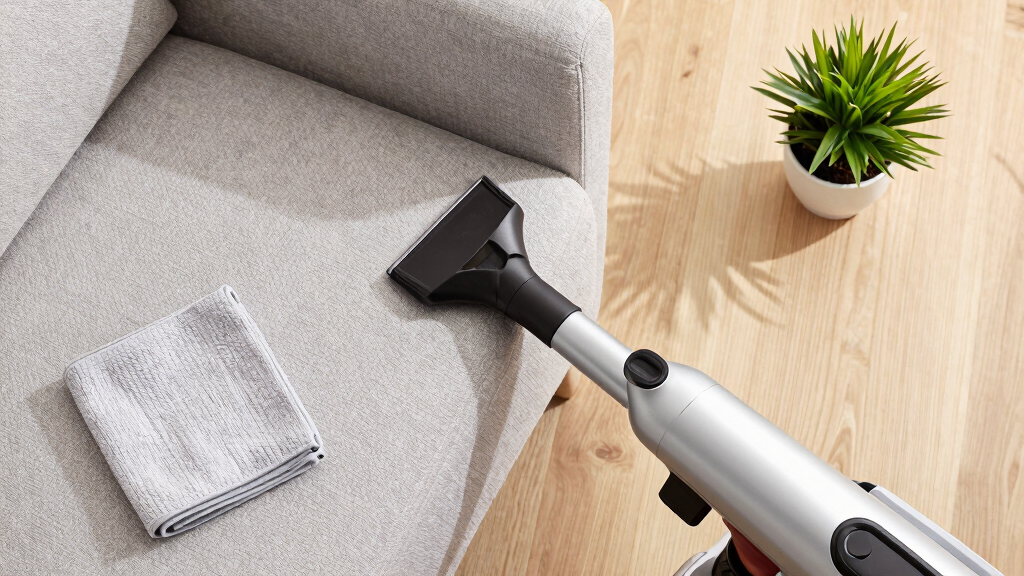
Dust mites are fragile when exposed to heat. Their survival depends on specific proteins that are sensitive to temperature. When steam penetrates fabrics—like bedding or upholstery—it heats the mites directly, causing these proteins to denature and rendering the mites unable to survive. This process is crucial because dust mites are microscopic and embedded deep within fibers, so superficial cleaning often isn’t enough.
For example, a steamer set at 150°F can kill mites within seconds by rapidly denaturing their proteins. But if the temperature drops below 130°F, some mites might survive, especially in protected crevices. This highlights why adjustable steam cleaners and proper technique—such as holding the steam in place for sufficient time—are essential for effective eradication. It’s a tradeoff: higher temperatures are more effective but require careful handling to avoid surface damage or safety risks.
high temperature steam cleaner for upholstery
As an affiliate, we earn on qualifying purchases.
As an affiliate, we earn on qualifying purchases.
What Surfaces Can Handle Steam Without Damage? Spot the Safe Zones
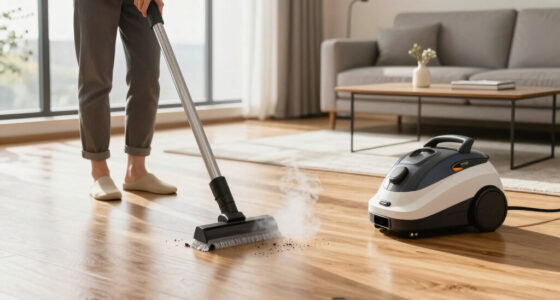
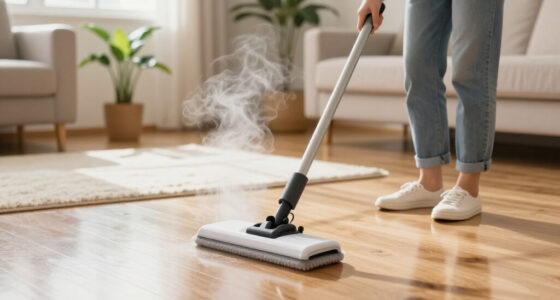
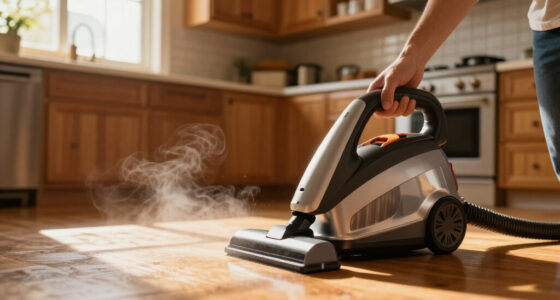
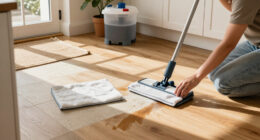
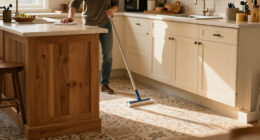
Most hard surfaces—like tile, sealed hardwood, vinyl, and linoleum—can handle steam cleaning because they are durable and resistant to heat and moisture. Properly applied, steaming these surfaces can effectively remove dust, dirt, and allergens without damage. For instance, a steam-cleaned kitchen floor or bathroom tiles can be sanitized and allergen-reduced effectively, provided you follow manufacturer instructions and avoid excessive moisture buildup.
However, delicate fabrics, untreated wood, or soft furnishings like plush rugs are more vulnerable. The heat and moisture can cause warping, staining, or fiber damage. This isn’t just about surface preservation; damaged materials can become breeding grounds for mold or dust mites, counteracting your efforts. Testing a small, inconspicuous area first is vital to prevent costly mistakes. The tradeoff here involves balancing cleaning effectiveness with surface safety, requiring you to choose the right method for each material.
As an affiliate, we earn on qualifying purchases.
How Often Should You Steam to Keep Dust Mites at Bay?
For ongoing dust mite control, aiming to steam every 4 to 8 weeks is recommended, especially in high-traffic zones or bedding areas. Regular sessions help keep mite populations suppressed by disrupting their reproductive cycle and removing accumulated allergens, which can otherwise build up and exacerbate allergies.
However, it’s important to recognize that steaming alone isn’t enough for complete control. Combining it with weekly washing of bedding at high temperatures, maintaining indoor humidity below 50%, and vacuuming frequently enhances overall effectiveness. Think of steaming as a part of a layered approach—each step reduces the environment’s suitability for dust mites, leading to better allergy management and healthier indoor air quality.
carpet steam cleaner for dust mites
As an affiliate, we earn on qualifying purchases.
As an affiliate, we earn on qualifying purchases.
The Limitations of Steam Cleaning — What It Can’t Do
While steam cleaning is effective at killing many dust mites and reducing allergens, it’s not a foolproof, permanent solution. Dust mites are resilient creatures that can hide deep within carpets, upholstery, and other porous materials, where steam penetration may be limited. Some mites can survive short-term high heat if they are shielded by thick fibers or embedded in inaccessible areas.
Additionally, if indoor humidity levels rise due to the moisture from steaming, it can create an ideal environment for dust mites to thrive again. This means that without controlling humidity and regularly cleaning, mite populations can rebound relatively quickly. The tradeoff is clear: steam is a powerful tool but should be combined with other strategies—like humidity control, encasing mattresses, and frequent washing—to achieve long-term mite reduction. Relying solely on steam without these complementary measures can lead to a false sense of security and limited results.
Best Practices for Using Steam to Fight Dust Mites
- Set your steamer to at least 150°F for effective mite killing. Higher temperatures improve the likelihood of denaturing mite proteins quickly and thoroughly.
- Test surfaces first—wait 24 hours to check for damage or discoloration. This helps prevent accidental damage to delicate materials.
- Focus on bedding, upholstery, and carpets, holding the steam in place for 15-20 seconds per area to ensure sufficient heat transfer and mite exposure.
- Vacuum thoroughly before steaming to remove dust, debris, and some mites, making the steam treatment more effective.
- Follow up with regular washing of bedding at high temperatures and maintaining indoor humidity below 50%, creating an environment less hospitable to dust mites.
Compare: Steam Cleaning vs. Other Dust Mite Control Methods
| Method | Effectiveness | Ease of Use | Cost | Notes |
|---|---|---|---|---|
| Steam Cleaning | High at above 130°F, reduces allergen levels by up to 80% | Moderate—requires equipment and technique | Medium—cost of steam cleaner | Best combined with other methods |
| Encasing Mattresses | Very effective if sealed properly | Easy—just fit covers | Low—cost of covers | Prevents mites from entering or escaping |
| Frequent Washing | Effective if washed at 130°F | Easy—regular routine | Low—detergent & water | Must be done weekly for best results |
| Humidity Control | Very effective—below 50% | Easy—use dehumidifiers or AC | Variable—device cost | Reduces mite reproduction |
Can You Really Live Mite-Free? Managing Expectations
Complete eradication of dust mites is a challenging goal. Even with regular steaming, some mites can survive or re-enter from outside sources, especially if environmental conditions favor their growth. Think of it like trying to keep a garden free of weeds—it’s a continuous process that requires persistent effort and vigilance.
What truly matters is reducing their numbers and the amount of allergens in your environment enough to improve your breathing and comfort. Consistency in cleaning routines, controlling indoor humidity, and using protective mattress covers all contribute to a healthier space. Recognizing that total elimination is unrealistic helps set practical expectations and encourages ongoing maintenance for long-term relief.
Frequently Asked Questions
How long does it take for steam to kill dust mites?
Most dust mites die instantly once exposed to temperatures above 130°F. Holding steam on surfaces for 15-20 seconds ensures effective contact.Can I use a regular household steamer for dust mite control?
Yes, but make sure it heats up to at least 150°F and has adjustable settings. Check your device’s instructions for surface compatibility and safety.Is steam cleaning enough to keep dust mites away permanently?
No, regular cleaning, washing bedding, and humidity control are essential. Steam is a powerful tool but works best as part of a routine.Will steam cleaning damage my hardwood floors?
If your floors are sealed and you follow manufacturer instructions, steaming is safe. Test a small, hidden area first to be sure.How does humidity affect dust mite populations?
Dust mites thrive in humidity above 50%. Keeping indoor humidity below this level significantly slows their reproduction and reduces their numbers.Conclusion
Steam cleaning offers a natural, chemical-free way to battle dust mites, especially when used smartly. Remember, it’s most effective as part of a broader routine—no single method does all the work. Keep steaming, keep washing, and maintain a dry, clean environment. Your lungs and allergies will thank you.Columbus Day / Indigenous Peoples' Day Picks
long weekend sales
As an affiliate, we earn on qualifying purchases.