TL;DR

Get cleaning gear delivered free with Prime
- Fast, free delivery on millions of items
- Prime Video, Amazon Music and more included
- Member-only deals all year
Steam lifts dirt by softening and hydrating particles with high heat and moisture. This makes debris easier to detach and remove, often without chemicals. Recent tech advances boost its effectiveness and safety.
Ever wonder how a simple burst of hot steam can make dirt vanish from your floors and surfaces? It’s not magic—there’s real science behind it. Steam cleaning uses heat, moisture, and surface physics to lift grime, grease, and germs without relying heavily on chemicals.
In this guide, you’ll see how steam’s unique properties turn a cleaning chore into a science experiment. We’ll explore what makes steam so effective, recent tech upgrades, and practical tips to keep your home safe and sparkling.
High-temperature steam (200°F+) softens and hydrates dirt, making it easier to lift.
Modern steam cleaners with adjustable pressure and vacuum features boost cleaning power.
Always test a small area first to ensure your surface can handle moisture and heat.
Steam kills germs and reduces allergens, improving indoor air quality.
Using steam can often replace or reduce chemical cleaners, making your home safer and greener.
The Surprising Science of How Steam Lifts Dirt
A burst of steam does more than make a surface wet. High heat softens grease, moisture hydrates embedded particles, and weakened adhesion lets grime release with less scrubbing—and often fewer chemicals.
Three forces break dirt’s grip
Steam shifts cleaning away from abrasive force. Heat changes the physical state of grease, moisture penetrates microscopic pores, and the combined effect reduces the bond between debris and the surface.
Heat softens
At temperatures commonly above 200°F, hardened oils and greasy films become softer and more fluid. The mess changes from a stubborn layer into material that can be wiped away.
Water hydrates
Vapor enters cracks and pores, dampening dried particles much like water loosens an adhesive. Hydrated dirt becomes less rigid and easier to separate from the surface.
Adhesion weakens
Thermal expansion, condensation and hydration work together to reduce particle adhesion. Less grip means less scrubbing, lower abrasion and easier extraction.
Steam versus scrubbing
Traditional scrubbing relies heavily on friction and may require chemical solvents. Steam supplies thermal energy and moisture first, reducing the physical force needed afterward.
| Feature | Steam cleaning | Traditional scrubbing |
|---|---|---|
| Speed | ✓Loosens grime before wiping | ~More time and repeated effort |
| Chemical use | ✓Minimal or none | ✗Often relies on detergents |
| Surface wear | ✓Low abrasion when used correctly | ~Brushes may scratch finishes |
| Hygiene | ✓Heat reduces germs and allergens | ~Removes dirt; less germicidal |
| Delicate materials | ~Heat and moisture require testing | ~Friction and chemicals require care |
Where steam adds value
Relative performance profile based on its core cleaning mechanisms.
The useful heat zone
Cleaning power rises once steam delivery passes the key softening threshold.
Smarter machines amplify the physics
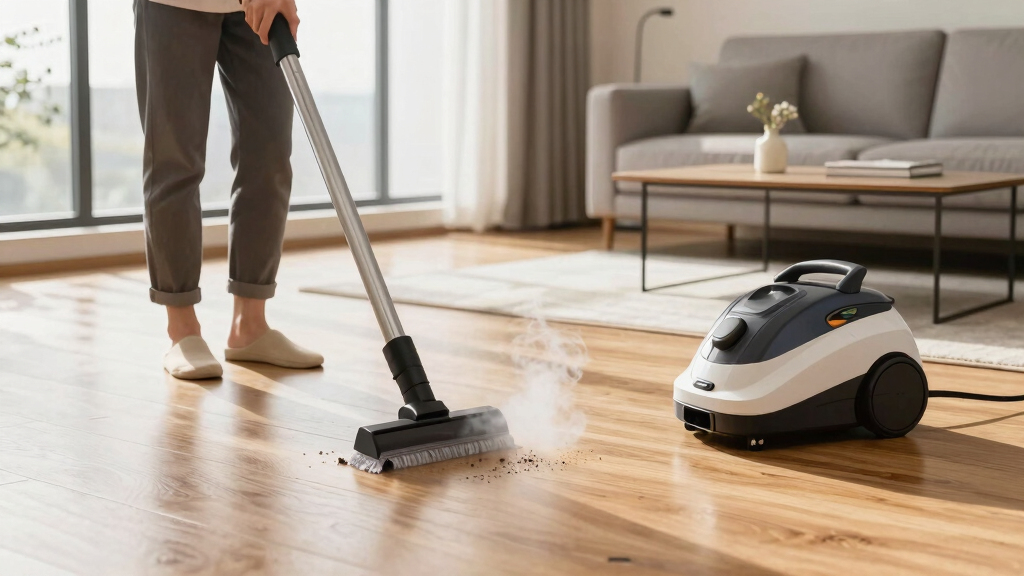
Modern cleaners improve consistency and control. Higher pressure, adjustable output and immediate extraction help steam penetrate grime while giving users settings appropriate for different surfaces.
Higher pressure
Focused vapor reaches textured surfaces, grout lines and embedded debris more effectively.
Smart controls
Adjustable temperature and flow match the cleaning intensity to the material and mess.
Vacuum extraction
Integrated suction removes loosened debris before it can settle back onto the surface.
Faster boilers
Efficient heaters reach operating temperature quickly and maintain steadier steam output.
The real advantage is controlled energy: enough heat and moisture to weaken grime, delivered precisely enough to protect the material beneath it.
Heat + controlSeven steps for safer steam cleaning
Technique determines whether steam is effective and surface-safe. Always follow the machine manufacturer’s instructions and give delicate materials extra caution.
Fill with distilled water
Reduce mineral buildup that can clog the system and weaken output.
Heat to the recommended setting
For dirt softening, operating temperatures are commonly above 200°F.
Test a hidden corner
Check for moisture damage, discoloration, warping or finish changes.
Keep the nozzle 1–2 inches away
Concentrate steam without pressing the hot nozzle against the surface.
Move in slow, steady strokes
Allow enough contact time for heat and moisture to loosen the bond.
Extract the softened dirt
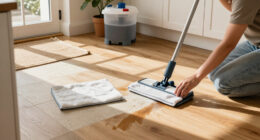
Use a clean microfiber cloth or the machine’s vacuum function.
Repeat only where needed
Target stubborn spots instead of oversaturating the entire surface.
Steam wins by changing the dirt first.
How Steam Actually Loosens and Lifts Dirt
Steam is hot enough—usually above 200°F—to cause dirt and grease to soften and break apart. This temperature is critical because it directly influences the efficiency of cleaning; the higher the temperature, the more effectively grime is loosened. When grease melts, it transforms from a stubborn, oily layer into a more manageable, semi-liquid state that can be wiped away easily, reducing the effort needed for scrubbing. Moisture from the steam seeps into tiny cracks and pores, hydrating dirt particles and weakening their grip on surfaces. This hydration process is akin to dampening glue or adhesive—once loosened, the dirt can be lifted with minimal force.
This process is significant because it shifts the cleaning paradigm from abrasive scrubbing to thermal and moisture-assisted removal. The softening and hydration not only make dirt easier to remove but also reduce surface abrasion, helping preserve delicate surfaces. Recent research shows that at these high temperatures, dirt particles lose their adhesion strength—sometimes by as much as 50%—making them much less stubborn to remove. This means less physical effort and fewer cleaning chemicals, leading to a safer and more sustainable cleaning routine.
As an affiliate, we earn on qualifying purchases.
What Makes Steam Cleaning Better Than Scrubbing
| Feature | Steam Cleaning | Traditional Scrubbing |
|---|---|---|
| Speed | Loosens dirt quickly, reducing scrubbing effort | Requires more elbow grease and time |
| Chemical Use | Minimal or none, eco-friendly | Often relies on cleaning chemicals |
| Surface Safety | Safe on many surfaces if used correctly | Risk of damage if abrasive |
| Hygiene | Kills bacteria and reduces allergens | Removes dirt but less germicidal effect |
Think of steam as a gentle yet powerful cleaning partner. It softens and lifts dirt without scrubbing harder, and it sanitizes too. This combination not only improves cleaning efficiency but also minimizes surface damage and chemical exposure. The ability to sanitize with heat is especially important in households with children, pets, or allergy sufferers, as it helps eliminate germs and allergens that traditional cleaning might leave behind. Moreover, reducing reliance on harsh chemicals benefits the environment and reduces indoor chemical residues, which can be especially important for sensitive individuals.
As an affiliate, we earn on qualifying purchases.
How Recent Tech Boosts Steam Cleaning Power
New steam cleaners pack more punch with higher pressure and smarter controls. Some models reach 300°F, with adjustable steam flow, making stubborn grime easier to tackle by allowing users to customize the temperature and pressure based on the surface and dirt type. Others add vacuum functions, pulling dirt away as steam loosens it, which not only speeds up the cleaning process but also reduces the need for secondary cleaning steps. These features are especially useful in homes with high traffic or for deep cleaning sessions where removing embedded dirt is essential.
Imagine a portable device that heats water in just 30 seconds, then emits a steady, high-temperature steam—perfect for quick touch-ups or deep cleans. These innovations mean you get more efficient cleaning, less waiting, and better results with less effort. The increased power and control also allow for safer cleaning of a broader range of surfaces, reducing the risk of damage or ineffective cleaning due to improper settings.
Research highlights that modern steam cleaners can kill up to 99.9% of bacteria and dust mites, making them ideal for allergy sufferers and health-conscious households. This efficacy depends heavily on consistent, high-temperature steam delivery, which recent technological improvements facilitate, ensuring safer and more hygienic environments.
As an affiliate, we earn on qualifying purchases.
Real-Life Example: How Steam Saved a Kitchen Mess
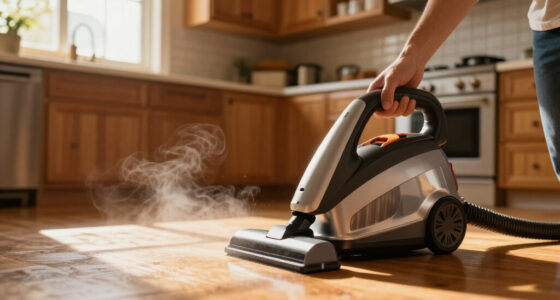
Picture this: a home cook spills greasy sauce on the kitchen tile. Instead of scrubbing with chemicals, they turn on their steam cleaner. After 2 minutes at 250°F, the grease loosens and hydrates. A quick wipe lifts the stain without harsh scrubbing or fumes.
This scenario isn’t rare. Steam’s ability to break down grease and grime in moments makes it a household hero. The high temperature not only loosens the dirt but also helps kill bacteria lurking in kitchen spills, providing an extra layer of safety. The heat’s penetration ensures that even stubborn, embedded grease is softened sufficiently for removal, reducing the need for aggressive scrubbing that can damage delicate surfaces or spread bacteria around.
As an affiliate, we earn on qualifying purchases.
Your Step-by-Step Guide to Using Steam for Dirt-Lifting Power
- Fill your steam cleaner with distilled water to avoid mineral buildup, which can clog the system and reduce efficiency over time.
- Turn it on and let it heat until it reaches the recommended temperature (usually above 200°F). This ensures the steam is hot enough to soften and loosen dirt effectively.
- Test on a hidden corner of the surface to check for compatibility, preventing potential damage or discoloration.
- Hold the nozzle close but not touching—about 1-2 inches away from the surface—to deliver concentrated steam without risking surface damage.
- Move in slow, steady strokes to allow the steam to penetrate and loosen dirt thoroughly, making removal easier and more thorough.
- Wipe away the softened dirt with a microfiber cloth or vacuum if equipped, ensuring no residue is left behind.
- Repeat if necessary, especially on stubborn spots, to achieve a thoroughly clean surface.
Following these steps maximizes steam’s dirt-lifting power while protecting your surfaces. Always defer to manufacturer instructions, especially on delicate materials like hardwood or vinyl. Proper technique ensures you get the best results without unintended damage or residue left behind, making your cleaning routine both effective and safe.
Frequently Asked Questions
How does steam lift dirt from surfaces so effectively?
Steam softens and hydrates dirt and grease, weakening their grip on surfaces. The high heat melts and loosens grime, making it easy to wipe or vacuum away without harsh scrubbing.Is steam cleaning safe on all surfaces?
While generally safe for tile, sealed hardwood, and vinyl, always test a small hidden area first. Delicate surfaces like unsealed wood or certain fabrics may be damaged by moisture or heat.Can steam cleaning replace traditional cleaning methods?
Yes, especially for sanitizing and light to moderate dirt. It can reduce or eliminate the need for chemicals and harsh scrubbing, making cleaning faster and greener.Does steam cleaning kill germs and viruses?
High-temperature steam (above 200°F) can effectively kill many germs, bacteria, and some viruses, supporting healthier indoor environments.How often should I steam clean my home?
Frequency depends on your household. Regular use—monthly or quarterly—keeps surfaces hygienic, especially in kitchens and bathrooms.Conclusion
Steam cleaning isn’t just about heat and moisture—it’s rooted in solid science. By understanding how steam softens, hydrates, and lifts dirt, you can clean smarter, safer, and more sustainably.
Next time you see steam rise from your cleaner, remember: it’s not just hot air. It’s a powerful, science-backed tool for a cleaner home—and a healthier life.
Halloween Picks
halloween
As an affiliate, we earn on qualifying purchases.