TL;DR
Listen free for 30 days with Audible
Thousands of audiobooks and originals — cancel anytime.
Start your free trialAs an affiliate, we earn on qualifying purchases.
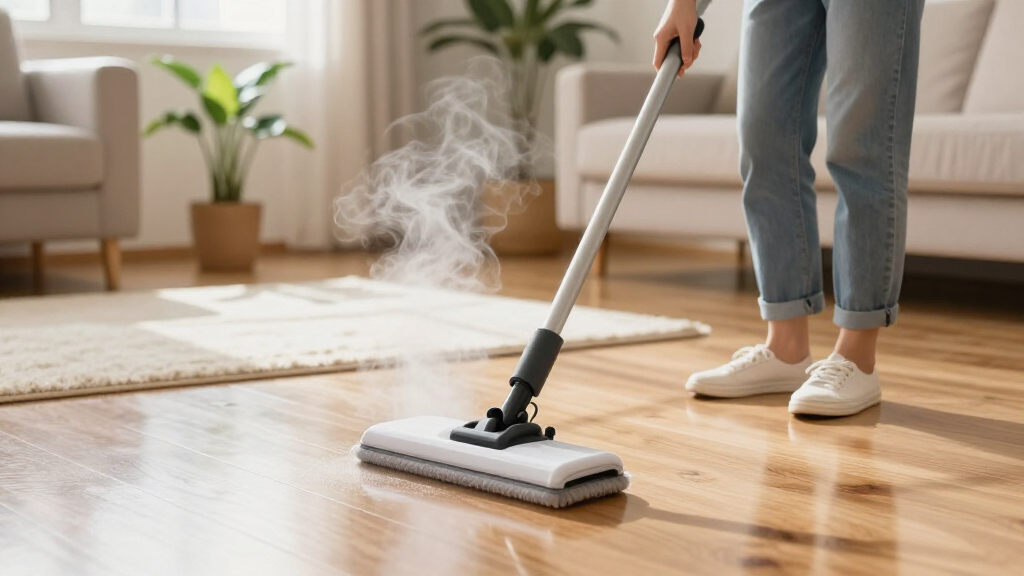
Steam cleaning can inactivate some viruses on floors if the surface reaches a sufficiently high temperature for enough time. However, quick passes or unvalidated machines won’t reliably disinfect. For true pathogen control, follow validated instructions or chemical disinfectants.
Imagine disinfecting your floors without harsh chemicals—just steam. It sounds promising, but does it actually kill viruses? The quick answer: steam can inactivate many viruses, but only if the surface gets hot enough for long enough. In real life, a quick pass with a steam mop probably won’t do the trick. You need the right temperature, contact time, and surface type.
Knowing how heat affects viruses and what factors influence steam cleaning’s effectiveness can save you time and keep your home safer. This guide will walk you through what really works, what doesn’t, and how to use steam safely on your floors.
Steam can inactivate some viruses if the surface reaches the right temperature for enough time, but household steam mops rarely do this reliably.
Effectiveness depends on surface temperature, contact time, and the type of virus—quick passes usually don’t cut it for disinfection.
Always follow manufacturer instructions and testing data for your equipment to achieve actual disinfection, not just cleaning.
Steam cleaning is safer for the environment and chemicals but isn’t a substitute for proven disinfectants when pathogen control is critical.
Proper surface prep, testing, and technique are key—don’t assume your steam mop disinfects automatically.
Does Steam Cleaning Kill Viruses on Floors?
Steam can inactivate many viruses—but only if the surface gets hot enough for long enough. A quick pass with an ordinary steam mop usually cleans, but rarely disinfects. Temperature, contact time, and surface type decide the outcome.
Research suggests surfaces need roughly 60°C (140°F) sustained for at least a minute to inactivate viruses like SARS-CoV-2.
Boiler heat drops fast as steam travels. Most household mops never maintain disinfecting temperatures on the floor itself.
Steam reduces microbes without conventional disinfectant chemicals—ideal where sensitivities are a concern.
Yes—But Only Under the Right Conditions
Heat damages viral proteins and genetic material, preventing infection. Enveloped viruses like influenza and SARS-CoV-2 are relatively heat-sensitive; hardy non-enveloped viruses like norovirus resist heat far better. Scientists say viruses are “inactivated,” not killed—and the conditions matter more than the machine.
Surface Temperature
The nozzle may be hot, but heat drops quickly in transit. It’s the temperature on the floor that counts—and cold or dusty floors transfer heat poorly.
Contact Time
The virus must stay exposed to heat for the tested duration—seconds to minutes depending on the organism. Fast passes clean without disinfecting.
Virus Type & Soil
Enveloped viruses fall to heat more easily than norovirus. Dirt and organic matter shield microbes—visibly dirty floors should be cleaned first.
Technique
Distance, movement speed, pressure, attachment type, and pad condition all change how much heat actually reaches the surface.
Floor Material
Smooth, nonporous, sealed surfaces treat consistently. Grout, cracks, unfinished wood, and carpet make reliable inactivation difficult.
Equipment Validation
Trustworthy claims name the organism tested, surface type, temperature, contact time, and testing standard. No validated data, no disinfection claim.
Nozzle Heat Is Not Floor Heat
Water produces steam at ~100°C (212°F), and pressurized boilers run hotter—but the floor itself rarely reaches those temperatures. There is no universal rule like “steam for ten seconds kills every virus.”
Cleaning vs. Sanitizing vs. Disinfecting
Most steam cleaning performs well at cleaning and some sanitizing—but not all steam mops are tested or proven to disinfect. Know which level you’re actually achieving.
| Level | What It Does | Typical Steam Mop | When You Need It |
|---|---|---|---|
| Cleaning | Removes dirt and debris; reduces germs by physical removal | ✓ Reliable | Everyday routine floor care |
| Sanitizing | Lowers microorganisms to a specified safe level | ~ Sometimes | General risk reduction in homes |
| Disinfecting | Inactivates specified pathogens under defined test conditions | ✗ Rarely proven | Illness in the home, likely contamination |
| Sterilizing | Eliminates all microbial life | ✗ Not realistic | Clinical settings only — not household floors |
Which Floors Are Steam-Safe — and Which Aren’t
Steam works best on sealed, nonporous surfaces. Always confirm manufacturer approval and test in a hidden spot first.
✓ Generally Suitable
Sealed, nonporous surfaces: glazed ceramic and porcelain tile. Heat transfers efficiently on smooth, clean surfaces—but verify the flooring manufacturer approves steam.
⚠ Use Caution or Avoid
Unsealed or waxed wood · engineered and laminate flooring · luxury vinyl tile and planks · sealed natural stone · floors with loose joints or damage. Excess heat can warp, discolor, or delaminate.
How to Use a Steam Mop Safely & Effectively
Proper prep and technique determine whether you’re actually reducing pathogens—or just moving dirt around.
Vacuum or Sweep
Remove loose dirt and debris that could shield microbes from heat.
Pre-Clean Soil
Treat heavy soil and spills before steaming—dirt insulates viruses.
Check Compatibility
Confirm your floor type is steam-approved by both manufacturers.
Clean Water Only
Fill with fresh water—no additives unless explicitly approved.
Move Slowly
Use the recommended attachment; hold steam in one spot when needed.
Rotate Pads
Change or wash pads frequently to avoid spreading contamination.
Dry & Ventilate
Let the floor dry fully. Avoid steering steam at outlets, pets, or people.
What the Evidence Says
Pandemic-era research confirmed heat inactivates coronaviruses under lab conditions—but lab findings don’t prove every consumer steam mop performs the same at home. Public-health guidance emphasizes respiratory viruses spread predominantly through the air; contaminated surfaces play a smaller role. Routine cleaning suffices for most homes.
The Bottom Line
- Steam reduces microbes without chemicals and leaves little residue
- Effectiveness varies widely between machines and techniques
- Fast passes rarely deliver enough heat or contact time
- Steam doesn’t address airborne viruses at all
- For critical pathogen control, use validated instructions or approved disinfectants
Can Steam Really Kill Viruses? Here’s the Short Answer
Yes, steam can inactivate many viruses when the surface reaches a high enough temperature and stays there long enough. But that’s the key—not all steam cleaning is created equal. A quick pass might loosen dirt but won’t necessarily disinfect.
Viruses are damaged by heat, which breaks their proteins and genetic material. Enveloped viruses, like the flu or COVID-19, tend to be more heat-sensitive than hardy non-enveloped viruses like norovirus. So, if you’re aiming for disinfection, you need the right conditions.
As an affiliate, we earn on qualifying purchases.
What Makes Steam Disinfection Work — and What Doesn’t
It’s all about how hot the surface gets and how long it stays that way. When you run a steam mop, the nozzle may be hot, but by the time steam hits your floor, heat drops quickly. If the surface doesn’t reach the needed temperature, viruses survive.
According to experts, the critical factors are:
- Surface temperature: The heat on the floor must be high enough to damage viruses.
- Contact time: The virus needs to be exposed to heat for a specific duration—usually seconds to minutes, depending on the virus.
- Steam output and technique: How close you get, speed of movement, and attachment type matter.
- Type of virus: Some resist heat better than others.
- Soil and debris: Dirt can shield microbes, making inactivation harder.
Understanding these factors is crucial because they determine whether your steam cleaning process can effectively inactivate viruses. For example, a clean, smooth tile surface allows heat to transfer more efficiently, increasing the likelihood of virus inactivation. Conversely, dirt and grime can insulate microbes, making it harder for heat to reach the necessary levels. Recognizing these tradeoffs helps you decide when steam cleaning is sufficient and when additional disinfection methods are necessary.
high temperature steam cleaner for viruses
As an affiliate, we earn on qualifying purchases.
As an affiliate, we earn on qualifying purchases.
Why Temperature Isn’t the Whole Story
Water boils at 100°C (212°F), and steam can be hotter inside the machine, but the floor itself rarely reaches those temps. It’s the surface temperature that counts. If your floor is cold or dusty, heat transfer drops, and viruses survive.
Research shows that to inactivate viruses like SARS-CoV-2, the surface needs to stay heated for a certain period—often around 60°C (140°F) for at least a minute. Most household steam mops don’t reliably reach or maintain those temperatures on the floor.
So, don’t assume that just because your machine is steaming, your floors are disinfected. Follow validated instructions for proper contact time and temperature.
As an affiliate, we earn on qualifying purchases.
Cleaning, Sanitizing, Disinfecting — What’s the Difference?
Cleaning is removing dirt and debris. Sanitizing reduces germs to safe levels. Disinfecting actually inactivates specific pathogens—like viruses—under strict conditions. Think of cleaning as sweeping away visible mess, while disinfecting is about killing germs.
Most steam cleaning is good for cleaning and some sanitizing, but not all steam mops are tested or proven to disinfect. Without validated instructions, you’re mostly just cleaning, not disinfecting.
If you need to kill a particular virus—say, during illness—you’ll want a product or process that’s been tested and labeled for that purpose.
chemical-free floor disinfectant steam mop
As an affiliate, we earn on qualifying purchases.
As an affiliate, we earn on qualifying purchases.
What Recent Research and Public Guidance Say About Steam and Viruses
During the COVID-19 pandemic, studies confirmed that heat can inactivate coronaviruses under lab conditions. But real-world results depend on equipment, technique, and surface type. A machine that’s not validated may not reach the necessary temperature or contact time.
Public health guidance emphasizes that surface transmission is less common than airborne spread. Routine cleaning suffices for most homes, and targeted disinfection is mainly for when someone is sick or contamination is likely.
Steam offers a chemical-free way to reduce microbes, but it’s not a guaranteed virus-killer unless the process is validated. Always follow manufacturer instructions and consider using approved disinfectants for critical situations.
The Pros and Cons of Steam Cleaning for Virus Control
Steam has its advantages: it reduces microbes without chemicals, loosens dirt, and leaves minimal residue. It can reach seams and textured areas with special attachments. Plus, it’s a safer choice for chemical sensitivities.
But there are limits. The effectiveness varies among machines. Fast passes may not deliver enough heat or contact time. Pads can trap contamination if reused. Excess heat can warp wood or damage delicate surfaces. And, steam doesn’t address airborne viruses.
Understanding these tradeoffs is important because it helps you evaluate whether steam cleaning meets your disinfection needs or if supplementary methods are necessary. For example, while steam can be effective on certain surfaces, relying solely on it might leave gaps in your virus control strategy, especially if equipment isn’t validated or used improperly.
Which Floors Are Safe for Steam — and Which Aren’t
Steam works best on sealed, nonporous surfaces like glazed ceramic or porcelain tiles. Even then, check if the manufacturer approves of steam cleaning. Always test in a hidden spot first.
Be cautious with:
- Unsealed or waxed wood
- Engineered or laminate flooring
- Luxury vinyl tiles or planks
- Natural stone with sealants
- Floors with loose joints or damage
Always consult your flooring manufacturer’s instructions and your steam cleaner’s guidelines to avoid warping, discoloration, or damage.
How to Use Steam Mops Safely and Effectively on Floors
- Vacuum or sweep to remove loose dirt and debris.
- Pre-clean heavy soil or spills.
- Confirm your floor’s compatibility with steam—check manufacturer guidance.
- Fill the steam mop with clean water—no additives unless approved.
- Use the recommended attachment and move slowly, holding steam in one spot if needed.
- Avoid directing steam at electrical outlets, pets, or people.
- Change or wash pads frequently to prevent spreading contamination.
- Let the floor dry fully and ventilate the room.
If disinfection is your goal, follow the machine’s validated instructions or consider approved chemical disinfectants. Never rely solely on steam for pathogen-specific killing unless explicitly tested.
Frequently Asked Questions
Does a steam mop kill COVID-19 on floors?
Steam can inactivate the virus if the surface reaches the necessary temperature for the right amount of time. However, most household steam mops aren’t validated for that purpose. Use validated methods or disinfectants when in doubt, and always follow manufacturer instructions.
What temperature kills viruses?
There’s no single temperature that kills all viruses instantly. Effectiveness depends on the virus type, contact time, and surface. For example, SARS-CoV-2 can be inactivated at temperatures above 60°C (140°F) for at least a minute, but your floor must actually reach and maintain that temp.
How slowly should I move a steam mop?
Follow the manufacturer’s guidance. Generally, moving slowly enough to keep steam in contact with the surface for the required time—usually a few seconds to a minute—is best. Too fast, and the heat won’t penetrate; too slow, and you risk damaging delicate floors.
Can steam kill norovirus?
Norovirus is resistant to some forms of heat, but under validated conditions, steam can inactivate it. However, routine steam mopping isn’t enough on its own. Follow public health guidance and use specific disinfectants for norovirus contamination.
Is steam better than disinfectant?
Steam avoids chemical residues and can loosen grime, but it’s harder to validate for pathogen kill. Disinfectants have clear labels and proven efficacy but may leave residues. Use each tool appropriately—steam for cleaning, disinfectants for specific germ control when validated.
Conclusion
Steam cleaning offers a chemical-free way to reduce surface germs, but it’s not a magic wand for viruses. You need the right temperature, contact time, and validated process—something most household units don’t guarantee. When disinfection matters, combine thorough cleaning with proven disinfectants or validated steam methods.
Think of steam as a helpful tool, not a silver bullet. Use it wisely, follow instructions, and don’t expect miracles from quick passes. Keep your floors safe, but remember that the air around you plays a bigger role than surfaces alone.
College move-in / dorm season Picks
dorm essentials
As an affiliate, we earn on qualifying purchases.