TL;DR

Get cleaning gear delivered free with Prime
- Fast, free delivery on millions of items
- Prime Video, Amazon Music and more included
- Member-only deals all year
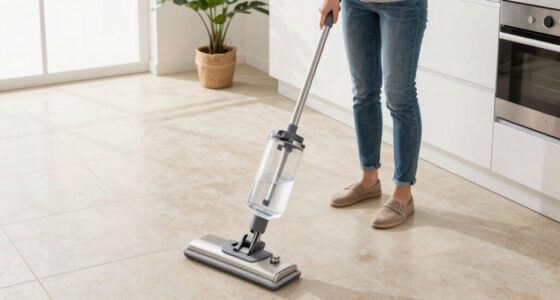
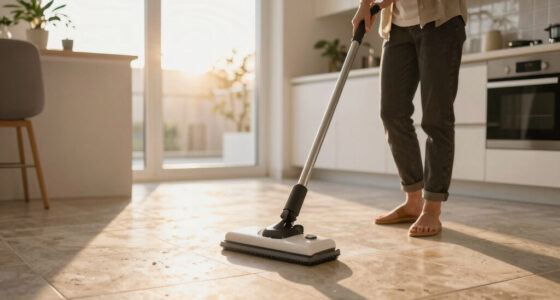
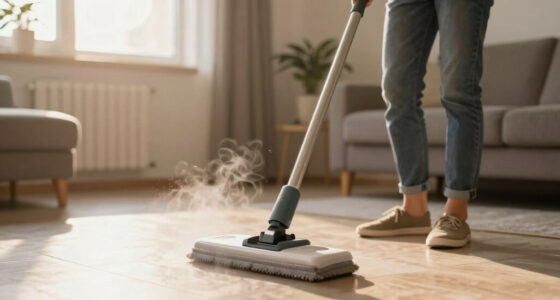
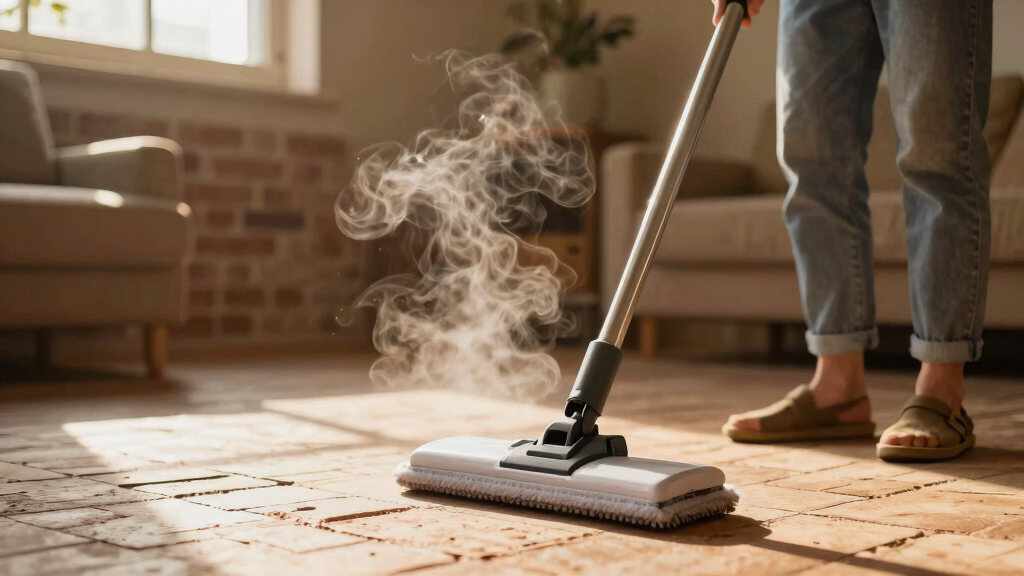
You can steam mop brick floors indoors if they are sealed. Use low steam settings, test a small area first, and avoid prolonged sessions. Proper sealing is key to preventing moisture damage.
Brick floors bring a rustic charm, but their porous nature makes cleaning tricky. You might wonder if a steam mop — that hot, vaporizing tool — is a safe choice for your indoor brick surfaces. The answer is: it depends.
In this guide, you’ll learn whether steam cleaning brick floors is safe, how to do it without risking damage, and what precautions to take. Let’s break down the essentials so your floors stay beautiful and durable.
Sealed brick floors are usually safe for steam mopping if you use low steam settings.
Always perform a water bead test before steaming to check if your brick is sealed.
Limit steaming sessions to 5-10 minutes per area and avoid frequent use.
Never use high-pressure steam on unsealed brick — moisture can cause cracking or mold.
Follow manufacturer instructions for both your brick flooring and steam mop for best results.
Is Steam Mopping Brick Floors Safe? Here’s the Quick Answer
Steam mopping brick floors can be safe if your brick is sealed properly. Unsealed brick, however, is porous and can absorb moisture, leading to potential damage. Sealed surfaces resist water penetration, making steam cleaning a viable option.
Imagine trying to clean a sponge versus a ceramic tile — sealed brick acts more like a glazed tile, while unsealed brick is more like a sponge. The key is knowing your brick’s condition before steaming.
As an affiliate, we earn on qualifying purchases.
How to Tell If Your Brick Floor Is Sealed Before Steaming
- Sprinkle a few drops of water on the brick surface.
- Watch how the water behaves — if it beads up, the brick is likely sealed.
- If water soaks in quickly, your brick is probably unsealed or poorly sealed.
This simple test helps you decide if steam mopping is a safe choice. Sealed brick prevents water from penetrating the surface, reducing the risk of damage. Conversely, unsealed brick’s porosity means moisture can seep in, leading to issues like spalling, mold, or efflorescence over time. Recognizing the sealant status is crucial because it directly impacts the tradeoff between cleanliness and potential damage. Proper sealing acts as a barrier, but if your brick isn’t sealed or is compromised, using steam can cause long-term harm that might not be immediately visible, such as subtle cracks or mold growth beneath the surface. Therefore, this quick test isn’t just about safety; it’s about understanding your floor’s resilience and making an informed cleaning choice.
best steam mop for indoor brick surfaces
As an affiliate, we earn on qualifying purchases.
As an affiliate, we earn on qualifying purchases.
Best Practices for Steam Mopping Sealed Brick Floors
- Use the lowest steam setting to limit moisture exposure. High steam levels can force water into tiny pores or cracks, risking damage or discoloration. Low settings help control the amount of moisture, allowing you to clean without overwhelming the surface.
- Limit your steaming session to 5-10 minutes per area. Extended exposure increases the chance of moisture seeping into unsealed or compromised areas, which can lead to long-term issues like efflorescence or deterioration of the brick’s surface.
- Test a small hidden spot first to check for adverse reactions. Even sealed bricks can have variations; testing ensures you don’t inadvertently cause damage, such as discoloration or surface softening. Observe the area for a few hours afterward to confirm no negative effects.
- Always follow your steam mop’s manufacturer instructions. Different models have varying capabilities and safety features. Proper usage minimizes risk and prolongs the life of both your appliance and your brick surface.
For example, if you notice the brick darkening, becoming sticky, or if the surface appears to soften, stop immediately. These are signs that moisture is penetrating or damaging the surface. Adjust your technique by reducing steam intensity or switching to a damp cloth. Remember, frequent steaming isn’t necessary; occasional, careful cleaning with proper technique can maintain your brick’s beauty without risking damage.
As an affiliate, we earn on qualifying purchases.
Comparing Steam Cleaning vs. Traditional Methods for Brick Floors
| Method | Suitability for Sealed Brick | Pros | Cons |
|---|---|---|---|
| Steam Mopping | Yes, if sealed | Deep cleaning, kills germs, quick | Moisture risk on unsealed brick, needs caution |
| Damp Mopping | Yes | Gentle, safe, easy to control moisture | Less effective against bacteria and grime |
| Vacuum & Sweeping | Always | Prevents dirt buildup, no moisture involved | Doesn’t sanitize or remove stains effectively |
Choosing the right cleaning method depends on your brick’s condition and your cleaning goals. For sealed brick surfaces, steam mopping can provide a deep clean and disinfectant benefits, but it’s essential to weigh the moisture risk. Traditional methods like damp mopping or sweeping may be safer for unsealed or older bricks, although they might not achieve the same level of sanitation or stain removal. Understanding the tradeoffs helps you select the best approach for your specific situation, balancing cleanliness with preservation.
As an affiliate, we earn on qualifying purchases.
Common Mistakes to Avoid When Steam Mopping Brick Floors
- Using high steam pressure on unsealed brick — risk of cracking or spalling. Excessive moisture can penetrate tiny cracks or porous surfaces, causing the brick to flake or crack over time. This is especially problematic for older or compromised bricks that lack a proper seal.
- Steaming for too long — moisture can seep in and cause mold or damage. Extended exposure increases the likelihood of water infiltrating beneath the surface, which can lead to efflorescence or internal deterioration, especially if the brick isn’t sealed properly.
- Ignoring the manufacturer’s guidelines — some steam mops aren’t designed for porous surfaces. Using inappropriate settings or attachments can cause uneven cleaning or damage the brick’s surface, undermining its integrity over time.
- Skipping the water test — a simple step that can save your floor’s lifespan. Not checking the sealant status means risking moisture intrusion that could have been prevented, leading to costly repairs or replacements later.
For example, a homeowner once used a high-pressure steam cleaner on their unsealed brick patio. The surface darkened and cracked within months. Always match your technique to your brick’s sealant status, and don’t assume all steam cleaners are appropriate for porous surfaces. Proper caution and understanding can prevent costly mistakes and preserve your brick’s beauty and structural integrity for years to come.
How Often Can You Safely Steam Clean Brick Floors?
Most experts suggest limiting steam cleaning to once or twice a year for brick floors. More frequent use increases the risk of moisture getting trapped beneath unsealed surfaces, which can lead to efflorescence, mold, and long-term damage. If your brick is sealed, you might perform steam cleaning more often, but always monitor the condition afterward.
For example, in a busy kitchen with brick flooring, seasonal deep cleaning combined with regular sweeping and spot cleaning helps maintain appearance and hygiene without exposing the brick to excessive moisture. Constant or aggressive cleaning methods on unsealed brick can accelerate deterioration, so understanding the balance is key. Always observe your brick’s response—if you notice discoloration, softening, or efflorescence, reduce cleaning frequency or switch to gentler methods.
In essence, moderation and attentiveness to your specific brick type are vital for longevity. Regular inspection and cautious cleaning ensure your brick floors remain beautiful and structurally sound over the years.
Frequently Asked Questions
Can I steam mop unsealed brick floors safely?
No. Unsealed brick is porous and will absorb moisture, risking damage like cracking or mold. It’s best to avoid steam cleaning unsealed brick or to seal the floor first.
How do I know if my brick floor needs sealing before steaming?
Perform a water test: sprinkle a few drops on the brick. If the water beads up, it’s sealed. If it soaks in quickly, sealing is recommended before steam cleaning.
What are safer ways to clean brick floors without steam?
Regular sweeping or vacuuming, followed by damp mopping with a pH-neutral cleaner, is safest. Avoid excessive moisture to prevent damage.
Is there a special steam mop for brick floors?
Look for a steam mop with adjustable steam levels and attachments suitable for textured surfaces. Avoid high-pressure steam cleaners unless explicitly designed for porous surfaces.
How often should I steam clean my brick floors?
Once or twice a year is usually enough, depending on foot traffic and dirt buildup. Overdoing it can lead to moisture issues on unsealed brick.
Conclusion
Steam mopping brick floors indoors can be safe if you know what to look for and follow proper steps. Remember, sealing your brick makes all the difference — it’s like giving your floor a protective shield against moisture.
Before reaching for the steam mop, test, set low, and keep it brief. Your brick floor will thank you with years of beauty and durability. Now, step confidently — your floors are in good hands.
Halloween Picks
halloween
As an affiliate, we earn on qualifying purchases.