TL;DR

Get cleaning gear delivered free — and shop member deals
- Fast, free delivery on millions of items
- Access to Prime Big Deal Days deals on October 6–7
- Prime Video, Amazon Music and more included
Steam cleaning quartzite or quartz floors is generally unsafe because the heat and moisture can cause damage. Use gentle, damp mopping with pH-neutral cleaners instead to protect your floors’ beauty and durability.
If you love the shine of your quartz or quartzite floors, you probably want to keep them spotless. But can you reach for that trusty steam mop, or does it risk damaging your beautiful surfaces? The quick answer is: usually, no. Steam mops seem harmless—hot steam, right?—but surfaces like quartzite and engineered quartz aren’t built for that kind of treatment. Knowing what works and what doesn’t can help you avoid costly repairs or dull, stained floors.
In this guide, you’ll learn why steam cleaning is often a bad idea for these surfaces, the safer cleaning methods you should use instead, and what to watch out for if you’re tempted to try it. Protect your investment by understanding the science behind your floors and sticking to gentle, effective cleaning routines.
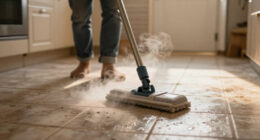
Steam mops pose a significant risk to both natural quartzite and engineered quartz floors, mainly due to water infiltration and heat damage.
Always check your flooring manufacturer’s guidelines before using any cleaning device, especially steam cleaners.
Gentle, pH-neutral damp mopping is the safest, most effective way to maintain these surfaces long-term.
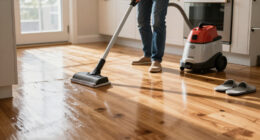
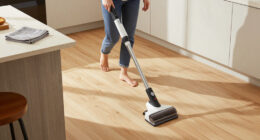
Regular sweeping or vacuuming helps prevent scratches and buildup, reducing the need for deep cleaning.
If stains or dirt seem stubborn, opt for stone-safe cleaners and avoid abrasive tools.
Why Steam Mops Are Usually a Bad Idea for Quartzite and Quartz
Steam mops use hot, high-pressure vapor to loosen dirt, but this can backfire on quartzite and quartz floors. Quartzite, a natural stone, is porous—like a sponge—so water seeping in can cause staining or even cracks over time. Engineered quartz, made from crushed quartz and resin, is sensitive to heat and moisture. The resin binder can soften or degrade when exposed to high temperatures.
Imagine splashing boiling water onto a delicate fabric or a sealed jar. That’s similar to what steam can do to these surfaces. The moisture can break down the sealant or penetrate the surface, leading to discoloration, warping, or dullness. Many manufacturers explicitly advise against steam cleaning for these materials, emphasizing gentle, dry cleaning instead.
Beyond immediate damage, frequent exposure to steam can accelerate deterioration. Porous quartzite is particularly vulnerable because water can seep into tiny pores, trapping moisture that promotes staining and structural weakening over time. For engineered quartz, the heat can cause the resin to soften or crack, resulting in surface dullness, loss of shine, or even bubbling. These consequences are often irreversible, meaning you might face costly repairs or replacements if you ignore warnings. A real-world example is a homeowner who used a steam mop on their quartzite countertop; within weeks, they noticed cloudy patches and slight warping, illustrating how even infrequent steam cleaning can have long-term negative effects.
As an affiliate, we earn on qualifying purchases.
How to Clean Quartzite and Quartz Floors Without Steaming
- Start with dry sweeping or vacuuming. Remove loose dirt, dust, and debris—especially gritty particles that can scratch surfaces. This reduces the need for more aggressive cleaning and minimizes the risk of scratching or dulling the surface finish.
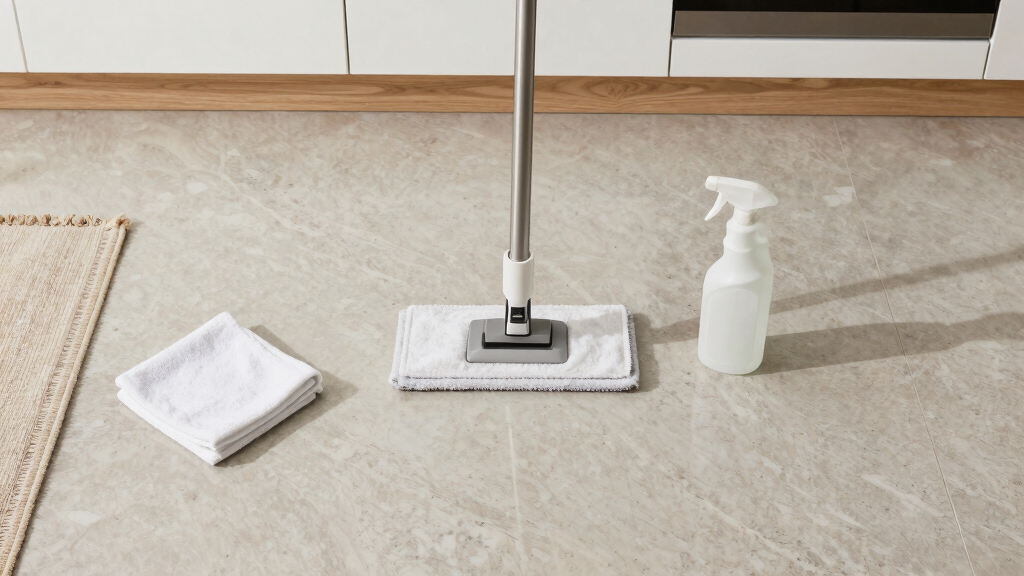
- Use a damp mop with a pH-neutral cleaner. This gentle approach helps lift dirt without risking chemical reactions or moisture damage. Avoid harsh chemicals or acidic solutions that can degrade the sealant or surface layer, leading to dullness or staining.
- Wring out your mop thoroughly. The goal is to clean with just enough moisture to pick up dirt, not to soak the surface. Excess water can seep into porous quartzite or weaken resin in engineered quartz, so controlling moisture is key.
- For stains, apply a gentle stone-safe cleaner directly on the spot. Let it sit briefly to loosen dirt, then wipe with a soft cloth or mop. This targeted approach prevents unnecessary exposure to moisture and chemicals across the entire surface.
- Rinse your mop regularly during cleaning. This prevents dirt and residues from spreading, which could scratch or dull the surface with abrasive particles.
For instance, a homeowner with quartz kitchen counters swears by damp microfiber cloths and mild soap. They avoid excessive water and harsh scrubbing, which helps preserve the resin and surface clarity over years. Regular maintenance like this not only keeps floors shiny but also extends their lifespan, avoiding costly restorations or replacements caused by neglect or improper cleaning methods.
gentle damp mop for quartzite floors
As an affiliate, we earn on qualifying purchases.
As an affiliate, we earn on qualifying purchases.
Compare: Steam Cleaning vs. Gentle Cleaning for Quartz Surfaces
| Feature | Steam Cleaning | Gentle Damp Mopping |
|---|---|---|
| Suitability | Not recommended; risks include damage and staining | Highly recommended; safe and effective for regular maintenance |
| Water Use | High, with potential infiltration into porous surfaces or resin | Controlled, minimal moisture to prevent seepage |
| Heat Exposure | High temperatures can soften resin or cause microcracks in stone | Low, safe temperatures that do not compromise surface integrity |
| Cleaning Effectiveness | Good for deep cleaning or stubborn grime but risky | Effective for routine dirt, spills, and light stains |
| Manufacturer Advice | Often discouraged or warned against in guidelines | Generally encouraged when using appropriate, gentle products |
In this comparison, it’s evident that gentle cleaning methods are the safer, more reliable choice for preserving the beauty and longevity of quartz and quartzite floors. While steam may seem quick and effective, the long-term risks and potential for irreversible damage outweigh the immediate convenience.
stone-safe cleaning spray for quartz
As an affiliate, we earn on qualifying purchases.
As an affiliate, we earn on qualifying purchases.
What Happens If You Use a Steam Mop Anyway? Real Risks and Examples
If you ignore the warnings, your quartzite or quartz floor could suffer immediate or long-term damage that might not be apparent right away. Water seeping into porous quartzite can cause persistent stains, discoloration, or even structural weakening if moisture gets trapped in tiny pores that expand over time. The heat from steam can soften or crack the resin in engineered quartz, leading to dull patches, bubbling, or loose tiles, which may require costly repairs or replacements.
One homeowner reported their quartz countertop developing cloudy spots after repeated steam cleanings, which compromised the surface’s clarity and shine. In another case, a kitchen floor warped slightly after frequent steam exposure, illustrating how heat and moisture can accelerate deterioration. These stories highlight that even occasional misuse can lead to cumulative damage, and the repair costs can far exceed the savings of using a steam mop.
Think of steam as a powerful tool — effective in certain contexts like steam rooms or cleaning appliances — but dangerous for delicate surfaces. The long-term implications of damage include not only aesthetic issues but also potential weakening of the material’s structure, which can compromise safety and functionality. So, it’s best to avoid steam mops altogether unless explicitly approved by your manufacturer.
vacuum cleaner for quartzite floors
As an affiliate, we earn on qualifying purchases.
As an affiliate, we earn on qualifying purchases.
How Often Should You Clean Quartzite or Quartz Floors? Best Practices
Quartzite and quartz floors don’t need daily steam cleaning. Instead, aim for regular sweeping or vacuuming once a week to remove grit and dust. Damp mopping with a soft cloth and pH-neutral cleaner once every two weeks keeps surfaces shining and minimizes the risk of buildup or damage. This routine helps maintain the sealant and prevents dirt from embedding into porous surfaces or scratching resin layers in engineered quartz.
For example, a busy family uses a microfiber mop with mild soap twice a week. They avoid harsh scrubbing or soaking, understanding that gentle, consistent care preserves both the appearance and structural integrity of their floors. Over time, this approach reduces the likelihood of stains, dullness, or cracks, which might occur from neglect or aggressive cleaning methods. Remember, the goal is to strike a balance: regular, gentle cleaning that respects the material’s limitations and preserves its beauty for years to come.
In essence, less frequent but thoughtful cleaning ensures your floors remain durable and attractive, saving you money and effort in the long run.
Frequently Asked Questions
Can I use a steam mop on quartzite or quartz floors?
Most likely not. Steam mops can introduce water and heat that harm porous quartzite or soften the resin in engineered quartz, risking stains, warping, or dullness. Always check your manufacturer’s advice before attempting steam cleaning.
What is the safest way to clean quartzite or quartz floors?
Use a soft mop with a pH-neutral cleaner, and avoid excessive water or harsh chemicals. Regular sweeping or vacuuming followed by damp mopping keeps your floors bright and protected.
Will steam cleaning damage my quartz or quartzite flooring?
Yes, especially if the surface isn’t sealed properly or is porous. The high heat and moisture can cause staining, warping, or resin breakdown, leading to costly repairs.
Are there exceptions where steam cleaning is safe?
Only if your flooring manufacturer explicitly states that steam cleaning is safe for your specific product. Even then, use a steam cleaner with adjustable settings designed for delicate surfaces.
How often should I clean my quartz or quartzite floors?
Typically, once a week or as needed. Regular sweeping and occasional damp mopping with gentle products will preserve their beauty without risking damage.
Conclusion
Think of your quartz and quartzite floors as delicate works of art—best cared for with gentle hands. Steer clear of steam mops unless your manufacturer explicitly approves. Instead, embrace routine, careful cleaning to keep that shine without risking damage.
Your floors are an investment—treat them with respect, and they’ll reward you with years of beauty and durability. Remember, gentle always beats aggressive when it comes to natural and engineered stone surfaces.
Halloween Picks
halloween
As an affiliate, we earn on qualifying purchases.