TL;DR

Get cleaning gear delivered free — and shop member deals
- Fast, free delivery on millions of items
- Access to Prime Big Deal Days deals on October 6–7
- Prime Video, Amazon Music and more included
Cordless steam mops heat water in a built-in tank and use a battery to power the heater, but many products labeled cordless mops are spray mops that do not make steam. Before buying, check verified runtime, tank size, care instructions, and whether both the floor maker and mop maker approve steam for your exact floor. Sweep first, use only the water and settings allowed by the manual, and never assume steam is safe for wood, laminate, or vinyl.
A cordless mop can promise freedom from a trailing cable, but the word cordless does not tell you whether it actually makes steam. Plenty of battery-powered mops spray cleaner instead, and that difference changes how you use and maintain them.
This guide explains what cordless steam mops are, what to check before buying, and why floor compatibility matters more than a glossy product claim. You’ll also get a practical routine for using one safely, from sweeping grit off the floor to letting a freshly cleaned surface dry.
Steam can loosen grime, but it brings heat and moisture into the equation. Treat your flooring instructions as the rulebook—not a marketing promise—and test a hidden spot if the manufacturers approve steam for your floor.
Check that a cordless mop actually heats water; many battery-powered models spray cleaner instead of producing steam.
Use steam only when both the flooring maker and mop maker approve it for your exact floor and finish.
Compare runtime, charging and heat-up times, tank capacity, filled weight, pad costs, and current floor approvals.
Sweep or vacuum before steaming, use only manufacturer-approved water and additives, and keep the hot head away from people and pets.
Wash pads and follow the maker’s water and descaling instructions; steam does not automatically mean a floor is disinfected.
How to tell a real cordless steam mop from a spray mop
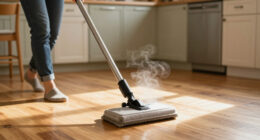
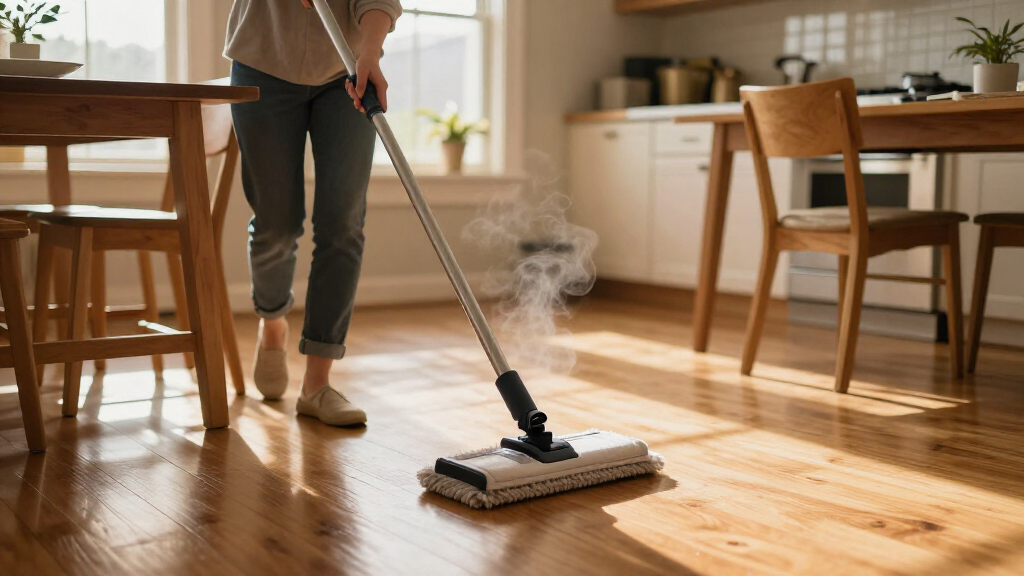
A cordless steam mop heats water in a built-in tank and uses a battery to power the heater; a cordless spray mop applies liquid from a bottle or reservoir without making steam. Check the product specifications for a water-heating feature, heat-up time, and steam settings rather than relying on the word “cordless.”
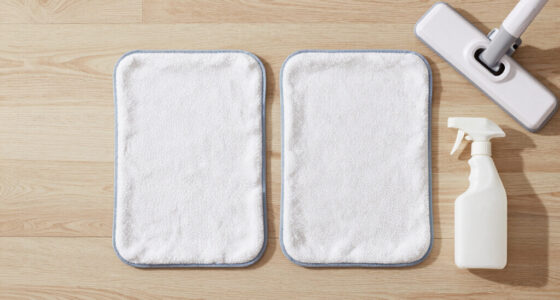
This category is still small compared with corded steam mops and battery-powered spray mops, so product names can blur the line. For example, a listing might show a rechargeable mop head and a small cleaner bottle: that points to spray cleaning, not steam, unless the maker clearly says the unit heats water. If you want steam, confirm that detail in the manual or official specifications before you compare prices.
The difference is a little like choosing between a kettle and a spray bottle: both hold liquid, but only one heats it. A true cordless model has to spend battery power on heating water as well as any other powered features, so runtime and recharge time deserve attention. Battery and performance figures are manufacturer estimates; settings, battery condition, and the floor you clean can change the result.
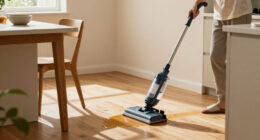
Some floor-care products combine vacuuming and mopping, but that does not mean they make steam. Treat every feature as a separate claim, and check whether the model heats water, vacuums, sprays, or does more than one of those jobs. That simple check can prevent you from buying a cordless spray mop when you wanted steam.
cordless steam mop for hard floors
As an affiliate, we earn on qualifying purchases.
As an affiliate, we earn on qualifying purchases.
Check these five details before you buy
Cordless steam mops for hard floors trade freedom from a cable for a battery-powered heating system, so compare the complete cleaning setup—not just the advertised runtime. Battery life, warm-up time, tank size, weight, and approved floor types affect whether the mop suits a quick kitchen spill or a whole-home clean.
Imagine cleaning an open kitchen and hallway in one go: a short runtime or a small tank may mean a pause to charge or refill before you finish. A large tank can reduce refill stops, but its extra water adds weight as you carry the mop upstairs. Manufacturer figures give you a starting point, not a guarantee for every setting or floor.
| What to check | Why it matters at home |
|---|---|
| Runtime and recharge time | Tell you how much you may clean per charge and how long you might wait between sessions. |
| Heat-up time and steam settings | Show how soon the mop is ready and whether you can adjust output. |
| Tank capacity and filled weight | Balance fewer refills against the effort of carrying and steering the mop. |
| Approved floor types | Help rule out use on finishes or seams the makers say to protect from steam. |
| Pad costs and care | Reveal the ongoing laundry, replacement, and maintenance work. |
Also check charging arrangements, storage stability, warranty terms, and the exact wording behind hygiene claims. A swivel head may help around chair legs, while a standing lock can make storage less awkward; these features vary by model. If a listing makes a broad promise but gives no clear instructions or supporting details, treat the promise cautiously.
As an affiliate, we earn on qualifying purchases.
Protect hardwood, laminate, and vinyl before steaming
Steam can damage some hard floors, particularly unsealed wood, waxed surfaces, and flooring with vulnerable seams or finishes. Use a cordless steam mop on a floor only when both the flooring maker and mop maker permit steam for that exact surface and finish; “sealed” by itself does not mean steam-safe.
Wood, laminate, and luxury vinyl plank can look sturdy while still reacting poorly to heat or moisture. Steam may get into a seam or affect a finish, and damage can show up as swelling, lifting, cloudy patches, or a change in sheen. For instance, if your laminate guide says to use a barely damp microfiber mop and avoid steam, follow that advice even if a mop advertisement lists laminate as a suitable surface.
Start with the care instructions for your flooring, then read the mop manual for restrictions. If both allow the method, test a hidden spot first and check it after it dries; one small trial cannot override a maker’s warning, but it can help reveal an obvious issue when steam use is approved. A hallway corner under a removable mat may be less visible than the middle of a sunlit room.
Do not treat “hard floor” as a universal steam-safe label. The finish, construction, seams, and manufacturer’s care directions matter as much as the surface name.
If you cannot confirm that steam is allowed, choose a damp microfiber mop or another floor-care method recommended by the flooring maker. The cautious option may take a little longer, but it is cheaper than repairing a buckled plank or damaged finish.
As an affiliate, we earn on qualifying purchases.
Use this simple routine for a cleaner, safer floor
To use a cordless steam mop well, remove loose dirt first, follow both manuals, and keep the hot mop head away from people and sensitive surfaces. Steam can loosen grime, but it does not replace sweeping or vacuuming; grit left under a pad can spread across the floor or scratch it.
- Check the floor and appliance instructions. Confirm steam is allowed for your exact flooring, choose the approved water, and skip any setting the maker advises against.
- Sweep or vacuum. Pick up hair, crumbs, and grit before you bring in moisture. A dog-hair tumbleweed beside the kitchen island is much easier to remove dry.
- Fill and heat the mop as directed. Do not add cleaner or essential oils unless the manufacturer explicitly allows them; additives can leave residue or harm the appliance.
- Work in controlled passes. Keep steam directed at the floor, move the mop as instructed, and avoid people, pets, electrical outlets, and unapproved surfaces.
- Finish with care. Let the surface dry before children or pets walk on it, then wash the pad and follow the manual’s storage and maintenance directions.
For example, before steaming an approved tile kitchen, pick up rice grains and a smear of dried sauce with a regular sweep, then use the mop according to its specified setting. Do not leave the hot head sitting on one patch while you answer the door. A mop pad collects the loosened soil, so a dirty pad can simply push grime into the next pass.
Hygiene claims also need careful reading. Heat may reduce some germs under specific conditions, but the result depends on temperature, contact time, and how the tool is used; a quick pass does not guarantee disinfection or sterilization. Use steam for cleaning as described by the maker, not as a substitute for a disinfectant process when one is needed.
floor steam cleaner approved for wood and laminate
As an affiliate, we earn on qualifying purchases.
As an affiliate, we earn on qualifying purchases.
Know the trade-offs in runtime, refills, and upkeep
Battery runtime, tank size, and mop weight work as a trade-off: longer sessions and fewer refills can come with a heavier appliance, while a lighter, smaller unit may need more stops. The best fit depends on your rooms, stairs, storage space, and patience for charging breaks.
Think about two homes. In a small apartment with one tile entry and a compact kitchen, a modest tank and shorter run may be enough. In a large home with several hard-floor rooms, a corded steam mop may suit longer sessions better, while a cordless model’s freedom from a cable may still help around furniture or in a tight room.
Check how the mop handles in real-life tasks: can you steer it around a dining chair, lift it into a cupboard, and leave it standing safely while you refill? Battery-powered heating components, water, and pads can make a steam model heavier than a simple spray mop. A removable battery, adjustable settings, washable pads, and compact storage may appear on some newer designs, but no single feature is universal.
After use, wash reusable pads as directed and replace them when worn; their lifespan and replacement cost depend on the product. Mineral buildup can also affect performance, especially where tap water is hard. Follow the manufacturer’s instructions for tap, distilled, or demineralized water and any descaling routine rather than guessing.
When you compare models, put current verified runtime, charging time, heat-up time, tank capacity, weight, floor approvals, pad costs, and warranty side by side. Specifications and product availability change, so check the current manual instead of trusting an old listing. A cordless steam mop makes sense when cable freedom matters enough to accept its particular limits.
Set realistic expectations for cleaning and hygiene
Steam can loosen some stuck-on grime, but it does not make every floor clean or germ-free with one pass. A mop pad still has to pick up loosened soil, and hygiene results depend on factors such as heat, contact time, and how the maker’s instructions are followed.
Picture dried muddy footprints by the back door. Sweep away the gritty bits first, then use an approved method on the remaining marks; pushing a wet pad over grit can spread it around like crumbs under a damp cloth. For a sticky patch, follow the mop instructions and do not assume that turning up the steam is safe for the floor.
Be specific when reading claims such as “sanitizes.” Ask what conditions the claim requires and whether the documentation explains temperature, contact time, and testing. Without those details, do not translate a broad marketing phrase into a guarantee that a normal quick pass disinfects the whole room.
Steam is not a shortcut around routine care, either. Sweep or vacuum first, use a clean pad, and let the floor dry before traffic returns. If the flooring maker recommends a different cleaner for a particular spill or finish, follow that advice rather than repeatedly applying steam.
Frequently Asked Questions
Are cordless steam mops really cordless?
Some are, but many products called cordless mops are battery-powered spray mops that do not make steam. Check the specifications for a built-in water heater, steam output, and runtime per charge.
Can I use a cordless steam mop on hardwood, laminate, or vinyl?
Only if both the flooring maker and mop maker approve steam for your exact floor and finish. Unsealed wood, waxed floors, and vulnerable seams can be damaged by heat or moisture, so do not treat “sealed” as automatic approval.
How long does the battery last?
Runtime varies by model, steam setting, battery condition, and cleaning conditions. Compare the manufacturer’s runtime with heat-up and recharge times, and treat advertised figures as estimates rather than a promise for every room.
Do cordless steam mops sanitize floors?
Heat may reduce some germs when used under specified conditions, but results depend on temperature, contact time, and technique. A normal pass does not guarantee disinfection or sterilization; check the evidence and exact conditions behind any hygiene claim.
Can I put floor cleaner or essential oils in the water tank?
Do not add cleaner or essential oils unless the manufacturer explicitly allows them. Additives can damage the appliance or leave residue, so follow the manual’s directions for water and tank care.
Should I sweep or vacuum before steaming?
Yes. Remove hair, crumbs, and grit first so the damp pad does not spread debris or drag abrasive particles across the floor.
Are cordless steam mops better than corded steam mops?
Neither is better for every home. Cordless models avoid a trailing cable, but may trade runtime, tank size, heating performance, or price; a corded model may suit longer cleaning sessions better.
Conclusion
Buy for the floor you have, not the freedom-from-a-cord promise. Confirm the mop really makes steam, verify that your flooring makers allow it, and compare the runtime, tank, weight, and upkeep against the rooms you clean.
When you do use one, sweep first and follow the manuals. A clean floor should feel smooth underfoot—not come at the cost of a damaged finish.
Fall Picks
fall essentials
As an affiliate, we earn on qualifying purchases.