TL;DR

Get cleaning gear delivered free with Prime
- Fast, free delivery on millions of items
- Prime Video, Amazon Music and more included
- Member-only deals all year
Steam mops are designed mainly for quick, floor-focused cleaning, with lightweight and simple operation. Steam cleaners are more versatile, capable of tackling floors, upholstery, and surfaces with various attachments. Knowing their differences ensures you choose the right device for your cleaning needs.
Steam mops are ideal for quick, floor-focused cleaning—lightweight with simple operation.
Steam cleaners offer versatility, with attachments to tackle floors, upholstery, and more, plus larger tanks for longer use.
Always check surface compatibility and manufacturer instructions before using steam on delicate or unsealed surfaces.
Regular maintenance, including descaling, prolongs device lifespan and maintains cleaning power.
New tech like cordless models and smart controls make steam devices easier and more adaptable than ever.
What Are Steam Mops and Steam Cleaners? Here’s the Quick Breakdown
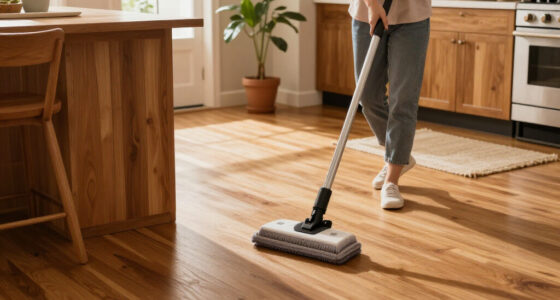
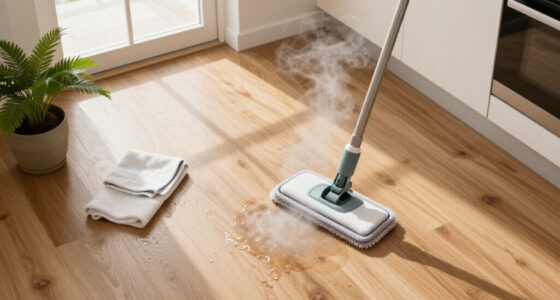
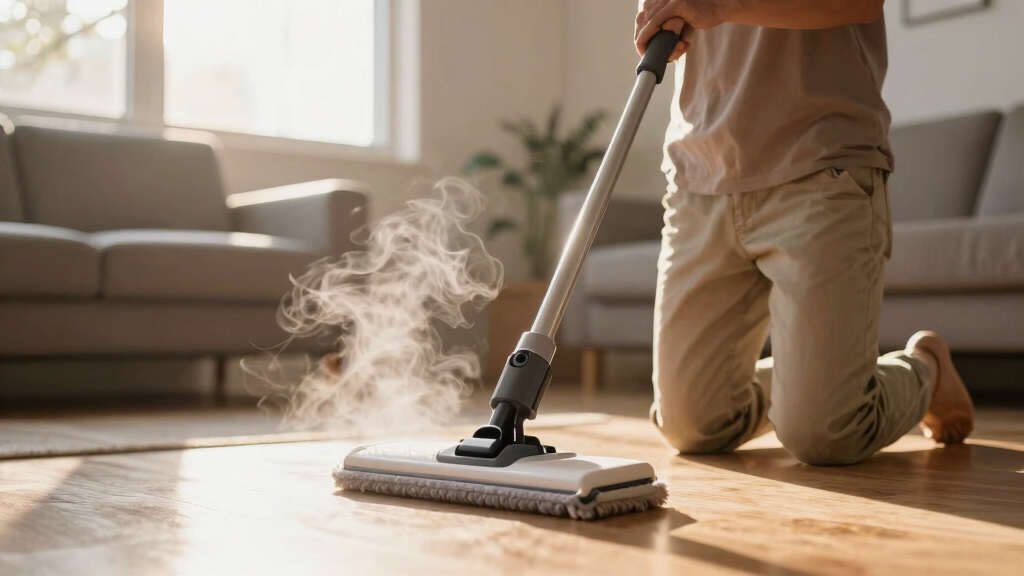
Steam mops are lightweight, upright devices with a flat, mop-like head, designed mainly for quick, effective floor cleaning. They’re perfect for sealed hardwood, vinyl, or tile—quick to glide across surfaces with a warm, sanitized touch. Think of them as the fast-food of cleaning tools: simple, effective, and focused.
Steam cleaners, on the other hand, are more like Swiss Army knives. They come with multiple attachments—brushes, nozzles, cloths—that let you tackle everything from grout lines to upholstery. They’re larger, often with bigger water tanks, and can switch between surfaces with ease. If you want one device that can handle floors, windows, and even your car interior, a steam cleaner is your go-to.
As an affiliate, we earn on qualifying purchases.
Design and Structure: What Makes Each One Unique?
A steam mop looks like a lightweight broom with a water tank and a cloth or pad underneath. It’s designed to be easy to maneuver, especially on flat surfaces. You’ll usually find a simple handle, a small water reservoir—around 200-400 ml—and a cord or cordless option.
Steam cleaners are more complex in shape. They can be handheld, like a spray bottle on steroids, or larger units with multiple attachments stored on a caddy. Larger tanks—up to 1 liter or more—allow for longer cleaning without refilling. The design focuses on versatility, with parts that click on and off for different surfaces.
multi-surface steam cleaner with attachments
As an affiliate, we earn on qualifying purchases.
As an affiliate, we earn on qualifying purchases.
Use Cases: When and Why You’d Pick Each
If your main goal is to quickly clean your kitchen or bathroom floors, a steam mop is the easiest choice. Its design makes it a breeze to glide over large areas, removing dirt and germs efficiently. Imagine a busy morning—grab your steam mop, and you’re done in 10 minutes.
Need to clean grout lines, stubborn stains on upholstery, or kitchen appliances? A steam cleaner’s versatility shines here. Its attachments let you scrub grout, refresh your sofa, or even clean your car’s interior. It’s like having multiple tools in one machine.
cordless steam cleaner for upholstery
As an affiliate, we earn on qualifying purchases.
As an affiliate, we earn on qualifying purchases.
Water Tanks and Run Time: Which One Lasts Longer?
Steam mops usually have smaller tanks—around 200-400 ml—meaning quick cleaning sessions before a refill. This limits their effectiveness for larger projects, requiring frequent pauses and refills, which can interrupt workflow. If you prioritize speed and convenience for routine cleaning, this tradeoff is acceptable, but for extensive jobs, it can become tedious.
Steam cleaners often feature larger tanks—up to 1 liter or more—allowing for longer, uninterrupted cleaning sessions. This capacity means you can cover more ground—such as entire bathrooms or multiple rooms—without stopping, saving time and effort. The larger tank also means fewer refills, which is especially advantageous in bigger cleaning projects where efficiency matters.
steam cleaner with large water tank
As an affiliate, we earn on qualifying purchases.
As an affiliate, we earn on qualifying purchases.
Steam Output and Settings: How Adjustable Are They?
Both devices generate high-temperature steam (around 212°F), which kills germs and bacteria. However, steam cleaners often offer adjustable steam settings—low, medium, high—tailored to different surfaces. This flexibility allows you to fine-tune the intensity, reducing the risk of damage on delicate surfaces and increasing effectiveness on stubborn grime. For example, lower settings prevent warping on unsealed wood, while higher settings can blast away mold in grout lines.
Steam mops usually have a fixed steam output, though some models include basic adjustments—like a variable steam control or a simple on/off switch. While this may suffice for routine jobs, it limits precision. The inability to dial in the perfect steam level can sometimes result in less effective cleaning or potential surface damage if used improperly. Understanding the importance of adjustable steam settings helps you select a device that balances safety and cleaning power for your specific surfaces.
Ease of Use and Maintenance: Which Device Is Simpler?
Steam mops are straightforward: fill the tank, turn on, and mop. Their lightweight design makes them easy to maneuver, and storing them is simple—perfect for quick, routine cleaning tasks. Maintenance is minimal—occasional descaling or cleaning of the pad keeps them performing optimally. Because they have fewer parts, there’s less that can go wrong, making them ideal for users seeking simplicity.
Steam cleaners, with their multiple attachments, filters, and hoses, are inherently more complex. They require more setup—attaching different tools, filling larger tanks, and sometimes replacing filters. However, this modularity also means you can target specific cleaning tasks more effectively. Regular maintenance, especially descaling and filter checks, is crucial to prevent mineral buildup and ensure consistent performance. While more involved, their versatility compensates for the added complexity, especially for users with diverse cleaning needs.
Latest Trends: What’s New in Steam Technology?
Today’s devices are smarter and more adaptable. Cordless models give you freedom of movement—no cords to trip over—making cleaning less restrictive. Some include digital controls or app connectivity, allowing precise control over steam levels and scheduling. Enhanced attachments now include specialized grout brushes, upholstery scrubbers, and even tools designed for cleaning car interiors, expanding their functionality. These innovations not only improve cleaning efficiency but also enhance user convenience, making steam cleaning more accessible and effective for a variety of surfaces and tasks.
Key Facts You Need to Know About Steam Devices
- Steam kills up to 99.9% of germs and bacteria without chemicals, making it a highly effective and eco-friendly cleaning method.
- Both devices are environmentally friendly, reducing the need for chemical cleaners, which can be harmful or leave residues.
- Proper maintenance, like descaling with vinegar or commercial solutions, extends device lifespan and maintains consistent steam output.
- Surface compatibility varies; always check manufacturer guidance before use to avoid damaging delicate or unsealed surfaces, which could lead to costly repairs or replacements.
Your Burning Questions, Answered
- Which should I buy for my floors—steam mop or steam cleaner? If floors are your main concern, a steam mop is faster and easier, offering quick, effective cleaning with minimal setup. For multi-surface cleaning, especially if you also want to clean upholstery, tiles, or even your car, a steam cleaner’s versatility and larger capacity make it the better investment, despite the slightly higher complexity.
- Can a steam mop clean upholstery? Not effectively. Steam mops are designed primarily for flat, sealed surfaces. For upholstery, curtains, or fabric furniture, a steam cleaner with appropriate attachments provides safer, more targeted cleaning without risking damage.
- Is steam cleaning safe on delicate surfaces? Generally, yes, but always check your manufacturer’s instructions. Using lower steam settings and testing on a small, hidden area first helps prevent unintended damage, especially on unsealed wood, laminate, or painted surfaces.
- How often should I descale my steam device? Regular descaling—every 1-3 months—is recommended, particularly if you use hard water. This maintenance prevents mineral buildup that can clog or damage the device.
Frequently Asked Questions
Can I use a steam mop on unsealed hardwood floors?
It’s generally not recommended. Unsealed hardwood is sensitive to moisture, which can cause warping or damage. The excessive moisture from a steam mop can penetrate unsealed wood, leading to swelling, warping, or even mold growth if not properly dried. Always check your manufacturer’s guidance and test a small, hidden area first to see if your specific floor can withstand steam cleaning without adverse effects. When in doubt, opt for dry cleaning methods or specialized cleaning products designed for unsealed wood to prevent costly damage.
Are steam cleaners safe for tile grout?
Yes, when used with appropriate attachments and settings, steam cleaners can effectively clean grout lines and remove mold or dirt buildup. The high temperature and moisture help loosen grime, making it easier to scrub away. However, not all grout is equally durable—unsealed or older grout may be more susceptible to damage or discoloration. Always ensure your grout is sealed and compatible with steam cleaning. Use lower steam settings for delicate grout and avoid excessive pressure, which could erode the grout or cause cracks, leading to future issues.
Will steam cleaning damage my electronics or appliances?
Steam cleaners can be used carefully around electronics if you avoid direct contact and keep a safe distance. The key is to prevent moisture from entering sensitive components. Always unplug devices before cleaning, and hold the steam nozzle at least a few inches away, directing steam at surfaces rather than directly into vents or openings. Use lower steam settings and test on less valuable electronics first to gauge response. Follow manufacturer instructions closely, as improper use can cause moisture damage, corrosion, or short-circuiting. When in doubt, opt for dry cleaning or specialized electronic cleaning tools to avoid costly repairs.
How do I prevent mineral buildup in my steam device?
Mineral deposits are a common issue, especially in areas with hard water. To prevent buildup, always use distilled or demineralized water whenever possible, as these contain fewer minerals that can clog internal components. Regular descaling—using vinegar solutions or commercial descaling products—removes existing deposits and maintains optimal performance. Implement a routine maintenance schedule, especially after every few uses in hard water areas. Properly cleaning filters and flushing the system with distilled water helps prolong the lifespan of your device and ensures consistent steam output, avoiding efficiency loss or damage caused by mineral accumulation.
Conclusion
Choosing the right steam tool means matching your cleaning routine with the device’s strengths. For quick, everyday floor jobs, a steam mop keeps things simple. When you want a multi-tasker that handles more surfaces, go for a steam cleaner. Think of it as picking the right tool for the job—your home will thank you with cleaner, safer spaces.Columbus Day / Indigenous Peoples' Day Picks
long weekend sales
As an affiliate, we earn on qualifying purchases.