TL;DR

Get cleaning gear delivered free with Prime
- Fast, free delivery on millions of items
- Prime Video, Amazon Music and more included
- Member-only deals all year
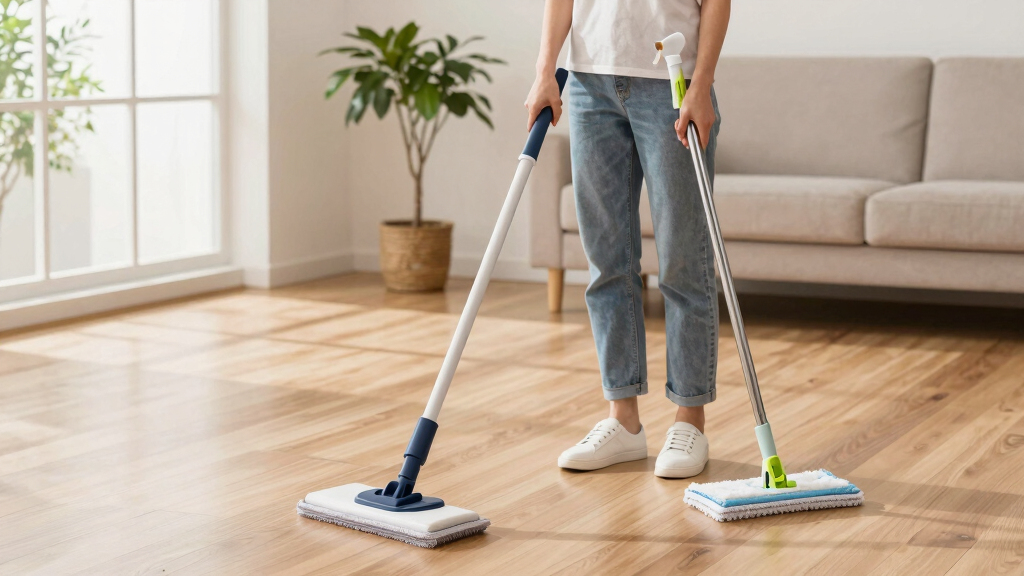
Steam mops disinfect with hot steam, ideal for deep cleaning and sanitizing, while spray mops are more affordable and versatile for everyday use. The best choice depends on your floors and cleaning habits.
Ever stand in front of your cleaning closet, torn between a steam mop and a spray mop? You’re not alone. Both promise shiny, spotless floors—but they do it in very different ways.
Understanding their strengths, weaknesses, and best uses helps you pick what actually works for your home. No hype, no gimmicks—just honest guidance to keep your floors clean and safe.
Steam mops excel at sanitizing and killing germs without chemicals, making them safer for households with children and pets.
Spray mops are more affordable upfront and work well on most sealed hard floors for everyday cleaning.
Always check your floor type—steam isn’t suitable for unsealed wood or delicate surfaces, while spray mops require proper solution selection.
Recent innovations include faster heat-up times and hybrid models, offering more versatility.
Consider your cleaning routine, safety concerns, and budget before choosing the right tool.
Two clean-floor tools. Very different strengths.
Steam mops disinfect with hot steam, making them ideal for deep cleaning and chemical-free sanitizing. Spray mops are more affordable, familiar, and versatile for everyday messes. The right pick depends on your floor type, budget, and cleaning rhythm.
Steam mops can kill up to 99.9% of germs on suitable sealed floors without added chemicals.
Most modern steam mops are ready fast enough for routine cleaning, not just deep-clean days.
Choose steam for sanitizing. Choose spray for quick, low-cost daily cleanup.
Higher upfront price, fewer cleaning chemicals.
Lower entry price, ongoing solution refills.
Steam belongs on sealed hard floors only.
Both work for quick passes, with different prep.
What changes when water becomes steam?
Steam and spray mops both move dirt, but their cleaning logic is completely different. One uses heat as the main cleaning force; the other relies on solution choice and scrubbing contact.
Heat does the heavy lifting
Superheated steam loosens grime and sanitizes without detergent. It is strongest for sealed tile, vinyl, and sealed laminate when you want a deeper reset.
Solution drives the result
A trigger dispenses cleaner directly onto the floor. It is excellent for sticky kitchen spots, muddy entries, and quick refreshes when paired with the right formula.
The floor decides first
Steam can damage unsealed wood and delicate surfaces. Spray mops are gentler, but the cleaning solution still needs to match hardwood, laminate, tile, or vinyl guidance.
At-a-glance comparison
Use this as the practical decision table: cleaning power, convenience, safety, cost, and compatibility side by side.
| Feature | Steam Mop | Spray Mop | Buying Signal |
|---|---|---|---|
| Cleaning Power | ✓ Deep sanitizing and grime loosening | ~ Strong surface cleaning with the right solution | Pick steam for disinfecting. |
| Daily Convenience | ✓ Quick heat-up, washable pads | ✓ Fill, spray, wipe, repeat | Pick spray for touch-ups. |
| Chemical Exposure | ✓ Water only | ~ Depends on the cleaner used | Pick steam for kids and pets. |
| Upfront Cost | ✗ Usually higher | ✓ Often under $30 | Pick spray for tight budgets. |
| Floor Compatibility | ~ Sealed hard floors only | ✓ Most hard floors with proper solution | Check manufacturer guidance first. |
The cleaner’s decision flow
Start with floor safety, then decide whether your main need is sanitizing, speed, cost control, or surface versatility.
Check Seal
Unsealed wood or delicate surfaces rule out steam.
Pick Goal
Sanitize deeply or wipe everyday messes quickly.
Map Budget
Steam costs more upfront; spray adds solution refills.
Match Habit
Weekly deep clean favors steam; daily touch-up favors spray.
Buy Fit
The best mop is the one your floors and routine support.
Performance spectrum
Steam wins on sanitizing and chemical reduction. Spray wins on upfront affordability and flexible daily cleaning.
Strength by use case
Floor-risk scale
Steam is safest when the surface is sealed and heat-tolerant. As wood becomes unsealed, scratched, or delicate, spray with a mild compatible solution becomes the safer lane.
Trace the real-world choice
The best buying decision links household needs to floor limits, health concerns, and how often you actually clean.
What’s new in mop design?
Recent improvements are making the choice less rigid, especially as hybrid models and eco-friendly spray solutions become more common.
Faster and more adjustable
Newer steam mops heat up faster, offer adjustable steam levels, and use improved pads for better dirt pickup on sealed surfaces.
Cleaner formulas
Biodegradable and non-toxic refill solutions make spray mops more appealing for households trying to reduce harsh chemical use.
One tool, two modes
Some models now combine spray and steam functions, letting users switch between quick liquid cleaning and deeper heat-based sanitizing.
Which should you buy?
There is no universal winner. There is a best match for your floors, your cleaning style, and your tolerance for chemicals, refills, and maintenance.
Buy a steam mop if…
You want chemical-free sanitizing and your home has sealed hard floors that can handle heat and moisture.
- You have children or pets crawling on floors.
- You deep clean weekly or after high-traffic messes.
- You prefer water-only cleaning with reusable pads.
Buy a spray mop if…
You want an affordable, simple tool for everyday messes and quick passes across a variety of hard floors.
- You need low upfront cost and easy storage.
- You clean small spills, sticky spots, and entryways often.
- You want control over the cleaning solution.
Frequently asked questions
Fast answers for the floor-care questions that usually decide the purchase.
Is a steam mop safe on hardwood?
Only on sealed hardwood if the floor manufacturer allows it. Never use steam on unsealed or delicate wood because moisture and heat can cause damage.
Can any cleaner go in a spray mop?
No. Use manufacturer-recommended solutions, especially on hardwood or laminate, because incompatible formulas can damage floors or mop parts.
Which is more eco-friendly?
Steam usually has the edge because it uses water only. Spray mops can improve by using biodegradable refills and washable pads.
Are spray mops good for deep cleaning?
They are best for surface cleaning and touch-ups. For sanitizing and heat-based deep cleaning, a steam mop is the stronger choice.
What’s the Big Difference? How Do They Really Clean?
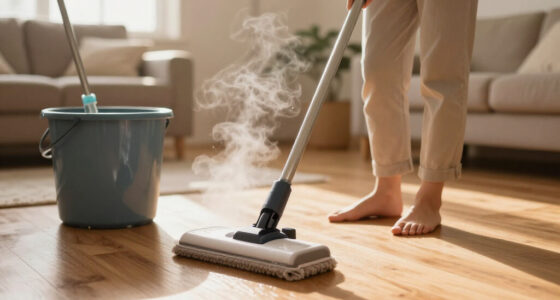
Steam mops use superheated steam to loosen dirt, sanitize, and lift grime without chemicals. They’re like a mini steam bath for your floors, killing germs with heat—up to 99.9% according to some studies.
Spray mops, on the other hand, dispense a liquid cleaning solution directly onto the floor. You control the spray, choosing your cleaner—whether a simple soap solution or a specialized floor product. Effectiveness hinges on the solution’s quality and your scrubbing effort.
For example, if your kitchen has sticky, greasy spots, a spray mop with a degreaser might tackle it better. But for a quick, chemical-free disinfectant wipe, a steam mop excels.
As an affiliate, we earn on qualifying purchases.
Which One Is Easier to Use on a Daily Basis?
Steam mops heat up quickly—often in less than 2 minutes—and glide smoothly across sealed floors. They’re lightweight, with simple pads that can be rinsed or replaced. No need to carry around bottles or worry about running out of solution.
Spray mops are straightforward, too. Just fill the bottle, press the trigger, and spray. They’re familiar, like a spray bottle with a mop attached, making quick clean-ups easy. But they do require refilling and occasional cleaning of the solution bottle.
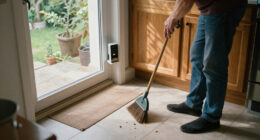
Imagine cleaning a muddy entryway. A spray mop lets you spray and wipe in one motion. For a quick refresh or daily tidying, both are simple, but spray mops might feel more familiar if you’re used to liquid cleaners.
As an affiliate, we earn on qualifying purchases.
Safety First: Which Is Less Harmful for Kids and Pets?
Steam mops shine in safety because they don’t need chemicals—just water turned into steam. This makes them ideal for households with children and pets, reducing chemical exposure and inhalation risks.
Spray mops require cleaning solutions, which can contain chemicals. Even non-toxic sprays need careful use—avoid spraying near children or pets and always follow manufacturer instructions.
For instance, if you have a curious toddler who loves crawling on the floor, a steam mop provides peace of mind. You can sanitize without worrying about accidental ingestion or inhalation of cleaning chemicals.
As an affiliate, we earn on qualifying purchases.
Cost and Maintenance: What Will It Cost You Long-Term?
Steam mops tend to cost more upfront—ranging from $50 to $150—because of the heating element and specialized pads. They also need occasional descaling and replacing pads, which adds to maintenance.
Spray mops are generally cheaper initially, often under $30. Their refillable bottles and pads are inexpensive, but you’ll need to buy cleaning solutions regularly.
For example, if you’re on a tight budget, a spray mop might seem more appealing. But over time, the cost of cleaning solutions adds up, and a steam mop’s durability might offset its higher initial price.
As an affiliate, we earn on qualifying purchases.
Which Is Better for Different Floor Types?
Steam mops work best on sealed surfaces—like ceramic tile, vinyl, and sealed laminate. The heat helps sanitize and deep-clean without harsh chemicals. But they’re not suitable for unsealed wood or delicate surfaces, which can warp or stain.
Spray mops are gentler and more versatile. They clean well on most sealed floors and are safe for some unsealed surfaces—if you choose the right cleaner. Always check manufacturer guidelines before using on hardwood or laminate.
Picture cleaning hardwood that’s slightly scratched; a gentle spray with a mild solution prevents damage while keeping it looking fresh.
The Environmental Impact: Which Is Greener?
Steam mops are eco-friendly since they only use water—no chemicals—and reduce water and energy consumption. They produce no waste besides used pads, which can often be reused or recycled.
Spray mops depend on cleaning solutions. Choosing biodegradable, non-toxic sprays minimizes environmental harm. But frequent refills and disposal of used pads add to their footprint.
If reducing chemical use and waste is a priority, steam mops hold an edge. For eco-conscious households, this can be a deciding factor.
What’s New? Latest Trends in Both Types of Mops
Recent innovations include faster heat-up times, adjustable steam levels, and improved pad designs for better dirt pickup. Some steam mops now feature smart sensors that optimize steam output based on floor type.
On the spray side, eco-friendly, biodegradable solutions are gaining popularity. Hybrid models combining steam and spray functions are emerging, offering versatility in one device.
For example, a new model might let you switch from steam to spray mode with a button press, making it a versatile all-in-one cleaning tool.
Quick Comparison: Steam Mop vs Spray Mop at a Glance
| Feature | Steam Mop | Spray Mop |
|---|---|---|
| Cleaning Power | Deep sanitizing, kills germs | Depends on solution, good for surface dirt |
| Ease of Use | Fast heat-up, lightweight | Simple spray-and-wipe |
| Cost | Higher initial investment | Lower upfront cost |
| Floor Compatibility | Sealed floors only | Most hard floors |
| Safety | Chemical-free, safe for kids | Requires cleaning solutions |
Which Should You Pick? Your Cleaning Style Determines It
If you prioritize chemical-free sanitizing, especially for a busy household with kids or pets, a steam mop is your best bet. Its quick, thorough germ-killing power makes it ideal for regular deep cleaning.
But if you want a versatile, budget-friendly option for everyday messes—especially on sealed floors—a spray mop fits the bill. It’s simple, quick, and can handle a variety of surfaces with the right solutions.
Imagine your weekly cleaning routine: if you prefer a quick disinfect and don’t want to fuss with chemicals, go steam. For quick touch-ups and general cleaning, a spray mop keeps it easy.
Frequently Asked Questions
Is a steam mop safe on hardwood floors?
Steam mops are generally safe on sealed hardwood, but always check the manufacturer’s guidelines. Never use on unsealed or delicate wood, as excess moisture can cause warping or damage.
Can I use any cleaning solution with a spray mop?
It’s best to use solutions recommended by the spray mop manufacturer. Some chemicals can damage the mop’s components or harm your floors—especially on delicate surfaces like hardwood or laminate.
Which mop is more eco-friendly?
Steam mops are more environmentally friendly since they use only water—no chemicals—reducing waste and chemical runoff. Choosing biodegradable sprays can make spray mops more eco-conscious, but overall, steam mops have the edge.
How long does a steam mop take to heat up?
Most steam mops heat up in 30 seconds to 2 minutes, depending on the model. Faster heat-up times make them more convenient for quick cleaning sessions.
Are spray mops effective for deep cleaning?
Spray mops excel at surface cleaning and quick touch-ups. For deep cleaning or disinfecting, a steam mop’s high temperature provides superior sanitizing power.
Conclusion
Choosing between a steam mop and a spray mop boils down to your home’s needs. Want chemical-free sanitization? Steam is your friend. Need quick, budget-friendly clean-ups? Spray wins.
Remember, no one mop does everything—select the one that fits your floors, your schedule, and your safety priorities. Clean floors start with smart choices, not hype.
Fall Picks
fall essentials
As an affiliate, we earn on qualifying purchases.