
TL;DR

Get cleaning gear delivered free with Prime
- Fast, free delivery on millions of items
- Prime Video, Amazon Music and more included
- Member-only deals all year
Handheld steamers are perfect for spot cleaning, upholstery, and tight spots, while steam mops excel on large, hard-floor surfaces. Your choice depends on the cleaning task, surface compatibility, and convenience. Both options offer chemical-free sanitizing, but understanding their strengths helps you pick the right tool.
Imagine tackling a stubborn stain on your sofa or giving your kitchen tiles a thorough refresh—without harsh chemicals or scrubbing. That’s the power of steam cleaning. But which tool should you reach for: a handheld steamer or a steam mop? Each has its own strengths, and knowing when to use which can save you time and protect your surfaces.
Today’s guide breaks down the core differences, practical uses, and recent innovations. Whether you’re a busy parent, a pet owner, or just someone who wants a cleaner home without toxic fumes, understanding these tools helps you make smarter choices for every cleaning challenge.
A handheld steamer excels at spot cleaning, upholstery, and tight corners, while a steam mop is best for large, sealed floor areas.
Modern steamers now offer adjustable pressure, cordless options, and safety features that improve effectiveness and safety.
Always test on a small hidden area first to prevent damage, especially on delicate or unsealed surfaces.
Choose your device based on cleaning area, surface type, and routine to save time and avoid surface damage.
Both tools sanitize effectively without chemicals, but proper handling and maintenance extend their lifespan.
Handheld Steamer vs Steam Mop: Which Do You Need?
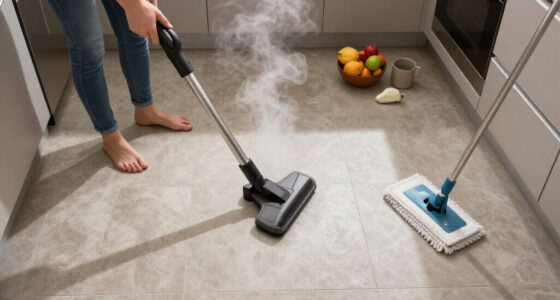
Spot-cleaning a sofa or refreshing an entire kitchen — steam power can do both, chemical-free. The trick is matching the tool to the task. This guide breaks down portability, tank capacity, steam power, surface compatibility, and the latest tech so you pick the right device the first time.
Cleaning effectiveness is driven by steam pressure and temperature — modern models now offer adjustable settings to optimize steam for every surface.
Sanitize without harsh chemicals, fumes, or scrubbing.Two Devices, Two Very Different Jobs
Both turn water into sanitizing vapor — but their designs point them at entirely different cleaning challenges.
Handheld Steamer
A compact, portable device emitting hot steam through a small nozzle — your go-to for upholstery, curtains, bathroom fixtures, and tight corners. Lightweight, easy to carry, and ready in minutes. Its small tank (150–300 ml) limits continuous use, so it’s not built for large floor areas.
Steam Mop
A larger, robust device designed for hard floors — tile, laminate, vinyl, and sealed hardwood. It combines a mop head with a water tank, releasing steady high-temperature steam that loosens dirt and sanitizes in one pass. Unsealed or porous surfaces, however, can warp or suffer damage.
Compare Them Side-by-Side
The core differences at a glance — size, capacity, power, and ideal surfaces.
| Feature | Handheld Steamer | Steam Mop |
|---|---|---|
| Size & Portability | Compact, lightweight, easy to store | Larger, with handle and cord, heavier |
| Best For | Spot cleaning, upholstery, curtains, small areas | Large, hard, sealed floors |
| Water Tank | 150–300 ml · 10–15 min of use | 300–500 ml+ · longer cleaning sessions |
| Steam Power | Adjustable — delicate fabrics to stubborn grime | Consistent, high-temperature for deep cleaning |
| Attachments | Nozzles, brushes, fabric steamer | Microfiber pads, scrubbers, mop heads |
| Ideal Surfaces | Upholstery, tiles, bathroom fixtures, curtains | Tile, laminate, vinyl, sealed hardwood |
Tank Capacity & Runtime, Visualized
Capacity drives runtime — and runtime decides how much of your home you can clean before refilling.
Which One Fits Your Cleaning Style?
Quick touch-ups or weekly deep cleans — match the device to your routine and save hours.
Identify the Task
Small spills, sofa stains, and bathroom corners — or an entire kitchen floor?
Check the Surface
Sealed and durable, or delicate and unsealed? Always test a hidden spot first.
Pick the Tool
Handheld for speed and precision; steam mop for coverage and consistent heat.
Clean Smarter
Less fatigue, no wasted refills, no surface damage — just sanitized, chemical-free results.
Handling Hot Steam Without Burning Yourself
Both devices emit super-hot steam — think of a tiny boiling kettle in your hand. Caution beats convenience.
Point Away
Always aim the nozzle away from your body and delicate surfaces. Keep a firm grip and never rush — especially around children’s toys or fabrics.
Use the Safety Lock
Engage the safety lock when available and never leave a steaming device unattended while powered on.
Hidden-Spot Test
Read the manual and test on a hidden corner first. This reveals your device’s limits and prevents damage to unsealed grout or delicate wood.
Recent Tech Makes Both Tools Smarter and Safer
Innovation is rushing into steam cleaning — here’s what the newest models bring to your home.
Cordless Handheld Designs
Move freely around kitchen counters, upholstery, and even car interiors — no tripping over cords.
Adjustable Pressure & Digital Controls
Tune steam output for delicate fabrics or stubborn grime with precise, repeatable settings.
Auto Shut-Off & Indicator Lights
Smart alerts show low water and readiness, while automatic shutoff prevents accidents.
Multi-Function Devices
Some models now combine a handheld steamer and steam mop with interchangeable attachments — one tool, both jobs.
The verdict: choose by task, not by trend. A handheld steamer wins for spot cleaning, upholstery, and tight corners; a steam mop dominates large, sealed hard floors. Both sanitize chemical-free — proper handling and maintenance keep them performing for years.
What Exactly Is a Handheld Steamer, and When Should You Use It?
A handheld steamer is a compact, portable device that emits hot steam through a small nozzle, perfect for quick spot cleaning. Think of it as your go-to for upholstery, curtains, bathroom fixtures, and tight corners.
For example, if your kid’s stuffed animal gets sticky or your curtains gather dust, a handheld steamer can handle those jobs without fuss. It’s lightweight, easy to carry, and heats up in minutes. But it’s not built for large surface areas — its small water tank limits continuous use.
Recent models pack adjustable steam settings and multiple nozzles, making them versatile for delicate fabrics or stubborn grime. Just remember, for deep cleaning or large floors, they’re not the best fit.
Understanding these limitations is crucial because it highlights the importance of choosing the right tool for the job. Using a handheld steamer for large floor areas could lead to frequent refills and frustration, whereas relying solely on a steam mop for delicate upholstery might risk damage. The tradeoff is between convenience and capacity—knowing this helps you decide when a quick, targeted approach outweighs the need for extensive cleaning.
handheld fabric steamer for upholstery
As an affiliate, we earn on qualifying purchases.
As an affiliate, we earn on qualifying purchases.
What Is a Steam Mop, and Why Might It Be Your Floor’s Best Friend?
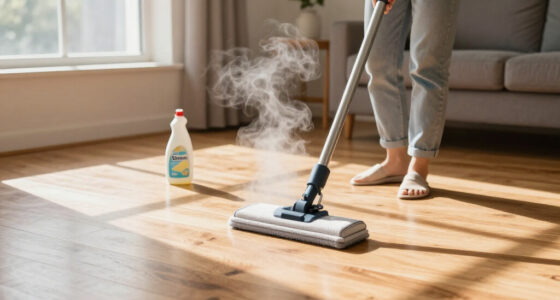
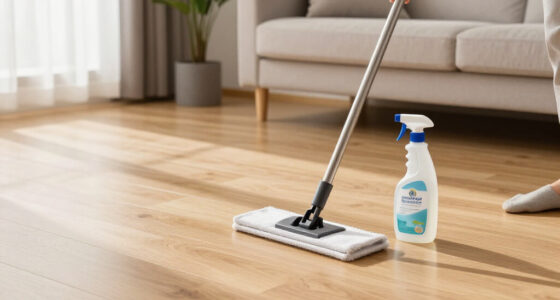
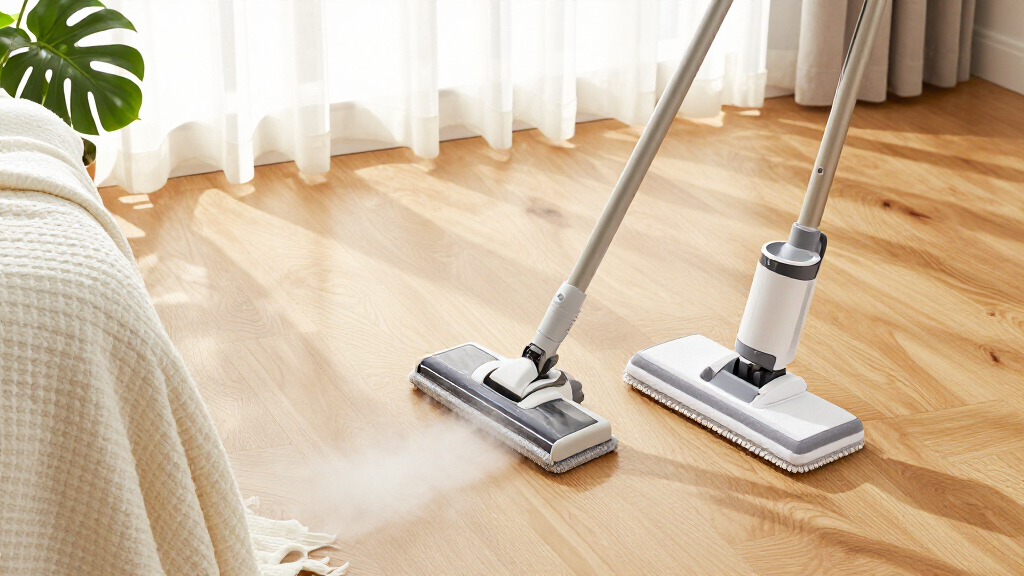
A steam mop is a larger, more robust device designed specifically for hard floors like tile, laminate, vinyl, or sealed hardwood. It combines a mop head with a water tank, releasing steady, high-temperature steam to loosen dirt and sanitize in one pass.
Think of it as a specialized tool that combines cleaning and disinfecting, which is especially important in households with children or pets. The consistent heat and moisture help break down grime more effectively than manual mopping alone, and the steam’s sanitizing properties can reduce bacteria and allergens without chemicals.
However, the focus on hard, sealed surfaces means that using a steam mop on unsealed or porous materials could cause damage—warping wood or damaging unsealed grout. The implication here is that while steam mops are excellent for maintaining hygiene and cleanliness on durable floors, they require surface compatibility checks to avoid unintended harm. The tradeoff lies in their efficiency versus their limited surface versatility, making them ideal for large, hard-surface areas but unsuitable for carpets or delicate surfaces.
As an affiliate, we earn on qualifying purchases.
Compare Them Side-by-Side: Which Fits Your Home Better?
| Feature | Handheld Steamer |
|---|---|
| Size & Portability | Compact, lightweight, easy to store |
| Best For | Spot cleaning, upholstery, curtains, small areas |
| Water Tank Capacity | Usually 150-300 ml, 10-15 minutes of use |
| Steam Power | Adjustable, suitable for delicate to stubborn grime |
| Attachments | Nozzles, brushes, fabric steamer |
| Ideal Surfaces | Upholstery, tiles, bathroom fixtures, curtains |
| Feature | Steam Mop |
|---|---|
| Size & Portability | Larger, with a handle and cord, heavier |
| Best For | Large, hard, sealed floors |
| Water Tank Capacity | 300-500 ml or more, longer cleaning time |
| Steam Power | Consistent, high-temperature steam for deep cleaning |
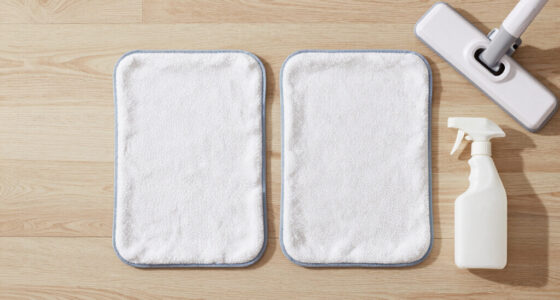
| Attachments | Microfiber pads, scrubbers, various mop heads |
| Ideal Surfaces | Tile, laminate, vinyl, sealed hardwood |
As an affiliate, we earn on qualifying purchases.
Which One Saves You Time and Fits Your Cleaning Style?
If quick touch-ups are your daily routine, a handheld steamer can be your best tool. It heats fast and tackles small messes like spills on upholstery or bathroom tiles in minutes.
But if you’re planning a weekly deep clean of your entire kitchen or living room, a steam mop’s larger water tank and steady steam output save you hours. It’s like sweeping with a twist—less effort, more coverage.
Matching your cleaning style with the right device also prevents unnecessary fatigue and maximizes efficiency. For instance, using a handheld steamer for quick disinfecting tasks ensures you don’t spend extra time on areas that don’t require heavy-duty cleaning, while a steam mop streamlines large-scale chores, reducing the physical effort involved. Recognizing these tradeoffs helps you allocate your cleaning time more wisely and avoid overworking a smaller device for tasks it’s not designed to handle.
As an affiliate, we earn on qualifying purchases.
Safety First: Handling Hot Steam Without Burning Yourself
Both devices emit super-hot steam—think of a tiny boiling kettle in your hand. Proper handling is key to avoiding burns or accidents.
Always point the nozzle away from your body and delicate surfaces. Use the safety lock if available, and never leave a steaming device unattended while on.
For example, a parent using a handheld steamer to sanitize bathroom tiles should keep a firm grip and avoid rushing, especially around children’s toys or fabrics. With a steam mop, keep the cord and mop head moving steadily to prevent splashes or contact with hot pads.
Reading manufacturer instructions thoroughly and testing on a hidden corner first is essential. This step ensures you understand your device’s specific safety features and limitations, reducing the risk of accidents. Proper handling not only protects your skin but also prevents damage to surfaces that could be caused by improper use. The tradeoff here is between convenience and caution—prioritizing safety minimizes costly mistakes and injuries, making your cleaning routine safer and more effective.
Recent Tech Upgrades Make Both Tools Smarter and Safer
Innovation is rushing into steam cleaning. New models now feature adjustable steam pressure, digital controls, and auto shut-off functions—making the devices safer and more effective.
Some handheld steamers now have cordless designs, giving you freedom to move around without tripping over cords. Others include smart indicator lights that show when water is low or the device is ready.
Steam mops are also getting better—larger tanks, quick heat-up times, and microfiber pads that trap more dirt. These improvements mean less downtime and more thorough cleaning, especially on big, stubborn messes.
For example, a recent cordless handheld steamer allows for quick, versatile cleaning of kitchen counters, upholstery, and even car interiors without the hassle of cords, making it ideal for busy households. Similarly, a new steam mop with a larger tank and rapid heating can cover extensive areas in less time, reducing the effort needed for weekly cleaning routines. These technological advancements mean your cleaning tools adapt better to your needs, increasing safety and efficiency while reducing user fatigue and surface damage risks.
Choosing the Right Tool for Your Home: Key Factors to Consider
Deciding between a handheld steamer and a steam mop hinges on a few practical questions:
- What surfaces do you need to clean? Soft fabrics or upholstery call for handheld steamers, while floors need a steam mop.
- How much area do you need to cover? Small apartments or targeted cleaning favors a handheld, large homes benefit from a steam mop.
- How often do you clean? Quick touch-ups or deep weekly cleans? Match the device to your routine.
- Do you prefer maneuverability or coverage? Handhelds win for tight spots; mops for open floors.
- Are safety and surface compatibility concerns? Always test on a hidden spot first, particularly with delicate surfaces.
Making an informed choice involves understanding the implications of each tool’s capabilities and limitations. For instance, opting for a handheld steamer on a large, unsealed wooden floor could lead to warping or damage over time, while using a steam mop on delicate upholstery might cause water stains or fabric damage. Recognizing these tradeoffs ensures your cleaning routine enhances surface longevity and safety. Considering your home’s specific needs—like surface types, size, and frequency—helps you select a tool that balances efficiency with surface preservation, ultimately leading to a safer, more effective cleaning experience.
Conclusion
Understanding the strengths and weaknesses of each tool helps you clean smarter, not harder. Whether you need quick spot fixes or a thorough floor refresh, choosing the right device makes all the difference in your home’s safety and cleanliness.
Imagine gliding effortlessly over your floors or swiftly sanitizing upholstery—cleaning doesn’t have to be a chore. Pick the tool that fits your needs, handle it safely, and enjoy a healthier, more comfortable home every day.
Fall Picks
fall essentials
As an affiliate, we earn on qualifying purchases.