TL;DR

Get cleaning gear delivered free with Prime
- Fast, free delivery on millions of items
- Prime Video, Amazon Music and more included
- Member-only deals all year
Microfiber pads are ideal for daily, gentle cleaning and trapping bacteria. Scrubbing pads tackle stubborn dirt and grime but risk scratching delicate surfaces. Choosing the right pad boosts cleaning power and protects your floors.
Microfiber pads excel at everyday cleaning and bacteria removal with just water.
Scrubbing pads are best for stubborn stains and textured surfaces but can scratch delicate floors.
Always test cleaning pads on a small hidden area before full use.
Proper maintenance extends pad life and keeps cleaning effective.
Switch pads based on the cleaning task and surface type for best results.
Microfiber vs Scrubbing Steam Mop Pads: When to Use Each
TL;DR: Microfiber pads are ideal for daily, gentle cleaning and bacteria trapping. Scrubbing pads tackle stubborn dirt and grime, but they can scratch delicate floors when used in the wrong place.
Gentle for daily upkeep. Aggressive only when grime demands it.
Where microfiber pads shine
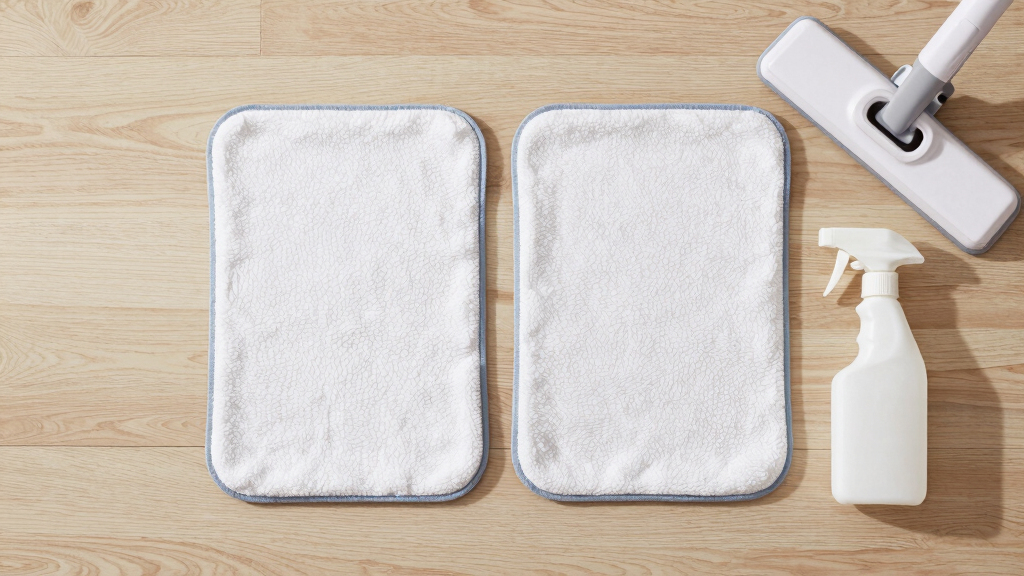
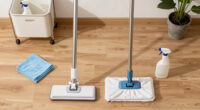
Microfiber steam mop pads use fine polyester and nylon fibers to trap dirt through electrostatic attraction. They are the safer default for sealed hard floors because they lift everyday messes without abrasive force.
Soft on finishes
Use microfiber for hardwood, laminate, sealed tile, and routine kitchen cleanup when the mess is dust, crumbs, or light soil.
Strong bacteria capture
Microfiber can remove up to 99% of bacteria with water alone, reducing the need for harsh cleaning chemicals.
Lower waste
Washable pads last many cleaning cycles when rinsed, dried fully, and washed without fabric softener.
When scrubbing pads beat microfiber
Scrubbing steam mop pads add texture and abrasion. That extra bite helps with stubborn dirt, but it also raises the chance of dulling or scratching delicate flooring.
Grime that is stuck, textured, or baked on
Choose a scrubbing pad for grout lines, textured stone, resilient tile, entryway dirt, and food residue that microfiber cannot release.
Floors where finish matters more than force
Hardwood, vinyl, laminate, and sealed surfaces can show scratches or dullness if abrasive pads are used too often or with too much pressure.
How the two pad types stack up
Match the pad to the cleaning goal. Microfiber is the everyday maintenance choice. Scrubbing pads are a targeted tool for durable surfaces and stubborn residue.
| Feature | Microfiber Pads | Scrubbing Pads | Decision Signal |
|---|---|---|---|
| Material | ✓ Fine synthetic fibers, usually polyester and nylon | ~ Textured or abrasive fabrics | Choose microfiber when surface safety is the priority. |
| Best for | ✓ Daily cleaning, dusting, light dirt | ✓ Heavy stains, grout, baked-on grime | Switch only when regular cleaning cannot lift the mess. |
| Surface safety | ✓ Safe on most sealed surfaces | ✗ Can scratch delicate floors | Test scrubbing pads in a hidden area first. |
| Durability | ✓ Washable and long-lasting with care | ~ Wears faster under heavy abrasion | Replace scrubbing pads when texture breaks down. |
| Eco profile | ✓ Reusable and lower waste | ~ More frequent replacement | Look for reusable or biodegradable scrubbing options. |
Pick the pad in four checks
The fastest way to protect your floor is to work from surface safety to mess severity. If the floor is delicate, start gentle and escalate only when needed.
Check surface
Hardwood, laminate, and vinyl usually call for microfiber first.
Read the mess
Dust and light spills need lift. Baked-on grime needs agitation.
Test hidden area
Run the pad gently in a low-visibility spot before full use.
Clean with care
Let steam do the work. Avoid heavy pressure on delicate finishes.
Cleaning force spectrum
Use the least abrasive pad that solves the problem.
That one habit keeps floors cleaner while reducing scratch risk, chemical use, and pad waste.
Wash microfiber pads after every few uses in warm water.
Skip fabric softener because it reduces microfiber grip.
Rinse scrubbing pads after heavy grime and replace when worn.
Check mop compatibility before swapping pad types.
Quick answers before you mop
Most pad mistakes come from using too much abrasion too quickly. Start with microfiber, then move to scrubbing only when the surface and mess justify it.
Can microfiber work on textured tile?
Yes, for light cleaning. For heavy grime in texture or grout, test a scrubbing pad first.
Are scrubbing pads safe for hardwood?
Generally no, unless the pad is specifically designed for delicate surfaces.
How often should pads be washed?
Wash microfiber pads after every few uses and replace scrubbing pads when worn or damaged.
Can I mix pads on one steam mop?
Often yes, but check the mop instructions so the attachment and pad material are compatible.
What is a microfiber steam mop pad — and why does it matter?
Microfiber steam mop pads are made of thousands of tiny synthetic fibers woven tightly together. They’re designed to trap dust, dirt, and bacteria through electrostatic attraction, making them excellent for daily cleaning. Imagine a soft, plush cloth that lifts dirt like a magnet—without harsh scrubbing. Microfiber pads are gentle enough for hardwood and laminate, yet tough enough to handle everyday messes. They’re also washable, saving you money and reducing waste.
For example, if you spot a trail of dust or crumbs on your kitchen floor, a microfiber pad quickly picks it up with just water or a mild cleaner. They’re the unsung heroes of regular maintenance, keeping your floors fresh and bacteria-free without chemicals. This effectiveness matters because it directly impacts your health and the longevity of your flooring. Using microfiber regularly minimizes the need for harsh chemicals, which can degrade certain surfaces over time or pose health risks. Plus, their ability to trap and hold bacteria means fewer germs lingering on your floors, contributing to a cleaner, safer environment for your family.
Practical Tip: Use microfiber pads daily for routine cleaning to keep dust, dirt, and bacteria at bay. For deeper cleaning, combine with regular washing or switch to more abrasive options when needed.
As an affiliate, we earn on qualifying purchases.
When a scrubbing steam mop pad beats microfiber — and when it risks damage
Scrubbing steam mop pads are built for stubborn stains, baked-on grime, and textured surfaces. They often feature rougher textures or abrasive surfaces designed to loosen tough dirt. Think of them as the scrub brushes of your steam mop world—powerful, but potentially harsh. The tradeoff here is between cleaning power and surface safety. While scrubbing pads excel at breaking down hardened dirt, their abrasive nature can compromise delicate surfaces if misused.
Use a scrubbing pad when you’re dealing with heavily soiled areas like grout lines, baked-on food residues, or textured stone surfaces where gentle cleaning won’t suffice. However, the risk is that on softer or more delicate floors—like hardwood, vinyl, or sealed surfaces—these pads can scratch or dull the finish. For instance, attempting to clean a hardwood floor with a scrubbing pad might remove the finish or leave visible scratches, leading to costly repairs or refinishing. The key implication is that while scrubbing pads can save time and effort on tough messes, they require careful judgment. Overusing them or applying too much pressure can cause irreversible damage, so they should be reserved for durable surfaces and used with caution.
Practical Tip: Reserve scrubbing pads for deep cleaning of resilient surfaces like tile grout or textured stone. Always test in a hidden area first, and use gentle pressure to avoid scratches.
As an affiliate, we earn on qualifying purchases.
Compare microfiber vs scrubbing pads — here’s how they stack up
| Feature | Microfiber Pads | Scrubbing Pads |
|---|---|---|
| Material | Fine synthetic fibers (polyester/nylon) | Textured, abrasive surfaces or rougher fabrics |
| Best for | Daily cleaning, dusting, light dirt | Heavy stains, grout, baked-on grime |
| Surface safety | Safe on most sealed surfaces | Risk of scratching delicate floors |
| Durability | Washable, long-lasting with proper care | Wear faster, may need replacement |
| Eco-friendliness | Reusable, low waste | More disposable, higher waste |
Understanding these differences helps you weigh the tradeoffs—microfiber pads are gentle and environmentally friendly but may require more frequent replacement if heavily soiled. Scrubbing pads, while more aggressive and less eco-friendly, can save time on stubborn messes. Practical Action Step: Match your pad choice to your cleaning goal: use microfiber for routine maintenance and switch to scrubbing pads for tough stains or textured surfaces. Always test new pads on a small area first to prevent damage.
best floor cleaning pads for steam mop
As an affiliate, we earn on qualifying purchases.
As an affiliate, we earn on qualifying purchases.
Frequently Asked Questions
Can I use a microfiber pad on textured tile surfaces?
Yes, microfiber pads work well on textured tiles for light cleaning. For heavy grime, consider a scrubbing pad, but test first to avoid scratching.Is it safe to use scrubbing pads on hardwood floors?
Generally no, unless the pad is specifically designed for delicate surfaces. Most scrubbing pads can scratch or dull hardwood finishes.How often should I wash or replace my pads?
Wash microfiber pads after every few uses in warm water without fabric softener. Replace scrubbing pads when worn or damaged, typically every few months depending on use.Are microfiber pads eco-friendly?
Yes, microfiber pads are reusable and reduce waste when washed regularly. Choose pads made from sustainable materials when possible.Can I mix and match pads on the same steam mop?
Yes, many models allow interchangeable pads. Always check your mop’s instructions to ensure compatibility and avoid damage.As an affiliate, we earn on qualifying purchases.
Conclusion
Choosing the right steam mop pad isn’t just about cleaning—it’s about protecting your floors and saving time. Microfiber keeps things light and safe; scrubbing tackles the tough stuff. Think of your mop as a versatile tool, not a one-size-fits-all solution. Use each pad where it shines, and your floors will thank you for it.Columbus Day / Indigenous Peoples' Day Picks
long weekend sales
As an affiliate, we earn on qualifying purchases.