
TL;DR

Get cleaning gear delivered free with Prime
- Fast, free delivery on millions of items
- Prime Video, Amazon Music and more included
- Member-only deals all year
Steam mops can be used on sealed concrete, but only with caution. Use low heat, keep moving, and test first to avoid damaging the sealant or concrete. Proper drying afterward is key.
If you’ve ever wondered whether you can safely run a steam mop over your sealed concrete floor, you’re not alone. Many homeowners love steam cleaning for its quick, chemical-free refresh, but worry about damaging the surface beneath. The truth is, with the right approach, steam mops can be a safe and effective way to keep sealed concrete looking its best. But caution and understanding are key—push too hard or use high heat, and you risk damaging your sealant or even the concrete itself.
In this guide, you’ll learn what makes sealed concrete different, how modern steam mops work, and the simple steps to safely clean your floor without harm. Whether your concrete has a glossy sealant or a matte finish, these tips help you keep things shiny and clean, safely.
Use the lowest steam setting to avoid damaging the sealant.
Always test a small, hidden area before full cleaning.
High-quality, well-applied sealants resist steam better than cheap coatings.
Don’t linger in one spot—keep the mop moving to prevent moisture buildup.
Dry the floor thoroughly after steaming to preserve the seal.
Can You Use a Steam Mop on Sealed Concrete?
TL;DR: Yes, steam mops can be used on sealed concrete, but only with caution. Use low heat, keep the mop moving, test first, and dry the floor thoroughly afterward to protect the sealant.
Generally safe
Best for high-quality, well-applied sealants that resist moisture and heat.
Lowest steam
Dialing down heat and moisture lowers the chance of softening or degrading the coating.
Never linger
Constant movement prevents moisture buildup in one spot and helps preserve the protective barrier.
Try a hidden area before cleaning the full floor.
Use the lowest effective setting for sealed concrete.
Steam clean every few months or as needed.
Remove lingering moisture with microfiber or airflow.
Why the sealant decides the risk.
Sealed concrete has a protective coating that works like a raincoat for the floor. Steam can be helpful, but the coating quality, thickness, and condition determine how much heat and moisture it can tolerate.
Moisture resistance
A sound sealant keeps steam from penetrating deeply into porous concrete, reducing the risk of swelling, haze, or trapped dampness.
Coating strength
Durable epoxy and properly applied sealants usually handle gentle steam better than thin, inexpensive, or worn coatings.
Wear check
Peeling, chipping, dull patches, or exposed concrete are stop signs. Repair or reseal before applying steam.
The safest steam mop sequence.
Modern steam mops with adjustable controls make sealed concrete safer to clean because you can reduce heat and moisture. The tradeoff is slower deep cleaning, but the floor keeps its protective finish longer.
Sweep
Remove grit first so the mop pad does not drag abrasive dirt across the sealant.
Inspect
Look for chips, peeling, worn gloss, or bare concrete before introducing steam.
Test
Use low steam on a hidden spot and check for dulling, whitening, tackiness, or softening.
Move
Keep passes steady and slightly overlapping. Do not park the mop on one area.
Dry
Finish with microfiber or ventilation so water does not linger on the sealed surface.
High heat is the real hazard.
Steam itself is not automatically harmful on sealed concrete. The risk rises when heat is high, moisture sits too long, or the sealant is cheap, thin, old, or already damaged.
Sealant compatibility matrix.
Use this as a practical decision guide. Manufacturer instructions still win, especially for specialty coatings, fresh sealers, or floors under warranty.
| Surface condition | Steam mop fit | Setting | Risk signal | Best move |
|---|---|---|---|---|
| Durable epoxy or high-quality sealed concrete | ✓ Good | Low steam | Low risk when the coating is intact | Test first, clean in motion, dry well |
| Acrylic or latex-style sealer | ~ Caution | Lowest only | More sensitive to heat and repeated moisture | Short passes and longer drying time |
| Thin spray sealant or unknown coating | ~ Test | Low trial | Possible dulling or faster breakdown | Patch test and stop if finish changes |
| Peeling, chipped, worn, or unsealed areas | ✗ Avoid | None | Moisture can reach the concrete below | Repair or reseal before steam cleaning |
Practical risk index
The safest routine combines a strong sealant, low steam, constant movement, and thorough drying. One weak link does not always ruin the floor, but it does raise the odds of sealant wear.
Trace the safe-cleaning chain.
Steam mopping sealed concrete works best when every step supports the next. The goal is simple: clean the surface without letting heat or moisture bully the sealant.
Known seal
Confirm the coating type and condition.
Low heat
Use the gentlest effective steam mode.
Moving mop
Prevent hot moisture from pooling.
Dry finish
Remove remaining dampness quickly.
Longer life
Keep the concrete clean and protected.
Is it safe on all sealed concrete?
Usually, but not always. Check the sealant guidance and patch test first, especially if the coating is old or unknown.
Can steam damage the sealant?
Low heat and steady movement should be safe for many sealed floors. High heat, overuse, and lingering steam can degrade some coatings.
How often should you steam clean?
Every few months or as needed based on foot traffic. For routine upkeep, sweeping and damp microfiber cleaning are gentler.
Will it remove stains?
Steam can loosen surface dirt and light stains. Stubborn marks may need a targeted cleaner that is safe for your specific sealant.
What is sealed concrete and why it matters for steam cleaning
Sealed concrete has a protective coating—like a clear paint—that guards against stains, moisture, and wear. This coating can be a glossy or matte sealant, applied after the concrete cures. Think of it like a raincoat for your floor. It prevents water from seeping in and makes cleaning easier.
When considering a steam mop, the question is: does the heat and moisture damage that coating? If the sealant is high-quality and properly applied, it forms a barrier that keeps moisture from penetrating deeply. That’s good news for steam cleaning, but it doesn’t mean you can ignore precautions.
For example, if you’ve sealed a basement floor with a durable epoxy, it’s less likely to be harmed by steam. But if your sealant is a thin, inexpensive spray, it might degrade faster under heat and moisture. Knowing what your surface has helps you decide whether steam is safe or risky.
Understanding the properties of your sealant is crucial because different materials have different tolerances. For instance, epoxy coatings are generally more resistant to heat and moisture, making them more suitable for steam cleaning, whereas latex or acrylic sealants may be more sensitive and prone to deterioration. The tradeoff is that high-quality, durable sealants often cost more and require proper application to maximize their resistance. Recognizing these differences helps you weigh the benefits of steam cleaning against potential risks, enabling informed decisions that preserve your floor’s integrity over time.
best steam mop for sealed concrete floors
As an affiliate, we earn on qualifying purchases.
As an affiliate, we earn on qualifying purchases.
How modern steam mops make cleaning on sealed concrete safer
Today’s steam mops come with adjustable steam levels, giving you more control. You can dial down the heat and moisture output—perfect for delicate surfaces like sealed concrete. For example, many models let you choose between high, medium, or low steam modes. Using the lowest setting is the safest bet.
Some mops even have continuous steam and temperature controls, preventing excessive heat buildup. This means you can clean without worrying about the steam melting or weakening your sealant. Think of it like turning down the heat on a stove—you’re still cooking, just more gently.
According to Steam Mop List, these advancements have made it safer to use steam on surfaces like sealed concrete, as long as you stay within recommended settings.
However, avoid the temptation to crank up the heat to remove stubborn grime—this can strip or degrade your sealant over time.
Understanding how these features impact cleaning safety is vital. Lowering the steam level reduces the risk of excessive moisture penetrating or weakening the sealant, while precise temperature controls help prevent heat damage. The tradeoff is that lower settings may be less effective at deep cleaning, so balancing safety and cleaning power is key. Selecting a model with good control features allows you to adapt your cleaning routine to the specific needs of your floor, ensuring safety without sacrificing cleanliness.
low heat steam mop for delicate surfaces
As an affiliate, we earn on qualifying purchases.
As an affiliate, we earn on qualifying purchases.
Preparing your floor for steam cleaning
Before you start steaming, it’s important to prepare your sealed concrete floor properly. Clear the area of any loose debris, dust, or dirt using a broom or vacuum. This prevents scratching the surface and ensures the steam can work effectively on the grime.
Inspect your sealant for any signs of damage or wear. If you notice peeling or chipping, it’s best to repair or reapply the sealant before using a steam mop. This helps maintain the protective barrier and avoids exposing the concrete to excess moisture.
Test your steam mop on a small, inconspicuous area first. Use the lowest steam setting and hold the mop slightly above the surface to see if there’s any adverse reaction. If the sealant remains intact and the surface looks unaffected after a few seconds, it’s safe to proceed.
Also, ensure your floor is dry and free of excess water or cleaning solutions, as these can interfere with the steam cleaning process and potentially damage the sealant.
concrete floor sealant protection spray
As an affiliate, we earn on qualifying purchases.
As an affiliate, we earn on qualifying purchases.
Best practices for steam cleaning sealed concrete
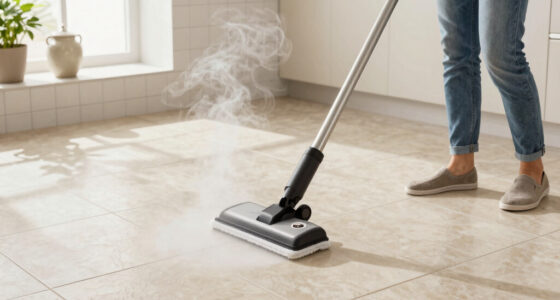
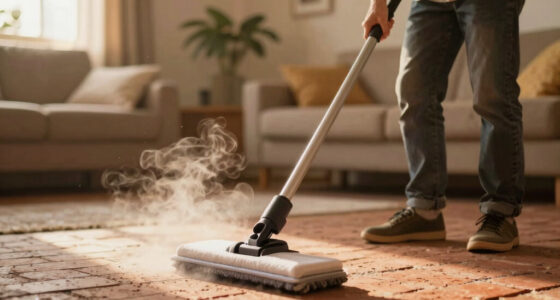
When cleaning with a steam mop, keep the device moving steadily across the surface. Avoid staying in one spot for too long—this prevents moisture from seeping into the sealant or underlying concrete, which could cause damage over time.
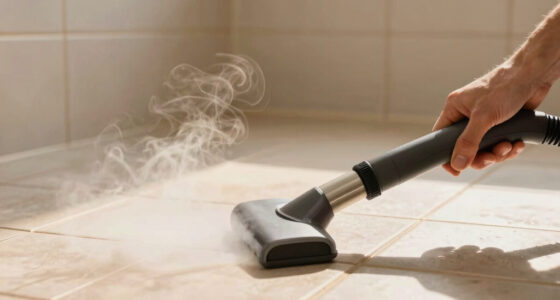
Maintain a consistent distance between the mop head and the floor—typically a few inches—so that you don’t apply excessive heat or moisture in one area. Remember to overlap each pass slightly to ensure even cleaning.
Use the lowest effective steam setting during the process. If your mop has adjustable controls, start with the lowest and increase only if necessary. This minimizes the risk of weakening the sealant.
After steaming, dry the floor thoroughly with a clean microfiber cloth or allow it to air dry. Proper drying helps prevent water from lingering and reduces the risk of mold or damage to the sealant.
Regularly check your mop’s pads and filters, and clean or replace them as needed to maintain optimal performance and prevent dirt from scratching or dulling your floor.
microfiber steam mop pads for concrete
As an affiliate, we earn on qualifying purchases.
As an affiliate, we earn on qualifying purchases.
Conclusion
Using a steam mop on sealed concrete can be safe and effective if you follow simple rules. Keep the heat low, move steadily, and dry well afterward. It’s a gentle, chemical-free way to keep your floors clean with minimal risk of damage.
Remember, a cautious approach pays off. With a little care, your sealed concrete can stay shiny and protected for years to come—without sacrificing safety or cleanliness.
Frequently Asked Questions
Is it safe to use a steam mop on all types of sealed concrete?
Most sealed concrete is safe if the sealant is high-quality and properly applied. Always check the manufacturer’s recommendations and test in a small area first to be sure.Will steam cleaning damage the sealant or concrete?
If used with low heat and steady movement, steam cleaning should not damage sealed concrete. Overuse or high heat can, however, degrade some sealants over time.How often can I steam clean my sealed concrete floor?
Every few months or as needed, depending on foot traffic and dirt buildup. Avoid excessive cleaning to prolong sealant life.Can steam mops remove stains from sealed concrete?
Steam helps loosen surface dirt and light stains. For stubborn stains, consider spot treatments or additional cleaning methods.What precautions should I take when using a steam mop on sealed concrete?
Use the lowest heat setting, keep the mop moving, avoid prolonged steaming, and dry the surface thoroughly afterward. Always test first.Fall Picks
fall essentials
As an affiliate, we earn on qualifying purchases.