
TL;DR

Get cleaning gear delivered free with Prime
- Fast, free delivery on millions of items
- Prime Video, Amazon Music and more included
- Member-only deals all year
Using a steam mop can void your flooring warranty if your floor type isn’t compatible or if you ignore manufacturer instructions. Always check your warranty and follow manufacturer advice before steaming. Proper care extends your floor’s life and keeps your warranty intact.
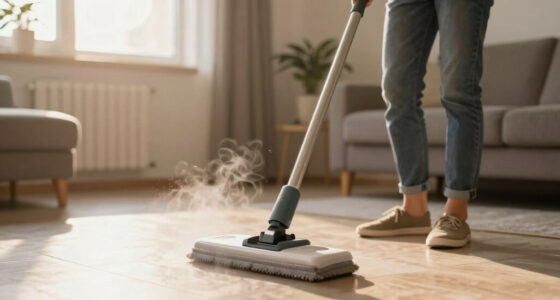
Imagine your spotless floor, the steam mop humming softly. It feels like a quick fix for stubborn dirt. But before you press that trigger, pause. Steam cleaning isn’t a one-size-fits-all method. It can cause unseen damage and even void your warranty if your flooring isn’t compatible. Knowing what your floor can handle keeps your investment safe and your peace of mind intact.
This guide walks you through what to consider before steam mopping, how different flooring types react, and how to avoid costly mistakes. Because a little knowledge now can save you a lot of trouble later.
Always verify your flooring type and manufacturer’s instructions before using a steam mop.
Most warranties restrict steam cleaning on hardwood and laminate floors—check yours first.
Use low steam settings and test in hidden areas to minimize risk.
Vinyl and tile floors are more compatible with steam cleaning, but confirm manufacturer approval.
If unsure, opt for traditional damp mopping or approved cleaning solutions to protect your warranty.
Will Steam Mopping Void Your Flooring Warranty?
TL;DR: Using a steam mop can void your flooring warranty if your floor type is not compatible or if you ignore manufacturer instructions. Before steaming, check your warranty, confirm approved cleaning methods, and use the gentlest care routine your floor allows.
Nearly 70% of flooring warranties restrict or prohibit steam cleaning unless the manufacturer specifically approves it.
Approximate share of warranties that limit steam cleaning.
Hardwood and engineered wood are most moisture-sensitive.
Tile and some vinyl often tolerate steam if approved.
Manufacturer guidance outranks general cleaning advice.
Steam is not a universal cleaning pass.
Flooring warranties usually work like contracts: if the care guide says “no steam cleaning,” damage caused by steam can be excluded from coverage. Moisture can seep into seams, heat can soften finishes or adhesives, and hidden swelling may appear long after the floor looks dry.
Water finds seams first.
Steam condenses into moisture that can enter plank joints, cracks, grout lines, or edges. That trapped moisture is the warranty problem.
Heat stresses finishes.
Protective coatings, adhesives, and laminated surfaces can weaken under repeated heat exposure, even when damage starts invisibly.
The manual decides.
Vinyl or tile may be steam-compatible, but only manufacturer approval keeps your warranty position clean.
Floor type changes everything.
Steam mopping risk is driven by the floor’s structure: solid wood moves, laminate cores swell, adhesives can soften, and grout lines can hold water. The chart below ranks common flooring types by typical warranty risk.
Typical steam-risk profile
Why the fine print matters
Hardwood can warp or cup when moisture slips beneath the finish. Laminate can swell at the core and delaminate. Engineered wood varies by construction. Vinyl and tile are usually more tolerant, but backing layers, adhesives, grout, and installation quality can still create warranty exposure.
What each floor can usually handle.
Use this as a decision aid, then verify the exact care guide for your product line. Warranty language can vary even within the same flooring category.
| Floor Type | Steam Mopping Safe? | Primary Warranty Concern | Safer Move |
|---|---|---|---|
| Hardwood | ✗ No | Moisture and heat can cause warping, swelling, cupping, and finish damage. | Use a barely damp microfiber mop and approved wood cleaner. |
| Laminate | ✗ No | Steam can seep into seams, swell the core, weaken the surface, or cause peeling. | Dry dust first, then damp mop lightly with laminate-approved solution. |
| Vinyl & Tile | ✓ Often | Some backing layers, adhesives, grout lines, or poor sealing can still be vulnerable. | Confirm approval, use low steam, and keep the mop moving. |
| Engineered Wood | ~ Caution | The veneer and core may delaminate or warp if heat and moisture exceed limits. | Only steam if your manufacturer explicitly allows it. |
A three-step warranty-safe workflow.
These steps reduce risk, create a record of care, and help you avoid turning a routine cleaning session into an uncovered repair bill.
Read the label.
Look for “steam cleaning,” “wet mopping,” “excess water,” and “approved cleaners” in the care guide.
Test hidden first.
Use the lowest setting in a corner or behind a door, then wait 24 hours before inspecting.
Use less steam.
Keep the mop moving, avoid repeated passes, and dry any lingering moisture immediately.
Act quickly after accidental steam use.
If you used steam on a non-approved floor, fast documentation and drying can limit damage and help if a warranty conversation follows.
Dry the area thoroughly.
Use clean absorbent towels, ventilate the room, and remove any visible moisture before it moves deeper into seams or edges.
Photograph the condition.
Take clear photos and notes, including the date, floor area, mop setting, and any visible change such as haze or swelling.
Call the manufacturer.
Ask for care guidance, inspection options, and whether a professional evaluation is recommended before repairs.
Switch to approved care.
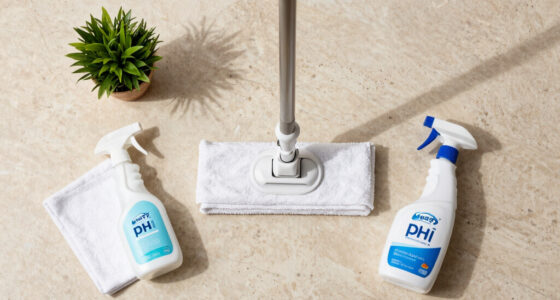
When unsure, use traditional damp mopping, microfiber pads, and cleaning solutions named in your warranty documents.
Warranty confidence scale
From cleaner choice to warranty outcome.
The safer path is simple: identify the floor, read the care terms, test discreetly, and document what you do.
Does steam automatically void a warranty?
Not always. It depends on the flooring material and the exact warranty terms.
How do I know if my floor is steam-safe?
Check the care instructions or contact the manufacturer before using steam.
Can I steam laminate or vinyl?
Laminate is generally risky. Vinyl may be acceptable only when the manufacturer approves it.
What is the safer alternative?
Use a lightly damp microfiber mop and an approved cleaning solution.
Does Steam Mopping Really Void Your Floor Warranty? Here’s the Truth
The simple answer: **It depends**. Your warranty’s protection hinges on what kind of flooring you have and what the manufacturer says. Many brands specify that steam cleaning can damage certain surfaces, which might void your warranty if you ignore those rules.
For example, hardwood floors often come with warnings against steam mopping. If moisture seeps into the wood, it can cause warping or cupping, leading to costly repairs or even the need for replacement. This damage might not be immediately visible but can compromise the structural integrity of your flooring over time. Conversely, vinyl and tile floors tend to tolerate steam better—if your manufacturer approves—because these materials are more resistant to moisture and heat. Ignoring these guidelines can result in damage that’s not covered by warranty, forcing you to pay out of pocket for repairs.
Think of your warranty as a contract. If it clearly states “no steam cleaning,” using a steam mop could void it—just like ignoring a car’s warning light might void your vehicle’s warranty. Always check the fine print before steaming away. By understanding these stipulations, you can make informed decisions that protect your investment and avoid unexpected expenses.
best steam mops for hardwood floors
As an affiliate, we earn on qualifying purchases.
As an affiliate, we earn on qualifying purchases.
How Your Floor Type Changes the Steam Mopping Risk
Not all floors react the same to steam. Here’s a quick rundown of common materials, with insights into why certain floors are more vulnerable:
| Floor Type | Steam Mopping Safe? | Why or Why Not |
|---|---|---|
| Hardwood | Usually no | Moisture and heat can cause the wood to warp, swell, or develop cupping. Even small amounts of water trapped beneath the finish can lead to long-term damage, which may not be immediately apparent but will deteriorate the floor’s appearance and stability over time. This can result in costly repairs or replacement, and such damage often isn’t covered if caused by unauthorized cleaning methods. |
| Laminate | Generally no | While initially resistant, moisture can seep into seams and cause the core to swell or delaminate. The heat from steam can also weaken the surface finish, leading to discoloration or peeling. Because laminate is a layered product, damage can be extensive and hidden beneath the surface, making repairs complicated and expensive. |
| Vinyl & Tile | Often yes | These materials are more resistant to moisture and heat, but this doesn’t mean all vinyl or tile floors are safe. Variations in manufacturing and installation quality can affect their vulnerability. Some vinyl flooring has a backing layer that can be damaged by excessive moisture, and grout lines in tile floors can trap water, leading to mold or deterioration if not properly sealed. Always verify manufacturer guidelines to avoid risking damage that voids warranty. |
| Engineered Wood | With caution | Similar to hardwood, engineered wood has a veneer layer over a core that can be sensitive to excess moisture. While some engineered floors are designed to tolerate light moisture, the heat and steam from a mop can still cause warping or delamination if not specifically approved. Careful testing and manufacturer guidance are essential to prevent warranty voidance. |
Understanding these nuances helps you weigh the risks and benefits. For instance, a vinyl flooring owner might feel comfortable using steam periodically if approved, while hardwood owners should consider alternative cleaning methods. Recognizing the implications of using steam on different surfaces ensures you preserve both your floors and warranty coverage.
As an affiliate, we earn on qualifying purchases.
3 Simple Ways to Keep Your Floor Safe While Using a Steam Mop
Before steaming, always double-check your floor’s care instructions. Here are three practical tips to minimize risks and safeguard your warranty:
- Read the label: Look for specific mention of steam cleaning or water restrictions. Understanding the manufacturer’s stance helps you avoid unintentional damage, which could void your warranty.
- Test in a hidden spot: Apply the steam mop to a small, inconspicuous area—such as behind a door or along a corner—using the lowest steam setting. Wait 24 hours and inspect for warping, discoloration, or bubbling. This proactive step helps you determine safety without risking your entire floor.
- Adjust steam settings: Use the lowest possible steam level and avoid prolonged exposure. This reduces moisture and heat transfer, lessening the chances of damage. Proper technique—like keeping the mop moving—further minimizes localized stress on your flooring.
For example, if you own a laminate floor, testing in a corner first can save you from costly repairs. If no damage appears after a day, it’s likely safe to proceed, but always stay vigilant and follow manufacturer advice to keep your warranty intact.
As an affiliate, we earn on qualifying purchases.
What to Do If You Accidentally Use Steam on a Non-Approved Floor
If you steam on a floor that isn’t approved, don’t panic. The key is to act quickly to minimize damage and preserve your warranty coverage. First, immediately dry the area thoroughly with a clean, absorbent towel or cloth to remove excess moisture. This step helps prevent water from seeping further into the material, which could worsen damage.
Next, document the condition of your floor with photos and notes. Contact your flooring manufacturer or warranty provider promptly to report the incident and seek guidance. They might recommend an inspection or specific cleaning methods to mitigate damage. Sometimes, they may advise applying a sealant or performing repairs to prevent further deterioration. Addressing the issue swiftly can often reduce the risk of warranty denial and costly repairs later.
For example, if you notice a slight warp after steaming hardwood, drying the area immediately and consulting with a professional can help determine if the damage is repairable within warranty terms. Taking these steps demonstrates your proactive approach, which can be crucial if warranty disputes arise.
As an affiliate, we earn on qualifying purchases.
Frequently Asked Questions
Does using a steam mop automatically void my flooring warranty?
Not always. It depends on your flooring material and the specific warranty terms. Always check your manufacturer’s guidelines before steaming.How can I tell if my floor is safe for steam cleaning?
Look for care instructions from the manufacturer or contact customer service. If they specify steam cleaning or water restrictions, follow those exactly.Are there safer options to steam mopping for sensitive floors?
Yes. Traditional damp mopping with a microfiber cloth and approved cleaning solutions usually pose fewer risks and are often safer for delicate surfaces.Can I use a steam mop on laminate or vinyl floors?
Often yes, but only if your manufacturer states it’s safe. Always verify first—if in doubt, avoid steam cleaning these surfaces.What should I do if I accidentally used a steam mop on a non-recommended floor?
Dry the area thoroughly and contact your manufacturer or warranty provider for advice. They may recommend inspection or specific cleaning steps to prevent damage.Conclusion
Steam mopping can be a quick, effective clean—if your floor type and manufacturer guidelines allow it. The key is to read the instructions, test carefully, and use the right settings. That way, you keep your floors and warranty both intact.
Remember, a little caution now can save you from costly repairs or warranty disputes later. Your floors will thank you for it—and so will your peace of mind.
Fall Picks
fall essentials
As an affiliate, we earn on qualifying purchases.