TL;DR

Get cleaning gear delivered free with Prime
- Fast, free delivery on millions of items
- Prime Video, Amazon Music and more included
- Member-only deals all year
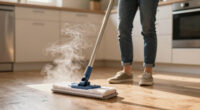
Steam mops can damage glued-down vinyl floors by weakening adhesives or warping the vinyl. Always check manufacturer guidance and opt for gentle cleaning methods to preserve your floors’ longevity.
If you’ve ever wondered whether a steam mop could be your miracle cleaning tool for glued-down vinyl, here’s the truth: it’s a risky move. Steam might seem like an easy fix for stains and dirt, but it can turn into a costly mistake. Your vinyl floor isn’t just a surface—it’s a carefully bonded layer that heat and moisture can weaken.
So, what’s the real story? Can you safely steam clean glued-down vinyl, or should you stick to gentler methods? Keep reading, and you’ll learn exactly what to do to keep your floors pristine without risking damage.
Most vinyl flooring manufacturers advise against steam mopping glued-down vinyl due to risk of adhesive damage.
Heat and moisture from steam can soften glue, causing bubbling, warping, or lifting of the vinyl surface.
Use a damp microfiber mop with gentle, pH-neutral cleaners instead of steam for safe, effective cleaning.
Always test a small, hidden area before attempting any cleaning method, especially with new steam mops claiming vinyl safety.
Promptly address signs of damage—such as bubbles or lifting—to prevent costly repairs later.
Can You Steam Mop Glued-Down Vinyl?
TL;DR: Steam mops are a risky move for glued-down vinyl. Heat and moisture can weaken adhesive, trigger bubbles, warp the surface, or lift edges. The safer routine is boring in the best way: sweep often, use a damp microfiber mop, and choose a mild pH-neutral cleaner.
Check the floor maker first. When in doubt, skip steam.
The floor is not just vinyl. It is a bonded system.
Glued-down vinyl depends on adhesive strength. Steam mops introduce heat and moisture at the exact layer that needs to stay stable, dry, and firmly attached.
Glue can soften
High-temperature steam may weaken the adhesive under planks or sheets, making the vinyl feel loose, hollow, or uneven.
Bubbles can grow
Small bubbles often begin as subtle raised spots. Continued moisture exposure can turn them into larger lifted sections.
Guidance matters
Many manufacturers advise against steam cleaning glued-down vinyl. Ignoring that guidance may create repair or warranty problems.
What happens when steam reaches the adhesive layer?
The damage can be delayed. A floor may look fine right after cleaning, then show lifting, wavy seams, or dull patches days or weeks later.
Relative risk by cleaning method
Lower heat and lower moisture preserve the bond. Steam pushes both in the wrong direction.
Failure sequence
Think of the vinyl like a sticker exposed to warm, damp air. The surface may stay intact while the bond underneath slowly loses grip.
Cleaning pressure scale
What to use, what to avoid, and what to test first.
Modern steam mops may claim vinyl safety, but glued-down vinyl needs a stricter standard: the flooring manufacturer’s written guidance.
| Method | Adhesive safety | Moisture control | Best use | Verdict |
|---|---|---|---|---|
| Steam mop | ✗ High risk | ✗ Poor | Only if both mop and floor manufacturer approve it | Avoid |
| Damp microfiber mop | ✓ Strong | ✓ Excellent | Routine cleaning with mild pH-neutral solution | Best choice |
| Soft cloth spot clean | ✓ Strong | ✓ Excellent | Stains, spills, sticky spots, and small marks | Recommended |
| Wet mop or soaking | ~ Variable | ✗ Poor | Not ideal for glued-down vinyl seams or edges | Use caution |
| Abrasive tools | ~ Surface risk | ~ Depends | Avoid scouring pads, stiff brushes, and harsh chemicals | Skip |
A low-risk cleaning flow for glued-down vinyl.
The goal is simple: remove grit, use minimal moisture, avoid heat, and act quickly when bubbles or lifting appear.
Sweep or vacuum
Remove grit before it scratches or dulls the vinyl surface.
Mix mild cleaner
Use water with a small amount of pH-neutral cleaner.
Damp mop
Wring microfiber thoroughly so moisture stays controlled.
Spot treat
Use a soft cloth for stubborn dirt instead of heat or abrasion.
Dry quickly
Remove leftover moisture, especially near seams and edges.
When a steam mop claims vinyl safety, slow down.
Some newer models offer adjustable steam and special pads, but “safe for sealed vinyl” is not the same as “safe for your glued-down vinyl floor.”
Read the floor warranty
Flooring guidance outranks mop marketing claims.
Confirm adhesive compatibility
Glued-down systems are sensitive because the bond is part of the floor’s structure.
Test a hidden area
Watch for dulling, soft seams, bubbling, lifting, or surface distortion.
Traceability chain
Use this quick logic check before cleaning. If any link feels uncertain, choose the gentler method.
Fast answers for glued-down vinyl care.
The safest advice is consistent across the most important questions: avoid heat, limit water, and preserve the adhesive bond.
Can I use a steam mop?
Generally, no. Most manufacturers recommend avoiding steam on glued-down vinyl because heat and moisture can weaken adhesive.
What should I use instead?
A damp microfiber mop with a mild pH-neutral cleaner is the safest everyday option.
Will damage appear immediately?
Not always. Adhesive weakening can show later as bubbles, warped areas, loose edges, or lifting seams.
How do I handle bubbles?
Stop using heat and excess moisture. Small areas may be re-adhered, but larger lifting often needs professional repair.
Why Steam Mops Are Usually a Bad Idea for Glued-Down Vinyl
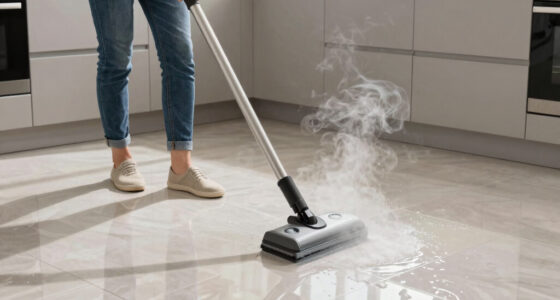
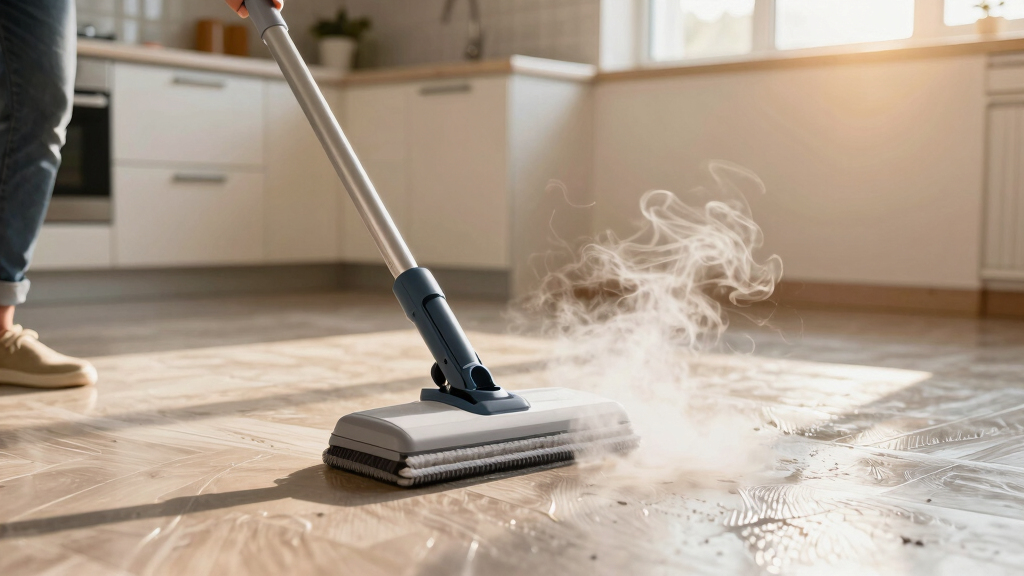
Steam mops use high-temperature steam to loosen dirt and sanitize floors. But glued-down vinyl is different. It’s adhered directly to the subfloor with adhesive, which can be sensitive to heat and moisture. Applying steam can soften the glue, causing the vinyl to bubble or lift.
Imagine walking on a vinyl floor that suddenly feels wavy or starts to peel at the edges—that’s a sign the adhesive is compromised. Many manufacturers warn against steam because it can weaken the bond, leading to costly repairs or replacement.
Take it from real-world examples: a homeowner who steam-cleaned her vinyl kitchen floor found patches lifting a few weeks later. That’s the kind of damage you don’t want to deal with!
As an affiliate, we earn on qualifying purchases.
How Heat and Moisture Actually Damage Glued-Down Vinyl Floors
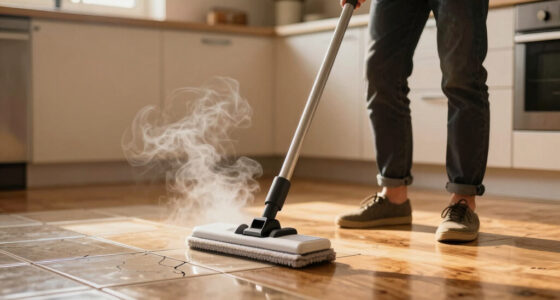
Heat and moisture from a steam mop penetrate the vinyl and reach the adhesive underneath. Over time, this weakens the glue’s grip, causing the vinyl to warp, bubble, or even lift in patches. Think of it like a sticker slowly losing its adhesive when exposed to warm, damp air.
This damage isn’t just about appearance; it affects the structural integrity of your floor. When the adhesive weakens, sections of vinyl can become loose, creating uneven surfaces that are not only unsightly but also hazardous. For instance, a small bubble might seem minor initially, but as the adhesive continues to degrade, it can lead to larger sections lifting or even tearing. This means higher repair costs and more inconvenience down the line.
Modern vinyl is more resilient but still not immune. The damage can be subtle at first—small bubbles or warping—that escalate if ignored. Understanding this physical process highlights why avoiding heat and excessive moisture isn’t just about maintaining aesthetics but also about preserving the floor’s safety and longevity.
pH-neutral floor cleaner for vinyl
As an affiliate, we earn on qualifying purchases.
As an affiliate, we earn on qualifying purchases.
Better Ways to Clean Glued-Down Vinyl Floors Without Risks
If steam isn’t safe, what should you do? The answer is gentle, effective cleaning that preserves the adhesive and surface. Start with a simple routine:
- Sweep or vacuum regularly to remove dirt and debris. This prevents dirt from scratching or dulling the surface and reduces the need for harsher cleaning methods.
- Use a damp microfiber mop with a mild, pH-neutral cleaner—think a few drops of dish soap in water. This method minimizes water exposure, preventing excess moisture from seeping into the adhesive and causing damage.
- Spot clean stubborn stains with a soft cloth and gentle solution, avoiding harsh chemicals or abrasive tools. This targeted approach helps maintain the floor’s appearance without risking the integrity of the bond.
For example, a homeowner successfully cleaned her vinyl kitchen floor by using a microfiber mop dampened with water and a splash of vinegar. This method not only kept her floor shiny and clean but also avoided the risks associated with steam or excessive water. It’s a simple, cost-effective way to extend your floor’s life.
Remember, the key is to use as little water and heat as possible. This approach preserves the adhesive’s strength, preventing bubbling, warping, or lifting over time. Consistent, gentle cleaning is the best strategy to keep your glued-down vinyl looking its best for years to come.
As an affiliate, we earn on qualifying purchases.
What Modern Steam Mops Claim to Do for Vinyl Floors
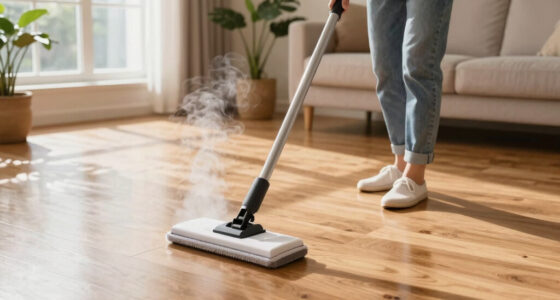
Some newer steam mops feature adjustable steam settings and special pads claiming to be safe for sealed or resilient vinyl. But caution is still necessary. Manufacturers often specify that only sealed, non-porous surfaces can tolerate steam cleaning.
For instance, a popular steam mop brand states that their device is safe on sealed vinyl but warns against use on glued-down vinyl unless confirmed by the floor’s manufacturer. Always verify these claims and test in a hidden corner first.
It’s tempting—these mops promise quick, sanitized floors—but remember, every vinyl floor reacts differently. When in doubt, stick with non-heat-based cleaning. Using a steam mop on glued-down vinyl without proper confirmation can lead to unseen damage that worsens over time, potentially voiding warranties or causing costly repairs. The implications are significant: even if the surface looks unaffected immediately, heat can subtly weaken the adhesive, leading to future issues that are difficult and expensive to fix. So, always prioritize safety and manufacturer recommendations before considering these devices.
As an affiliate, we earn on qualifying purchases.
Frequently Asked Questions
Can I use a steam mop on glued-down vinyl flooring?
Most manufacturers recommend avoiding steam mops on glued-down vinyl because the heat and moisture can weaken the adhesive, causing bubbles or lifting. Always check your floor’s guidelines first.What are safer cleaning options for glued-down vinyl floors?
Use a microfiber cloth or mop dampened with water and a mild, pH-neutral cleaner. Regular sweeping and spot cleaning help keep your floors pristine without risking damage.Will steam cleaning damage my vinyl floors?
It can, especially if the steam penetrates the adhesive underneath. The risk is highest on glued-down vinyl, where heat can loosen the bond and cause warping or lifting.Are there steam mops designed for vinyl floors?
Some models claim to be safe for sealed vinyl, but always verify with the manufacturer. Even then, it’s best to test in an inconspicuous spot first.How do I fix bubbling or lifting vinyl floors?
Stop using heat or moisture immediately. Small bubbles may be pressed down and re-adhered, but larger areas often need professional repair or replacement. Prevention is key—stick to gentle cleaning.Conclusion
Think of glued-down vinyl as a delicate painting—too much heat or moisture can ruin it. Stick to gentle cleaning routines, and always check your manufacturer’s advice before using steam. Protect your floors, and they’ll serve you well for years to come.
When in doubt, remember: a damp cloth and a little patience beat a risky steam mop every time. Your floors—and your wallet—will thank you.
Halloween Picks
halloween
As an affiliate, we earn on qualifying purchases.