TL;DR

Get cleaning gear delivered free — and shop member deals
- Fast, free delivery on millions of items
- Access to Prime Big Deal Days deals on October 6–7
- Prime Video, Amazon Music and more included
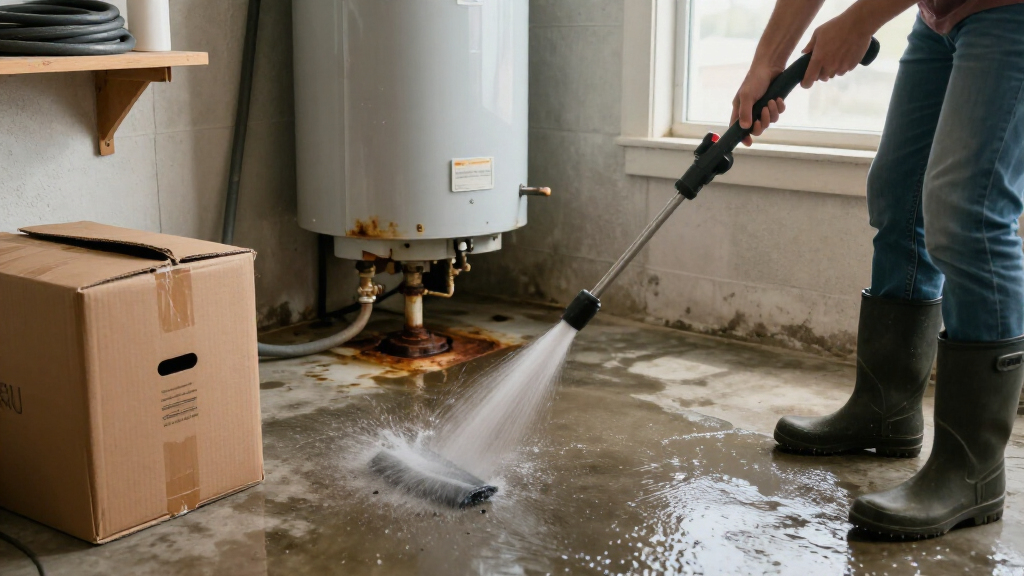
A Minnesota homeowner named Ethan found his 21-year-old water heater had rusted through and flooded much of the utility closet floor. The supply valve would not stop the flow, so he shut off the home’s main water; plumbers said he also should have disconnected the heater’s power or gas before working on it.
A 21-year-old water heater rusted through and flooded much of a Minnesota homeowner’s utility closet, Family Handyman reported, while a faulty supply valve continued to let water into the tank. The homeowner, identified as Ethan, eventually shut off the main water supply and installed a replacement; plumbers interviewed for the report said he should also have turned off the heater’s gas or electricity before handling it.
Ethan discovered the leak after filling a bathtub for his young daughter and finding the water was not hot. When he opened the utility closet, he saw water across most of the floor and identified the failed tank. He closed the heater’s supply valve and attached a hose to drain the tank before going to buy a replacement.
Water was still draining when he returned, indicating that the supply valve had not closed. Ethan then shut off the home’s main water supply. The next morning, he installed a new heater and enlisted his father-in-law to carry the old one upstairs. Ethan said the old unit weighed more than 120 pounds and leaked during removal despite efforts to contain the water.
Plumbers consulted by Family Handyman said both gas and propane water heaters commonly last 10 to 15 years before corrosion becomes a problem. Ethan’s unit was 21 years old. The report also said a failed valve can result from deteriorated gaskets or buildup that prevents it from sealing.
A Failed Valve Can Worsen a Leak
The incident shows how a tank failure can become a larger water problem when the shutoff valve does not work. Plumber Brendan Tonks told Family Handyman that shutting off the main supply is the only option in that situation and that a delay of even 10 minutes can mean hundreds of gallons on the floor. That is his warning about the potential flow, not a measured amount from Ethan’s home.
Water left standing can damage floors and belongings and may lead to mold remediation. The report estimated that flood damage can cost from thousands to tens of thousands of dollars, depending on the extent. It also gave approximate replacement costs of $700 for a DIY installation and $1,500 to $3,500 for professional installation; those figures are estimates, not a bill for Ethan’s project.
Why the Tank’s Age Mattered
The plumbers interviewed said water heaters typically last 10 to 15 years before corrosion causes failure. Ethan’s was 21 years old, and the report noted that he lives in Minnesota, where cold conditions can make water heaters work harder. These details offer context for the failure but do not establish the precise cause of the tank corrosion.
Family Handyman said replacing an anode rod every few years can help extend a heater’s service life by limiting corrosion. It estimated the rod itself at $20 to $50 for a DIY replacement, or $150 to $600 with a professional. The article also discussed leak-monitoring devices that can shut off water automatically; plumber Kolby Barnes recommended considering one to help limit damage from sudden or slow leaks.
““If there’s a silver lining here, it’s that we were home when this happened.””
— Ethan, the homeowner, as quoted by Family Handyman
Damage and Failure Cause Remain Unreported
The report does not give the date of the incident, the volume of water released, or the final cost of repairs and cleanup. It also does not report whether the basement sustained lasting damage or whether mold developed. While the tank was visibly rusted through, the exact factors behind its corrosion were not established.
The account does not identify the heater’s fuel type or describe a professional inspection of the installation. Ethan completed the replacement himself, but the report does not say whether the work was reviewed or whether any local permit requirements applied.
Inspection and Leak Prevention Steps
The report does not describe a scheduled follow-up or additional work at Ethan’s home. For other homeowners, its plumbers recommended watching for signs of aging, maintaining the heater’s anode rod, and considering a leak detector with an automatic shutoff. A failed tank or valve calls for prompt action to limit water damage.
Family Handyman’s safety guidance says to turn off the heater’s gas or electricity before touching it, then shut off the home’s main water supply if the heater valve does not stop the flow. The article cautions that gas and electrical components can be hazardous; homeowners who are unsure about safe shutoff or replacement should contact a qualified professional.
Key Questions
How old was the water heater when it failed?
It was 21 years old. Plumbers interviewed by Family Handyman said gas and propane heaters commonly last 10 to 15 years before corrosion causes failure.
Why did water keep flowing after Ethan closed the heater valve?
The valve did not close fully, according to the report. Plumbers said worn gaskets or buildup in the line can keep an older valve from sealing.
What did Ethan do to stop the continuing flow?
He shut off the home’s main water supply after finding that the heater’s supply valve was faulty.
What safety step did plumbers say he missed?
They said he should have turned off the heater’s gas or electricity before working on it. The report warns that water heaters involve components that can create fire or electrical hazards if handled incorrectly.
Source: rss
Evergreen bestsellers Picks
bestsellers
As an affiliate, we earn on qualifying purchases.