
TL;DR

Get cleaning gear delivered free — and shop member deals
- Fast, free delivery on millions of items
- Access to Prime Big Deal Days deals on October 6–7
- Prime Video, Amazon Music and more included
Mold inside a steam mop tank can pose health risks and reduce cleaning efficiency. Regularly clean with vinegar or hydrogen peroxide, dry thoroughly, and follow manufacturer advice to keep mold at bay.
When you fire up your steam mop, you expect a burst of hot, clean steam. Instead, you might notice a foul odor or see black spots floating inside the tank. Mold inside a steam mop tank isn’t just gross—it can be a health hazard.
Keeping your steam mop mold-free isn’t complicated, but it does require regular attention. In this guide, you’ll learn how mold forms, how to spot it early, and the best ways to eliminate it safely. Plus, you’ll discover simple habits to prevent future growth—so your cleaning tool stays safe and effective for years.
Clean your steam mop tank monthly using vinegar or hydrogen peroxide to prevent mold buildup.
Always dry the tank thoroughly after cleaning—moisture is mold’s best friend.
Use distilled water to reduce mineral deposits and mold-friendly environments inside the tank.
Avoid bleach; it can damage your steam mop and leave residues that cause problems.
Choose models with removable, washable tanks or antimicrobial coatings for easier maintenance.
Why Mold Forms in Your Steam Mop Tank and How to Spot It
Mold loves damp, warm environments—exactly what a steam mop tank provides if left wet after use. When residual water sits in the tank, tiny spores settle and start to grow, especially if the environment stays humid. Over time, this growth not only produces unpleasant odors but can also release mold spores into the air during use, posing health risks like allergies or respiratory issues.
Signs include visible black or greenish spots, a musty smell during or after cleaning, or a sudden drop in steam output. Recognizing these early indicators is crucial because mold can quickly spread and become harder to eliminate if ignored. Furthermore, mold can degrade the material of the tank over time, leading to cracks or leaks, which may necessitate costly repairs or replacements. Early detection and prompt cleaning are essential to maintain your steam mop’s efficiency and your indoor air quality.
For example, if you notice a ‘damp sock’ smell after mopping, it’s time to check your tank for mold spots or discoloration, as these are direct signs of mold colonies establishing themselves inside.
As an affiliate, we earn on qualifying purchases.
Understanding the Lifecycle of Mold in Your Steam Mop
To effectively combat mold, it helps to understand its lifecycle. Mold spores are everywhere—both indoors and outdoors—but they only become problematic when they find a suitable environment to grow. Inside your steam mop tank, residual moisture and warmth create such an environment. Once spores land on a damp surface, they germinate and form colonies, releasing more spores into the environment as they grow.
This cycle can accelerate if the tank remains wet and is not cleaned regularly. Knowing this, you can see why neglecting regular maintenance allows mold to establish itself quickly. Interrupting this lifecycle by cleaning and drying the tank prevents spores from settling and growing, breaking the cycle before it takes hold.
hydrogen peroxide for steam mop mold
As an affiliate, we earn on qualifying purchases.
As an affiliate, we earn on qualifying purchases.
Simple, Effective Tricks to Clean Mold Out of Your Steam Mop Tank
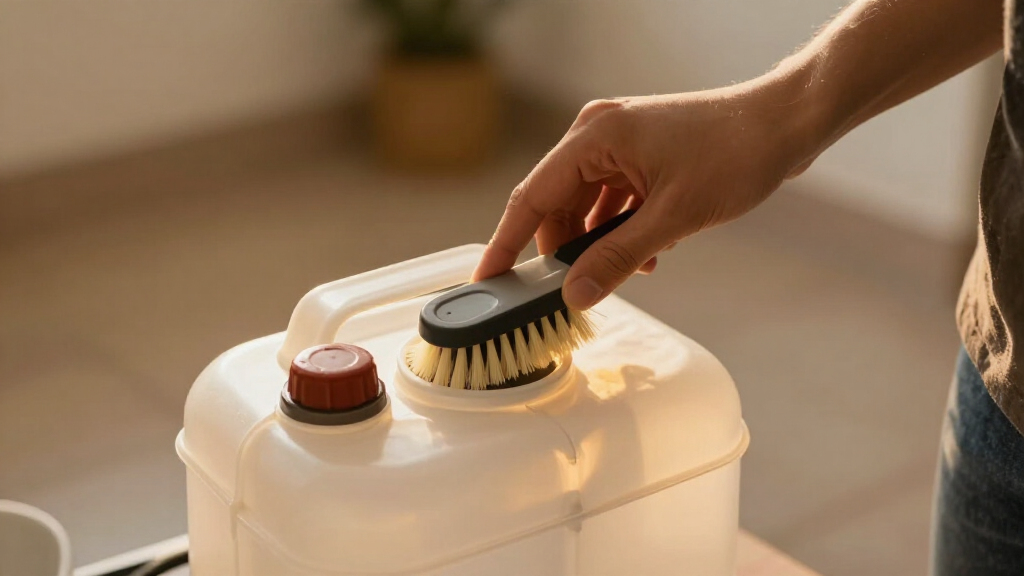
Getting mold out of a steam mop tank is straightforward if you follow these steps, but understanding why each step matters helps prevent future mold growth. Completely emptying the tank after each use removes residual water that mold spores need to thrive. Filling the tank with a mixture of equal parts water and vinegar creates an acidic environment that breaks down mold spores and inhibits their regrowth, acting as a natural disinfectant. Running the steam mop until the vinegar solution is expelled ensures thorough contact with internal surfaces, flushing out mold residues that may be hidden in crevices.
Rinsing the tank thoroughly with clean water removes any vinegar or peroxide residues that could cause damage or leave residues affecting cleaning performance. Drying the tank completely—either with a cloth or by air drying in sunlight—removes remaining moisture, which is critical because mold needs humidity to survive. This drying step is especially important because any lingering dampness can serve as a breeding ground for mold.
Hydrogen peroxide works similarly, with its strong oxidizing properties capable of killing mold spores more aggressively. Pouring a 3% solution, running a cleaning cycle, then rinsing and drying, provides an extra layer of protection. Avoiding bleach is advised because, although effective against mold, it can damage the tank’s material, degrade rubber seals, and leave residues that may cause long-term problems. Balancing safety and effectiveness ensures your cleaning routine maintains the integrity of your appliance.
For example, a homeowner recently used this method, and within a week, the foul smell vanished, and performance returned to normal. This demonstrates how understanding the why behind each step leads to more effective and sustainable mold removal.
As an affiliate, we earn on qualifying purchases.
Additional Tips for Preventing Mold Growth
Prevention is always better than cure. To keep your steam mop mold-free, consider these additional tips:
- Always empty and dry the tank completely after each use.
- Store your steam mop in a dry, well-ventilated area.
- Use distilled water instead of tap water to reduce mineral deposits that can harbor mold.
- Regularly inspect the tank for signs of mold or discoloration.
- Follow the manufacturer’s maintenance recommendations for your specific model.
By integrating these habits into your cleaning routine, you significantly reduce the risk of mold developing and ensure your steam mop remains effective and safe for long-term use.
As an affiliate, we earn on qualifying purchases.
Frequently Asked Questions
How do I know if my steam mop has mold inside?
Look for visible black or green spots, a musty smell, or a decrease in steam power. These signs point to hidden mold lurking inside the tank.What’s the safest way to clean mold from my steam mop tank?
Vinegar or hydrogen peroxide solutions are safe and effective. Avoid harsh chemicals like bleach, which can damage the tank or leave residues.Can I use bleach to clean mold in my steam mop?
It’s generally not recommended. Bleach can corrode the tank and leave harmful residues that might be released during use, posing health risks.How often should I clean the steam mop tank?
Monthly cleaning is a good rule of thumb, especially if you use the mop frequently or notice any signs of mold.Are newer steam mops designed to prevent mold?
Yes, models with removable, washable tanks or antimicrobial coatings help reduce mold risk and make maintenance easier.Conclusion
Regular cleaning, drying, and proper storage are your best defenses against mold inside your steam mop tank. Think of it as giving your cleaning tool a spa treatment—simple, effective, and worth every effort.
Next time you finish mopping, remember: a quick vinegar rinse, a thorough dry, and smart storage keep mold at bay. Your floors—and your lungs—will thank you for it.
Fall Picks
fall essentials
As an affiliate, we earn on qualifying purchases.