TL;DR
Listen free for 30 days with Audible
Thousands of audiobooks and originals — cancel anytime.
Start your free trialAs an affiliate, we earn on qualifying purchases.
You can cut water use significantly by adopting targeted cleaning methods, using efficient fixtures, and leveraging new technology. These small changes add up to a cleaner home with a smaller water footprint.
Imagine washing dishes or mopping floors with half the water you normally use. It’s possible, and it’s better for the environment—and your wallet. You don’t have to sacrifice cleaning power to save water. In fact, small tweaks and smarter habits can make a big difference.
In this guide, you’ll learn proven ways to cut water consumption while still keeping your home spotless. From simple habit changes to modern gadgets, these practical tips help you stay clean and conserve water at the same time.
Switch to water-efficient fixtures like aerators and low-flow showerheads.
Use targeted cleaning methods—vacuum first, then spot clean—to save gallons.
Upgrade to appliances with the WaterSense label for big water savings.
Adopt smart habits: short showers, full loads, and turning off taps.
Harvest rainwater for outdoor use to slash outdoor water bills.
Start with targeted cleaning — skip the water-wasting routines
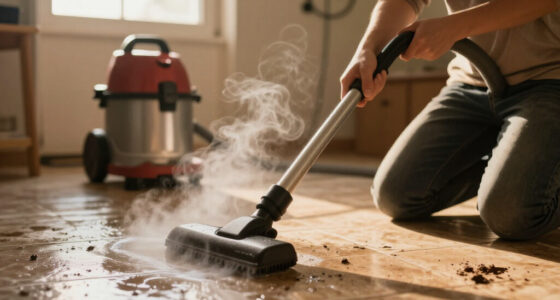
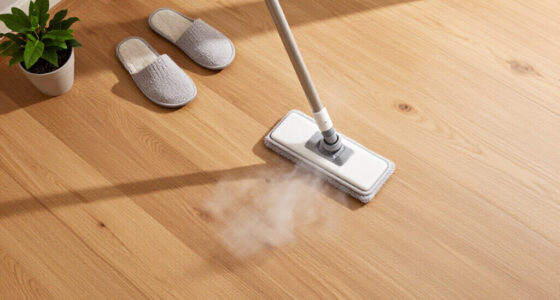
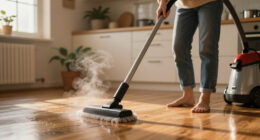
Cleaning smarter begins with knowing what actually needs water. For example, using a broom on your driveway instead of a hose prevents unnecessary water runoff and waste, which is especially important in areas facing drought. For indoor floors, vacuum first to remove loose dirt, then spot clean with a damp cloth only where necessary. This reduces the need for large amounts of water used in mopping, saving gallons each week.
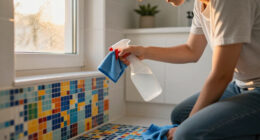
Think about scrubbing kitchen counters or bathroom sinks with a damp cloth instead of flooding the basin. These small, focused efforts are not only more water-efficient but also prevent the buildup of soap scum and grime, making cleaning easier and more effective in the long run. When you use less water in daily chores, your overall consumption drops sharply, which is vital in conserving local water resources and reducing your utility bills.
WaterSense labeled low flow showerhead
As an affiliate, we earn on qualifying purchases.
As an affiliate, we earn on qualifying purchases.
Choose water-efficient appliances that do the heavy lifting
Replacing old appliances with water-smart options can cut your household water use dramatically. High-efficiency dishwashers, for instance, use about 3 gallons per cycle, compared to the 10-15 gallons of older, less efficient models. Washing machines with eco settings can use up to 50% less water, which not only conserves water but also reduces energy consumption, leading to lower utility bills.
These savings matter because appliances are often the largest water users in a home. Upgrading to models with the WaterSense label ensures you’re choosing products tested for performance and efficiency. Over the course of a year, these small improvements can save hundreds to thousands of gallons, contributing significantly to overall water conservation efforts and reducing the environmental impact of your household.
high efficiency dishwasher with eco mode
As an affiliate, we earn on qualifying purchases.
As an affiliate, we earn on qualifying purchases.
Install simple fixtures that cut water without losing pressure
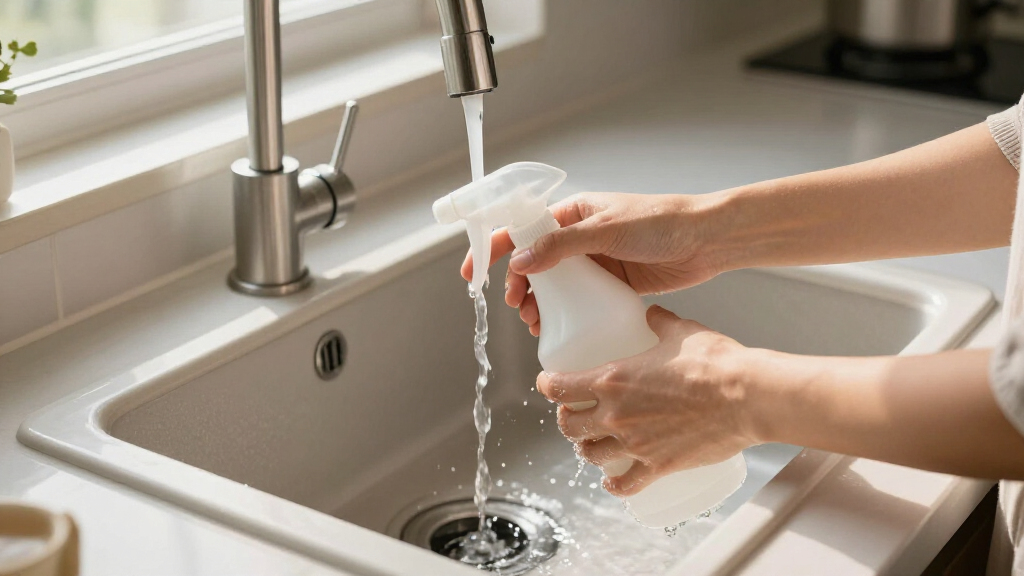
Adding aerators to your faucets is a quick, cost-effective way to reduce water flow by about 30% without sacrificing pressure. The aerator mixes air with water, creating a steady, strong stream that feels just as powerful but uses less water, which is especially beneficial during peak usage times. A typical kitchen faucet gushes 2.2 gallons per minute; with an aerator, you can reduce this to 1.5 gallons while maintaining effective rinsing and washing.
Similarly, upgrading to a low-flow showerhead can cut your shower water use from 17 gallons down to 9 gallons. This not only conserves water but also reduces energy costs associated with heating water. The tradeoff is minimal, but the environmental and financial benefits are substantial, particularly in households with multiple occupants. These fixtures help balance water conservation with the need for effective cleaning and personal comfort.
As an affiliate, we earn on qualifying purchases.
Adopt smart habits to minimize unnecessary water use
- Turn off taps when brushing teeth or washing dishes—this simple act can save hundreds of gallons annually and prevents waste caused by leaky or dripping faucets.
- Take shorter showers—aim for under 5 minutes. Cutting just 2 minutes per shower can save over 8,000 gallons a year per person, which adds up quickly in larger households. This habit reduces not only water use but also the energy required to heat water.
- Only run dishwashers and laundry machines when they are full. This maximizes efficiency and prevents unnecessary cycles that waste both water and electricity.
- Collect rainwater for outdoor cleaning or watering plants. Using rainwater reduces reliance on municipal supplies, especially during drought conditions, and helps prevent runoff pollution.
For example, a family that shortens showers by 2 minutes each can save over 8,000 gallons a year. These everyday choices, while simple, have a cumulative impact that supports water conservation goals and fosters sustainable habits.
automatic rainwater harvesting system
As an affiliate, we earn on qualifying purchases.
As an affiliate, we earn on qualifying purchases.
Compare water-saving options: fixtures, appliances, habits
| Feature | Traditional | Water-Efficient |
|---|---|---|
| Showerhead | 17 gallons/min | 9 gallons/min |
| Toilet (per flush) | 3-7 gallons | 1.28 gallons (WaterSense) |
| Washing machine | 15-20 gallons/load | 7-10 gallons/load |
Use water recycling and rainwater harvesting for outdoor chores
Collecting rainwater is a game-changer. A simple 50-gallon barrel can supply enough water for outdoor cleaning or watering plants during dry spells, reducing your reliance on municipal water and lowering your water bills. It also helps in managing stormwater runoff, preventing erosion and pollution.
Greywater systems, which reuse water from sinks and showers, can cut outdoor water needs by up to 30%. They work by filtering and directing used water to irrigation or outdoor cleaning, significantly reducing freshwater consumption. However, these systems require proper installation and adherence to local regulations, as improper use can lead to contamination or health issues. Implementing rainwater harvesting and greywater reuse not only conserves water but also promotes a more sustainable and self-sufficient household.
Frequently Asked Questions
How can I clean my floors with less water?
Start by sweeping or vacuuming thoroughly. Use a damp mop with just enough water to pick up dirt—avoid flooding the floor. For stubborn spots, spot clean with a damp cloth instead of rinsing entire surfaces.
Will switching to low-flow fixtures reduce my cleaning power?
No, not if you choose the right fixtures. Aerators and low-flow showerheads are designed to maintain pressure while using less water. Look for certified products with good reviews to ensure cleaning effectiveness stays high.
Can rainwater really replace indoor water for chores?
Yes, rainwater is a practical source for outdoor cleaning and watering plants. Using a barrel or rainwater harvesting system reduces your dependence on municipal water, especially during dry seasons.
How do I know if my appliances are water-efficient?
Check for labels like WaterSense or ENERGY STAR. These certify appliances are tested for water efficiency without sacrificing performance. Replacing just one old dishwasher or washing machine can save hundreds of gallons annually.
Conclusion
Saving water doesn’t mean sacrificing cleanliness. Small, smart adjustments—like installing efficient fixtures or changing your habits—make a real difference. Think of it as giving your home a gentle, eco-friendly tune-up.
Every gallon saved adds up, helping the planet and your wallet. Why not start today? Your home, your wallet, and the environment will thank you.
NFL season / tailgating Picks
team gear
As an affiliate, we earn on qualifying purchases.