TL;DR
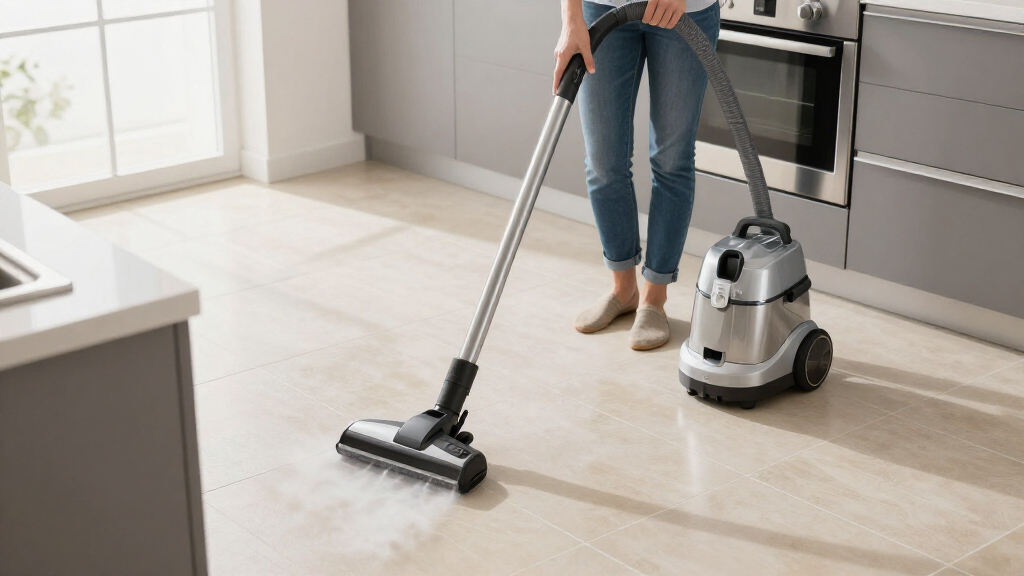
Steam cleaning can effectively remove grease from kitchen floors without chemicals. It works by melting and lifting grease, but you must match your floor type and follow safe practices. Frequent pad changes and proper pre-treatment improve results.
Nothing beats the satisfying sight of a shiny, grease-free kitchen floor. But traditional mops and harsh degreasers often leave streaks or require chemical fumes. Steam offers a cleaner, safer alternative—if you know how to use it right.
In this guide, you’ll learn how to harness steam’s heat to loosen and lift stubborn grease, what surfaces it’s safe on, and the essential steps to avoid damage or streaks. Think of it as a deep-clean shortcut that keeps your home healthier and eco-friendlier.
Always verify your floor’s compatibility with steam—sealed tile and grout are safe, but unsealed wood and unprotected surfaces are not.
Pre-treat heavy grease with baking soda or mild dish soap to soften stubborn buildup before steaming.
Work in small sections, use low steam settings, and change microfiber pads often to prevent spreading grease or leaving streaks.
Always do a quick test in a hidden spot and follow manufacturer recommendations to avoid costly damage.
A two-step approach—steam plus wiping—delivers the best clean with no streaks or residue.
How to Clean Grease Off Kitchen Floors With Steam
Steam turns water into a high-heat grease lifter—but the grease still needs somewhere to go. Match the method to your floor, loosen heavy buildup first, and finish every steamed section with a clean microfiber wipe.
Roughly 93–150°C: hot enough to soften hardened grease and help release it from sealed surfaces and grout.
Know what can take the heat
Steam performs best on sealed, non-porous flooring. Heat and moisture can enter seams, soften adhesive, swell fibre cores, or invalidate a flooring warranty—even when the surface initially looks unharmed.
Best candidates
Durable sealed surfaces tolerate brief heat and moisture while allowing steam to reach textured grease.
- Sealed ceramic tile
- Sealed porcelain tile
- Sealed stone and grout
Use caution
Check the manufacturer first. If permitted, select low steam and keep the head moving with quick passes.
- Vinyl and linoleum
- Laminate flooring
- Sealed hardwood
Avoid steam
Moisture-sensitive or adhesive-backed floors carry a high risk of swelling, lifting, staining, or warping.
- Unsealed wood or stone
- Peel-and-stick tile
- Cork and bamboo
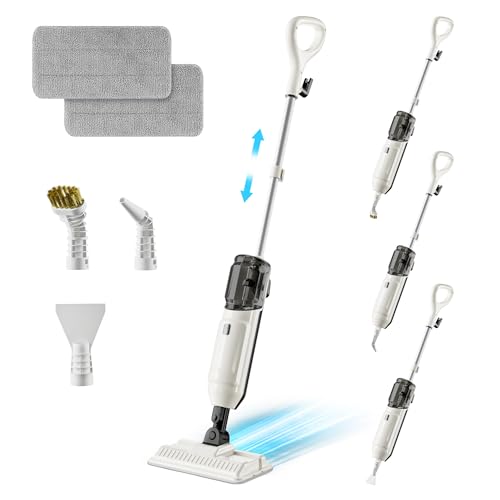
Steam Mop for Floor Cleaning, Multi-Purpose Steam Cleaner with Handheld Steamer & Accessories, Deep Cleaning Floor Steamer for Hardwood and Tile, Pet-Friendly Steam Mop for Home
Powerful Steam Mop for Deep Floor Cleaning: This steam mop cleaner delivers 260°F high-temperature steam in just 15…
As an affiliate, we earn on qualifying purchases.
As an affiliate, we earn on qualifying purchases.
Loosen, lift, absorb—never smear
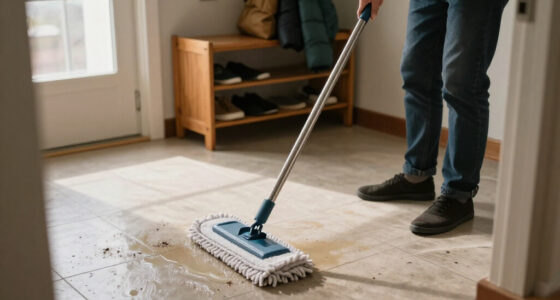
Grease does not disappear in steam. Heat breaks its grip; the pad or cloth removes it. Clean pads and immediate wiping are what turn loosened grease into a streak-free floor.
Dry-clean first
Sweep or vacuum grit, crumbs, and dust before moisture enters the job.
Pre-treat grease
Soften thick deposits with baking soda or diluted mild dish soap.
Fill correctly
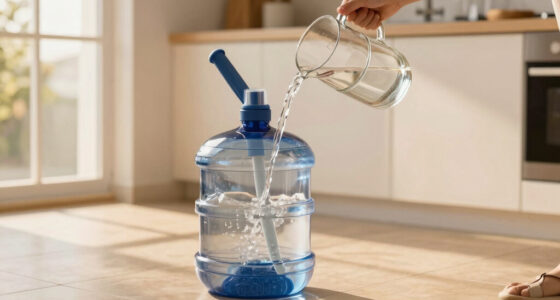
Use distilled water to reduce mineral scale and maintain steady heat.
Steam small zones
Choose the lowest effective level and make slow, controlled passes.
Wipe immediately
Absorb released grease before it cools or dries back onto the floor.
Dry completely
Ventilate the room and keep traffic off until no moisture remains.
Use a fresh pad and one controlled pass, followed by a dry microfiber wipe.
Apply baking soda or a small amount of mild dish-soap solution before steaming.
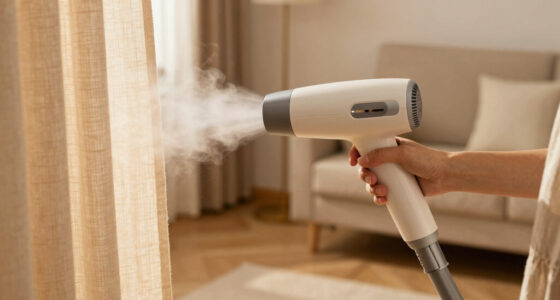
Use a detail nozzle or brush, then collect the expelled residue immediately.

Shark Steam Mop for Sealed Hard Floors with 2 Dirt Grip Pads, White, S1000
CHEMICAL-FREE SANITIZATION*: With the power of steam, remove grease and grime using just water — no chemicals needed…
As an affiliate, we earn on qualifying purchases.
As an affiliate, we earn on qualifying purchases.
Steam breaks the bond
Temperature softens grease, while pressurized vapour reaches texture and grout lines. The final wipe supplies the absorption needed to remove the loosened film rather than redistribute it.
Relative grease-removal roles
A practical model of what each part of the process contributes—not a laboratory efficacy claim.
≈140°F
≈200°F
≈300°F

FEPPO Steam Mop & Detachable Handheld Steam Cleaner for Home and Floor Cleaning, 15s Heat-Up, 230°F Floor Steamer for Deep Cleaning with Multi-purpose Attachments Hardwood Floors, Tile,Grout,Furniture
【All-in-1 Versatile Steam Mop & Steam Cleaner】This versatile steam mop transforms into a portable steam cleaner for home…
As an affiliate, we earn on qualifying purchases.
As an affiliate, we earn on qualifying purchases.
Convenience or deep-cleaning power?
Steam mops suit regular maintenance on open floor areas. Canister cleaners usually provide stronger pressure and more detailed tools for greasy grout, corners, textured tile, and baked-on deposits.
| Feature | Best specification for grease | Steam mop | Canister cleaner | Why it matters |
|---|---|---|---|---|
| Steam control | Adjustable output | ~Varies | ✓Common | Lets you match heat and moisture to the floor. |
| Pressure | Higher, sustained output | ~Moderate | ✓Stronger | Helps reach texture, corners, and greasy grout. |
| Attachments | Brush and detail nozzle | ~Limited | ✓Multiple | Adds agitation where a flat pad cannot reach. |
| Tank design | Continuous refill | ✓Quick setup | ✓Longer runs | Reduces interruptions in larger kitchens. |
| Handling | Swivel or triangular head | ✓Lightweight | ~More gear | Improves access around cabinets and appliances. |
Best when grease is light, floors are open, and quick setup matters more than detail pressure.
Best when higher pressure, longer sessions, brushes, and precision nozzles are recurring needs.

6 Pack Steam Mop Replacement Pads Compatible with Shark Steam Mops S1000/S1000A/S1000C/S1000WM/S1001C, Floor Steamer Pads Washable, Reusable Microfiber Cleaner Pads
1.Steam mop replacement pad size 12.4"x6.7" – Compatible with Shark Steam Mop S1000 Series (S1000/S1000A/S1000C/S1000WM/S1001C).
As an affiliate, we earn on qualifying purchases.
As an affiliate, we earn on qualifying purchases.
The clean only works as a complete chain
Skip one link and the outcome changes: loose grit creates muddy smears, excess steam enters seams, saturated pads spread film, and slow drying leaves spots.
Protect the floor
- Start low: use the lowest effective steam level.
- Keep moving: never park a hot steam head in one place.
- Respect seams: avoid forcing moisture into plank joints and edges.
- Use distilled water: reduce mineral buildup inside the cleaner.
Protect the household
- Clear the room: keep children and pets away from hot steam.
- Aim safely: never direct the nozzle toward skin or another person.
- Ventilate: speed evaporation and reduce lingering humidity.
- Wait to walk: a damp grease-cleaned floor may still be slippery.
Steam + wipe beats steam alone
On a manufacturer-approved sealed floor, careful heat loosens grease without a harsh chemical degreaser. Fresh microfiber then removes what the steam released.
Sealed tile, stone, and grout are the strongest candidates; moisture-sensitive floors require caution or complete avoidance.
Give baking soda or mild dish-soap solution 5–10 minutes to soften heavy, sticky buildup.
Work in small sections with the lowest effective setting and avoid lingering over seams.
Grease transfers to microfiber; a saturated pad redistributes the film and creates streaks.
Wipe immediately with clean microfiber, ventilate well, and keep traffic off until the floor is completely dry.
What surfaces can handle steam without warping or damage?
Steam works best on sealed, non-porous floors. Think ceramic tiles, porcelain, sealed stone, and well-protected grout. These surfaces can handle the heat and moisture without harm.
Never use steam on unsealed wood, unsealed stone, peel-and-stick vinyl, or unprotected hardwood. For instance, a sealed ceramic kitchen floor with greasy grout lines responds beautifully to steam, while a laminate floor might swell or delaminate.
Always check your flooring manufacturer’s guidance and do a quick test in a hidden corner before tackling the whole floor. Better safe than replacing a warped floor.
Step-by-step: How to steam away kitchen grease without making a mess
- Start with a thorough dry sweep or vacuum. Grit and dust can scratch or trap grease during steaming, and removing loose debris ensures the steam directly contacts grease, improving effectiveness and reducing streaks.
- Pre-treat heavy grease spots. Sprinkle baking soda or apply a mild dish soap solution. Let sit 5–10 minutes to loosen stubborn buildup. This pre-treatment softens and emulsifies grease, making it easier for steam to lift it, especially on thick or baked-on residues.
- Fill your steam cleaner with distilled water to prevent mineral scale and ensure consistent heat. Using the right water type enhances the machine’s performance and longevity, so your cleaning remains effective over time.
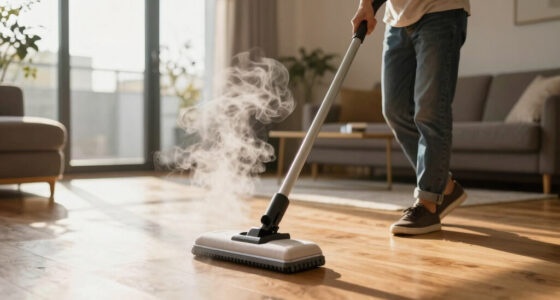
- Work in small sections. Use slow, deliberate passes with the lowest effective steam setting for your floor type. This prevents excessive moisture that can seep into seams or unsealed areas, reducing the risk of warping or damage.
- Wipe up loosened grease immediately with a microfiber cloth or mop pad. Change pads frequently—greasy residue quickly clogs or stains. This step ensures grease is absorbed rather than redistributed, maintaining a streak-free finish.
- Allow the floor to dry completely. Ventilate your space to speed up drying and prevent streaks or water spots. Proper drying preserves the floor’s appearance and prevents mold or warping caused by lingering moisture.
This method prevents spreading grease and ensures you lift, not smear, stubborn grime.
How to choose the right steam cleaner for greasy floors
| Feature | Best for Grease |
|---|---|
| Pressure & Steam Power | High-pressure models with adjustable steam levels help melt tough grease. The increased pressure and heat capacity allow for deeper penetration into textured surfaces, breaking down baked-on grime more effectively than lower-powered units. |
| Attachments | Detail nozzles and brushes for grout lines and corners. These attachments increase the contact area and agitation, ensuring grease in tight spaces is loosened thoroughly. |
| Tank Capacity | Large enough to clean multiple sections without constant refilling. A bigger tank provides continuous steam, making the process more efficient, especially in larger kitchens where frequent refills can interrupt workflow. |
| Ease of Use | Lightweight, swivel heads, and continuous refill tanks streamline the job. These features reduce user fatigue and allow for more precise maneuvering, ensuring thorough cleaning without hassle. |
Opt for a canister model if deep grout cleaning or heavy grease is common. Steam mops are convenient but may lack the power for stubborn spots. Choosing the right features ensures your investment effectively targets greasy buildup without frustration or damage.
The secret to avoiding streaks and residue after steaming
Steam alone won’t always get rid of streaks or greasy patches. The key is to change your microfiber pads often—grease quickly clogs them, reducing their absorbency and spreading residue. Using a clean, dry microfiber cloth to wipe the floor after steaming helps remove any remaining grease and moisture, preventing streaks and water spots. This step is crucial because residual grease or moisture can mix with dust or cleaning residues, leading to streaks that diminish the floor’s shine. Additionally, a second dry microfiber pass helps to absorb excess moisture and grease, ensuring a uniformly clean and streak-free surface. Proper ventilation accelerates drying, which is essential because lingering dampness can cause streaks, water spots, or even mold if left untreated. Ultimately, this two-step process of steaming followed by wiping ensures that grease is fully removed and your floors are left with a pristine, streak-free finish, maximizing your cleaning results and maintaining the floor’s integrity.
Safety tips to keep your floor and family safe
Always check your floor’s manufacturer guidelines before steaming. Using too much heat or moisture on unapproved surfaces can cause warping or damage, and overexposure to moisture can weaken adhesives or cause swelling. Use distilled water to prevent mineral buildup inside your machine, which can impair performance and lead to malfunction. Keep children and pets away during cleaning—hot steam can cause burns, and accidental contact with hot surfaces or steam jets is dangerous. Make sure the floor is completely dry before walking on it. Proper ventilation speeds up drying and reduces humidity that can cause mold or warping. Follow these safety tips, and you’ll enjoy a cleaner floor without risking damage or injury.
Why steam cleaning is better for grease than traditional mopping
Steam melts and lifts grease better than mops soaked in soap and water because of its high temperature and pressure, which penetrate textured surfaces and grout lines where grime tends to hide. This high heat causes the grease molecules to loosen and emulsify, breaking the bond that makes baked-on grease stubborn. Unlike traditional mopping, which may merely spread grease around or push it into grout lines, steam penetrates deeply, loosening even the most embedded residues. Furthermore, steam sanitizes surfaces by killing bacteria and germs, providing a hygienic clean without relying on chemical disinfectants. This is especially important in kitchens where food safety is paramount. For example, greasy buildup near stoves and sinks responds more quickly to steam because it disrupts the structural integrity of the grease, making removal easier and more thorough. While degreasers can be effective, steam cleaning offers a chemical-free, eco-friendly alternative that reduces the risk of slippery residues and streaks, resulting in a safer, more sanitary kitchen environment.
Frequently Asked Questions
Will steam cleaning damage my floor?
It depends on the floor type and seal. Sealed tile, porcelain, and sealed stone usually handle steam well. Always check your manufacturer’s guidance and test a small area first to prevent damage.
Does steam actually remove grease, or just spread it?
Steam loosens and lifts grease from the surface, but the pad or cloth must absorb it. Heavy buildup may need pre-treatment, and frequent pad changes help prevent spreading grease around.
Can I add cleaning solutions to my steam mop?
Most manufacturers advise against adding cleaners or vinegar to steamers. It can damage internal parts or void warranties. Use plain distilled water, and treat stubborn spots with a mild cleaner beforehand.
How often should I steam my greasy kitchen floor?
Weekly light steaming combined with monthly deep cleans keeps grease in check, especially in busy kitchens. Adjust based on cooking frequency and grease buildup.
Why is my floor streaky after steaming?
Streaks often come from old soap residue, a dirty pad, or grease redeposited. Wipe with a clean microfiber cloth afterward, and use fresh pads for each session.
Conclusion
Steam isn’t just for a quick refresh—it’s a serious tool for tackling stubborn kitchen grease safely. The secret lies in matching your floor type, pre-treating tough spots, and using the right technique.
Next time grease stubbornly clings to your tiles or grout, grab your steam cleaner and give it a gentle, heat-powered kiss. Your floors will thank you with a streak-free shine—and fewer chemicals in your home.