TL;DR

Get cleaning gear delivered free — and shop member deals
- Fast, free delivery on millions of items
- Access to Prime Big Deal Days deals on October 6–7
- Prime Video, Amazon Music and more included
A steam mop can effectively loosen sticky residues on sealed floors without harsh chemicals. Proper preparation, technique, and testing are key to safe, successful cleaning.
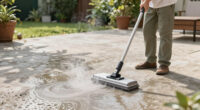
Sticky residues turn a clean floor into a stubborn mess—gummy, tacky, and hard to remove with a regular mop. You might have spilled glue, food, or cleaning products that just won’t budge. The good news? A steam mop can be your secret weapon. It uses super-hot steam to melt away residues safely and efficiently, especially on sealed floors like tile or vinyl. But it’s not a magic wand—knowing how to use it right makes all the difference.
In this guide, you’ll learn exactly how to target sticky residues with your steam mop. We’ll cover the best techniques, recent tech improvements, and safety tips to keep your floors looking pristine without damage. Whether you’re dealing with a small spot or a large sticky patch, these practical steps will help you restore your floors quickly and safely.
Always test a small area before steaming to prevent damage.
Use distilled water to keep your steam mop running smoothly and prolong its lifespan.
Adjust steam settings based on surface sensitivity and residue stubbornness.
Combine steaming with gentle wiping or scrubbing for best results.
Regular maintenance and prompt spill cleanup prevent sticky buildups.
What Makes Sticky Residue So Tough—and Why a Steam Mop Works
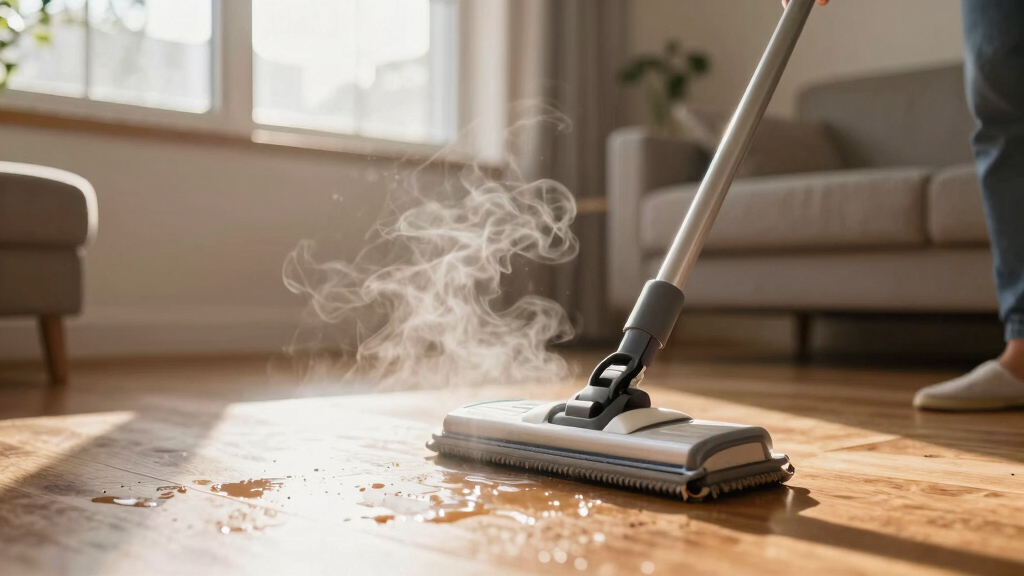
Sticky residues cling because they’re often made of adhesives, food oils, or chemical spills that bond tightly to surfaces. Traditional mops just spread the mess around, leaving behind a tacky film. A steam mop, however, heats water to over 200°F, turning it into vapor that penetrates and softens these stubborn substances. The heat breaks down the sticky bonds, making cleanup faster and easier.
Imagine spilled honey or glue on your vinyl floor. When you steam over it, the heat melts the stickiness. A quick wipe afterward and the mess lifts away, leaving a smooth, clean surface. That’s the power of high-temperature steam—no harsh scrubbing or chemicals needed.
But remember, not all surfaces are the same. Always check your floor’s manufacturer guidance to prevent damage. Testing a small hidden spot with steam first is your safest bet.
Understanding why sticky residues are so resilient is key to effective removal. These substances are often designed to adhere strongly to surfaces for durability—think of glue or adhesives used in manufacturing or food residues that harden over time. The challenge lies in breaking these bonds without harming the surface. Steam provides a controlled, high-temperature environment that can weaken these bonds at a molecular level, making it easier to lift residues without aggressive scrubbing or chemical use. This method is especially advantageous on sealed surfaces, where harsh chemicals or abrasive tools could cause damage or discoloration. Recognizing the chemistry behind residues helps in choosing the right approach—heat and patience—rather than relying solely on brute force or chemicals, which might be unnecessary or damaging.
As an affiliate, we earn on qualifying purchases.
Step-by-Step: How to Remove Sticky Residue with a Steam Mop
- Clear the Area: Remove loose debris or dust so steam can focus on the sticky spot.
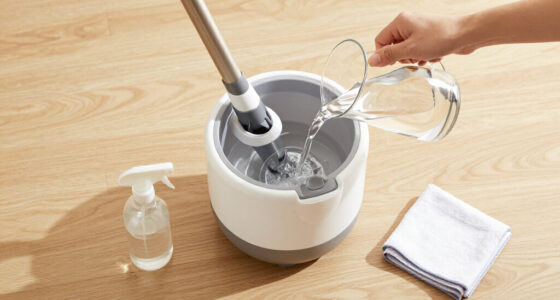
- Prep Your Steam Mop: Fill with distilled water, and ensure the pad is clean. Test on a hidden area to check compatibility.
- Pre-treat if Needed: For extremely stubborn spots, lightly spray with a mild cleaner or dab with a bit of vinegar—test first.
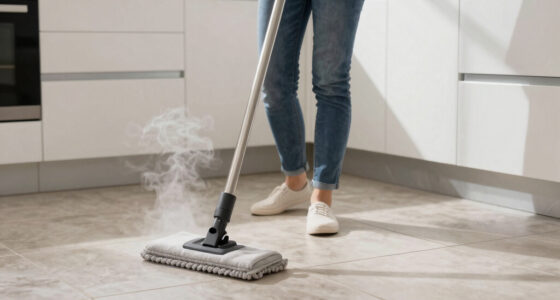
- Start Steaming: Hold the mop just above the residue, and let the steam penetrate for about 3-5 seconds.
- Wipe Away: Immediately wipe with a microfiber cloth or sponge, applying gentle pressure to lift the softened residue.
- Dry and Inspect: Dry the area thoroughly. Repeat if necessary for tough spots.
For example, a small blob of dried glue on your laminate? Follow these steps, and it might take just a couple of rounds to vanish completely.
As an affiliate, we earn on qualifying purchases.
The Latest Steam Mop Features That Make Residue Removal Easier
| Feature | Benefit |
|---|---|
| Adjustable Steam Settings | Control heat for delicate surfaces or stubborn residues |
| Microfiber Pads | Lift residues efficiently and are washable for reuse |
| Built-in Scrubbing Pads | Combine heat with mechanical action for tougher spots |
| Eco-Friendly Design | Uses only water, no chemicals—safe for families and pets |
Modern steam mops are smarter. They let you dial in just the right amount of steam, add scrubbing power, and use eco-friendly pads that lift away residues more effectively. If you’re tackling stubborn sticky spots often, investing in a model with these features can save you time and effort.
steam cleaner for glue and food spills
As an affiliate, we earn on qualifying purchases.
As an affiliate, we earn on qualifying purchases.
Safety Tips for Using a Steam Mop on Your Floors
Steam is hot—very hot. Always start by testing a small, hidden patch of your floor with the steam mop. If the surface remains unchanged after a few seconds, you’re good to go. For delicate floors like unsealed hardwood or certain vinyl types, use the lowest steam setting and keep the mop slightly above the surface.
Never let the steam mop sit in one spot too long—it can cause warping or damage. Always wipe the area dry afterward to prevent water damage or warping, especially on wood or laminate. Use a microfiber cloth to absorb excess moisture quickly.
Remember: Never add cleaning chemicals to your steam mop unless the manufacturer explicitly approves. Stick to distilled water to avoid mineral buildup, which can clog your device over time.
Understanding the importance of safety when using a steam mop is crucial. Excessive heat and moisture can cause damage if misused, especially on sensitive surfaces. Always follow manufacturer instructions for your specific model, and be mindful of the type of flooring you have. For instance, unsealed wood or delicate laminate can absorb moisture and swell if exposed to too much steam. Proper testing and cautious application help prevent costly repairs or surface damage, making steam cleaning both effective and safe.
As an affiliate, we earn on qualifying purchases.
Troubleshooting: What to Do When Steam Isn’t Enough
If the sticky residue stays stubborn after steaming, don’t force it. Try pre-treating with a tiny dab of vinegar or a gentle adhesive remover—test first to avoid damage. Increase the steam output if your model allows it. Using a soft brush attachment can mechanically loosen the residue while steaming.
For example, dried glue on a vinyl floor might need a combination of steam and gentle scrubbing to lift completely. Patience and a gentle touch work best.
And if your residue still refuses to budge? Sometimes, a bit of manual scraping with a plastic scraper or a soft brush does the trick without risking surface damage. Remember, stubborn residues often require a combination of heat, patience, and gentle mechanical action—don’t rush the process, as aggressive methods can harm your flooring.
Frequently Asked Questions
Can a steam mop remove all types of sticky residue?
Most sticky residues like glue, food spills, or adhesive remnants respond well to steam. However, extremely thick or dried adhesives may need pre-treatment or mechanical help. Always test first to avoid surface damage.
Is it safe to use a steam mop on hardwood floors?
It depends on whether your hardwood is sealed. Sealed hardwood is generally safe when using a low steam setting and testing first. Never use on unsealed or unfinished wood, as excess moisture can cause warping or damage.
What if the residue doesn’t come off after steaming?
Try pre-treating with a mild vinegar solution or adhesive remover, then steam again. Using a soft brush attachment can also mechanically loosen stubborn spots. Patience is key—sometimes multiple rounds are needed.
Can I add cleaning chemicals to my steam mop?
Most steam mops are designed to use only water. Adding chemicals can damage the device and may be unsafe for your floors. Stick with distilled water unless the manufacturer states otherwise.
How often should I deep clean my floors to prevent sticky buildup?
Regular sweeping and quick cleanups help prevent buildup. Use a steam mop weekly or as needed for deep cleaning, especially after spills or sticky spots appear.
Conclusion
Mastering the art of removing sticky residue with a steam mop isn’t about brute force — it’s about patience, control, and knowing your floor. When used correctly, steam offers a safe, chemical-free way to restore your floors’ natural beauty.
Next time you face a sticky mess, remember: heat, patience, and a microfiber cloth can turn a stubborn spot into a thing of the past. Your floors will thank you for it.
Halloween Picks
halloween
As an affiliate, we earn on qualifying purchases.