TL;DR
Open a free Amazon Business account
Business pricing, bulk buying and tax-exempt orders.
Create a free accountAs an affiliate, we earn on qualifying purchases.
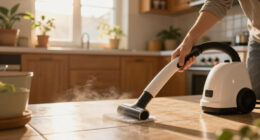
Steam cleaning baseboards and floor edges is a chemical-free way to loosen grime and kill germs. The key is to vacuum first, use the right attachment, keep steam pressure moderate, and wipe immediately. Proper technique prevents damage and ensures a spotless, sanitized finish.
Imagine the rich, dark grime that settles along your baseboards—dust, pet hair, cooking grease—clinging stubbornly to every nook. Standard mops and dusters miss these hidden corners, leaving behind a layer of dull dirt. That’s where steam cleaning shines. It’s a quick, chemical-free way to loosen and sanitize grime, making your home healthier and brighter.
But here’s the catch: not all surfaces love steam. A gentle, well-informed approach saves your trim from warping, peeling paint, or swelling. You’ll learn the exact steps to safely steam clean baseboards and edges—no guesswork, no damage—just a clean, fresh look with minimal effort.
Always vacuum or dust before steaming to remove loose dirt and pet hair.
Test a small, hidden area first to prevent damage, especially on painted or unsealed surfaces.
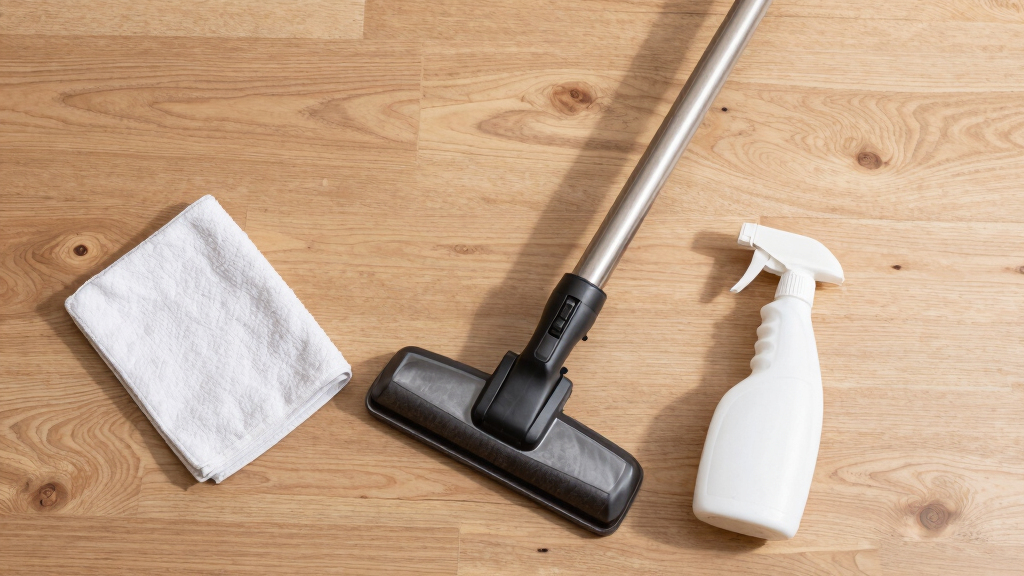
Use the right attachment—like a small nylon brush or crevice tool—for detailed cleaning.
Keep steam pressure moderate and move constantly; never hold it in one spot.
Wipe immediately with a microfiber cloth to dry and remove loosened grime.
Home Care · Chemical-Free Deep Clean
How to Steam Clean Baseboards & Floor Edges
Dust, pet hair and cooking grease settle along the baseboard-to-floor seam — the exact strip mops and dusters miss. Steam loosens that grime and sanitizes on contact, with zero chemicals. The catch: technique matters more than the machine. Vacuum first, pick the right nozzle, keep pressure moderate, and wipe immediately.
Sanitizing Power
~99% of bacteria killed
Steam at 212°F+ neutralizes common household bacteria on hard, non-porous surfaces with a few seconds of contact.
Nozzle Temperature
200–250°F
Typical consumer steam cleaners — hot enough to dissolve grease and kill dust mites, no detergents required.
Time Investment
30–60 min
A typical 6-room home’s baseboards, steamed and wiped properly, start to finish.
212°F+
Temperature needed to sanitize
99%
Household bacteria killed on contact
45°
Nozzle angle at the floor seam
2–3mo
Recommended steaming frequency
The Method
The 5-Step Safe Steam Routine
Steam loosens dirt — it doesn’t remove it. Each step below exists for a reason: skip one, and you either clean badly or damage the trim you’re trying to save.
Vacuum First
Dry-clean with a crevice tool to lift loose dust, pet hair and cobwebs — otherwise you steam loose dirt into mud and clog the nozzle.
Test a Hidden Spot
Check an inconspicuous area for paint softening or swelling — critical on painted, waxed or unsealed surfaces before you commit.
Pick the Attachment
Small nylon brush or jet nozzle for crevices; a flat edge / squeegee tool for the floor perimeter. Precision beats pressure.
Short Bursts, Keep Moving
Low-to-moderate pressure, never stationary longer than a second. Angle the nozzle ~45° into the baseboard-floor joint.
Wipe Immediately
A microfiber cloth lifts the loosened grime and dries the surface before moisture wicks into seams, MDF or under flooring.
Material Compatibility
What Can Handle Steam — and What Can’t
Steam isn’t universal. The wrong surface plus high heat means swelling, delamination or peeled paint — damage that is often irreversible. Check your trim against this chart first.
| Surface | Verdict | Why / How to Handle It |
|---|---|---|
| Sealed tile & vinyl plank | ✓ Safe | Resilient and non-porous. Still avoid prolonged heat on grout — it can discolor or loosen. |
| Sealed hardwood | ~ Caution | Brief passes only, nozzle 1–2 inches away. The seal tolerates heat; lingering moisture does not. |
| Painted trim (good condition) | ~ Caution | High heat softens latex paint. Keep distance, keep moving, and test a hidden spot first. |
| Unsealed / waxed hardwood | ✗ Avoid | Moisture penetrates the grain — swelling, warping and peeling that can’t be undone. |
| Laminate & MDF baseboards | ✗ Avoid | Porous cores absorb steam and swell or delaminate. If you must: the lightest, briefest pass only. |
| Peeling paint / unsealed grout | ✗ Avoid | Steam gets under failing finishes and lifts them further. Fix the surface first, steam later. |
Steam vs. The Alternatives
Effectiveness on Stuck-On Baseboard Grime
Steam wins where it counts — stuck-on grime and sanitation. It loses on speed for light dust, which is why the pre-vacuum step stays non-negotiable.
Steam at 212°F+ kills roughly 99% of household bacteria on non-porous surfaces — but only with several seconds of contact. A fast pass cleans; it does not sanitize.
Pro Tips & Pitfalls
Do This — Not That
Even seasoned cleaners trip up on the same handful of mistakes. The left column protects your trim; the right column ruins it.
Do · Technique
Keep the nozzle moving
Never hold steam in one spot longer than a second. Steady motion prevents localized overheating that softens paint and warps wood.
Do · Pressure
Use moderate steam pressure
A gentle setting balances cleaning power with surface safety — too much pressure delaminates laminate and lifts paint.
Do · Drying
Dry immediately, every section
Wipe with microfiber right after steaming so residual moisture can’t seep into drywall seams or under flooring and invite mold.
Don’t · Prep
Don’t skip the pre-vacuum
Loose dirt and pet hair clog the nozzle, cut cleaning efficiency, and turn into streaked mud along the seam.
Don’t · Moisture
Don’t over-wet MDF or laminate
Porous cores drink in steam. Swelling and delamination follow — often irreversible and costly to replace.
Don’t · Heat
Don’t park steam on paint
If you’ve ever watched a corner bubble under the nozzle, you know: stationary heat peels paint in seconds.
The Full Loop
From Grimy Seam to Sanitized Finish
Every stage feeds the next — break the chain and the result suffers. Monthly dusting plus a steam pass every 2–3 months (monthly for pet households) keeps the loop tight.
Stage 01
Vacuum & dust loose debris
Stage 02
Patch-test hidden area
Stage 03
Steam in moving bursts at 45°
Stage 04
Wipe dry with microfiber
Stage 05
Sanitized, damage-free trim
Why Steam Works Better Than Mops or Dusting for Baseboards
Steam isn’t just hot air—it’s a force of nature that breaks down tough grime and germs on contact. When you run a steam nozzle along your baseboards, the heat penetrates layers of dirt, pet hair, and sticky residues that traditional cleaning methods often leave behind. Unlike mops or dusters, which may only move dirt around or push it into corners, steam actively loosens and dissolves stubborn grime at a molecular level. This is especially important in homes with children or pets, where hygiene is critical and chemical cleaners may not be desirable.
Furthermore, steam reaches into tiny crevices, along the delicate floor-to-wall seam, and into textured surfaces that dusters and mops can’t effectively clean. This thoroughness reduces the buildup of bacteria, allergens, and mold, contributing to a healthier indoor environment. The heat also kills dust mites and other microscopic pests, providing a sanitizing effect that surpasses traditional methods. The tradeoff, however, is that improper use can damage sensitive surfaces, which underscores the importance of understanding your surfaces and using the right technique.
As an affiliate, we earn on qualifying purchases.
Step-by-Step: How to Safely Steam Clean Your Baseboards and Edges
Embarking on a steam cleaning routine requires understanding not just the steps, but the why behind each. Proper execution ensures you remove grime effectively while protecting your surfaces from damage. First, vacuum or dust thoroughly to remove loose dirt, pet hair, and cobwebs; this prevents these particles from clogging the steam nozzle or embedding deeper into surfaces. Skipping this step may cause ineffective cleaning and increase wear on your equipment. Next, select an attachment suited for detailed work—like a small nylon brush or crevice tool—because these allow precise targeting of dirt in corners and along seams, reducing the need for excessive heat or pressure.
Applying steam in short, controlled bursts—rather than prolonged contact—limits the risk of moisture seeping into paint or causing warping. Moving the nozzle steadily ensures even coverage without concentrating heat in one spot, which could soften paint or damage delicate finishes. Wiping immediately afterward with a microfiber cloth is crucial: it not only removes loosened grime but also dries the surface quickly, preventing moisture from penetrating seams or under flooring, which could lead to mold or swelling. Pay special attention to corners and joints by angling the nozzle at 45°, as these areas tend to trap dirt and are more susceptible to damage if cleaned improperly. This method balances effective cleaning with surface preservation, ensuring your baseboards stay pristine without harm.
handheld steam cleaner attachments
As an affiliate, we earn on qualifying purchases.
As an affiliate, we earn on qualifying purchases.
What Surfaces Can Handle Steam and What Can’t?
Steam cleaning isn’t universally suitable for all surfaces—understanding material limitations is vital to avoid costly damage. For example, sealed hardwood floors and baseboards are generally safe if you keep the nozzle at a safe distance and use brief passes, because the sealed surface can withstand heat without swelling. However, unsealed or waxed hardwood is sensitive; excess moisture can cause swelling, warping, or paint peeling, which is often irreversible. Vinyl and ceramic tiles are more resilient, but even these can suffer damage if subjected to prolonged heat or high pressure, potentially leading to discoloration or loosening of grout. Laminate and MDF-based baseboards are porous and sensitive to moisture; exposure to steam can cause swelling, delamination, or warping, compromising their structural integrity. Painted surfaces are tricky—if the paint isn’t high-quality or properly sealed, steam can soften or peel it, especially with prolonged contact. Always test a small, hidden area first, because the implications of damage can range from cosmetic imperfections to costly replacements. Recognizing these differences ensures you choose the right cleaning method for each material, preserving your home’s surfaces and avoiding unnecessary expenses.

Steam Cleaner with 28 Accessories for Home, 1800W Powerful Multipurpose Steam Mop with 1.5L Tank for Floor Cleaning, Chemical-Free Heavy Duty Steamer for Cleaning Floors, Couch, Tile, Grout and Car
- High-Pressure 1800W Power: Deep cleaning for tough grime
- Adjustable Steam Control: Customize steam intensity easily
- Chemical-Free Cleaning: Safe for kids and pets
As an affiliate, we earn on qualifying purchases.
As an affiliate, we earn on qualifying purchases.
Top Tips for Safe, Effective Steam Cleaning of Baseboards
- Test first: Always try in a hidden spot to check for paint softening or swelling. This step helps you gauge how your surface reacts to heat, preventing surprises that could ruin your decor.
- Keep the nozzle moving: Never hold it in one spot longer than a second. This prevents localized overheating, which can cause paint to peel or the material to soften. Steady movement ensures even cleaning and minimizes damage risk.
- Use moderate steam pressure: Too much heat or pressure can soften paint, warp wood, or delaminate laminate surfaces. Adjust your device to a gentle setting to balance cleaning power with surface safety.
- Dry immediately: Wipe down with a microfiber cloth right after steaming. This step removes residual moisture that could seep into seams or under flooring, reducing the risk of mold, swelling, or paint damage.
- Don’t over-wet MDF or laminate: Use brief, light passes only. Excess moisture can penetrate porous materials, causing swelling or delamination over time. Prioritize quick, gentle passes to keep your surfaces intact and looking their best.
microfiber cloth for cleaning baseboards
As an affiliate, we earn on qualifying purchases.
As an affiliate, we earn on qualifying purchases.
Common Mistakes That Sabotage Your Steam Cleaning Success
Even seasoned cleaners can trip up. The most common mistake is skipping the pre-vacuum or dusting step, which leaves loose dirt and pet hair that clog the steam nozzle or reduce cleaning efficiency. This oversight not only diminishes results but can also cause wear on your equipment. Holding the steam in one spot too long is another misstep—prolonged heat exposure risks softening paint, warping delicate surfaces, or causing moisture infiltration behind the baseboards. Over-wetting MDF or laminate surfaces invites swelling, warping, and delamination—problems that are often irreversible and costly. Additionally, neglecting to wipe immediately after steaming allows residual moisture to remain trapped, fostering mold growth or paint damage over time. If you’ve ever steamed a corner and seen the paint bubble, you know how quickly damage can occur without proper technique. Recognizing these pitfalls helps you avoid costly repairs and achieve a cleaner, healthier home environment with minimal risk.
FAQs: Your Burning Questions About Steam Cleaning Baseboards
Can I steam clean painted baseboards without damaging the paint? Yes, as long as you keep the nozzle at least 1–2 inches away, use low pressure, and move it constantly. Testing in a hidden spot first is essential; if the paint shows signs of softening or peeling, avoid prolonged contact or high heat, as these can cause irreversible damage.
Is steam cleaning safe for MDF baseboards or laminate floors? Generally not. The moisture and heat can cause swelling, warping, or delamination in these porous and sensitive materials. Instead, opt for damp wiping with a microfiber cloth, which cleans effectively without risking structural damage.
What’s the best steam cleaner attachment for baseboards? A small nylon brush or an angled crevice tool is ideal because they reach into corners and along seams, allowing targeted cleaning that minimizes unnecessary heat exposure and reduces the risk of damage.
Do I still need to wipe after steaming? Absolutely. Steam loosens grime but doesn’t lift or remove it entirely. Wiping immediately with a microfiber cloth ensures you remove residual dirt and moisture, preventing streaks and moisture buildup.
How often should I steam clean baseboards? For most homes, every 2–3 months is sufficient. If you have pets or high-traffic areas, monthly cleaning helps maintain hygiene and appearance without overexposing surfaces to moisture.
Conclusion
Steam cleaning baseboards and edges isn’t just about hot vapor—it’s about precision and care. When done right, it lifts grime, kills bacteria, and refreshes your home without harsh chemicals. Think of it as a gentle but powerful way to give your home a healthier, brighter edge.
Remember, the secret is in the details: vacuum first, test, keep the nozzle moving, and wipe immediately. With patience and the right approach, your baseboards will look fresh and clean—no damage, no fuss. Imagine the satisfaction of a home that’s truly spotless from edge to edge.
College move-in / dorm season Picks
dorm essentials
As an affiliate, we earn on qualifying purchases.