TL;DR
Spot cleaning floors between deep cleans helps prevent stains and buildup. Using the right tools, quick action, and surface-specific methods keeps your floors looking fresh and extends their lifespan.
Imagine a splash of red wine on your light-colored hardwood or a muddy paw print on your shiny vinyl floor. These moments happen fast, and if you don’t act quickly, they can turn into stubborn stains. Spot cleaning isn’t just about wiping away messes—it’s about catching problems early and stopping them from becoming lasting damage.
In this guide, you’ll learn how to spot-clean floors effectively, using practical tips tailored for different surfaces. Whether it’s a quick wipe or a more targeted approach, mastering spot cleaning keeps your floors looking pristine without the hassle of full-scale deep cleans every time.
Act quickly after spills to prevent stains from setting and becoming harder to remove.
Use surface-specific tools and solutions—microfiber cloths for hardwood, gentle brushes for tile, stain removers for carpet.
Routine prevention, like doormats and protective coatings, significantly reduces the frequency of spot cleaning needed.
Incorporate modern tools like cordless steam cleaners and robotic vacuums to make quick touch-ups effortless.
Always test cleaning products on a hidden area first to avoid accidental damage.
Quick, targeted cleaning: The secret to avoiding stain nightmares
Spot cleaning is all about reacting fast. When you notice a spill or dirt patch, immediate action prevents it from setting deeper into the surface and becoming more difficult to remove. For example, a spilled cup of coffee on laminate flooring can quickly seep in and cause staining or warping if left untreated even for a few minutes. The longer a spill sits, the more it penetrates, making removal harder and increasing the risk of permanent damage.
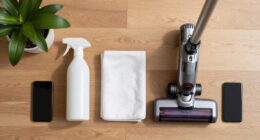
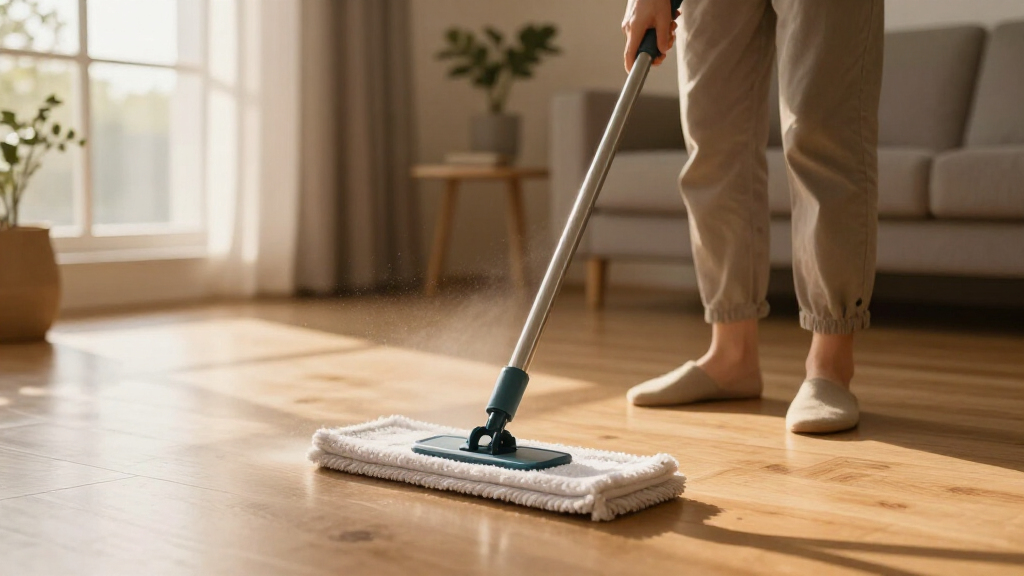
Using the right tools is crucial. Microfiber cloths are effective because they absorb spills without scratching delicate surfaces. Mild cleaning solutions, like a few drops of dish soap in warm water, provide enough cleaning power without risking damage or leaving residues that could attract more dirt. This careful approach preserves the integrity of your flooring while ensuring cleanliness.
Think of spot cleaning as quick first aid. Small, immediate actions—like blotting rather than rubbing—prevent stains from setting and reduce the frequency of full-scale cleanings. This habit not only keeps your floors looking fresh but also extends their overall lifespan by minimizing wear and tear caused by stubborn stains and residue buildup.

6-Pack Reusable Microfiber Mop Pads Compatible with Swiffer Sweeper, Dry & Wet Sweeping Cloths – Washable Wet Pads Refill for Multi-Surface/Hardwood Floor Cleaning
✔️ Universal Compatibility & Fit Reusable mop pads perfectly fit Sweeper Mop size 10 x 4.5''. Excludes Wet…
As an affiliate, we earn on qualifying purchases.
As an affiliate, we earn on qualifying purchases.
The best tools for spot cleaning on different floors
Not all floors react the same to cleaning tools; choosing the wrong method can cause damage or ineffective cleaning. Hardwood, tile, laminate, vinyl—each surface has unique characteristics that influence how they should be cleaned. For instance, using excessive water on hardwood can cause warping or swelling, while abrasive tools on tile might scratch the surface or loosen grout. Understanding these nuances helps prevent accidental damage and ensures thorough cleaning.
For hardwood floors, microfiber cloths combined with pH-neutral cleaners help preserve the finish and prevent moisture damage. Tile and vinyl surfaces tolerate gentle scrubbing with soft brushes and mild detergents, which can loosen stubborn dirt without scratching or degrading materials. Laminate floors require careful wiping with damp microfiber cloths and water or laminate-safe cleaners, as excess moisture can cause swelling or delamination.
Choosing the right tools ensures that you don’t inadvertently damage your floors or compromise their appearance. For example, using overly abrasive scrubbers on tile can scratch the surface or dislodge grout, leading to costly repairs. Conversely, using too little cleaning power may leave stains or dirt behind, which can accumulate and cause dullness or micro-scratches over time. Properly matched tools and techniques help balance effective cleaning with surface preservation, ultimately extending the lifespan and maintaining the aesthetic appeal of your flooring.

Steam Cleaner, Portable Steamer for Cleaning with 16pcs Accessories, 6-Level Adjustable and 15s Heat-Up, Handheld Steam Cleaner for Home, Tile, Dirt, Grout, Grease, Car Detailing
Powerful Steam Cleaner: This steam cleaner heats up in just 15 seconds, releasing 221°F (105°C) high-temperature steam with…
As an affiliate, we earn on qualifying purchases.
As an affiliate, we earn on qualifying purchases.
When and how often to spot clean — timing is everything
Spot cleaning is most effective when performed immediately after a spill or dirt appears. Delaying this step allows stains to set and penetrate deeper into the surface, making them more resistant to removal and increasing the likelihood of permanent damage. For example, pet vomit or food spills on vinyl or tile should be addressed within minutes to prevent odors, staining, and bacterial growth. The longer a mess remains, the more it becomes embedded, requiring more aggressive cleaning methods that may risk damaging the surface.
Establishing a routine for quick responses enhances overall floor maintenance. Regularly checking high-traffic areas—especially spots where children or pets frequently play—ensures that small messes are managed before they escalate. This proactive approach reduces the need for intensive cleaning sessions, saves time, and preserves the appearance and structural integrity of your flooring over years.
Timely responses also matter because they prevent dirt and stains from becoming ingrained. When dirt is left uncleaned, it can embed into the surface, causing micro-scratches or dullness that diminishes the floor’s shine and smoothness. Moreover, delaying cleaning can lead to the buildup of residues that attract more dirt, creating a cycle of degradation that shortens your floor’s lifespan. Incorporating quick spot cleaning into your regular routine helps maintain a pristine appearance and avoids costly repairs caused by neglect.

FOLEX Instant Carpet Spot Remover 32 oz – Powerful Stain Remover for Carpets, Upholstery & Rugs – Eliminates Pet Stains, Grease, Red Wine, Food, Makeup & More – With Reusable Cleaning Cloth – 1 Pack
WORKS ACROSS MANY SURFACES – It safely lifts stains from upholstery, carpets, rugs, and other water-safe, colorfast materials….
As an affiliate, we earn on qualifying purchases.
As an affiliate, we earn on qualifying purchases.
Prevent stains before they happen: smart tips for ongoing protection
Prevention is a cornerstone of effective floor maintenance. Small habits like using doormats at every entrance, encouraging shoe removal, and keeping pet paws clean significantly reduce the amount of dirt, mud, and debris tracked onto your floors. These measures lessen the frequency and intensity of spot cleaning, but also help maintain the surface’s appearance and durability over time.
Applying protective coatings—such as stain-resistant finishes on hardwood or vinyl—creates a barrier that makes spills easier to clean and less likely to stain. These coatings act like shields, repelling liquids and preventing them from seeping into the material. While they add an initial layer of protection, it’s important to remember that no coating is foolproof; regular cleaning and maintenance are still necessary to keep surfaces in optimal condition.
Understanding the implications of preventive measures highlights their importance. For example, neglecting to use doormats or not encouraging shoe removal can lead to increased dirt and stain risks, which in turn demands more frequent and aggressive cleaning. Protective coatings can extend the time between deep cleans, but they are not substitutes for routine cleaning; they are supplementary defenses. Routine sweeping or vacuuming removes loose debris that can cause micro-scratches or dullness, ultimately prolonging your flooring’s aesthetic and functional lifespan. Recognizing these tradeoffs helps you make informed decisions that balance prevention with ongoing maintenance, ensuring your floors stay beautiful longer.

ROPVACNIC Robot Vacuum and Mop Combo 5200Pa Suction Robotic Cleaner
【2-in-1 Mopping and Vacuuming】 The ROPVACNIC Robot S1 integrates advanced electronically controlled mopping technology, significantly enhancing both cleaning…
As an affiliate, we earn on qualifying purchases.
As an affiliate, we earn on qualifying purchases.
The latest in cleaning tech: making spot cleaning even easier
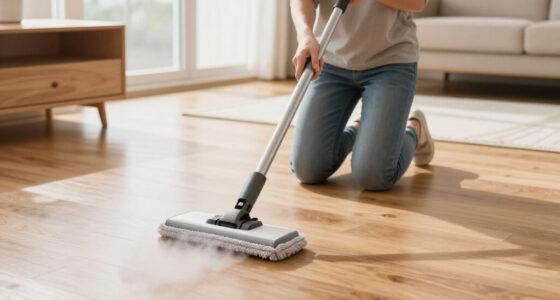
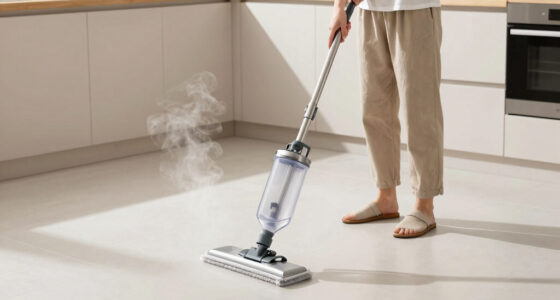
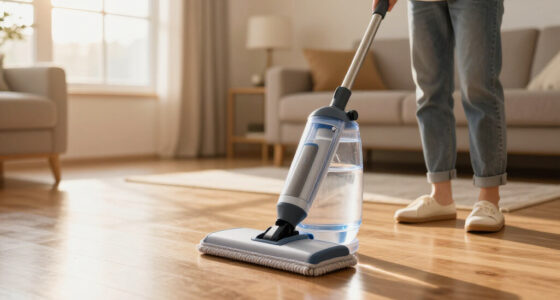
Emerging tools are revolutionizing how we handle spot cleaning, making it faster, safer, and more effective. Cordless handheld steam cleaners, for example, use high-temperature steam to sanitize and lift stains without harsh chemicals. This technology allows you to treat dried coffee stains or pet accidents efficiently, reducing chemical exposure and minimizing damage risk to delicate surfaces.
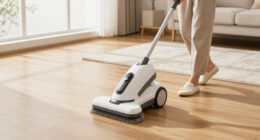
Smart robotic vacuums equipped with spot-cleaning modes can detect dirtier areas and focus cleaning efforts precisely where needed. These devices analyze surface conditions and adapt their cleaning patterns, saving you time and effort while maintaining a high standard of cleanliness. They are especially useful in busy households or hard-to-reach corners, where manual cleaning might be less effective or time-consuming.
Pairing these advancements with eco-friendly cleaning solutions enhances sustainability and safety. Overall, modern cleaning technologies not only simplify the process but also improve the quality of your spot cleaning routine, helping your floors stay pristine longer.
Frequently Asked Questions
What is the best way to remove stains from hardwood floors?
Use a damp microfiber cloth with a pH-neutral cleaner, gently blotting the stain. Avoid excessive water, as hardwood can warp or swell if soaked. For stubborn stains, a small amount of hardwood-safe stain remover applied carefully can do the trick.
How can I clean up pet accidents on my carpet or hardwood?
Blot the area immediately with a clean cloth or paper towel—don’t rub. For carpets, use an enzymatic cleaner to break down stains and odors. For hardwood, gently wipe with a damp cloth and a mild cleaner suitable for wood, then dry thoroughly.
Are natural or homemade cleaning solutions effective for spot cleaning?
Yes, solutions like vinegar and baking soda can work for some stains, especially on tile or vinyl. Always test on a small, hidden area first to avoid discoloration or damage. For delicate surfaces like marble or hardwood, stick to pH-neutral or manufacturer-recommended cleaners.
How often should I perform spot cleaning?
As needed—immediately after spills or dirt appears. Regular quick responses prevent stains from setting and keep your floors looking their best without the need for full deep cleans too often.
Can I use a steam cleaner for spot cleaning?
Yes, but only on surfaces that tolerate moisture and heat, like tile or vinyl. Always check your floor’s manufacturer guidelines—excessive steam can damage hardwood or laminate. When in doubt, stick to gentle wiping and mild solutions.
Conclusion
Spot cleaning isn’t just a quick fix—it’s a smart habit that prolongs the life of your floors and keeps them looking fresh. The next time you see a spill or dirt patch, remember: fast action, the right tools, and surface-specific care make all the difference.
Think of it as giving your floors a daily dose of TLC—simple, effective, and worth every minute. With these tips, your home will stay cleaner, longer, and with less effort.