TL;DR

Get cleaning gear delivered free — and shop member deals
- Fast, free delivery on millions of items
- Access to Prime Big Deal Days deals on October 6–7
- Prime Video, Amazon Music and more included
Maximize your steam mop’s efficiency by choosing the right model, preparing your floors properly, and using proper technique. Regular maintenance and adjusting settings can turn a mediocre clean into a deep, sanitizing sweep.
Poor steam output can turn a promising cleaning session into a frustrating dance of wasted time. The secret isn’t just in the machine’s power but in how you use it. When you master the right techniques, your floors will shine brighter, germs disappear faster, and you’ll save energy—and water.
In this guide, you’ll discover how to get the most steam from your mop, with concrete tips, real-world scenarios, and simple adjustments that make a big difference. Ready to turn your cleaning routine into a powerhouse of efficiency? Let’s go.
Always choose a steam mop with adjustable settings suitable for your floor type.
Prep your floors thoroughly—vacuum or sweep—to prevent scratching and improve steam effectiveness.
Use distilled or filtered water to avoid mineral buildup that reduces steam pressure.
Master slow, overlapping passes to let steam loosen dirt deeply.
Regular maintenance, including descaling and cleaning, keeps your steam mop performing at its best.
Choose the Right Steam Mop for Your Floors
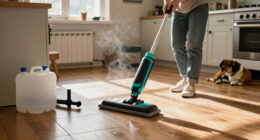
Not all steam mops are created equal. The best one for your home depends on your floor type—hardwood, tile, laminate, or vinyl. Look for models with adjustable steam settings, so you can turn down the heat on delicate surfaces or crank it up for stubborn grime.
Imagine trying to clean sealed hardwood with a high-heat steam mop—without adjusting the setting, you risk warping the wood. Instead, select a mop with a gentle, low-heat option for those floors. For tile or vinyl, higher steam can loosen dirt faster.
Some models now include features like cordless operation or smart controls, making it easier to stay in control and avoid oversaturating your floors.
Choosing the right mop isn’t just about convenience—it directly impacts your cleaning results and the longevity of your floors. Using a mop with inappropriate settings can cause damage, such as warping or swelling in hardwood, or leaving excess moisture that promotes mold growth. Conversely, a model with proper adjustable settings allows you to tailor the steam output, ensuring effective cleaning without risking surface damage. This balance is crucial because too much steam on delicate surfaces can cause long-term harm, while too little may leave grime behind. The right choice empowers you to clean efficiently and protect your investment in your flooring.
best steam mop with adjustable settings
As an affiliate, we earn on qualifying purchases.
As an affiliate, we earn on qualifying purchases.
Prep Your Floors Like a Pro
Before you start steaming, clear the area of loose dirt and debris. Use a vacuum or broom—think of it as setting the stage for a perfect performance. Removing dirt particles prevents scratching and ensures steam can penetrate deep into grime.
For example, a quick sweep in your kitchen can remove crusted rice or pet hair, making your steaming more effective.
Even if your mop has powerful steam, it can’t do its job well if the surface is cluttered. Prep is the secret sauce.
Proper floor prep isn’t just about visual cleanliness; it’s about creating optimal conditions for your steam to work efficiently. Loose debris can act like abrasives, scratching your floors as you clean, especially on delicate surfaces like hardwood. Moreover, dirt and dust can insulate grime, making it harder for steam to loosen and lift stains. When you remove these particles beforehand, you reduce the risk of scratching and ensure that the steam can reach embedded dirt, resulting in a more thorough clean. This step also prevents the mopping process from becoming a futile attempt to push around debris, which can lead to streaks or spots. Think of it as giving your steam mop a clear path—without obstacles, it can do its job more effectively and safely.
As an affiliate, we earn on qualifying purchases.
Fill and Maintain Your Water Tank Properly
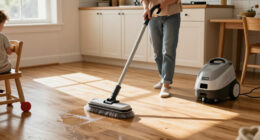
Always use distilled or filtered water in your steam mop. Tap water contains minerals that clog nozzles and diminish steam pressure over time. Think of it like giving your machine a clean breath of fresh air every time.
Regularly clean the water tank and steam nozzles—just like you’d descale a kettle. This keeps steam pressure high and consistent. Follow your manufacturer’s instructions for cleaning cycles and replacement parts.
For example, a neglected tank can cause uneven steam output, leaving spots of dirt untouched—even on your best days.
Using the right water and maintaining your equipment isn’t just about longevity—it directly affects how well your floors get cleaned. Mineral deposits from tap water can clog the tiny nozzles that produce steam, reducing pressure and unevenly distributing heat. Over time, these blockages can lead to inconsistent cleaning results or even damage the internal components. Regularly descaling and cleaning your water tank ensures a steady, strong steam flow, which is essential for deep cleaning. Think of it as keeping your engine tuned—without proper maintenance, your steam mop can’t operate at peak performance. The tradeoff is that neglecting these steps can result in longer cleaning times, less effective sanitation, and increased costs due to repairs or replacements. Proper water choice and maintenance are investments in both the lifespan of your equipment and the quality of your cleaning.
As an affiliate, we earn on qualifying purchases.
Master Your Technique for Maximum Steam
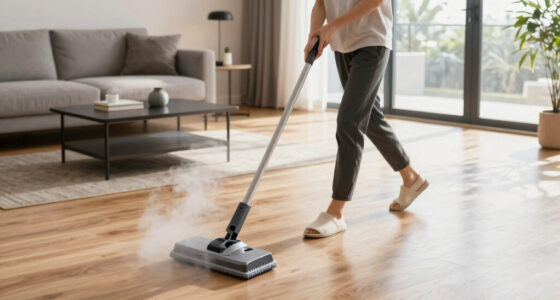
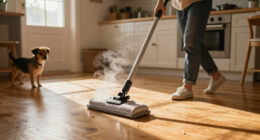
Getting the most steam isn’t just about the machine—it’s about how you move. Use slow, deliberate passes—think of it as giving the floor a gentle massage. Overlapping strokes ensure you cover every inch while allowing steam to loosen dirt effectively.
For example, in a kitchen spill scenario, taking your time with each pass can lift dried-on sauce or sticky crumbs better than quick, hurried swipes.
Pre-wet your microfiber pad if needed, but avoid over-saturating. Too much moisture can damage delicate surfaces like hardwood or laminate.
Remember: Keep the mop moving to prevent overheating, which can cause damage or reduce steam output.
Effective steaming technique is about understanding the science behind heat and moisture. Moving too quickly doesn’t give the steam enough contact time to loosen embedded dirt, especially on stubborn stains. Overlapping passes ensure no spots are missed and that each section receives adequate steam exposure. Additionally, moving at a controlled pace prevents the mop from overheating, which can cause the internal components to malfunction or reduce steam production. Pre-wetting the pad can improve dirt pickup but must be balanced to avoid excess moisture that could harm sensitive floors. Ultimately, technique determines how well the steam interacts with grime—slow, steady, and deliberate movements maximize the cleaning power while protecting your floors from unnecessary moisture or damage.
As an affiliate, we earn on qualifying purchases.
How to Maximize Your Steam Output in 6 Easy Steps
- Preheat your steam mop fully before starting—don’t rush this step.
- Set the steam level to match your flooring type—low for hardwood, high for tile.
- Keep the mop moving at a steady pace—about 1-2 feet per second.
- Apply gentle pressure—letting the steam do the work, not brute force.
- Overlap each pass slightly to avoid missing spots.
- Pause briefly over stubborn spots for extra steam contact.
Following these steps ensures your floors get a thorough, deep clean without wasting energy or water.
Adjust Settings and Keep Moving for Best Results
Always start with the highest safe steam setting for your surface, then dial down if needed. The goal is to produce enough steam to loosen dirt without over-saturating.
Keep the mop moving steadily. Pausing too long can cause moisture build-up, risking damage or mold. Think of it like painting with a steady hand—consistent, even strokes make all the difference.
For example, on ceramic tiles, a slow, deliberate pass with high steam can lift stubborn grout stains, especially if you let the steam sit for a few seconds on tougher spots.
Understanding how your steam levels and movement interplay is crucial because it directly influences cleaning efficiency and floor safety. Using too high a setting on delicate surfaces can cause warping or water damage, while too low might not loosen grime effectively. Moving too quickly can leave dirt behind, whereas lingering too long can saturate the surface, leading to long-term issues like mold or warping. Finding the right balance ensures you maximize cleaning power without compromising your floors’ integrity. Adjusting settings based on surface sensitivity and maintaining a steady motion optimizes both cleanliness and equipment longevity.
Post-Cleaning Tricks to Keep Steam Power Strong
After mopping, allow floors to dry completely before walking on them—usually 10-15 minutes, depending on your humidity. This prevents smudges or slipping.
Empty and rinse your water tank afterward. Dry the mop pad and store your steam mop in a cool, dry place—think of it as giving your tool a good night’s rest.
Occasionally descale your steam mop if you notice reduced steam pressure or uneven spray. It’s like giving your machine a spa day to keep it running smoothly.
For example, a quick vinegar soak in the water tank every few months can prevent mineral buildup that diminishes performance.
Maintaining your steam mop isn’t just about prolonging its lifespan; it directly influences its ability to produce consistent, powerful steam. Neglecting descaling or regular cleaning can lead to mineral deposits clogging nozzles, reducing steam output and making your cleaning less effective. This can cause longer cleaning times, frustration, and even costly repairs if neglected. Giving your steam mop routine maintenance—like descaling with vinegar or specialized cleaners—ensures it maintains optimal performance. Think of it as tuning your car; when well-maintained, it runs smoother, faster, and more efficiently, saving you time and effort during every cleaning session.
Frequently Asked Questions
How often should I use a steam mop on my floors?
Typically, once a week is enough for most households, but high-traffic areas may need more frequent cleaning. Adjust based on your floor’s condition and your lifestyle.
Can I use a steam mop on hardwood floors?
Yes, but only if your hardwood is sealed and the mop has adjustable steam settings. Always test a small, hidden spot first to avoid water damage or warping.
What water should I use in my steam mop?
Distilled or filtered water is best. It prevents mineral deposits that clog nozzles and reduce steam pressure, keeping your mop running smoothly longer.
Are steam mops safe for all floor types?
Most are safe for tile, sealed hardwood, and laminate. However, always check your manufacturer’s guidelines, especially for unsealed or delicate surfaces.
How do I keep my steam mop performing well over time?
Regularly descale, clean the water tank, and replace microfiber pads as needed. Proper maintenance ensures consistent steam output and longer equipment life.
Conclusion
Getting the most steam out of your mop is all about technique, preparation, and care. When you treat your steam mop like a precision tool—adjust settings, keep it moving, maintain it regularly—you turn routine cleaning into a deep, effective sanitizing session.
Next time you mop, remember: it’s not just about power, but about what you do with it. A steady hand, a clean floor, and a little patience can make all the difference. Your floors—and your cleaning routine—will thank you.
Fall Picks
fall essentials
As an affiliate, we earn on qualifying purchases.