
TL;DR

Get cleaning gear delivered free with Prime
- Fast, free delivery on millions of items
- Prime Video, Amazon Music and more included
- Member-only deals all year
Steam mops can be used on slate floors, but only if the surface is well-sealed and used carefully. Excessive moisture or heat can cause damage, so moderation and testing are key. For safety, gentle cleaning methods often work better.
Imagine the rich, dark sheen of a slate floor, textured and cool underfoot. You want it spotless, shiny, and sanitized. But can a steam mop do the job without risking damage? If you’ve ever hesitated before pulling out that steam cleaner, you’re not alone. The truth is, slate floors are delicate in their own rugged way. They need careful handling to keep their natural beauty intact.
This article breaks down what you need to know before you steam mop your slate. From the risks to best practices, and safer alternatives—consider this your practical guide to cleaning without regrets.
Always test your slate for sealant before using a steam mop to avoid costly damage.
Use the lowest steam setting and keep the mop moving to prevent moisture buildup.
Resealing every 1-2 years helps protect against moisture absorption and staining.
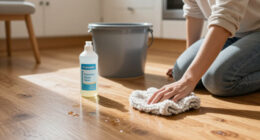
Gentle cleaning methods with pH-neutral cleaners are safer and just as effective for regular maintenance.
When in doubt, consult a flooring professional or opt for manual cleaning to preserve your slate’s natural beauty.
Can You Steam Mop Slate Floors? Here’s the Catch
Steam mops can be used on slate floors, but only when the surface is well-sealed, tested first, and cleaned with restraint. Slate is durable, but its porous structure makes excessive heat and moisture a real risk.
Years between typical resealing cycles, depending on wear, traffic, and finish condition.
Wait time after a hidden-area steam test to check for dullness, swelling, or discoloration.
Slate can handle careful cleaning. It cannot forgive trapped moisture.
Water should sit on top instead of soaking into the stone.
Use the gentlest setting and keep the mop moving.
A pH-neutral stone cleaner is safer for regular maintenance.
If water absorbs quickly, reseal before steam enters the plan.
Rugged stone, delicate cleaning rules.
Slate has a textured, layered surface and natural pores. Without a strong sealant barrier, liquids can seep in, carrying stains, minerals, and moisture stress below the visible surface.
Moisture can enter fast
Unsealed slate may absorb water like a stone sponge, which raises the risk of stains and discoloration.
Steam adds thermal stress
High heat can weaken worn sealant or create tiny stress points when the mop lingers too long.
Grit hides in ridges
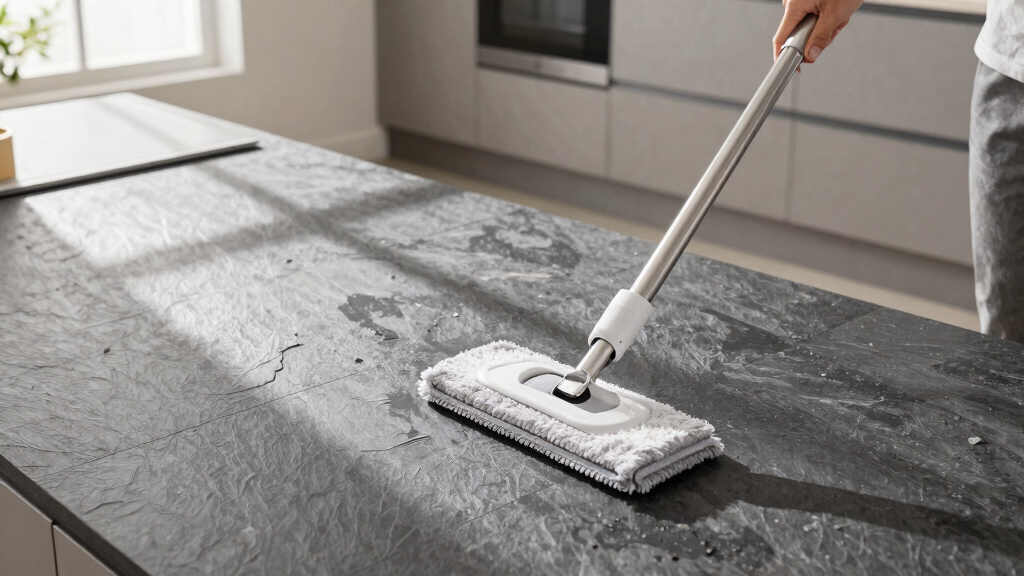
A soft microfiber pad helps lift dirt without scraping the natural cleft surface.
Risk rises as the seal fails.
The safer path is not about steam versus no steam. It is about seal quality, exposure time, and how quickly the surface is dried afterward.
Check first, clean second.
The safest steam routine starts before the machine turns on. If any checkpoint fails, switch to a damp microfiber mop and a stone-safe cleaner.
Drop water
Sprinkle a few drops on the slate and watch whether they bead or soak in.
Read guidance
Check flooring or sealer instructions, especially warranty warnings about steam.
Test hidden
Try a small area, then wait 24 hours before cleaning the main floor.
Move quickly
Use the lowest steam setting and avoid parking heat in one spot.
Dry fully
Finish with a dry microfiber pass so moisture does not settle into pores.
If water soaks in within seconds, steam mopping is the wrong tool for that day. Reseal first or choose manual cleaning to protect the stone’s finish and structure.
Not every clean is worth the risk.
Slate rewards gentle, low-moisture care. Steam is a conditional option, while pH-neutral cleaning is usually the better routine choice.
| Cleaning method | Slate readiness | Moisture risk | Best use | Verdict |
|---|---|---|---|---|
| Steam mop on low | ~ Only if sealed | ~ Moderate | Occasional sanitizing after a hidden test | ~ Careful pass |
| Damp microfiber mop | ✓ Safe default | ✓ Low | Regular maintenance with pH-neutral cleaner | ✓ Best routine |
| Acidic cleaner | ✗ Poor fit | ✗ Surface risk | Avoid on natural stone unless product is approved | ✗ Skip |
| Abrasive scrubbing pad | ✗ Too harsh | ~ Variable | Can dull or scratch textured finishes | ✗ Avoid |
How do I know it is sealed?
Water should bead on the surface. If it darkens the stone or disappears quickly, the sealant is worn or missing.
How often should slate be resealed?
Many slate floors need resealing every 1-2 years, with high-traffic areas needing closer inspection.
What should I use most days?
A damp microfiber mop and a pH-neutral stone cleaner usually clean well without pushing moisture into the floor.
Use the lowest steam setting.
Higher steam is unnecessary for slate and increases heat and moisture exposure.
Never pause over one tile.
Keep the mop moving so the surface gets a light pass, not a concentrated blast.
Finish with a dry pass.
Remove residual moisture with a clean microfiber cloth or mop immediately after steaming.
Think gentle breeze, not hurricane.
One smooth pass is better than repeated steam over the same spot.
Use a soft microfiber pad designed for delicate or sealed surfaces.
Inspect dull patches, matte areas, and uneven coloration before cleaning.
When unsure, consult a flooring professional or clean manually.
What Makes Slate Floors Different? Why It Matters for Steam Cleaning
Slate is a natural stone, with a textured, earthy feel—think rough-hewn tiles with layered, dark gray to black hues. Its porous nature means it can absorb liquids, stains, and moisture if not sealed properly. To illustrate, imagine spilling red wine on an unsealed slate tile; it might seep in quickly, leaving a stubborn stain. This absorption is not just a superficial concern; it directly impacts the stone’s structural integrity and appearance over time. When moisture seeps into the pores, it can cause discoloration or staining that’s difficult to remove, diminishing the natural beauty of your slate. More critically, trapped moisture can lead to swelling or even cracking, especially in colder climates where freeze-thaw cycles occur. Understanding these properties helps you realize why slate demands gentle, informed cleaning practices. Using steam, which involves high heat and moisture, can exacerbate these vulnerabilities, turning a seemingly quick cleaning method into a long-term risk. Think of it like trying to dry out a sponge by boiling it—too much heat and moisture too quickly can damage the material. The tradeoff is clear: while steam cleaning offers sanitization and convenience, it can compromise the very surface it aims to clean if not done cautiously, making it essential to weigh these factors before proceeding.
As an affiliate, we earn on qualifying purchases.
Is Your Slate Floor Ready for Steam? How to Check First
- Perform a water test: sprinkle a few drops of water on the surface. If the water beads up and remains on top, your slate is likely sealed, providing a barrier against moisture penetration. For example, if you spill water on your slate and it beads up like on a waterproof jacket, it indicates good sealing. Conversely, if the water soaks in within seconds, similar to how milk absorbs into a sponge, it indicates the sealant has worn away or was never applied properly, leaving the stone vulnerable to moisture damage. In such cases, attempting steam cleaning can do more harm than good, as the absorbed moisture can lead to swelling, discoloration, or cracking over time.
- Check the manufacturer’s guidance for your specific slate—some may explicitly warn against steam mops due to their porosity or finish, and ignoring these warnings could void warranties or cause irreversible damage. Imagine reading the care instructions for a delicate fabric; ignoring them could ruin the material. Similarly, following manufacturer advice can save you from costly mistakes.
- Inspect the sealant: look for dull patches, uneven coloration, or areas where the surface appears more matte than polished. These signs often indicate wear or compromised sealing, increasing the susceptibility to moisture damage during steam cleaning. Think of it like checking the paint on your house; dull patches suggest the protective layer is wearing thin, making it vulnerable to weather damage.
- Test your steam mop on a small, inconspicuous area first—wait at least 24 hours to observe any changes. If discoloration, swelling, or dullness appears, it’s best to avoid steam altogether. For example, try steaming a small section behind a door or in a corner, then check for any adverse effects before proceeding across the entire floor.
Being thorough in these initial checks helps prevent costly mistakes. Remember, even a sealed slate isn’t invincible—regular inspections and professional advice can extend its lifespan and beauty.
pH-neutral floor cleaner for natural stone
As an affiliate, we earn on qualifying purchases.
As an affiliate, we earn on qualifying purchases.
How to Use a Steam Mop on Slate Without Wrecking It
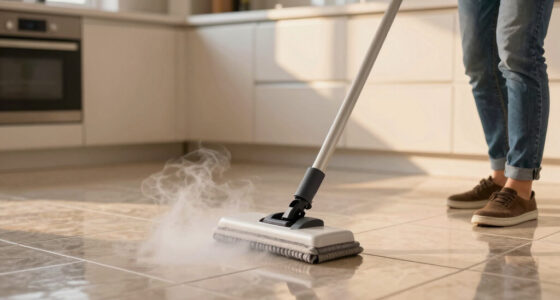
If your slate passes the test, good. But remember—less is more. The high heat and moisture from steam can still pose risks if not used carefully. Think of it like cleaning a delicate antique vase: gentle, controlled movements prevent damage. Here’s why cautious application matters: excessive heat can cause microcracks or weaken the stone’s surface, especially if the sealant is compromised. Excessive moisture may seep into the pores, leading to swelling or staining over time. For example, if you leave the steam mop in one spot too long, it’s like holding a hot iron on paper—it can burn or warp the surface. Therefore, using minimal steam and quick passes reduces these risks, allowing you to clean effectively without compromising the slate’s integrity. Following these steps ensures you’re not just cleaning, but also preserving your stone:
- Set your steam mop to the lowest or a gentle steam setting—higher settings are unnecessary and risky for porous surfaces. Think of it like adjusting a shower to a gentle mist rather than a powerful jet.
- Keep the mop moving—avoid lingering in one spot, as prolonged heat and moisture can penetrate deeper into the stone, similar to how staying in the rain without an umbrella causes you to get soaked.
- Use a microfiber pad designed for delicate surfaces—these are softer and less abrasive, reducing surface wear. It’s like using a soft cloth instead of steel wool to clean glass.
- Never push hard—let the steam do the work. Applying pressure can force moisture into the pores or damage the surface, much like pressing on a sponge to squeeze out water.
- Dry the floor thoroughly afterward with a soft cloth or microfiber mop to remove residual moisture, preventing long-term absorption. Picture wiping up spilled juice quickly before it seeps into the wood or carpet beneath.
Think of the steam as a gentle breeze, not a hurricane. The goal is to sanitize and clean without pushing moisture into the stone’s pores or causing thermal stress. This mindful approach balances cleanliness with longevity, ensuring your slate remains beautiful for years to come.
As an affiliate, we earn on qualifying purchases.
Frequently Asked Questions
Can I use a steam mop on my slate floor without risking damage?
Yes, but only if your slate is properly sealed and you use the lowest steam setting. Always test in a hidden area first, and avoid lingering steam in one spot.How do I know if my slate floor is sealed?
Sprinkle a few drops of water on the surface. If the water beads up and remains on top, your slate is likely sealed, providing a protective barrier. If it soaks in quickly, it indicates that the sealant has worn away or was never applied, making the surface vulnerable to moisture damage during steam cleaning. Proper sealing is critical because it determines how much moisture can penetrate the stone during cleaning, directly affecting the risk of staining, swelling, or cracking. Regular testing and resealing when needed help maintain this protective barrier.What cleaning products are safe for slate floors?
Choose pH-neutral, stone-safe cleaners. Avoid acidic or alkaline products, which can damage the porous surface over time. Using the right cleaner preserves the natural appearance and prevents degradation of the sealant.How often should I reseal my slate floor?
Every 1-2 years, depending on wear and foot traffic. Resealing creates a moisture-resistant barrier, crucial for preventing stains and damage, especially if you use steam or other liquids regularly. Proper resealing preserves the stone’s integrity and appearance over the long term.Are there safer ways to clean slate floors than steam mopping?
Definitely. A damp microfiber cloth with a gentle, stone-safe cleaner is often safer and just as effective for regular upkeep. This method minimizes moisture exposure, reducing the risk of damage while maintaining the natural beauty of your slate.manual cleaning tools for slate floors
As an affiliate, we earn on qualifying purchases.
As an affiliate, we earn on qualifying purchases.
Conclusion
Steam mops offer quick cleaning, but they’re a gamble on porous surfaces like slate. The safest bet? Keep moisture minimal, test thoroughly, and when in doubt, stick to gentle, stone-safe cleaning methods. Your slate will thank you with its natural luster lasting for years.
Imagine your slate floor shining with a soft, natural glow—protected and pristine. That’s a look worth taking the time for.
Fall Picks
fall essentials
As an affiliate, we earn on qualifying purchases.