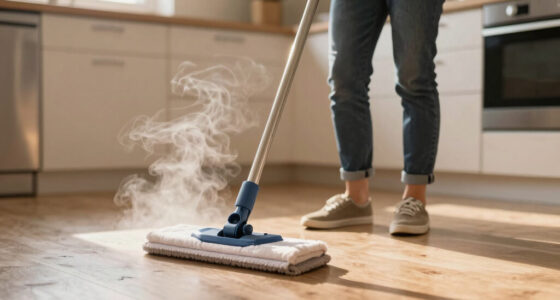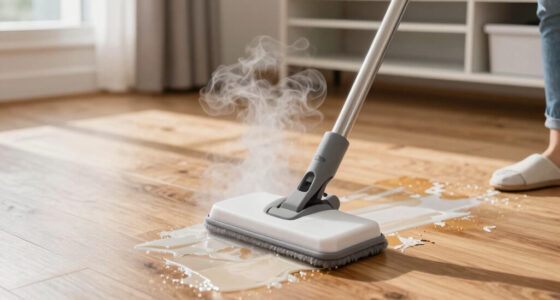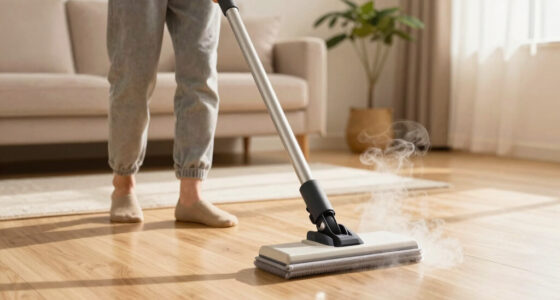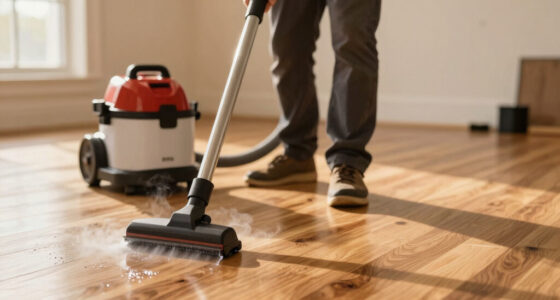

TL;DR

Get cleaning gear delivered free with Prime
- Fast, free delivery on millions of items
- Prime Video, Amazon Music and more included
- Member-only deals all year
Generally, steam mops are not safe for natural stone tiles. Moisture and heat can cause staining, etching, or surface dulling. Stick to gentle, pH-neutral cleaners for best results.
Most natural stone tiles, like marble and travertine, are too porous and sensitive for steam cleaning.
Sealed stones might tolerate light steam, but always check with the manufacturer first.
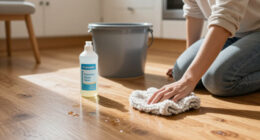
Regular cleaning with a pH-neutral stone cleaner and microfiber cloth is safest.
High heat and moisture can cause etching, staining, and dulling—damage that’s often irreversible.
Always test cleaning methods on a small, hidden area before applying broadly.
Can You Steam Mop Natural Stone Tile Safely?
TL;DR: Generally, no. Natural stone tiles can absorb moisture, react to heat, and lose their polished finish. For marble, slate, travertine, limestone, and many sealed stones, gentle pH-neutral cleaning is the safer routine.
Steam cleaning is usually not recommended unless the manufacturer explicitly approves it.
High-temperature vapor can encourage etching, dulling, and trapped moisture.
Porosity plus heat is the risk equation: moisture enters, finish reacts, damage can become permanent.
Beautiful stone, unforgiving chemistry.
Marble, limestone, travertine, slate, and some granite tiles have pores, mineral sensitivity, and finishes that do not behave like ceramic or vinyl. Even when a stone is sealed, the sealant’s age, quality, and coverage determine how much protection remains.
- 01Most natural stone tiles are too porous or sensitive for routine steam cleaning.
- 02Sealed stone may tolerate light steam only when the maker clearly allows it.
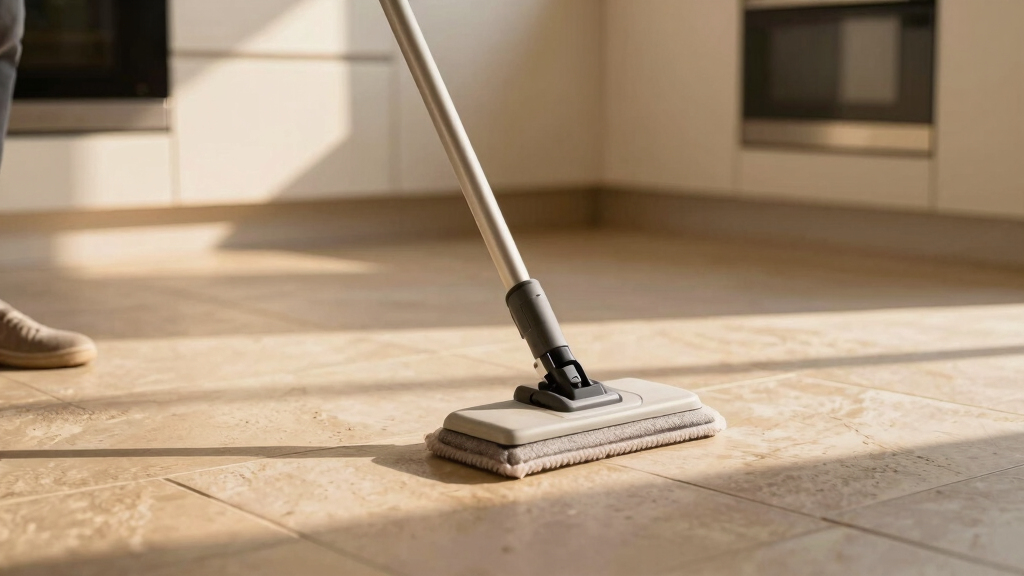
- 03A microfiber mop with pH-neutral stone cleaner is the safest default.
- 04Heat and moisture can cause etching, staining, cracking, or surface dulling.
- 05Test any cleaning method in a hidden area before using it broadly.
Natural stone is porous, finished, and often sealed imperfectly.
Moisture can sink in
Porous stones absorb water vapor, which may leave dark spots, stains, discoloration, or trapped moisture below the surface.
Gloss can turn dull
Polished and honed finishes are vulnerable to etching and visible dull patches, especially on marble and limestone.
Protection ages out
Sealers reduce absorption, but repeated heat and moisture can expose weak spots in old or uneven applications.
How a steam mop can become a damage chain.
Vapor hits
Steam loosens dirt with high heat and moisture at the tile surface.
Pores absorb
Unsealed or weakly sealed stone can pull moisture inward.
Finish reacts
Heat and minerals can produce dulling, etching, or rougher texture.
Repair costs
Staining and etching often need professional restoration to correct.
Risk changes by stone type, seal, and finish.
| Stone type | Porosity | Steam safety | Risk level | What to watch |
|---|---|---|---|---|
| Marble | High | ✗ Avoid | Very high | Prone to etching, staining, and polished-surface dulling. |
| Granite | Low to medium | ~ Verify | Moderate | More resistant when sealed, but unsealed granite can still absorb moisture. |
| Slate | High | ✗ Avoid | High | Matte or unsealed slate may darken, stain, warp, or crack. |
| Travertine | Very high | ✗ Avoid | Very high | Highly absorbent and vulnerable to discoloration and internal deterioration. |
| Manufacturer-approved sealed stone | Variable | ✓ Cautious | Lower, not zero | Only proceed with explicit approval, low moisture, and a hidden patch test. |
Choose low water, neutral chemistry, and soft contact.
Use this instead
- ✓Microfiber mop or soft cloth for routine cleaning.
- ✓pH-neutral cleaner made specifically for natural stone.
- ✓Regular sweeping to remove grit before it scratches the finish.
- ✓Fast spill cleanup to prevent absorption and staining.
Avoid this
- ✗Routine steam mopping on marble, travertine, limestone, or slate.
- ✗Excess water, harsh chemicals, vinegar, bleach, or abrasive pads.
- ✗Assuming a sealed floor is permanently protected.
- ✗Skipping manufacturer guidance or a hidden test patch.
Quick answers before you clean.
Is it safe to use a steam mop on marble or granite?
In most cases, no. Marble is especially sensitive, and granite still depends on seal quality and manufacturer guidance.
Can sealed natural stone tiles be steam cleaned?
Possibly, but only if the sealant is high quality, current, and rated for steam cleaning. Confirm first and patch test.
What is the best way to clean natural stone floors?
Use a microfiber mop with a pH-neutral stone cleaner, minimal water, and quick drying after spills or damp mopping.
How do I know if my stone is safe for steam?
Check the manufacturer’s care instructions or ask a stone care professional. A hidden test patch is essential.
Gentle cleaning beats risky steam.
Natural stone rewards careful maintenance. Unless your tile manufacturer specifically approves steam cleaning, protect the floor with soft tools, pH-neutral products, minimal water, and steady upkeep. That is the practical route to preserving stone’s depth, shine, and character.
What Makes Natural Stone Tiles Sensitive to Steam Cleaning?
Natural stone tiles like marble, limestone, and travertine are porous by nature. That means they can absorb moisture, leading to staining or discoloration. The heat from steam mops, often exceeding 212°F (100°C), can also cause surface etching, especially on polished or honed finishes. For example, a homeowner once used a steam mop on their marble floor, only to notice dull spots where the surface had been etched—damage that’s tough to fix and can diminish the stone’s natural beauty.
In essence, the porosity and finish of your stone determine how vulnerable it is. Sealed stones offer some protection, but even then, the sealant’s quality and age matter. Always check your stone’s care instructions or consult a professional before considering steam cleaning.
As an affiliate, we earn on qualifying purchases.
How Does Steam Cleaning Actually Work on Natural Stone?
Steam cleaning uses high-temperature vapor to sanitize and loosen dirt. While effective for sealed, non-porous surfaces, natural stone’s porosity can absorb this moisture. If the stone isn’t sealed well, water can seep in, causing stains or even cracking over time. For example, a slate tile with a matte finish absorbed water from a steam mop, leading to dark spots and a rougher surface.
Understanding this process helps clarify why natural stone is vulnerable. The high temperature can cause thermal expansion and contraction, which may weaken or damage the stone’s surface over repeated exposure. Additionally, moisture trapped beneath the surface can lead to internal staining or deterioration, especially in stones with high porosity. Even with newer steam cleaners that claim to control steam levels, the fundamental risk remains because natural stone’s structure and finishes respond unpredictably to intense heat and moisture. Recognizing these mechanics underscores the importance of choosing the right cleaning method to preserve your stone’s integrity and appearance.
As an affiliate, we earn on qualifying purchases.
Compare the Risks of Steam Cleaning Different Natural Stones
| Stone Type | Porosity | Risk Level | Comments |
|---|---|---|---|
| Marble | High | Very High | Prone to etching and staining; steam can accelerate surface dulling and damage. Its polished surface is especially vulnerable due to its smooth, delicate finish. |
| Granite | Low to Medium | Moderate | Typically more resistant, especially if sealed properly, but unsealed granite can still absorb moisture, risking stains or surface dulling over time. The sealant’s quality and age influence safety. |
| Slate | High | High | Unsealed slate readily absorbs water, leading to staining, warping, or cracking. Even sealed slate can be compromised if the seal isn’t robust enough or deteriorates. |
| Travertine | Very High | Very High | Highly porous and prone to moisture absorption, making it susceptible to discoloration, surface damage, and internal deterioration when exposed to steam or excess water. |
While sealing can improve resistance, it doesn’t eliminate the risks entirely. The effectiveness of a sealant depends on its quality, application, and how long it has been in place. Even well-sealed stones may develop vulnerabilities over time, especially if subjected to heat and moisture repeatedly. Therefore, understanding these tradeoffs is key; opting for traditional cleaning methods minimizes potential damage and preserves your natural stone’s beauty.
microfiber cleaning cloth for stone floors
As an affiliate, we earn on qualifying purchases.
As an affiliate, we earn on qualifying purchases.
Frequently Asked Questions
Is it safe to use a steam mop on marble or granite?
In most cases, no. Marble and granite are sensitive to heat and moisture, and steam cleaning can cause etching or staining. Always check the manufacturer’s guidelines before proceeding.Can I use a steam mop on sealed natural stone tiles?
Potentially, if the sealant is high-quality and rated for steam cleaning, but it’s safest to verify with the manufacturer first. Conduct a small patch test to be sure.What’s the best way to clean natural stone floors without damage?
Use a microfiber mop with a pH-neutral, stone-specific cleaner. Regular sweeping and quick spills cleanup help maintain their beauty without risking etching or staining.How do I know if my natural stone is safe for steam cleaning?
Check with the manufacturer or a stone care professional. A small, hidden test patch can help confirm if steam cleaning is safe for your specific surface.Are there safer steam cleaning options for natural stone?
Some steam cleaners with adjustable settings and sealed systems might be used cautiously, but traditional cleaning methods remain the safest choice for natural stone surfaces.As an affiliate, we earn on qualifying purchases.
Conclusion
When it comes to natural stone, gentle cleaning beats risky steam mops every time. Protect your floors with careful, consistent maintenance—your stone’s natural beauty depends on it. If in doubt, stick to the basics: soft cloths, neutral cleaners, and quick spill cleanup. That’s the real secret to lasting natural stone shine.Halloween Picks
halloween
As an affiliate, we earn on qualifying purchases.