TL;DR

Get cleaning gear delivered free — and shop member deals
- Fast, free delivery on millions of items
- Access to Prime Big Deal Days deals on October 6–7
- Prime Video, Amazon Music and more included
Steam mops can be used on VCT commercial tile if the floor is sealed and the mop is used carefully. Avoid heavy-duty cleaning, and always follow manufacturer guidance to prevent damage from excess moisture.
Always ensure your VCT floor is properly sealed before using a steam mop.
Use the lowest steam setting and keep the mop moving to avoid moisture buildup.
Steam mops are ideal for light surface cleaning, not for stripping or heavy-duty maintenance.
Regularly test a small, hidden area before full cleaning to check for damage.
Follow manufacturer instructions for both your floor and steam mop to prevent damage.
Is Steam Mopping Safe for VCT Commercial Tile? Here’s the Truth
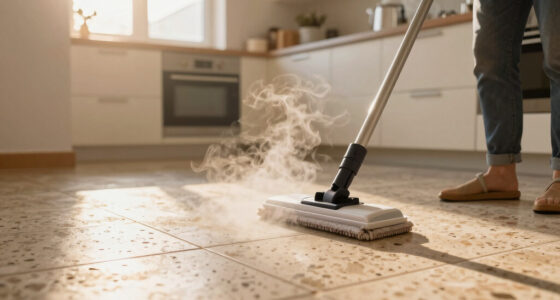
Yes, you can steam mop VCT in commercial settings, but only if the floor is properly sealed. The high heat and minimal water vapor from a steam mop can remove surface dirt and light stains effectively. However, using steam on unsealed or poorly maintained VCT risks moisture seeping into the adhesive underneath, which can cause discoloration or lifting. Think of it like applying a gentle warm breeze—safe when the surface is protected but potentially damaging if the floor absorbs too much moisture.
Always check with your flooring manufacturer’s guidelines before steaming. An unsealed VCT floor is like a sponge—absorbent and vulnerable. Proper sealing creates a barrier, letting you enjoy the cleaning benefits without the risks. Remember, steam mops aren’t for stripping or heavy-duty cleaning—those need chemical solutions and manual effort.
As an affiliate, we earn on qualifying purchases.
How to Use a Steam Mop on VCT Commercial Tile Without Damage
- Ensure the floor is sealed. Check with your flooring provider. If unsure, test a small hidden area first.
- Use the lowest steam setting. High heat can be effective for sanitizing but risks loosening adhesive or discoloring the tile.
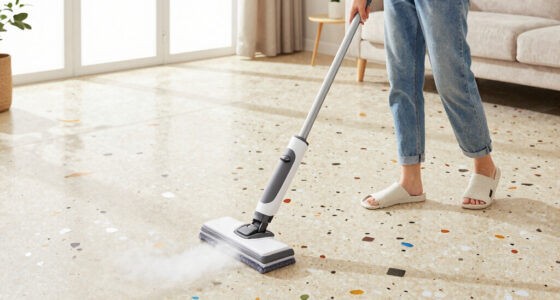
- Keep the mop moving. Don’t leave it in one spot for too long—about 3-5 seconds per area is enough.
- Avoid excessive moisture. Use only enough steam to loosen surface dirt. No soaking or dripping.
- Follow manufacturer instructions. Both for your steam mop and the VCT flooring.
As an affiliate, we earn on qualifying purchases.
Comparison: Steam Mopping vs. Traditional Cleaning on VCT
| Feature | Steam Mopping | Traditional Mopping |
|---|---|---|
| Water Usage | Minimal, steam vapor only | Higher, damp cloth or mop with cleaning solution |
| Chemical Use | None needed for surface cleaning | Often involves cleaning solutions |
| Surface Safety | Safe if floor is sealed and used properly | Generally safe, but depends on cleaning solution |
| Effectiveness | Good for surface dirt, light stains | Effective for deep cleaning and heavy stains |
| Frequency | Routine, light cleaning | Periodic, including stripping/waxing |
best steam mop for commercial floors
As an affiliate, we earn on qualifying purchases.
As an affiliate, we earn on qualifying purchases.
Risks of Steam Cleaning VCT Floors (And How to Avoid Them)
Steam cleaning isn’t risk-free. Excess moisture can weaken adhesive bonds or cause color fading, especially on unsealed floors. For example, a quick pass with a high-heat steam mop on an unsealed VCT floor in a busy lobby led to a noticeable discoloration after a few weeks. To prevent this, always verify sealing status and use the lowest setting. If in doubt, test a small hidden area first.
Remember: the goal is surface cleaning, not deep stripping. Overdoing it can accelerate wear or cause peeling. Follow manufacturer instructions closely, and don’t forget: when in doubt, consult your flooring’s care guidelines or a professional.
It’s important to understand that the risks associated with steam cleaning stem from moisture penetration and heat exposure. Excessive or improper use can lead to adhesive breakdown, causing tiles to lift or discolor. The tradeoff here is between convenience and potential long-term damage. Proper technique minimizes these risks, but awareness of the implications helps you make informed decisions about maintenance frequency and methods.
As an affiliate, we earn on qualifying purchases.
How Often Is Safe to Steam Clean VCT Commercial Tile?
For routine cleaning, once a week or bi-weekly is generally safe, assuming the floors are sealed and maintained well. In high-traffic areas like retail corridors or lunchrooms, more frequent cleaning might be tempting—but moderation is key. Regular steam cleaning keeps surface dust, light stains, and germs at bay without risking adhesive damage.
Remember, steam mops are best for light cleaning. Heavy-duty stripping or waxing still requires chemical treatments and manual labor. Use steam cleaning as part of your overall maintenance plan, not a one-size-fits-all solution.
Understanding the appropriate frequency is crucial because overuse can lead to moisture buildup beneath the surface, risking adhesive deterioration over time. Conversely, infrequent cleaning may allow dirt and grime to embed deeply, making future cleaning less effective and potentially damaging the surface if not addressed properly. Striking a balance ensures your VCT remains durable and visually appealing without unnecessary wear.
Best Practices for Preserving Your VCT Floor’s Look and Durability
- Always seal the floor before using a steam mop.
- Test a small, hidden patch first to check for any adverse reactions.
- Keep the mop moving; don’t linger in one spot.
- Use the lowest effective steam setting.
- Follow manufacturer instructions for both your steam mop and VCT flooring.
Final Thoughts: Is a Steam Mop Good for VCT Commercial Tile?
Yes, with conditions. When floors are sealed and you follow safety tips, steam mops can be a handy, chemical-free way to keep VCT looking its best for routine cleaning. However, they’re not replacements for periodic stripping, waxing, or deep cleaning methods. Think of steam mops as a gentle touch-up tool, not a heavy-duty workhorse.
Understanding the importance of proper sealing and cautious use is key. Using a steam mop improperly—such as on unsealed floors or with excessive heat—can lead to long-term damage that outweighs the convenience. Always prioritize manufacturer guidance, test in small areas first, and use the lowest steam setting. When used correctly, steam mops offer a quick, effective, and eco-friendly cleaning option that preserves your VCT’s appearance and lifespan.
Frequently Asked Questions
Can I use a steam mop on unsealed VCT floors?
No, unsealed VCT floors are more vulnerable to moisture damage. Using a steam mop on unsealed floors can cause discoloration and adhesive weakening. Always check if your floor is sealed before steaming.How long should I steam mop a VCT floor in one session?
Limit each pass to about 3-5 seconds per area. Prolonged exposure risks moisture absorption. Keep the mop moving smoothly for safe, effective cleaning.Is steam cleaning better than traditional mopping for VCT?
Steam cleaning is good for quick surface cleaning and sanitizing, but traditional damp mopping with appropriate solutions handles deeper grime and periodic stripping better. Use both as part of a balanced maintenance plan.What if my VCT floor starts to discolor after steaming?
Discoloration usually indicates moisture issues or unsealed floors. Cease steam cleaning and consult your flooring manufacturer. Re-sealing may be necessary to restore and protect your floor.Are there specific steam mop models recommended for commercial VCT floors?
Look for models with adjustable steam control, microfiber pads, and safety features. Always follow the manufacturer’s instructions and test in a hidden area first before regular use.Conclusion
A steam mop can be a safe, quick way to maintain VCT floors—if you play it smart. Think of it as a gentle brush rather than a heavy scraper. When used correctly, it keeps your floors bright without risking harm. Your best bet? Sealed floors, low steam, and ongoing care. That way, your VCT stays durable, vibrant, and professional-looking for years.Halloween Picks
halloween
As an affiliate, we earn on qualifying purchases.