
TL;DR

Get cleaning gear delivered free — and shop member deals
- Fast, free delivery on millions of items
- Access to Prime Big Deal Days deals on October 6–7
- Prime Video, Amazon Music and more included
Steam mopping can clean and sanitize polished concrete floors without harsh chemicals, but only if you use the right settings and technique. Proper prep, testing, and following manufacturer guidelines are key to avoiding damage and keeping your floors shiny.
Imagine a floor that gleams, reflecting light like a mirror, yet stays spotless without harsh chemicals. That’s the promise of steam mopping polished concrete floors. But not every steam cleaner or technique is safe for this delicate balance. You need to know the ins and outs to keep that shine without risking dullness or damage.
This guide walks you through what you should know—benefits, risks, best practices, and recent technology improvements—so you can clean effectively while preserving your floors’ pristine look. It’s all about smart, cautious cleaning that respects the surface’s durability and beauty.
Always start with a small, hidden test patch before full cleaning.
Use the lowest effective steam setting to prevent dulling or etching.
Keep the mop moving to avoid water pooling and damage.
Regularly maintain your steam cleaner with descaling and clean pads.
Limit steam mopping to once a week or as needed based on foot traffic.
Why Steam Mopping Can Be a Game-Changer for Your Concrete Floors
Steam mopping offers a deep clean without chemicals—just hot water vapor that lifts dirt and kills germs. For polished concrete, this means a fresh, hygienic surface without the haze of residue or harsh cleaners. Plus, it’s eco-friendly and quiet, perfect for regular upkeep.
For example, after a busy weekend with family and pets tracking in dirt, a quick pass with a steam mop can refresh the floor without the smell of cleaning chemicals lingering. When used right, steam can extend the life of your polished concrete by gently removing grime that wears down the surface over time.
steam mop for polished concrete floors
As an affiliate, we earn on qualifying purchases.
As an affiliate, we earn on qualifying purchases.
How to Safely Use a Steam Mop on Polished Concrete
- Start with a small, hidden patch—test the steam mop on a corner to check for dullness or spots.
- Use the lowest steam setting; high heat can dull or etch the surface.
- Keep the mop moving; don’t let it sit in one place to prevent water pooling.
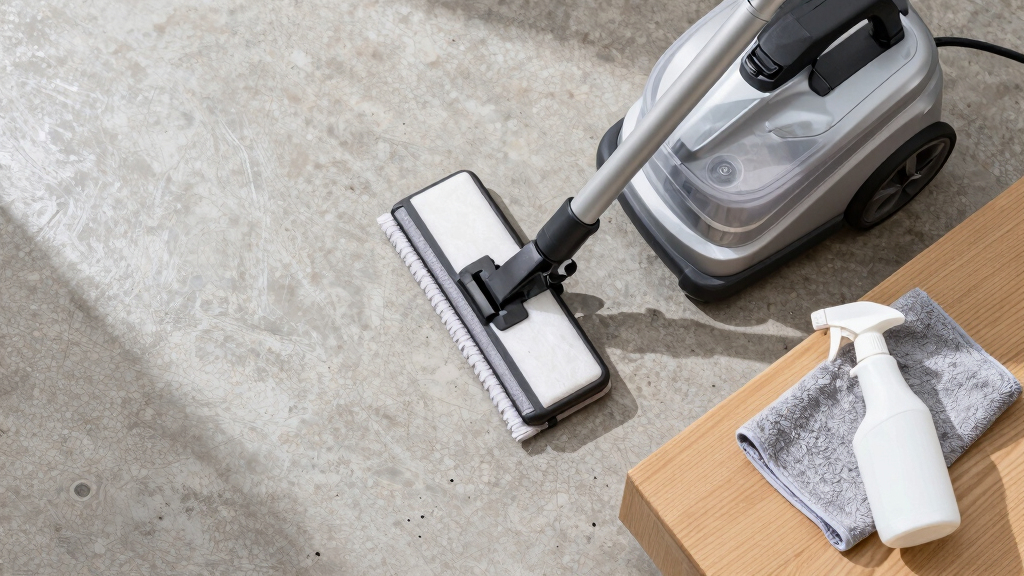
- Use a microfiber pad designed for delicate surfaces to avoid scratching or trapping moisture.
- Regularly maintain your steam cleaner—descale it if you have hard water, to prevent mineral deposits from transferring onto your floors.
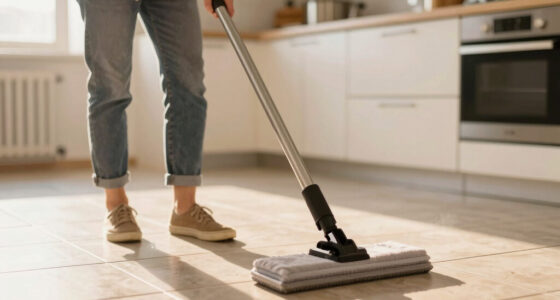
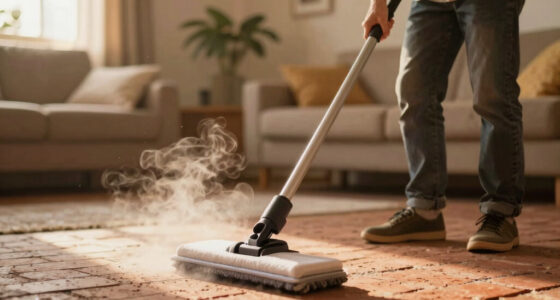
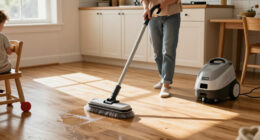
Imagine gently gliding the mop across your floor, a soft hum filling the room, steam barely visible as it lifts dirt. Moving steadily ensures you don’t leave water spots or puddles, which could cause dullness or damage.
microfiber mop pad for delicate surfaces
As an affiliate, we earn on qualifying purchases.
As an affiliate, we earn on qualifying purchases.
The Risks of Overdoing It: When Steam Cleaning Turns Harmful
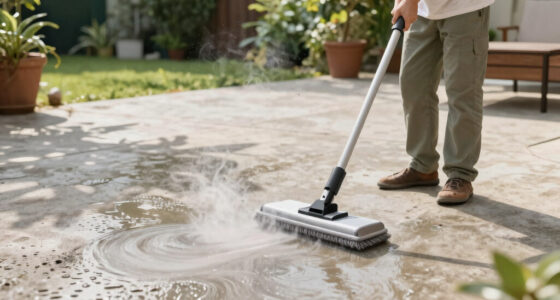
Too much moisture is the enemy of polished concrete. Excessive steam or prolonged contact can dull the surface, create hazy patches, or even cause micro-etching. That’s because concrete’s polished finish is thin—exposure to high heat or water can wear it down over time.
For instance, if you leave the mop in one spot for too long or use a high steam setting weekly, you might notice a loss of shine within months. Research shows that minimal moisture cleaning methods, like steam, are safe if managed properly—over-wetting remains the main concern.
best steam cleaner for concrete floors
As an affiliate, we earn on qualifying purchases.
As an affiliate, we earn on qualifying purchases.
What Features to Look for in a Steam Cleaner for Concrete Floors
| Feature | Why It Matters |
|---|---|
| Adjustable steam levels | Allows you to choose a gentle setting suitable for polished concrete |
| Lightweight design | Makes it easier to maneuver without applying too much pressure |
| Microfiber pads | Gentle on surfaces, reduce scratching, and improve cleaning efficiency |
| Auto shut-off | Prevents overheating or accidental overuse, protecting your floors |
Choosing the right machine can make or break your cleaning routine. Think of it as selecting a delicate tool—precision matters to keep your floors shining without harm.
hard water descaling steam cleaner
As an affiliate, we earn on qualifying purchases.
As an affiliate, we earn on qualifying purchases.
How Often Is Too Often? Setting a Realistic Cleaning Schedule
Steam mopping polished concrete floors once a week usually strikes the right balance. If your space sees heavy foot traffic or pets, you might do it more often—but always pay attention to how your floors respond.
For example, after hosting a gathering, a quick steam clean can refresh the look without risking dullness. Conversely, overdoing it—say, daily steam mopping—can lead to micro-scratches or loss of polish over months.
Remember, always test and observe. If you notice dull patches, cut back and adjust your routine.
Maintenance Tips for Long-Lasting Shine and Safety
- Use distilled or soft water to prevent mineral deposits that can stain or scratch.
- Clean the microfiber pads regularly to avoid spreading dirt or grit.
- Check your floor’s finish—if dulling or spots appear, pause and reassess your technique.
- Keep the steam mop’s boiler clean to ensure consistent, low-temperature steam output.
- Store your steam cleaner in a dry, safe place to prevent corrosion or mineral build-up.
For example, switching to distilled water during winter months can prevent white mineral spots that sometimes appear after steaming. Regular maintenance extends your equipment’s life and keeps your floors looking their best.
The Bottom Line: Can You Keep Your Floors Shiny and Safe?
Yes, you can keep polished concrete floors gleaming with steam, but it’s all about the right technique. Use low settings, keep moving, and always test first. Proper care and modern steam technology make it a safe, eco-friendly choice.
Imagine a bright, spotless floor that’s hygienic and sustainable—your daily routine just got easier. The key is consistency and respect for your surface’s delicate finish.
Frequently Asked Questions
Is steam mopping safe for polished concrete floors?
Yes, if you use the lowest steam setting, keep the mop moving, and test a small area first. Proper technique minimizes risk of dulling or etching the finish.How often can I steam mop my polished concrete floors?
Once a week is generally safe, but adjust based on foot traffic and how your floors respond. Always look for signs of dullness or spots and modify accordingly.Can I use chemical cleaners with my steam mop on concrete?
Generally, steam cleaning relies on water alone. Adding chemicals isn’t necessary and can damage the finish. Check your manufacturer’s instructions for specifics.What features should I look for in a steam cleaner for concrete floors?
Opt for adjustable steam levels, lightweight design, microfiber pads, and auto shut-off features. These help protect your polished surface while making cleaning easier.How do I prevent mineral buildup when using hard water?
Use distilled or soft water, regularly descale your steam cleaner, and clean the pads to avoid mineral deposits that can stain or scratch your floors.Conclusion
Maintaining polished concrete floors doesn’t have to mean sacrificing shine for cleanliness. With proper technique, the right equipment, and a cautious approach, steam mopping can be both safe and effective. Think of it as giving your floors a gentle, thorough spa treatment—clean, sanitized, and gleaming.
Next time you reach for that steam mop, remember: less is more. Move steadily, test first, and keep moisture in check. Your floors will thank you with a lasting, vibrant shine that stands up to everyday life.
Fall Picks
fall essentials
As an affiliate, we earn on qualifying purchases.