TL;DR

Get cleaning gear delivered free with Prime
- Fast, free delivery on millions of items
- Prime Video, Amazon Music and more included
- Member-only deals all year
Most antique and reclaimed wood floors shouldn’t be cleaned with a steam mop due to moisture risks. Gentle sweeping and minimal water are safer choices, and always check manufacturer advice before cleaning.
Most antique and reclaimed wood floors aren’t safe for steam mops due to moisture risks.
Always test a small area first if considering steam cleaning, and check your flooring’s manufacturer guidelines.
Gentle sweeping and damp microfiber mops with neutral cleaners are safer and effective for regular maintenance.
Avoid excess water and never linger with a steam mop on delicate surfaces.
Consult flooring professionals for restoration or deep cleaning to preserve your floor’s beauty.
Why Steam Mops Are Usually a Bad Idea for Old or Salvaged Wood
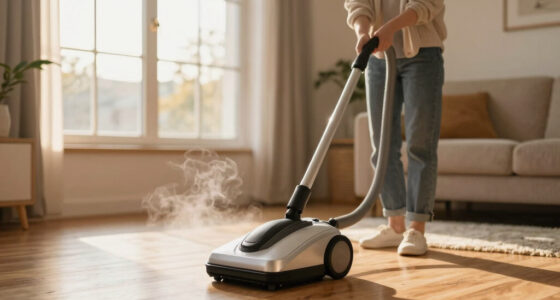
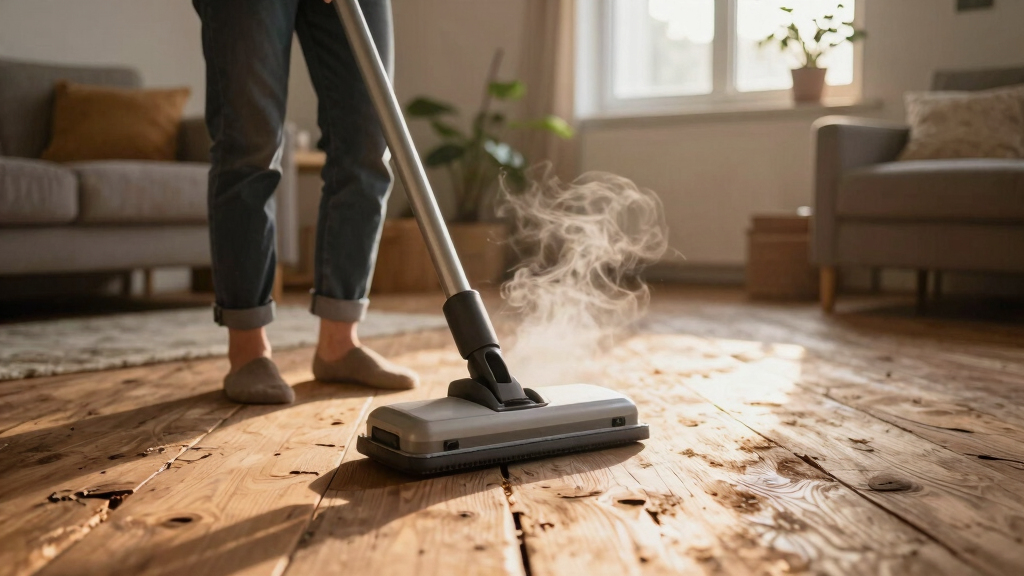
Steam mops emit hot, moist vapor designed to loosen dirt and kill germs. But for antique and reclaimed wood floors, that moisture is like pouring water on a delicate fabric. Wood, especially when old or salvaged, often has compromised finishes or hidden cracks that can swell or warp when exposed to steam. For example, a vintage oak floor with a worn shellac finish could absorb moisture, causing the surface to swell and develop unsightly cracks. Manufacturers often warn against steam because the heat and humidity can strip or damage protective coatings, leaving your floors vulnerable to staining and deterioration.
Real-world scenario: I once saw a reclaimed pine floor with a beautiful matte finish. After a quick pass with a steam mop, the finish clouded and peeled away, revealing dull, uneven patches underneath. That’s the kind of damage you don’t want to risk.
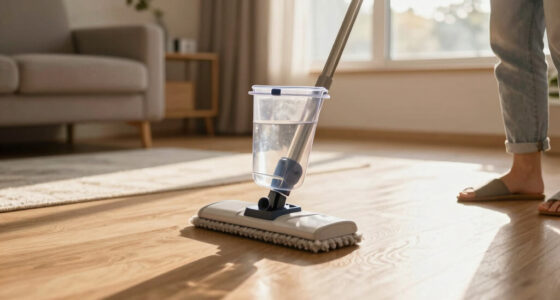
microfiber floor mop for delicate wood floors
As an affiliate, we earn on qualifying purchases.
As an affiliate, we earn on qualifying purchases.
What Happens When You Use a Steam Mop on Vintage or Salvaged Floors?
Steam can cause a range of problems on antique and reclaimed wood floors. Excess moisture penetrates the wood, leading to swelling, warping, or cracking. Older surfaces often have thin or compromised finishes that aren’t designed to withstand high heat and humidity. You might notice dark spots, peeling varnish, or a dull, uneven appearance after steam cleaning.
For example, a reclaimed barn wood floor in a mountain cabin developed dark stains and warped boards after a few steam sessions. It’s like trying to hydrate a brittle sponge — it just can’t handle the moisture.
As an affiliate, we earn on qualifying purchases.
The Best Way to Clean Antique and Reclaimed Wood Floors Without Damage
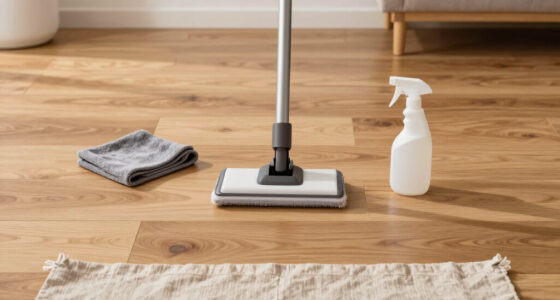
Keep it simple and gentle. Use a soft broom or a vacuum with a floor brush attachment to remove dust and debris daily. For deeper cleaning, dampen a microfiber mop with a small amount of pH-neutral, wood-friendly cleaner. Wring out excess water — you want the mop just barely damp, not wet. Think of it as a light dew on a flower petal, not a puddle.
For example, I once cleaned a century-old oak floor with a microfiber cloth dampened with a mix of water and a few drops of mild dish soap. It preserved the finish and kept the surface shining without risking damage.
As an affiliate, we earn on qualifying purchases.
Comparing Steam Mops and Traditional Cleaning for Old Floors
| Feature | Steam Mop | Traditional Cleaning |
|---|---|---|
| Moisture Level | High (steam + water vapor) | Low (damp microfiber or dry dusting) |
| Surface Safety | Potential damage, especially on delicate finishes | Safer, gentle on all finishes |
| Ease of Use | Fast, chemical-free cleaning | Slower but safer and more controllable |
| Best for | Not recommended for antique/reclaimed wood | Ideal for preserving vintage, salvaged, or delicate floors |
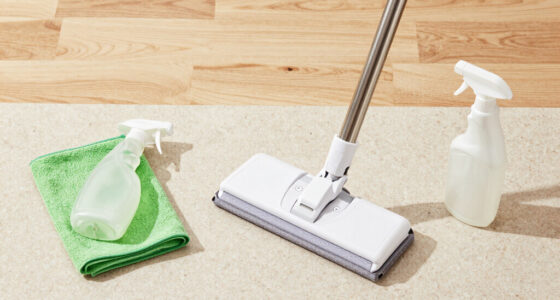
steam mop alternative for reclaimed wood floors
As an affiliate, we earn on qualifying purchases.
As an affiliate, we earn on qualifying purchases.
Can You Use a Steam Mop if the Floor Has a Modern Sealant?
While a sealed or polyurethane-coated floor might seem safer for steam cleaning, caution still applies. Old sealants can be compromised, and moisture can seep underneath, causing long-term damage. Even with a modern sealant, many manufacturers advise against steam mops on wood because of the unpredictable effects on aged finishes.
For example, a modern-sealed reclaimed hardwood floor in a retail space was damaged after a few steam passes because the sealant had tiny cracks. Always check with the flooring maker before steaming.
Simple Cleaning Hacks to Keep Your Vintage Floors Beautiful
- Use a microfiber mop dampened with water and a gentle, pH-neutral cleaner.
- Sweep or vacuum regularly to remove grit that can scratch surfaces.
- Spot clean spills immediately to prevent stains.
- Avoid excessive water; think damp, not soaked.
- Periodically ask a flooring professional for advice or refinishing options.
What If You Really Want to Use a Steam Mop? Here’s How to Minimize Risks
If you insist on trying a steam mop, follow these steps:
- Test in a hidden corner first. Wait 24 hours to check for damage.
- Use the lowest steam setting available.
- Keep the mop moving; don’t linger in one spot.
- Dry the floor immediately with a clean, dry cloth afterward.
- Never use steam on floors with worn finishes or visible cracks.
Remember, even with precautions, damage can occur. It’s a gamble best avoided unless you have expert advice.
Frequently Asked Questions
Is it safe to use a steam mop on antique or reclaimed wood floors?
Generally, no. Most experts recommend avoiding steam mops because the moisture can cause swelling, warping, or cracking, especially on older, delicate surfaces. Always check with your flooring manufacturer or a professional before using one.Can I use a steam mop if my floors are sealed or coated with polyurethane?
While a sealed surface might be more resistant, old or compromised sealants can still allow moisture to seep underneath, risking damage. It’s safer to stick with gentle damp mops and avoid steam unless you have explicit approval from the manufacturer.What’s the safest cleaning method for vintage or reclaimed wood floors?
Use a soft broom or vacuum first to remove dust, then dampen a microfiber cloth with a pH-neutral cleaner. Avoid excess water, and dry the floor immediately. Regular maintenance like this keeps your floors beautiful without risking damage.Are there special steam mops designed for wood floors?
Some models have adjustable steam levels, but their safety on antique or reclaimed wood isn’t guaranteed. Always consult the manufacturer’s guidelines before attempting to use a steam mop on delicate or historic floors.How can I restore or maintain the beauty of my antique or reclaimed wood floors?
Regular gentle cleaning, avoiding excess water, and periodic professional refinishing will help preserve the character and integrity of your floors over time.Conclusion
Steam mops might seem like a quick fix, but when it comes to antique or reclaimed wood floors, they often do more harm than good. Stick to gentle, moisture-controlled cleaning methods to keep your historic or salvaged floors looking their best for generations. Your floors have stories — treat them with the care they deserve.Fall Picks
fall essentials
As an affiliate, we earn on qualifying purchases.