TL;DR

Get cleaning gear delivered free — and shop member deals
- Fast, free delivery on millions of items
- Access to Prime Big Deal Days deals on October 6–7
- Prime Video, Amazon Music and more included
Steam mopping epoxy garage floors can work if you use low-temperature, adjustable steam cleaners and follow safety tips. Always test first and avoid high heat to prevent damage. Proper technique extends your floor’s lifespan.
Use a steam cleaner with adjustable temperature and pressure settings for epoxy floors.
Always test on a small area before full cleaning to check for bubbling or peeling.
Avoid high heat and prolonged steam exposure—keep steam low and movement steady.
Wait at least 7 days after epoxy application before attempting steam cleaning.
Complement steam cleaning with gentle sweeping and mild soap mopping for best maintenance.
What Makes Epoxy Floors Sensitive to Steam Cleaning?
Epoxy floors are tough but not invincible. They create a glossy, chemical-resistant barrier, yet they can be damaged by high heat and excessive moisture. When epoxy is fully cured, usually after 7 days, it’s more resistant. But even then, too much steam pressure or heat can cause bubbling or delamination.
Imagine a garage floor coated with bright, slick epoxy. It looks sleek and durable, but if you blast it with high-heat steam, those tiny molecules can weaken, leading to cracks or peeling. That’s why understanding the surface’s limits is key before grabbing a steam mop.
Understanding these vulnerabilities helps you weigh the benefits of steam cleaning against potential risks. Excessive heat can cause micro-cracks that compromise the epoxy’s integrity, leading to costly repairs or early replacement. Moisture, if trapped or applied too aggressively, can also weaken the bond between the epoxy and the substrate. Therefore, knowing these factors encourages cautious, informed cleaning practices that extend your floor’s lifespan.
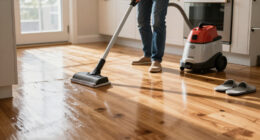
adjustable steam cleaner for epoxy floors
As an affiliate, we earn on qualifying purchases.
As an affiliate, we earn on qualifying purchases.
Can You Safely Use a Steam Mop on Your Epoxy Garage Floor?
Yes, if you choose the right equipment and follow proper steps. Modern steam cleaners with adjustable pressure and temperature settings are safer choices. Keep the steam temperature low—around 200°F or less—and avoid holding the steam nozzle in one spot too long. Always test in an inconspicuous corner first to see how your epoxy reacts.
For example, using a handheld steam cleaner with a soft microfiber pad and gentle steam can loosen dirt without risking bubbling or peeling. But a commercial-grade, high-pressure steam machine can be too harsh, especially if used improperly. The key is understanding that not all steam cleaners are suitable for epoxy floors, and selecting equipment that allows you to control heat and pressure is essential for safety.
Choosing the right equipment matters because it allows you to control heat and pressure, minimizing the risk of damage. Proper technique—like keeping the nozzle moving and avoiding prolonged contact—further reduces the chance of harming your epoxy surface. When used correctly, steam cleaning can be a safe, effective maintenance method that preserves your floor’s appearance and integrity.
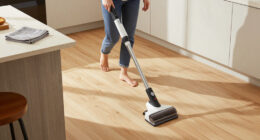
handheld steam mop for garage floors
As an affiliate, we earn on qualifying purchases.
As an affiliate, we earn on qualifying purchases.
How to Steam Clean Your Epoxy Floor Without Damage (Step-by-Step)
- Ensure the epoxy is fully cured—wait at least 7 days after installation. This curing period allows the epoxy to reach maximum hardness and bond strength, reducing the risk of damage during cleaning. Failing to do so can leave your floor vulnerable to micro-cracks or peeling when exposed to heat and moisture.
- Choose a steam cleaner with adjustable temperature and pressure controls. This flexibility lets you tailor the cleaning process to your specific epoxy surface, avoiding excessive heat or force that could cause damage or delamination.
- Set the steam temperature low—around 200°F or below. Lower temperatures significantly reduce the risk of thermal stress, which can cause micro-cracks or bubbling, especially in older or less resilient epoxy coatings.
- Test the steam on a small, hidden area; observe for signs of bubbling, peeling, or discoloration. This step is crucial because epoxy formulations vary, and some may be more sensitive. Early detection of adverse reactions helps prevent widespread damage.
- Use a microfiber pad or cloth attached to the steam mop for gentle cleaning. Soft pads distribute pressure evenly and minimize abrasion or heat concentration, reducing the risk of surface damage and ensuring a gentle yet effective clean.
- Maintain a steady, slow movement—don’t linger in one spot. This prevents localized overheating and allows moisture to evaporate evenly, reducing the chance of trapping moisture beneath the coating, which can weaken the bond over time.
- Dry the floor with a clean microfiber cloth if needed to remove excess moisture, especially in corners or edges. Proper drying prevents water spots and moisture accumulation that could compromise the epoxy’s adhesion or promote mold growth.
Following these steps ensures you clean your epoxy floor effectively while minimizing the risk of damage. Patience and careful control of steam settings are key to maintaining your floor’s durability and shine. Remember, the goal is to balance cleanliness with preservation, which means understanding your specific epoxy’s needs and limitations.
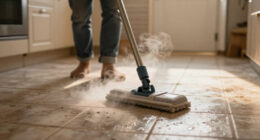
epoxy floor cleaning steam machine
As an affiliate, we earn on qualifying purchases.
As an affiliate, we earn on qualifying purchases.
Comparing Steam Cleaning to Other Garage Floor Cleaning Methods
| Method | Pros | Cons |
|---|---|---|
| Steam Mopping | Eco-friendly, quick, no chemicals, good for regular maintenance | Risk of damage if not careful, requires adjustable equipment |
| Mild Soap & Water | Safe, inexpensive, easy to control | Less effective at deep cleaning or grease removal |
| Commercial Epoxy Floor Cleaner | Designed for epoxy, thorough cleaning | Contains chemicals, possible residue, may require rinsing |
Choosing the right cleaning method depends on your specific needs and the condition of your epoxy floor. While steam mopping offers a chemical-free, quick solution, it requires careful handling to avoid damage, especially on older or improperly cured surfaces. Mild soap and water are safer for routine maintenance but may not tackle stubborn stains or grease. Commercial cleaners are effective but introduce chemicals that could affect the epoxy’s long-term appearance if not rinsed properly. Weighing these factors helps you select a method that balances safety, effectiveness, and convenience for your particular situation. Consider that each method has tradeoffs: while steam cleaning is quick and chemical-free, it demands precision and proper equipment to avoid long-term damage, whereas traditional cleaning methods might be safer but less effective against stubborn grime or stains.
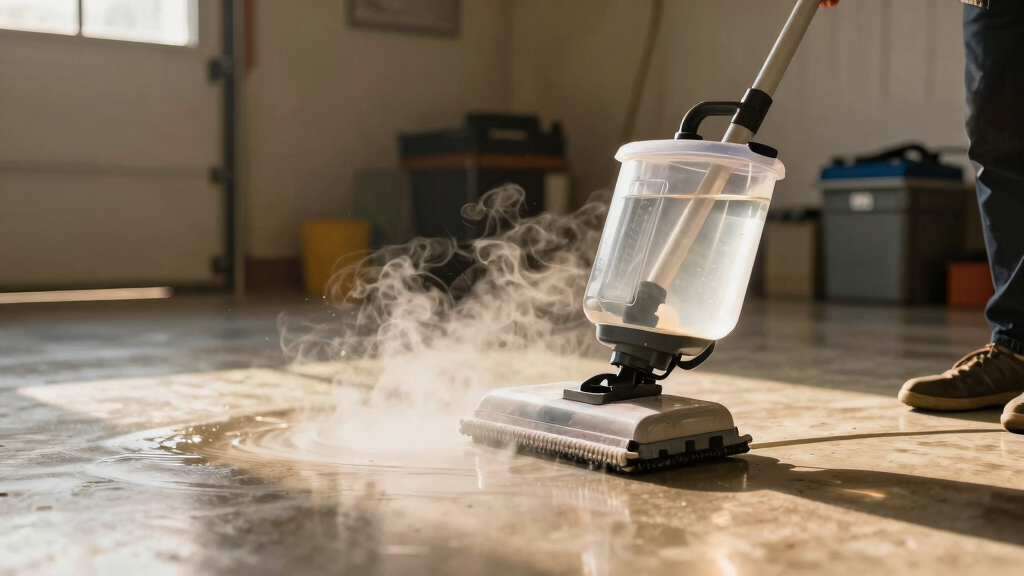
best steam mop for epoxy garage floors
As an affiliate, we earn on qualifying purchases.
As an affiliate, we earn on qualifying purchases.
What Are the Main Risks of Steam Mopping an Epoxy Floor?
Using high heat or too much steam can cause bubbling, cracking, or peeling of epoxy coatings. Excess moisture may weaken the bond if the epoxy isn’t fully cured or is old. Over time, repeated improper steam cleaning might lead to surface dulling or delamination. These risks are not just theoretical; they directly impact the longevity and appearance of your epoxy surface. Damage from heat can create micro-cracks that propagate over time, leading to larger fractures that compromise the floor’s structural integrity. Moisture trapped beneath the epoxy can cause it to lift or peel, especially if the coating has micro-damage or is not fully cured. Repeated exposure to improper steam cleaning accelerates surface dullness, reduces gloss, and can promote mold or mildew growth in unsealed areas. Recognizing these risks underscores that steam cleaning, while effective, must be approached with caution and proper technique to avoid long-term damage and maintain your floor’s appearance and strength, ensuring you get the most value and lifespan from your epoxy coating.
Expert Tips for Safe, Effective Steam Cleaning of Epoxy Floors
- Always check the epoxy’s curing status before cleaning. A fully cured epoxy withstands cleaning better and reduces the risk of damage. Rushing this step can result in micro-cracks or peeling if the surface isn’t ready for moisture and heat.
- Use a steam cleaner with adjustable settings—keep the temperature low to avoid thermal stress and micro-cracks. High settings increase the risk of damaging the epoxy’s surface and should be avoided unless you are certain of your floor’s resilience.
- Test in a small, hidden area first for signs of damage, such as bubbling or discoloration, before cleaning the entire floor. This proactive step helps you gauge your epoxy’s sensitivity and prevents widespread issues.
- Maintain a steady, slow movement—don’t linger in one spot to prevent localized overheating and moisture buildup. This technique ensures even cleaning and reduces the risk of micro-damage or moisture entrapment.
- Follow up with drying cloths if necessary to prevent water spots or residual moisture that could weaken the epoxy bond over time. Proper drying is crucial for preserving the coating’s adhesion and appearance.
- Regularly inspect your floor for signs of damage or wear, especially after cleaning, to catch issues early and prevent costly repairs. Early detection is key to maintaining the integrity of your epoxy surface over the long term.
By following these expert tips, you can ensure your cleaning process is safe, effective, and preserves the long-term durability of your epoxy floor. Patience and careful control are your best allies in maintaining a beautiful and resilient surface. Remember, the goal is to clean without compromising the epoxy’s integrity, so always prioritize gentle, controlled techniques and thorough inspection.
Frequently Asked Questions
Can I use any steam mop on my epoxy garage floor?
No, stick to models with adjustable temperature and pressure controls. Avoid high-pressure, high-temperature steam cleaners to prevent damage. Always check your floor’s curing status first.How often can I safely steam clean my epoxy floor?
Once every few months is generally safe, depending on foot traffic and dirt levels. Regular sweeping and mild mopping are enough for weekly maintenance.Will steam cleaning cause my epoxy to peel or bubble?
It can if the steam is too hot or held in one spot for too long. Always test first, keep steam low, and avoid prolonged exposure. Understanding the limitations of your equipment and your floor’s condition is critical to prevent damage.What are better alternatives to steam mopping for epoxy floors?
Gentle soap and water, pH-neutral cleaners, or specialized epoxy floor cleaners with microfiber mops are safer options for routine cleaning. These methods reduce risks associated with heat and moisture while maintaining cleanliness.How do I tell if my epoxy is fully cured and safe for steam cleaning?
Most epoxy takes about 7 days to fully cure. Check with your manufacturer’s instructions. Avoid cleaning until that period has passed for best results. Patience here prevents premature exposure to moisture and heat, which could cause micro-cracks or delamination.Conclusion
A cautious, controlled approach makes steam mopping a viable option for epoxy garage floors. When used properly, it offers an eco-friendly, effective cleaning method that won’t compromise your surface’s durability. Remember: patience, gentle settings, and testing first keep your floor looking great without risking damage.Halloween Picks
halloween
As an affiliate, we earn on qualifying purchases.