TL;DR

Get cleaning gear delivered free — and shop member deals
- Fast, free delivery on millions of items
- Access to Prime Big Deal Days deals on October 6–7
- Prime Video, Amazon Music and more included
Steam mops are generally safe for cleaning glass and mosaic tiles, removing dirt and bacteria without harsh chemicals. Always test first, follow manufacturer instructions, and avoid excessive steam on fragile surfaces.
Ever wonder if your trusty steam mop can handle those delicate glass surfaces or intricate mosaic tiles? The idea of using hot steam to clean sounds appealing—no chemicals, just pure heat and water. But is it safe? Will it damage your surfaces or just do a better job?
In this guide, you’ll learn exactly how steam mops interact with glass and mosaic tiles, what precautions to take, and how recent tech improvements make cleaning safer and easier. If you’re tired of streaks, grime, or mold hiding in tiny grout lines, read on to find out how to do it smartly and safely.
Always test your steam mop on a small, hidden area before full cleaning to avoid damage.
Adjust steam levels based on the surface—use low for fragile glass or unglazed tiles.
Modern steam mops with safety features and attachments improve cleaning without risking harm.
Porous, unglazed, or antique surfaces require extra caution or alternative cleaning methods.
Wiping surfaces with a microfiber cloth after steaming prevents streaks and water spots.
Can Steam Mops Safely Clean Glass Without Cracks?
Yes, steam mops can clean glass surfaces like windows, doors, or tabletops effectively, as long as you use them carefully. The high-temperature steam loosens dirt and smudges, leaving a streak-free shine—no harsh chemicals needed. But, avoid steam on fragile or cracked glass, since rapid temperature shifts could cause fractures.
Imagine wiping down your glass shower door with steam after a long shower—steam helps lift soap scum and water spots, leaving it sparkling. Just test a small corner first, especially on older or delicate glass, to prevent surprises. Using a microfiber cloth afterward helps eliminate streaks and boosts clarity.
Understanding why this matters is crucial: glass is sensitive to rapid temperature changes, which can induce stress and cause cracking. This is especially true for older or already compromised glass. When used correctly, steaming can be a gentle, chemical-free method to restore clarity, but misuse can lead to costly damage. The tradeoff is between effective cleaning and the risk of inadvertent damage—so caution and testing are essential.
As an affiliate, we earn on qualifying purchases.
How Well Do Steam Mops Clean Mosaic Tiles and Grout?
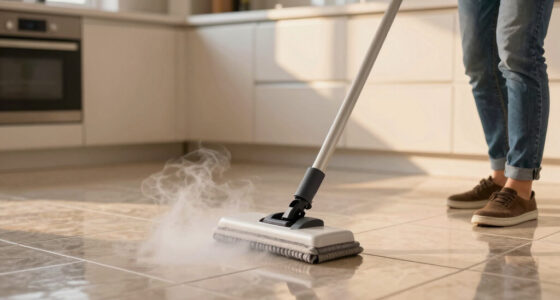
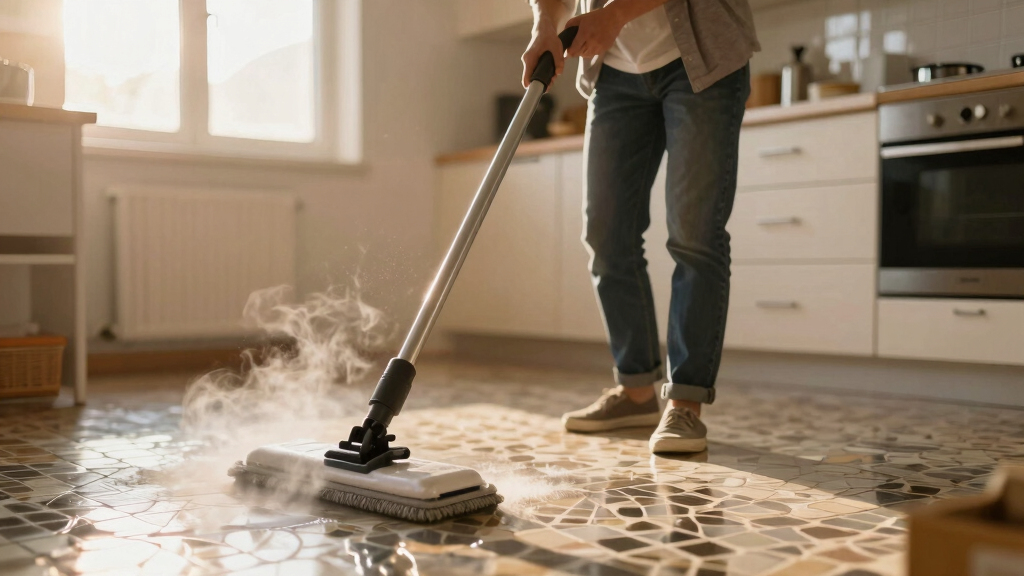
Steam mops are quite effective on mosaic tiles, especially in kitchens and baths. The hot steam penetrates tiny crevices of grout lines, helping lift grime, soap scum, and even mold. It’s a chemical-free way to refresh your tiles without scrubbing endlessly.
For example, if your bathroom mosaic has darkened grout from years of soap buildup, a few passes with a steam mop can brighten it considerably. Still, stubborn stains or deep-seated dirt might need a scrub brush or a specialized grout cleaner after steaming. Remember, porous unglazed tiles or soft cement grout might absorb moisture, so always test first.
Deep cleaning with steam can be a game-changer because it reduces the need for harsh chemicals that may damage delicate grout or leach into porous tiles. However, the effectiveness depends on grout condition and tile porosity. Over-reliance on steam without addressing underlying issues can sometimes lead to moisture retention, which might foster mold growth or deterioration over time. The tradeoff here involves balancing thorough cleaning with the potential for moisture-related damage—so understanding your specific tile and grout types is essential.
As an affiliate, we earn on qualifying purchases.
Are Steam Mops Safe for All Types of Glass and Mosaic Tiles?
Most glass and ceramic mosaic tiles are safe to clean with steam mops, especially glazed, vitrified, or sealed varieties. These surfaces resist moisture and heat better. But, avoid using steam on unglazed or porous tiles that can absorb water or be damaged by heat.
For example, unglazed terracotta or natural stone mosaics may crack or stain when exposed to steam. Always check your tile manufacturer’s guidelines, and test on a small hidden area first. If in doubt, opt for a damp cloth or gentle cleaning method instead.
Understanding why this matters is about surface durability: glazed and sealed tiles have a protective layer that minimizes water absorption and thermal shock, making them more resilient during steaming. Conversely, unglazed or porous tiles lack this barrier and risk absorbing moisture, leading to possible staining, cracking, or deterioration. The tradeoff involves choosing the right cleaning method based on surface composition—using steam where appropriate extends the life of your tiles and prevents costly repairs.
adjustable steam mop for delicate surfaces
As an affiliate, we earn on qualifying purchases.
As an affiliate, we earn on qualifying purchases.
What Are the Limitations of Using a Steam Mop on Glass and Tiles?
Steam mops aren’t magic. They aren’t suitable for surfaces that are heat-sensitive, textured, or uneven, where steam can’t reach into crevices. Excessive or improper use might damage delicate grout, soft glass, or finishes.
Think of steam as a tool that needs respect—too much heat or prolonged exposure can cause cracks or discoloration. Avoid steaming painted surfaces, unglazed tiles, or antique glass with intricate details. Always follow your equipment’s instructions and test first.
Understanding the limitations is vital because improper use can lead to unintended damage. For instance, textured or uneven surfaces may trap moisture, leading to mold or deterioration. Soft or delicate glass can crack if exposed to high heat or rapid temperature changes. The tradeoff is that while steam is a powerful cleaning agent, it requires careful application—overuse or neglecting surface sensitivities can result in costly repairs and loss of surface integrity.
microfiber cloth for glass cleaning
As an affiliate, we earn on qualifying purchases.
As an affiliate, we earn on qualifying purchases.
What’s New in Steam Mop Tech That Makes Cleaning Safer and Easier?
Recent innovations have made steam mops safer and more versatile for glass and mosaic tiles. Modern models feature adjustable steam levels, letting you dial down heat for sensitive surfaces. Some include microfiber pads with better dirt-trapping power, plus washable options for eco-friendliness.
Many now have safety locks that prevent accidental steam release, reducing burns or damage. Attachments like small brushes or squeegees are designed specifically for glass or tile surfaces, giving you more control and precision. This means you can clean with confidence, knowing your surfaces stay protected.
Understanding these technological advancements is important because they directly impact cleaning safety and effectiveness. Adjustable steam controls allow you to tailor the heat output to the surface, reducing the risk of damage. Specialized attachments improve cleaning accuracy in tight spaces or delicate areas. The tradeoff involves investing in higher-quality models that offer these features, which can be more expensive but ultimately safer and more efficient for sensitive surfaces.
How to Use Your Steam Mop on Glass and Mosaic Tiles Without Damage
- Read your steam mop’s manual—know the recommended settings for delicate surfaces.
- Pre-clean loose dirt with a vacuum or dry cloth to prevent streaks.
- Test a small, hidden corner first—wait a few minutes to check for any issues.
- Use a low or gentle steam setting, especially on glass or unglazed tiles.
- Pass the steam mop slowly over the surface, avoiding excessive heat buildup.
- Wipe the surface with a microfiber cloth afterward to remove residual moisture and streaks.
- Allow surfaces to dry completely before using or applying any sealants.
For example, cleaning your glass patio doors or mosaic kitchen backsplashes can be quick and safe if you follow these steps. Patience and caution go a long way.
Understanding how to properly operate your steam mop—adjusting settings, testing, and cleaning methodically—ensures you don’t inadvertently cause damage. The tradeoff here is between efficient cleaning and the risk of surface harm; careful, informed use minimizes this risk and prolongs the lifespan of your surfaces.
Frequently Asked Questions
Can I use a steam mop on all types of glass?
Most glass surfaces can handle steam cleaning, but avoid using on fragile or cracked glass. Always test on a small area first, especially on antique or delicate glass to prevent damage.
Is steam cleaning safe for mosaic tiles and grout?
Yes, generally. It’s effective for removing grime and mold, but porous or unglazed tiles may absorb moisture. Use gentle settings, and consider additional grout cleaning if stains are stubborn.
Will steam damage the grout or tiles?
When used properly, steam is safe. Excessive heat or prolonged exposure might cause issues on soft grout or delicate tiles, so always follow manufacturer recommendations and test first.
How do I prevent streaks or water spots on glass?
Use a microfiber cloth to wipe down the surface after steaming, or wait for the surface to dry completely. This prevents water spots and keeps your glass looking pristine.
Are there specific steam mop models recommended for glass and mosaic tile cleaning?
Look for models with adjustable steam controls, specialized attachments, and positive reviews for tile and glass. These features help customize your cleaning for sensitive surfaces.
Conclusion
Steam mops can be a safe, chemical-free choice for cleaning glass and mosaic tiles—if used thoughtfully. The key is respecting surface sensitivity, following instructions, and testing first.
Picture your glass shining brilliantly or your mosaic grout looking fresh—without the haze or streaks. When in doubt, gentle cleaning and cautious steps preserve your surfaces and maximize your cleaning effort.
Evergreen bestsellers Picks
bestsellers
As an affiliate, we earn on qualifying purchases.