TL;DR

Get cleaning gear delivered free with Prime
- Fast, free delivery on millions of items
- Prime Video, Amazon Music and more included
- Member-only deals all year
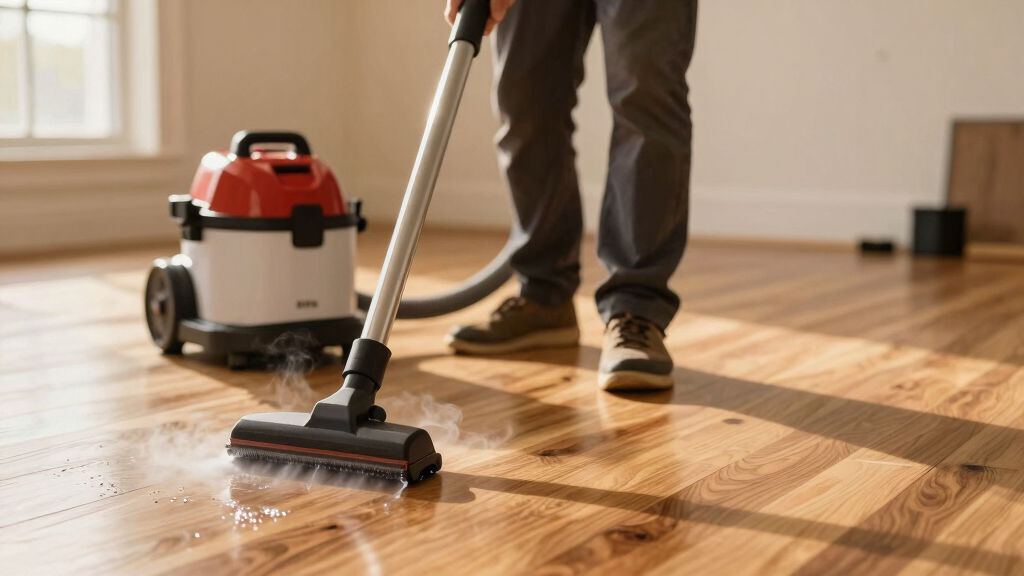
Steam cleaning can damage hardwood floors because the high heat and moisture penetrate the wood, leading to swelling, warping, and finish deterioration. Experts recommend dry or lightly damp cleaning methods instead to protect your investment.
Imagine a shiny, streak-free hardwood floor. Now picture it warped, swollen, or cracked just months later. That’s what can happen when moisture sneaks into the wood—something steam cleaning pushes to the limit.
Despite the promise of quick, chemical-free cleaning, most flooring pros won’t touch steam on hardwood, citing risks that outweigh benefits. In this guide, you’ll learn why moisture sensitivity makes steam a no-go and what safe cleaning options keep your floors looking great for years.
Most hardwood flooring warranties exclude damage caused by steam cleaning, highlighting the risk of moisture-related harm.
Hardwood floors are highly sensitive to excess moisture; steam’s high heat and pressure can cause swelling, warping, and finish deterioration.
Stick to dry mops, vacuuming, and approved cleaning solutions—these methods preserve the wood’s integrity.
Newer low-moisture steam systems are being tested but are not widely endorsed; always follow manufacturer guidelines.
Regular maintenance with gentle, moisture-controlled cleaning extends the life and beauty of your hardwood floors.
Steam looks clean. Hardwood reads it as risk.
TL;DR: Steam cleaning can damage hardwood floors because high heat and moisture penetrate the wood, leading to swelling, warping, finish deterioration, and possible warranty problems. Pros prefer dry or lightly damp methods that control moisture instead of forcing it below the surface.
Most hardwood warranties exclude steam-related damage.
The quick shine can hide a slower problem: moisture sneaking through seams, finish wear, and wood fibers that expand after repeated exposure.
Most flooring professionals avoid steam on hardwood surfaces.
Steam can soften finish and push moisture into seams.
Improper moisture-heavy cleaning is commonly excluded.
Vacuum, dry mop, and use approved pH-neutral cleaners.
Why hardwood reacts badly to steam
Hardwood floors are moisture-sensitive by nature. Steam intensifies the problem because heat and pressure can move water molecules past the finish, into seams, and down into the wood structure where swelling, cupping, gaps, discoloration, and warping begin.
Finish softening
High heat can weaken protective coatings, leaving the floor more vulnerable to scratches, stains, and dull patches.
Fiber swelling
Moisture that penetrates below the finish can expand wood fibers unevenly, creating raised edges or cupping.
Cumulative damage
One session may look harmless, but repeated steaming can accelerate cracking, buckling, and finish deterioration.
How steam turns a clean floor into a repair bill
The problem is not just visible water. Steam can create a sequence of small stresses that build beneath the surface before homeowners notice dark spots, raised boards, or gaps.
Steam hits finish
Heat softens the protective layer and opens weak points.
Moisture enters
Vapor moves into seams, cracks, and exposed edges.
Wood expands
Fibers swell unevenly as moisture loads change.
Shape shifts
Cupping, warping, buckling, or gaps start to appear.
Coverage fails
Warranty support may be denied if steam caused damage.
Steam cleaning vs. hardwood-safe care
Traditional hardwood cleaning works because it limits water exposure. Steam cleaning does the opposite: it combines high temperature, vapor, and pressure, which raises the risk profile across every major flooring concern.
Steam looks convenient, but traditional cleaning wins on control
For hardwood, the safest cleaning method is the one that removes grit and residue without adding excess moisture. That is why professionals lean on dry mops, vacuums, microfiber, and approved cleaners.
| Feature | Steam Cleaning | Traditional Hardwood Cleaning | Pro Verdict |
|---|---|---|---|
| Moisture Level | High-pressure vapor and heat | Minimal water with controlled dampness | ✗ |
| Damage Risk | Higher risk of swelling, warping, and finish deterioration | Low when done correctly | ✗ |
| Warranty Fit | Often excluded by manufacturers | Generally accepted when approved products are used | ~ |
| Hardwood Suitability | Not recommended for most hardwood floors | Recommended professional baseline | ✓ |
| Long-Term Appearance | Can create hidden cumulative wear | Preserves finish when moisture is controlled | ✓ |
Avoid steam or risk losing coverage.
Many hardwood floor manuals warn against steam mops and steam cleaners because moisture-related harm can void warranty protection. Following the manufacturer’s care guide is not just maintenance; it protects the investment.
Dry mop weekly
Remove dust before it grinds into the finish.
Vacuum with care
Use a hardwood-safe setting without a harsh beater bar.
Damp, not wet
Use microfiber and a pH-neutral cleaner approved for hardwood.
The professional logic in one chain
Experts avoid steam because each link compounds the next: a moisture-heavy method meets a moisture-sensitive material, then manufacturer guidance and long-term performance both point toward lower-risk care.
Common hardwood cleaning answers
Newer low-moisture steam systems are being tested for some engineered floors, but they are not universally endorsed. The safest rule remains simple: check the floor manufacturer first, then choose the lowest-moisture method that gets the job done.
Is steam cleaning ever safe for hardwood?
In most cases, no. Some specialized systems may claim compatibility with certain engineered floors, but manufacturer approval should come first.
Can steam damage hardwood permanently?
Yes. Excess moisture can cause swelling, warping, buckling, dark spots, and finish deterioration that may be irreversible.
What should I use instead?
Use a microfiber mop, regular sweeping or vacuuming, and a pH-neutral hardwood cleaner with only light dampness.
Does steam void the warranty?
Most warranties exclude damage from improper cleaning methods, including steam-related moisture damage. Always read the care guide.
Why Moisture Sensitivity Makes Steam a Risky Play
Hardwood floors are like a sponge—moisture seeps in, causing swelling and warping. Steam, with its high heat and pressure, intensifies this risk by forcing water molecules deep into the wood.
For example, a homeowner might see a quick shine after steaming, but within weeks, they notice gaps, buckling, or discoloration. Even engineered hardwoods, which are more stable, aren’t immune. According to the National Wood Flooring Association, moisture is the biggest enemy of hardwood, and steam magnifies this danger.
Understanding this is crucial because the implications go beyond just a temporary appearance. Excess moisture can compromise the structural integrity of your floors, leading to costly repairs or replacements. The tradeoff is clear: the convenience of quick cleaning with steam often results in long-term damage that outweighs the short-term benefits.
As an affiliate, we earn on qualifying purchases.
How Steam Cleaning Damages Hardwood: The Hidden Risks
Steam can weaken the finish and penetrate beneath the surface, leading to long-term damage. The heat softens the protective coating, making the wood more vulnerable to scratches and stains.
Imagine a floor that looks perfect after steaming—until it starts to warp or develop dark spots. The damage isn’t always immediate, but it’s often irreversible. According to an anonymous researcher, over time, repeated exposure to steam can cause wood fibers to swell, crack, or crumble.
This process is especially insidious because the damage can be cumulative. A single session might seem harmless, but repeated use accelerates deterioration, reducing the lifespan of your flooring. The real risk is that these damages are often hidden or mistaken for minor issues initially, but they can compromise the entire floor’s stability and appearance over time. Recognizing these hidden risks emphasizes why avoiding steam is a prudent choice for preserving your hardwood investment.
As an affiliate, we earn on qualifying purchases.
What Do Manufacturers Say? Avoid Steam or Risk Voiding Warranties
Almost all hardwood flooring brands advise against using steam cleaners. Many warranties explicitly exclude damage caused by moisture and improper cleaning methods. If you steam, you risk losing coverage for repairs that result from moisture-related harm.
For example, a popular flooring brand’s manual states, “Do not use steam mops or steam cleaners on hardwood floors to prevent damage and void the warranty.” This is because manufacturers recognize that steam can compromise the protective finish and cause underlying damage that voids the product’s warranty coverage. By ignoring these guidelines, homeowners may find themselves responsible for costly repairs that could have been prevented. The key takeaway is that following manufacturer instructions isn’t just about maintenance—it’s about safeguarding your investment and ensuring warranty protection remains intact.
As an affiliate, we earn on qualifying purchases.
Better Ways to Keep Your Hardwood Floors Sparkling
Instead of steam, stick to dry or lightly damp cleaning. Use a microfiber mop with a gentle, pH-neutral cleaner designed for hardwoods. Regular sweeping and vacuuming remove dirt and grit that can scratch the surface.
For example, a homeowner notices that their hardwood looks just as shiny with weekly dry mops and occasional damp cloths, without risking damage. Remember: moisture is the enemy, but dirt and dust are just as harmful if left to grind into the finish. Choosing the right cleaning methods is about balancing cleanliness with preservation—gentle, consistent care extends the life of your floors and keeps their appearance pristine for years.
laminate and hardwood floor cleaner
As an affiliate, we earn on qualifying purchases.
As an affiliate, we earn on qualifying purchases.
Recent Advances: Are Low-Moisture Steam Systems Safer?
Some newer steam systems claim to use controlled humidity levels to reduce moisture risks. These devices emit less water vapor and may be safer on engineered hardwoods, but they’re not universally endorsed by manufacturers.
For instance, a few brands now promote low-moisture steam cleaners with specific instructions, but still recommend testing first. Even with advancements, caution remains essential—always follow the floor manufacturer’s guidelines. Understanding the limitations of these systems is important because, although they reduce some risks, they do not eliminate them entirely. The tradeoff involves weighing the convenience of these newer systems against the potential for unseen damage, making cautious use and adherence to manufacturer advice critical for protecting your floors.
Quick Comparison: Steam Cleaning vs. Traditional Hardwood Cleaning
| Feature | Steam Cleaning | Traditional Cleaning |
|---|---|---|
| Moisture Level | High pressure, high heat, excessive moisture | Minimal water, controlled dampness |
| Damage Risk | High, including warping and finish deterioration | Low, if done correctly |
| Warranties | Often voids warranty | Generally accepted |
| Suitability | Not recommended for hardwood | Recommended |
Frequently Asked Questions
Is steam cleaning ever safe for hardwood floors?
In most cases, no. Most manufacturers advise against steam because the moisture and heat can cause irreversible damage. Some engineered floors might tolerate low-moisture systems, but always check with the manufacturer first.What are the best cleaning methods for hardwood floors?
Use a microfiber mop with a pH-neutral cleaner designed for hardwoods. Regular sweeping and vacuuming also remove dirt and debris that can scratch the surface, maintaining the floor’s appearance and integrity.Can steam damage hardwood floors permanently?
Yes. Excess moisture from steam can cause swelling, warping, and finish deterioration, which may be impossible to reverse. Protect your floors by avoiding steam altogether.Does using steam void my hardwood floor warranty?
Most warranties specify that using steam cleaners voids the coverage because of potential damage. Always consult your warranty details before attempting any cleaning method.Are there any safe alternatives to steam cleaning?
Absolutely. Regular dry mopping, vacuuming, and occasional damp wiping with approved cleaners are safe and effective ways to keep hardwood floors looking their best without risking damage.Conclusion
Hardwood floors thrive on careful, moisture-conscious cleaning. Steam, with its potential to cause long-term damage, is best avoided—no matter how shiny it makes the floor look in the moment.
Instead, choose gentle, proven methods that keep your investment looking flawless for decades. When in doubt, ask your flooring provider—your floors will thank you for it.
Fall Picks
fall essentials
As an affiliate, we earn on qualifying purchases.