TL;DR

Get cleaning gear delivered free with Prime
- Fast, free delivery on millions of items
- Prime Video, Amazon Music and more included
- Member-only deals all year
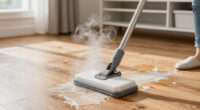
Steam mopping may damage click-lock vinyl if used improperly. Always check manufacturer guidance, test in hidden areas, and follow safety tips to protect your floors.
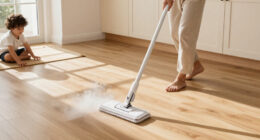
Ever grabbed your steam mop to make quick work of sticky kitchen spills? It’s tempting — steam feels like a deep, sanitizing clean. But click-lock vinyl floors? They’re a bit more delicate than they look. You might wonder if that powerful steam could warp, peel, or loosen your vinyl planks. The truth isn’t black and white. Some vinyl can handle light steam, while others risk damage.
In this guide, you’ll learn exactly what makes click-lock vinyl vulnerable, how to tell if your floor can withstand steam, and practical steps to keep your flooring safe while still getting a good clean. Knowing the right approach saves you money, hassle, and those annoying repairs.
Always check your vinyl manufacturer’s guidance before using a steam mop.
Perform a small test in a hidden area to gauge how your floor reacts to heat and moisture.
Use the lowest steam setting, keep the mop moving, and never hold it in one spot.
Limit steam cleaning to infrequent sessions — once every few months is safest.
For daily cleaning, stick to damp mops or microfiber cloths with mild cleaner.
What Makes Click-Lock Vinyl Sensitive to Steam?
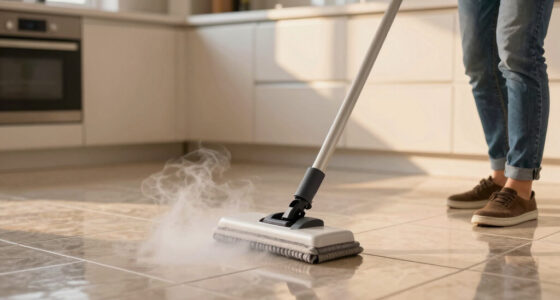
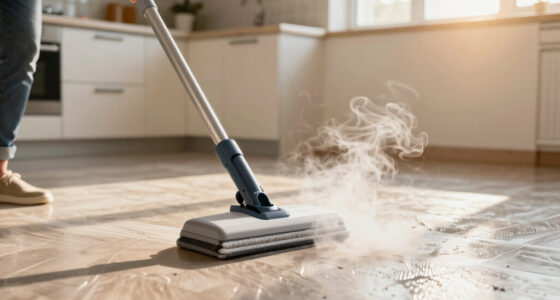
Click-lock vinyl isn’t just glued down — it’s designed with interlocking edges that snap together. These edges are precise, but they can be weakened by heat and moisture. Steam mops generate high heat (around 200°F or 93°C) and moisture that can seep between planks, loosening those locks over time.
Imagine trying to snap together two pieces of plastic that’s been exposed to a hot shower — they might still fit, but they’re softer, more prone to warping. That’s what happens to vinyl planks under persistent steam. The heat can soften the plastic, and moisture can weaken the adhesive or locking mechanisms.
Over time, this weakening can lead to more noticeable issues like gaps forming between planks or the planks lifting. These problems compromise the integrity of your flooring, causing uneven surfaces, squeaks, and potential tripping hazards. The longer the exposure to heat and moisture, the greater the risk of irreversible damage. Therefore, understanding this vulnerability helps you weigh the benefits of steam cleaning against the possible long-term costs of damage.
best microfiber mop for vinyl floors
As an affiliate, we earn on qualifying purchases.
As an affiliate, we earn on qualifying purchases.
How to Tell if Your Vinyl Floor Can Handle Steam Cleaning
Not all click-lock vinyl is created equal. The safest move: check your manufacturer’s guidelines or the product packaging. If it explicitly says “steam mop safe,” you’re in the clear — but if it’s silent or warns against moisture, proceed with caution. Ignoring these instructions might seem harmless at first, but over time, the cumulative effects of steam can cause subtle damage that’s not immediately visible.
Here’s a quick test you can do before a full clean:
- Pick a small, hidden area—like behind a door or under furniture. This minimizes the risk if the test causes damage.
- Apply a damp microfiber cloth with a little bit of heat — not steam, just warm moisture. This simulates mild cleaning conditions.
- Wait 10 minutes, then check for any warping, lifting, or discoloration. Look closely at the edges and surface for subtle changes.
- If everything looks normal, it indicates your floor may tolerate light steam cleaning, but avoid heavy steaming in that area.
Remember: manufacturer guidance is your best source of information. When in doubt, it’s safer to stick with traditional cleaning methods like damp mops or microfiber cloths, which pose minimal risk to the flooring’s structure and appearance.
Understanding your floor’s specific makeup and following expert advice helps prevent costly repairs and preserves the lifespan of your vinyl.
As an affiliate, we earn on qualifying purchases.
The Risks: What Can Happen if You Steam Too Aggressively
Using a steam mop recklessly on click-lock vinyl can lead to a range of issues that compromise both appearance and structural integrity. Gaps between planks can widen, causing the floor to squeak, shift, or develop an uneven surface. The locking edges might loosen, which can result in tiles lifting or buckling underfoot. In severe cases, the adhesive beneath the planks can soften and degrade, leading to a loss of stability across the entire floor.
Imagine walking on a vinyl floor that suddenly feels loose or bumpy — this is often a sign that the locking system has been compromised by heat and moisture. Such damage isn’t just cosmetic; it affects the floor’s durability and safety. For example, after months of aggressive steaming, some homeowners report hearing creaks or noticing small gaps forming along the seams. These signs are warning signs that the integrity of the locking system is deteriorating, which can lead to costly repairs or complete replacement if ignored.
The long-term implications are significant: repairing or replacing sections of vinyl flooring can be costly and disruptive. The key is moderation — understanding that even a seemingly minor misuse can accelerate wear and tear, ultimately reducing your flooring’s lifespan. Proper technique and cautious use are your best defenses against these risks, helping you maintain a beautiful, functional floor for years to come. Recognizing these signs early allows for timely intervention, saving money and prolonging the life of your investment.
As an affiliate, we earn on qualifying purchases.
Best Practices for Steam Cleaning on Click-Lock Vinyl
If you decide to try steam cleaning, do it safely. Here’s a step-by-step guide:
- Use a steam mop with adjustable steam settings. Set it to the lowest possible level to minimize heat and moisture exposure, reducing the risk of damage.
- Always attach a clean, soft microfiber pad. Avoid abrasive or rough pads that can scratch or damage the surface, especially when combined with heat.
- Keep the steam head moving — don’t hold it in one spot for more than a few seconds. This prevents concentrated heat buildup that can warp or soften the vinyl.
- Maintain a distance of at least 2 inches from the surface, letting the steam pass over without pressing down hard. This prevents excessive heat transfer and reduces the chance of warping or lifting.
- Follow up with a dry microfiber cloth to absorb residual moisture, helping the floor dry quickly and preventing water from seeping into seams.
- Limit steam sessions to once every few months, not weekly. This minimizes cumulative heat and moisture exposure, preserving the locking mechanisms.
- Test first in a hidden spot — look for warping, lifting, or discoloration. If no issues arise, proceed cautiously and monitor the floor over time.
For example, a homeowner uses these steps on their click-lock vinyl kitchen floor and notices no issues after months of gentle steaming. The key: moderation, patience, and attentive monitoring to catch any signs of damage early.
mild cleaning solution for vinyl floors
As an affiliate, we earn on qualifying purchases.
As an affiliate, we earn on qualifying purchases.
Alternative Cleaning Methods That Are Safer
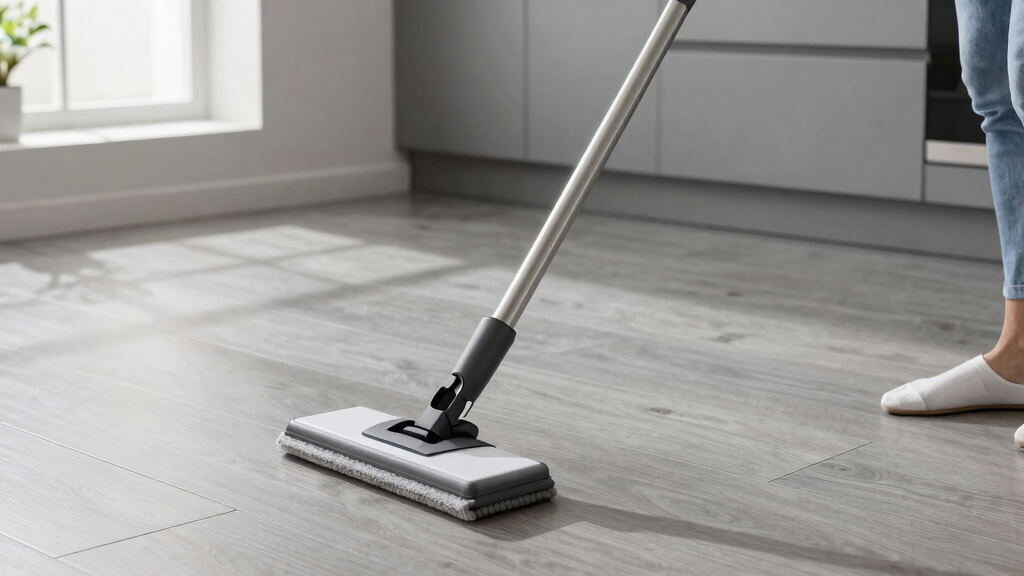
If you’re worried about damage, traditional mopping is your friend. Use a damp mop with a gentle cleaner or just water. No steam needed. This method is less risky and still gets rid of dirt, grime, and sticky spots, helping maintain your floor’s integrity over time.
For instance, a busy mom swears by a microfiber mop dampened with a mix of warm water and a few drops of mild dish soap — no damage, no worry. It’s gentle on vinyl, effective, and easy to control, making it ideal for regular cleaning routines.
Another option: dry dusting or vacuuming regularly to prevent buildup. Keeping debris off the surface reduces the need for aggressive cleaning and minimizes the risk of scratches or damage from grit embedded in the floor.
These approaches prioritize the longevity of your flooring, avoiding the risks associated with heat and excess moisture while still ensuring a clean, attractive appearance.
Frequently Asked Questions
Can I steam mop my click-lock vinyl floor if the manufacturer says it’s safe?
Yes, but always follow the manufacturer’s instructions carefully. Even if they say it’s safe, perform a small test first and use the lowest steam setting. Moderation is key.How often can I steam clean my vinyl floors without damage?
Ideally, limit steam cleaning to once every few months. Frequent steaming increases the risk of weakening the locking edges and adhesive over time.What are the signs my vinyl floor is getting damaged from steam?
Look for gaps between planks, buckling, lifting edges, or a squeaky, unstable feel underfoot. These signs indicate the locking system is compromised, often due to heat and moisture exposure weakening the locking mechanisms and adhesive, which over time can cause permanent damage if not addressed.Are there safer alternatives to steam mopping for deep cleaning?
Yes, use a damp microfiber mop with a gentle cleaner or just warm water. Regular sweeping or vacuuming also keeps dirt in check without risking damage.Should I test my floor before steam cleaning?
Absolutely. Test in a hidden spot with a damp cloth or low heat. Wait 10 minutes to see if there’s any warping or lifting before proceeding.Conclusion
The bottom line: steam mopping can be risky for click-lock vinyl if you’re not careful. The high heat and moisture could loosen those snap-together edges, leading to costly repairs down the line. When in doubt, opt for gentle, traditional cleaning methods that keep your floors looking great without risking damage.
Think of your vinyl floors like a delicate puzzle — a gentle touch preserves the fit and finish. Clean smart, stay cautious, and your floors will stay beautiful for years to come.
Columbus Day / Indigenous Peoples' Day Picks
long weekend sales
As an affiliate, we earn on qualifying purchases.