TL;DR
Listen free for 30 days with Audible
Thousands of audiobooks and originals — cancel anytime.
Start your free trialAs an affiliate, we earn on qualifying purchases.
Most manufacturers advise against steam mopping sheet vinyl floors because heat and moisture can cause warping, peeling, or discoloration. Stick to gentle damp mops and check your flooring’s guidelines for safe cleaning.
If you’ve ever wondered whether steam mops are safe for your vinyl floors, you’re not alone. Many homeowners love the quick, shiny results of steam cleaning, but vinyl floors are surprisingly delicate. That high heat and moisture can turn a sparkling floor into a warped, peeling mess.
In this guide, you’ll learn why most manufacturers warn against steam mops, what risks you face, and safer ways to keep your vinyl looking fresh without risking damage. Plus, we’ll touch on recent vinyl innovations that might change the game for some types of flooring.
Most vinyl flooring warranties are voided if you use a steam mop, making it a risky choice.
High heat and moisture can cause vinyl to warp, peel, or discolor over time.
Always check your flooring’s manufacturer instructions before cleaning with steam or any heat-based method.
Gentle damp mopping with vinyl-specific cleaners is the safest way to keep your floors shining.
Recent vinyl innovations offer better moisture resistance, but caution with heat still applies.
Can You Steam Mop Sheet Vinyl Flooring?
Most manufacturers advise against steam mopping sheet vinyl floors because heat and moisture can cause warping, peeling, delamination, or discoloration. For long-term shine, gentle damp mopping wins.
TL;DR
Steam is fast, but sheet vinyl is heat-sensitive. Check the manual, protect the warranty, and keep cleaning gentle.
Why Steam Mops Are Usually a Bad Match
Sheet vinyl behaves like a durable surface, but it is still a layered material. Steam pushes heat and moisture into the finish, seams, and adhesive system.
Warping & Buckling
High heat can soften vinyl, making the floor more likely to ripple, deform, or lift over time.
Peeling Edges
Moisture can work into seams and weaken adhesive, especially around edges, transitions, and older installs.
Dull Finish
Repeated heat exposure can fade color, distort printed patterns, or leave the surface looking flat and worn.
The Damage Chain
Steam mop damage often looks gradual: a floor cleans up nicely at first, then seams curl, corners lift, and the surface loses its original finish.
Steam Hits
Hot vapor reaches the vinyl surface and seam lines.
Layers Soften
Heat makes vinyl more flexible and vulnerable to movement.
Adhesive Weakens
Moisture and heat can loosen glue beneath the sheet.
Floor Fails
Warping, buckling, discoloration, or peeling becomes visible.
Steam vs. Safer Cleaning Methods
The safest approach is boring in the best way: sweep often, damp mop lightly, and use vinyl-safe cleaners rather than heat-based tools.
| Cleaning Method | Heat Risk | Moisture Risk | Warranty Friendly | Best Use |
|---|---|---|---|---|
| Steam mop | ✗ High | ✗ High | ✗ Often voids coverage | Usually avoid on sheet vinyl |
| Damp microfiber mop | ✓ Low | ✓ Low | ✓ Usually safe | Routine cleaning and shine |
| Vinyl-safe cleaner | ✓ Low | ✓ Controlled | ✓ Usually safe | Grease, residue, and dull spots |
| Soft cloth spot cleaning | ✓ Low | ✓ Minimal | ✓ Usually safe | Stubborn marks without abrasion |
| Low-temperature steam | ~ Debated | ~ Debated | ~ Check manual | Only if manufacturer allows it |
Risk Profile at a Glance
Modern waterproof or rigid core vinyl may resist moisture better, but heat can still affect finish layers, seams, and adhesive performance.
Key Insight
Over 80% of vinyl flooring warranties may be voided if steam cleaning is used, which makes the manufacturer’s care guide more important than the mop’s marketing claims.
Cleaning Safety Spectrum
What To Do Instead
A simple routine protects the floor’s finish and keeps moisture from becoming a hidden problem beneath the surface.
Sweep First
Remove grit and loose dirt before any wet cleaning.
Damp Mop
Use a microfiber mop with water or vinyl-safe cleaner.
Spot Clean
Use mild soap and a soft cloth for stubborn marks.
Inspect Edges
Watch seams and corners for early lifting or wear.
Traceability: From Question to Answer
The decision comes down to one connected chain: product instructions, warranty terms, material sensitivity, and the cleaning method you choose.
Common Questions
Quick answers for homeowners comparing steam mops, luxury vinyl, rigid core products, and everyday cleaning routines.
Can I use a steam mop safely?
Generally, no. Most manufacturers advise against it because heat and moisture can cause warping, buckling, peeling, or discoloration.
What about luxury vinyl planks?
Usually still not recommended. Even waterproof products may have heat-sensitive finishes, seams, or warranty restrictions.
What is the safest cleaner?
A damp microfiber mop with water or a vinyl-safe cleaner is the best routine for keeping sheet vinyl clean without damage.
Do modern floors change the answer?
Some newer vinyl products resist moisture better, but caution with steam still applies unless the manufacturer explicitly approves it.
Why Steam Mops Are Usually Not Safe on Sheet Vinyl
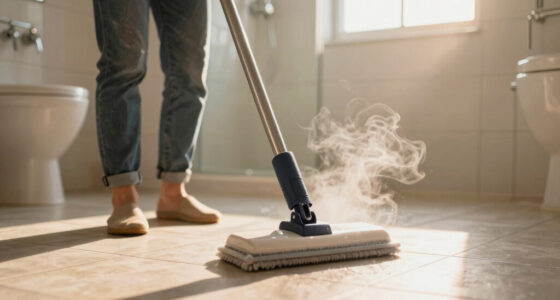
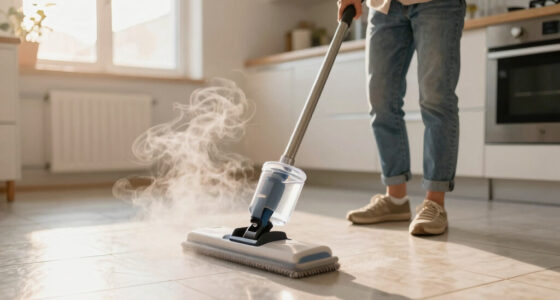
Steam mops produce intense heat and moisture, which can be a bad combo for vinyl flooring. The heat softens the vinyl, making it prone to warping or buckling. The moisture can seep into seams and glue, causing delamination or lifting edges.
For example, a homeowner in Florida used a steam mop on her vinyl kitchen floor. Within a month, she noticed edges curling and the surface dulling — all due to the heat and steam. Most manufacturers specifically warn against this method because of such risks.
Always check your floor’s instructions, but in general, steam cleaning can void warranties and damage your flooring.
As an affiliate, we earn on qualifying purchases.
How Steam Mops Can Damage Your Vinyl Floor in Real Life
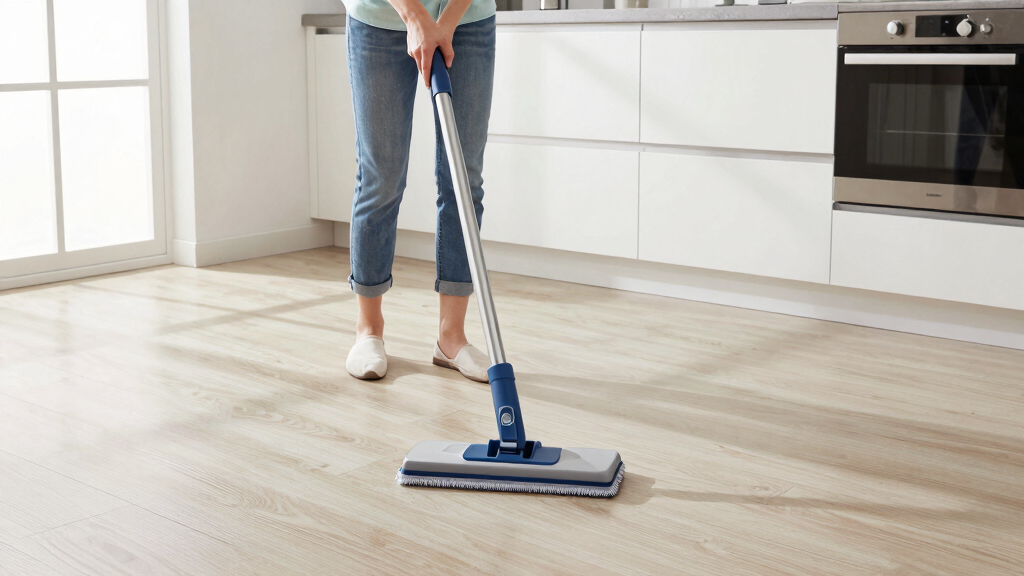
Think of vinyl as a delicate plastic sheet. Expose it to high heat—like a steam mop’s vapor—and it can soften like wax left in the sun. When the vinyl softens, it might warp, buckle, or peel over time. The adhesive beneath can weaken, leading to edges lifting or seams separating.
One homeowner found her vinyl tile pattern distorted after using a steam mop. The surface looked dull, and she had to replace several tiles. This isn’t rare: heat can discolor or fade vinyl’s surface, especially if the steam’s temperature exceeds manufacturer recommendations.
Bottom line: your vinyl isn’t built for heat and moisture to dance together.
As an affiliate, we earn on qualifying purchases.
Alternatives That Keep Your Vinyl Floor Safe and Clean
If you want a sparkling floor without risking damage, stick with these safe methods:
- Dry or damp microfiber mops — just water or vinyl-friendly cleaners.
- Use a soft cloth for spots and stains, avoiding abrasive scrubbers.
- Regular sweeping removes dirt that can scratch or dull the surface.
- Choose mild, non-abrasive cleaners designed for vinyl surfaces.
Imagine cleaning your kitchen floor with a microfiber mop dipped in warm water and a few drops of gentle soap. It leaves a fresh scent and a sleek shine, without risking warping or peeling.
As an affiliate, we earn on qualifying purchases.
Are There Modern Vinyl Floors That Tolerate Steam Cleaning?
Some newer vinyl floors, like waterproof luxury vinyl planks or rigid core vinyl, claim to be more resistant. However, most manufacturers still advise against steam cleaning because the heat can weaken the surface or adhesive over time.
For example, a recent model of waterproof vinyl claims to withstand multiple cleanings, but the manufacturer recommends avoiding steam tools to preserve warranty coverage.
While these products are more moisture-tolerant, caution is still wise—always check the specific product’s cleaning instructions.
As an affiliate, we earn on qualifying purchases.
What You Should Do Instead of Steam Cleaning
Stick to proven, gentle methods that protect your vinyl and keep it looking its best:
- Sweep thoroughly to remove loose dirt.
- Damp mop with a microfiber cloth and a vinyl-safe cleaner.
- Spot clean stubborn stains with a soft cloth and mild soap.
- Regularly inspect seams and edges for lifting or damage.
Imagine your floor gleaming after a quick, gentle wipe with a microfiber mop—a simple routine that keeps your vinyl intact for years.
Frequently Asked Questions
Can I use a steam mop on sheet vinyl flooring safely?
Most manufacturers advise against it because the heat and moisture can cause warping, buckling, or peeling. Always check your specific product’s guidelines before using a steam mop.What are the risks of using a steam mop on vinyl floors?
Risks include warping, buckling, delamination, and color fading. Excessive heat softens vinyl and can weaken adhesives, leading to damage over time.Are waterproof or rigid core vinyl floors safe for steam cleaning?
Some newer waterproof vinyl or rigid core options claim better resistance. Still, most manufacturers recommend avoiding steam to prevent potential damage and voided warranties.What’s the best way to clean vinyl floors without damage?
Use a microfiber mop dampened with water or a vinyl-safe cleaner. Regular sweeping and gentle spot cleaning keep floors looking their best without risking harm.Can I use a steam mop on luxury vinyl planks?
Typically not. Check your product’s cleaning instructions, but most luxury vinyl is not designed for steam cleaning and could suffer damage.Conclusion
Vinyl floors can stay beautiful and durable — but only if you treat them right. Steer clear of steam mops unless your manufacturer specifically says it’s safe. Instead, stick to gentle, regular cleaning routines that preserve your floor’s integrity and shine.
Imagine walking across a spotless, warping-free vinyl surface, knowing you avoided the pitfalls of heat and steam. Keep your flooring happy, and it’ll reward you with years of good looks and function.
College move-in / dorm season Picks
dorm essentials
As an affiliate, we earn on qualifying purchases.

![[Fire Along Simon Lane] On 5 September 2026 At About 3:00Pm, SCDF Was Alerted To A Fire Along Simon Lane. Upon SCDF’s Arrival, A Two-storey House Was On Fire. Firefighters Deployed](https://steammoplist.com/wp-content/uploads/2026/09/fire-along-simon-lane-on-5-september-2026-at-about-3-00pm-scdf-was-alerted-to-a-featured-260x140.jpg)