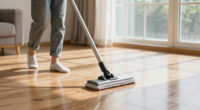
TL;DR

Get cleaning gear delivered free with Prime
- Fast, free delivery on millions of items
- Prime Video, Amazon Music and more included
- Member-only deals all year
Steam mops are generally safe for sealed, durable floors like tile or sealed hardwood if used properly. However, unsealed or porous surfaces may suffer warping or swelling from excessive moisture or heat. Proper usage and manufacturer guidelines are key to avoiding long-term damage.
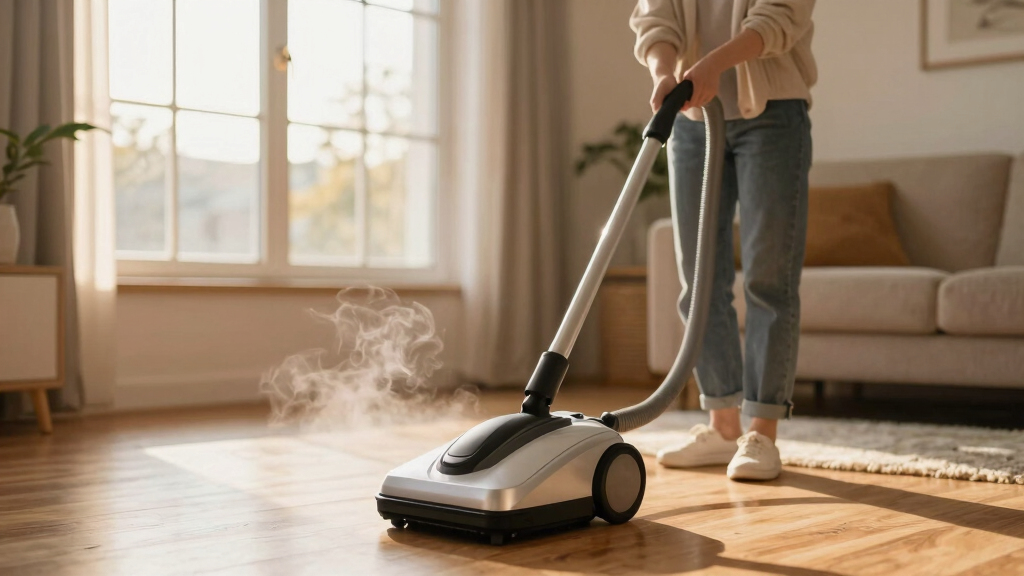
Imagine gliding a warm, steamy cloth over your floors, feeling the heat dissolve dirt and grime effortlessly. Steam mops are praised for their quick, chemical-free cleaning power, but many wonder—could this steam be slowly ruining their floors over time?
In this guide, you’ll learn how different flooring materials react to steam, what risks to watch for, and how to use your steam mop safely. The goal? Keep your floors sparkling without sacrificing their long-term health.
Use low or adjustable steam settings, especially on sensitive floors like unsealed hardwood or porous vinyl.
Always test a hidden area first and follow manufacturer recommendations to avoid damage.
Modern steam mops with adjustable levels and good sealing help reduce long-term risks.
Signs of damage include warping, swelling, or discoloration—stop using the mop immediately if noticed.
For delicate floors, alternative cleaning methods like damp microfiber mopping are safer and gentler.
Does Steam Really Damage Your Floors? Here’s the Real Deal
The simple answer: it depends. Steam mops use high heat—often between 200°F and 220°F—to loosen dirt and kill germs. For some floors, especially sealed and non-porous surfaces, this heat isn’t much of a problem.
But for unsealed hardwood or porous vinyl, the moisture and heat can cause swelling, warping, or even discoloration if misused. Think of it like leaving a sponge soaked in water—eventually, it loses its shape.
Recent studies show that when used properly—at lower steam settings and with manufacturer-approved pads—most modern steam mops won’t cause noticeable damage, especially on tile or sealed hardwood. Still, overdoing it or using the wrong settings can accelerate wear and tear.
Understanding these risks is crucial because the long-term effects of steam cleaning aren’t immediately visible. Repeated exposure to high heat and moisture can weaken the integrity of certain flooring materials over time, leading to costly repairs or replacements. Therefore, knowing when and how to use a steam mop can make the difference between a clean floor and one that deteriorates prematurely.
best steam mop for sealed hardwood floors
As an affiliate, we earn on qualifying purchases.
As an affiliate, we earn on qualifying purchases.
Why Your Floor Material Matters More Than You Think
Not all floors respond the same way to steam. Let’s break down common types:
| Floor Type | Reaction to Steam | Best Practice |
|---|---|---|
| Sealed Hardwood | Generally safe if sealed well. Excess moisture can cause swelling if the sealant is compromised. | Use low steam, quick passes, and follow manufacturer instructions. |
| Unsealed Hardwood | High risk — moisture can seep in, causing warping or staining. | Avoid steam cleaning altogether or test on a hidden spot first. |
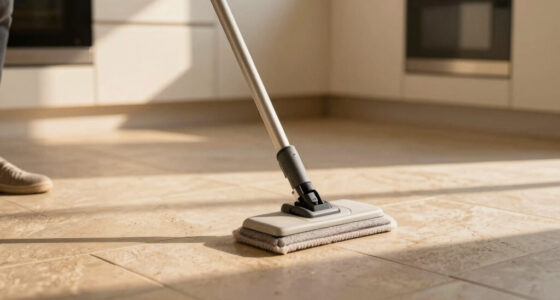
| Tile & Porcelain | Very resistant to heat and moisture. Usually safe. | Use standard settings, no worries. |
| Vinyl & LVP | Resistant but can warp or peel if overexposed. | Moderate use, avoid excessive steam. |
Recognizing these differences is essential because each material has unique vulnerabilities. For instance, even a small amount of excess moisture on unsealed hardwood can lead to swelling that warps the plank, creating uneven surfaces and potential structural issues. Conversely, tile and sealed surfaces can handle steam well, but improper technique might still cause grout deterioration or surface dulling over time. Understanding your floor’s material and sealant status allows you to weigh the tradeoffs—cleanliness versus potential long-term damage—and choose the safest method accordingly.
adjustable steam mop for delicate floors
As an affiliate, we earn on qualifying purchases.
As an affiliate, we earn on qualifying purchases.
How to Keep Your Floors Safe When Using a Steam Mop
- Check the manufacturer’s instructions. Some floors are explicitly marked as safe or unsafe for steam cleaning.
- Adjust the steam level to the lowest setting. Less heat reduces risk, especially on sensitive surfaces.
- Always test on a small, hidden area first. Wait a few hours to see if there’s any damage—this small step can prevent costly mistakes later.
- Keep the mop moving. Don’t hold it in one place. Excess heat and moisture can accumulate, increasing the risk of damage.
- Limit frequency. Using a steam mop once a month on suitable floors is safer than daily use, giving your floors time to recover and minimizing cumulative effects.
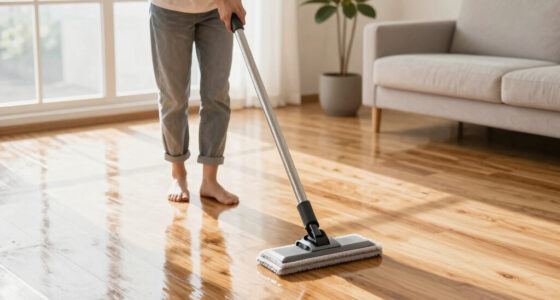
Picture yourself gently sweeping over your floor, like petting a cat—careful, slow, and attentive. That’s the best approach for long-term safety. This careful method helps prevent moisture buildup and heat stress, which can weaken flooring over time. Remember, moderation and mindfulness are key—overuse can turn a cleaning tool into a long-term problem.
As an affiliate, we earn on qualifying purchases.
Modern Steam Mops Are Smarter — Do They Reduce Damage Risks?
Yes. Newer models feature adjustable steam settings, better sealing, and specialized pads. These innovations help protect your floors by allowing more precise control over heat and moisture levels.
For example, some mops have a ‘low steam’ mode perfect for delicate surfaces, reducing the risk of water infiltration and heat damage. Others include sealed water tanks that prevent excess moisture from seeping out, avoiding puddles or prolonged dampness that can harm sensitive floors. These features give you the ability to tailor your cleaning to your floor’s needs, minimizing the tradeoff between cleanliness and damage risk.
Using a high-quality steam mop designed for your specific floor type is akin to choosing the right cleaning method—it’s a safeguard against unnecessary wear and tear. A well-designed device ensures consistent, gentle cleaning that preserves your floors’ integrity over time, making your cleaning routine more effective and safer in the long run.
microfiber cleaning pads for steam mop
As an affiliate, we earn on qualifying purchases.
As an affiliate, we earn on qualifying purchases.
When Steam Cleaning Gets Dangerous — Signs You Should Stop
Ever notice warping, swelling, or discoloration after cleaning? These are clear signs your floors might be suffering from steam damage. Such changes often result from repeated exposure to excessive moisture and heat, which weaken the structural components of your flooring, causing them to deform or discolor over time.
Other warning signs include a sticky or peeling surface, especially on vinyl or laminate. If you see these, stop steaming immediately and assess the damage. Continuing to use steam on compromised floors can worsen the problem, leading to costly repairs or replacements.
Regular damage signs—like warping or discoloration—are often the result of cumulative overexposure. Recognizing these signs early and adjusting your cleaning habits can prevent irreversible damage. It’s a matter of balancing effective cleaning with preservation—if your floors show signs of stress, it’s time to switch to gentler methods or pause steam cleaning until the surface recovers.
Are There Safer Alternatives to Steam Mops for Sensitive Floors?
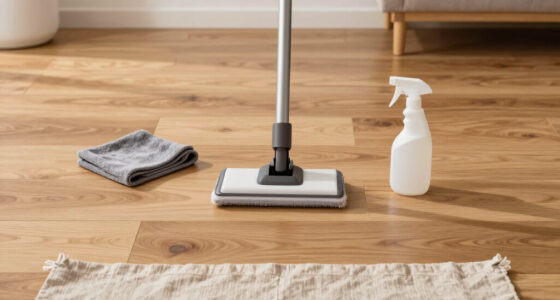
Absolutely. For delicate surfaces like unsealed hardwood or porous vinyl, gentle damp mopping is a safer choice. Using a microfiber cloth dampened with plain water or a mild cleaner allows you to clean effectively without introducing excess moisture or heat, which can cause swelling or warping.
Think of it like wiping your floor with a soft, damp sponge—less risk, still effective. This method minimizes the chance of long-term damage while maintaining a clean surface. It’s especially suitable for floors that lack a protective seal or are prone to moisture absorption.
Choosing the right cleaning method depends on your floor’s material and condition. When in doubt, opting for gentler techniques protects your investment and extends the life of your flooring. Remember, sometimes less is more—especially when it comes to preserving delicate surfaces.
What Features Make a Steam Mop Floor-Safe?
Look for these features:
- Adjustable steam levels, so you can tailor the heat and moisture to your floor’s needs.
- Good sealing mechanisms to prevent leaks and excess moisture from escaping, which can cause damage.
- Manufacturer recommendations for your specific floor type, ensuring compatibility and safety.
- Quick heat-up time and easy controls, allowing precise operation and reducing accidental overexposure.
These features help you fine-tune the steam output, avoiding the excessive heat or moisture that can weaken or damage sensitive floors over time. Selecting a mop with these characteristics is an investment in your floors’ longevity, giving you peace of mind every time you clean.
Frequently Asked Questions
Are steam mops safe for hardwood floors?
Sealed hardwood floors are generally safe if you use the lowest steam setting and follow manufacturer guidelines. Unsealed or poorly sealed floors are more vulnerable to water and heat damage, so avoid steam cleaning those surfaces.
Can using a steam mop ruin my laminate or vinyl flooring?
Most laminate and vinyl floors resist moisture well, but excessive or improper use of high heat can cause warping or peeling over time. Use moderate steam levels and avoid holding the mop in one place too long.
How often should I steam clean my floors?
Limit steam cleaning to once a month on suitable surfaces. Frequent use, especially on delicate floors, increases the risk of long-term damage.
How can I tell if my floors are being harmed by steam cleaning?
Look for warping, swelling, discoloration, or a sticky, peeling surface. These signs indicate damage, and you should stop steam cleaning immediately and switch to gentler methods.
What’s the safest way to clean sensitive floors?
A damp microfiber cloth with plain water or mild cleaner is safest. Avoid heat and excess moisture, especially on unsealed or porous surfaces.
Conclusion
Steam mops can be a quick, chemical-free way to clean your floors—if you play it safe. Understanding your floor type, using proper settings, and testing first protect your investment in your home’s beauty.
Remember, a gentle approach and moderation keep your floors looking great for years. Your floors aren’t just surfaces—they’re part of your home’s story. Treat them with care, and they’ll reward you with long-lasting shine.
Columbus Day / Indigenous Peoples' Day Picks
long weekend sales
As an affiliate, we earn on qualifying purchases.