TL;DR

Get cleaning gear delivered free — and shop member deals
- Fast, free delivery on millions of items
- Access to Prime Big Deal Days deals on October 6–7
- Prime Video, Amazon Music and more included
Steam mopping can warp floorboards if moisture seeps into unsealed or damaged wood, but proper technique and knowing your floor type can prevent damage. Always follow manufacturer guidance and test first.
Proper sealing of your floor is essential; unsealed floors are far more vulnerable to warping.
Always test an inconspicuous area before full steam cleaning—don’t skip this step.
Use the lowest steam setting and keep moving—don’t hold the mop in one spot.
Follow manufacturer instructions for your specific flooring type.
Monitor your floor for signs of swelling or buckling after cleaning.
Can Steam Mopping Warp Your Floorboards?
TL;DR: Steam mopping can warp floorboards when heat and moisture seep into unsealed, poorly sealed, or damaged wood. Properly sealed floors are far safer, but technique matters: test first, use the lowest steam setting, keep the mop moving, and follow your flooring manufacturer’s guidance.
Over 70% of steam-related warping cases are tied to unsealed or poorly sealed surfaces.
The issue is rarely steam alone. It is steam plus vulnerable seams, cracks, worn finish, or lingering moisture.
Seal. Test. Move.
A hidden 24-hour patch test and constant motion can prevent a quick clean from becoming an expensive repair.
Typical vapor temperature that loosens grime without chemicals.
Warping cases concentrate on unsealed or poorly sealed wood.
Wait after a hidden-area test to check swelling or discoloration.
Less steam means less chance of moisture entering seams.
Steam cleans by lifting grime with heat and vapor.
That same vapor can become a problem when it reaches unfinished wood fibers. On a sealed floor, moisture evaporates quickly. On cracked, worn, or unsealed boards, vapor can seep below the finish and swell the wood unevenly.
Heat loosens dirt.
High-temperature vapor softens residue and grime, reducing the need for harsh cleaners.
Moisture finds seams.
Edges, gaps, worn finish, and scratches are entry points where steam can penetrate.
Wood swells unevenly.
When one side absorbs more moisture than another, boards can cup, buckle, or distort.
The safer floor list is conditional.
Floor type matters, but condition matters just as much. A sealed vinyl floor usually tolerates steam well. A vintage hardwood floor with worn finish may not, even if it once counted as sealed.
| Floor Type | Risk Level | Steam Verdict | Best Practice |
|---|---|---|---|
| Sealed tile and vinyl | ✓ Low | Generally suitable | Use low steam and normal motion. |
| Sealed laminate | ~ Moderate | Use sparingly | Avoid seams and edges where moisture can enter. |
| Sealed hardwood | ~ High caution | Only if approved | Test first, use lowest setting, and never linger. |
| Unsealed hardwood | ✗ Very high | Avoid steam | Choose dry microfiber, vacuuming, or wood cleaner. |
Use steam like a controlled test, not a flood.
The safest steam-mopping routine is a short chain of decisions. Each step reduces the chance that heat and moisture concentrate in one vulnerable spot.
Check guidance
Confirm that your flooring manufacturer allows steam cleaning.
Inspect finish
Look for cracks, gaps, scratches, or worn sealant before cleaning.
Patch test
Steam a hidden area lightly, then wait 24 hours for changes.
Use low steam
Lower output reduces heat stress and moisture intrusion.
Keep moving
Do not hold the mop in one place for more than a few seconds.
Five habits that protect floorboards.
Steam mopping becomes safer when moisture exposure stays brief, controlled, and compatible with the floor’s finish. These habits are especially important for hardwood, bamboo, laminate edges, and older homes.
Follow the floor maker.
Manufacturer instructions override generic steam mop claims.
Test where nobody looks.
Check for swelling, color change, or raised grain after 24 hours.
Use the lowest output.
Modern adjustable steam mops help dial down moisture for delicate floors.
Maintain the mop.
Clean pads and even steam output prevent over-wetting and hot spots.
Early warning signs deserve fast action.
If boards show swelling, buckling, cupping, or discoloration after steaming, stop immediately. Delays can turn a small moisture problem into permanent distortion.
If you suspect warping, quit steam cleaning that floor.
Inspect the affected area for moisture intrusion. A slight bump, raised seam, or cloudy finish can signal that vapor reached the wood core. Consult a flooring professional before repeating the process.
Moisture-risk spectrum
Risk rises when sealant quality drops, steam output increases, or the mop sits still.
How a clean floor becomes a warped board.
The causal path is simple: steam is useful on the surface, but risky when moisture bypasses the finish and enters the floorboard structure.
Common homeowner questions.
Steam cleaning can be effective, but it should never be treated as universally safe for wood. The right answer depends on sealing, floor type, equipment, and technique.
Can I use a steam mop on hardwood?
Yes, only if the hardwood is properly sealed, the manufacturer allows it, and you use the lowest setting after testing.
Will steam mopping warp floorboards?
It can, especially on unsealed, poorly sealed, cracked, or aged floors where moisture can reach the wood fibers.
What are safer alternatives?
Use dry microfiber mops, vacuuming, lightly damp cloths, or wood-specific cleaners that minimize water exposure.
How Does Steam Mopping Actually Work? Prepare to Be Surprised
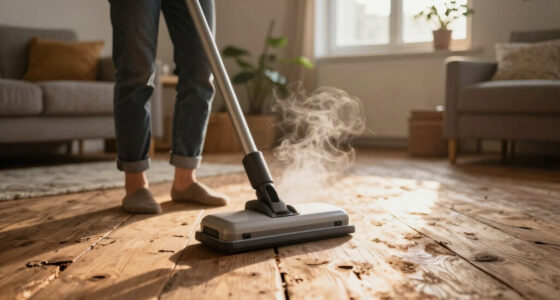
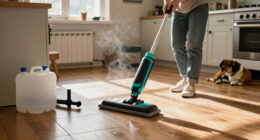
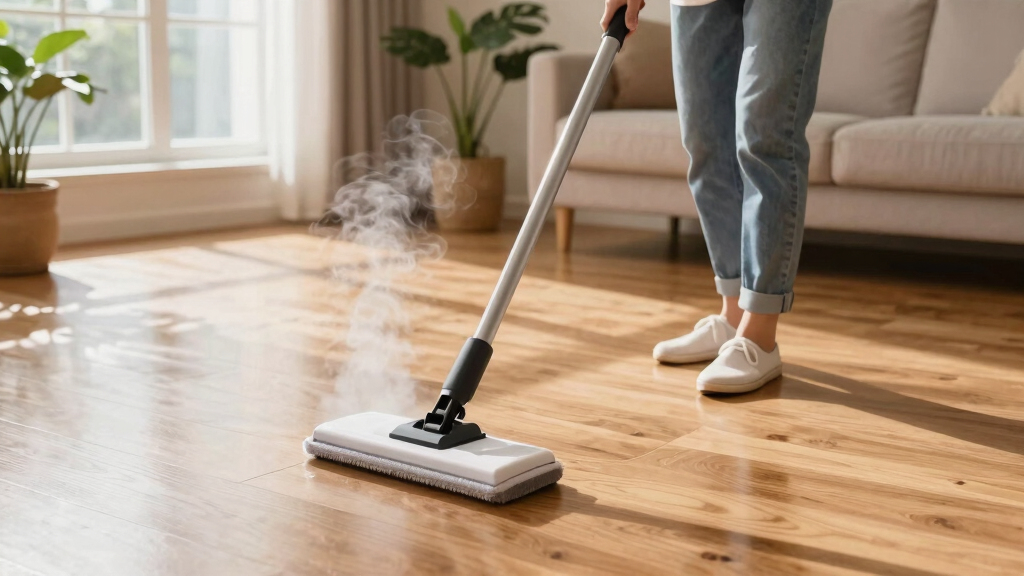
Steam mops emit high-temperature vapor—usually around 212°F (100°C)—that penetrates dirt and grime. This hot vapor loosens debris from your floor’s surface, making cleaning a breeze without harsh chemicals. Think of it like a gentle, micro-boil that lifts dirt from between the floorboards or tile grout. But this same heat and moisture can pose risks if your flooring isn’t ready for it.
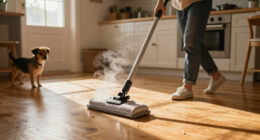
For example, on a sealed hardwood floor, the steam quickly evaporates, leaving behind a sparkling surface. On unsealed or damaged wood, however, that vapor can seep into tiny cracks, swelling the wood fibers and causing warping over time. So, understanding how your floor responds to heat and moisture is the first step to safe steam cleaning.
As an affiliate, we earn on qualifying purchases.
Why Your Floor Might Warp — And When Steam Is to Blame
Warping happens when moisture infiltrates the wood’s cellular structure, causing the fibers to swell. If this swelling occurs unevenly—say, on one side of a board while the other remains dry—the result is distortion: cupping, buckling, or warping. This is especially problematic with unsealed or poorly sealed floors, where moisture can penetrate more readily. The importance of understanding this process lies in recognizing that warping isn’t just a cosmetic issue; it compromises the structural integrity and appearance of your floor, leading to costly repairs.
Using steam on vulnerable floors introduces a tradeoff. While steam cleaning is effective at removing grime without chemicals, it also introduces moisture that can be absorbed by the wood. If the sealant or finish isn’t intact, the vapor can seep into the core, causing the fibers to swell. Over time, these stresses accumulate, leading to permanent warping. Therefore, the key implication here is that the decision to steam clean must consider the condition and sealing of your flooring, balancing cleanliness with potential damage risks.
As an affiliate, we earn on qualifying purchases.
Which Floors Are Safe for Steam Cleaning? The Clear Winner List
| Floor Type | Risk Level | Best Practices |
|---|---|---|
| Sealed Tile & Vinyl | Low | Safe for steam; use on low setting |
| Sealed Laminate | Moderate | Use sparingly, avoid edges, and ensure proper sealing |
| Hardwood (Sealed) | High, if properly sealed | Use lowest steam setting, test first, and avoid excessive moisture |
| Unsealed Hardwood | Very high | Avoid steam altogether; consider alternative cleaning methods |
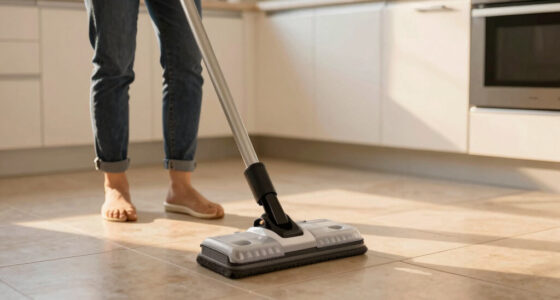
For example, a sealed vinyl kitchen floor can handle steam without issue. But a vintage hardwood with worn sealant risks swelling if steam is used improperly. The key implication is that even within ‘safe’ categories, the condition of your flooring and proper technique determine actual safety.
As an affiliate, we earn on qualifying purchases.
How To Use a Steam Mop Without Warping Your Floors
- Check your floor’s manufacturer guidelines for steam compatibility. Ignoring these can lead to unintended damage, especially on delicate or older floors.
- Test a hidden corner with minimal steam first—look for swelling or discoloration after 24 hours. This step is crucial because even seemingly sealed floors can have hidden vulnerabilities, and testing helps avoid widespread damage.
- Use the lowest steam setting—less heat, less risk. Higher settings increase the chance of moisture penetration, especially on marginally sealed or aged floors.
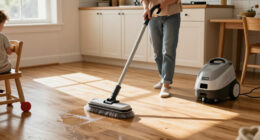
- Keep the mop moving—don’t leave it in one spot for more than a few seconds. This prevents localized overexposure to moisture, which can cause swelling or warping.
- Ensure your floor is in good condition—no cracks or worn sealant. Damaged areas are more susceptible to moisture intrusion, amplifying warping risks.
For instance, a homeowner with a sealed bamboo floor tested first on a small patch. When no damage appeared after a day, they felt confident to proceed. Proper technique and cautious testing are your best defenses against warping, especially on floors with unknown histories or finishes.
floor protection mats for steam cleaning
As an affiliate, we earn on qualifying purchases.
As an affiliate, we earn on qualifying purchases.
Recent Tech Improvements: Are Modern Steam Mops Safer?
Yes, newer steam mops now come with adjustable steam levels, sealed tanks, and better controls—reducing risks. For example, some models let you dial down steam to a gentle mist, perfect for delicate floors. These advancements help prevent excess moisture from seeping into the wood.
According to experts, these innovations make steam mopping safer for sealed hardwood and laminate floors, provided users follow proper settings and testing. Still, caution remains key—manufacturer instructions are your best guide. The tradeoff is that even with advanced features, improper use can negate safety improvements, so understanding your equipment and your floor’s condition remains essential.
What to Do If You Suspect Your Floor Has Warped
If your floor shows signs of warping—buckling, swelling, or discoloration—stop using steam immediately. Examine the affected area for moisture or swelling. Sometimes, the damage isn’t obvious until you lift a corner of the board, revealing the extent of the intrusion.
For example, a homeowner noticed a slight bump after steaming. After inspecting, they saw the wood had swollen, indicating moisture intrusion. Acting quickly by consulting a flooring professional can prevent further damage, as delays may worsen warping or cause cracking. Recognizing early signs and seeking expert advice can save you significant repair costs and preserve your floor’s integrity.
Simple Tips to Keep Your Floors Safe from Warping
- Always follow manufacturer guidelines for your flooring type. This ensures you’re aware of specific vulnerabilities and proper cleaning methods.
- Test small areas before full cleaning. This step helps identify potential issues before risking the entire floor.
- Use the lowest steam setting possible. Lower heat and moisture reduce the chance of water seeping into unsealed or compromised areas.
- Don’t linger on one spot—keep the mop moving. This prevents excessive moisture buildup in any one location, which can lead to swelling.
- Maintain your steam mop regularly for even steam output. Proper maintenance ensures consistent performance and reduces accidental overexposure.
For example, a family with a vintage hardwood floor learned to use a cloth dampened with water instead of steaming, preserving their floor’s beauty for years. The key is understanding your floor’s condition and adjusting your cleaning approach accordingly.
Frequently Asked Questions
Can I use a steam mop on hardwood floors?
Yes, but only if your hardwood is sealed and you use the lowest steam setting. Always test a small hidden area first to check for swelling or discoloration.Will steam mopping warp my floorboards?
It can, especially on unsealed or damaged floors. Excess moisture and heat cause wood fibers to swell, leading to warping over time. The key is understanding your floor’s condition and using appropriate techniques.What floors are safe for steam cleaning?
Sealed tile, vinyl, and some sealed laminate floors handle steam well. Hardwood requires caution—only use on sealed surfaces with proper technique, and always test first.How do I prevent damage when steam mopping?
Test first, use the lowest steam setting, keep moving, and follow your floor manufacturer’s advice. Regular maintenance also helps keep floors in good shape.Are there safer options for cleaning hardwood floors?
Yes, microfiber dry or damp mops, vacuuming, or specialized wood floor cleaners are gentler alternatives that reduce moisture exposure and minimize warping risks.Conclusion
A cautious approach makes all the difference. When used correctly, steam mops can keep your floors spotless without risking warping. But if your floor isn’t sealed or shows signs of damage, consider gentler cleaning methods. After all, a beautiful, flat floor is worth the extra care—think of it as giving your home a gentle, steam-cleaned hug.Halloween Picks
halloween
As an affiliate, we earn on qualifying purchases.