TL;DR

Get cleaning gear delivered free with Prime
- Fast, free delivery on millions of items
- Prime Video, Amazon Music and more included
- Member-only deals all year
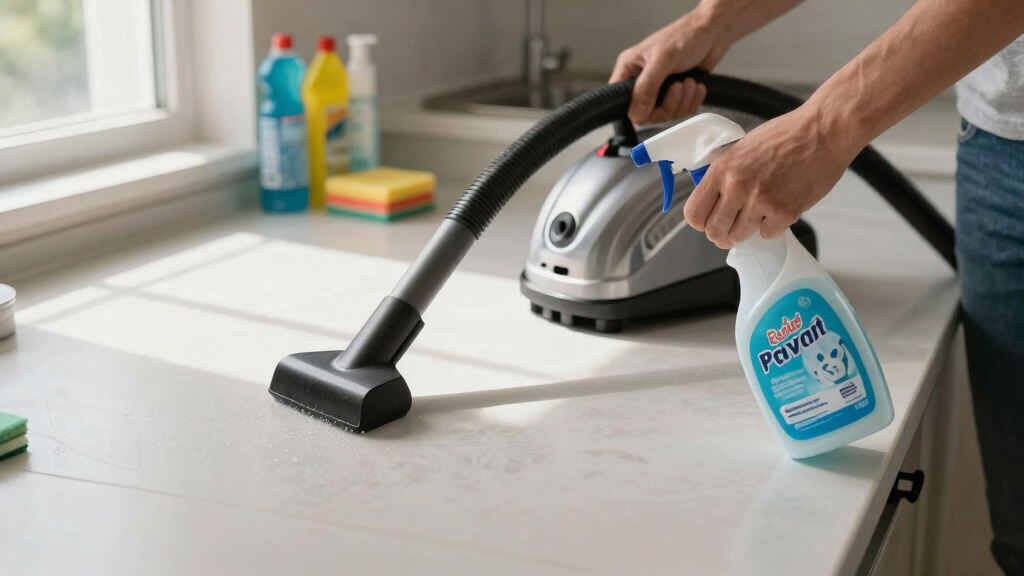
Steam cleaning uses high heat to kill germs without chemicals and is eco-friendly. Chemical cleaning involves detergents that may be harsh but can target specific stains. Your choice depends on surface type, safety, and environmental concerns.
When it’s time to tidy up your floors, you might wonder if steam cleaning can do the job as well as—or better than—traditional chemical cleaners. The truth is, both methods have their strengths and pitfalls. Knowing what each one offers helps you pick the safest, most effective way to keep your floors spotless and healthy.
In this guide, we’ll explore the core differences between steam and chemical cleaning. You’ll learn how they work, what surfaces they suit best, and the recent innovations that are shaping the future of floor care. Ready to make an informed choice? Let’s get started.
Steam cleaning kills germs at 212°F without chemicals, making it safer and more eco-friendly.
Chemical cleaners can target specific stains but may leave residues and pose health risks if misused.
Choose your method based on your floor type—avoid steam on unsealed, delicate surfaces.
Investing in a quality steam cleaner pays off in durability and ongoing savings over chemical supplies.
Always test a small area first to prevent damage and follow manufacturer instructions carefully.
How Well Do Steam and Chemicals Actually Clean?
Steam cleaning uses super-hot vapor—up to 212°F—to loosen dirt, grime, and kill bacteria. This high temperature disrupts the cellular structure of germs and bacteria, effectively neutralizing many pathogens without the need for chemical disinfectants. Additionally, because steam penetrates porous surfaces like grout or textured tiles, it can reach into tiny crevices where dirt and microbes hide, providing a deep clean that often surpasses surface-level cleaning methods.
Chemical cleaners, on the other hand, work by dissolving and breaking down stubborn stains and microbial cell walls through specific chemical reactions. The effectiveness of these cleaners depends heavily on the formulation—some are designed for general dirt removal, while others target specific bacteria or fungi. The application technique, contact time, and surface compatibility all influence how well they work.
Understanding these mechanisms reveals why sometimes a chemical cleaner may be necessary for tough stains or sterilization, while steam excels in providing a residue-free, deep sanitation, especially on sealed surfaces. Choosing the right method depends on the nature of the mess, the surface material, and the desired level of sanitation. For example, a greasy kitchen floor might require a chemical degreaser for quick removal, but steam can eliminate bacteria and loosen grime simultaneously without chemical residues, making it a versatile option for regular maintenance.
As an affiliate, we earn on qualifying purchases.
Which Is More Eco-Friendly and Safer for Your Family?
Steam cleaning’s reliance on just water and heat means it produces minimal chemical waste, significantly reducing indoor chemical exposure. This approach minimizes the risk of irritating sensitive skin or respiratory issues, especially for children and pets who are more vulnerable to chemical residues. Moreover, avoiding chemical disinfectants decreases the likelihood of environmental pollution, as fewer harmful substances are released into wastewater or the atmosphere.
Conversely, chemical cleaners often contain surfactants, disinfectants, and fragrances that, while effective, can linger as residues on surfaces. These residues may cause allergic reactions, skin irritation, or respiratory problems over time, especially if used improperly or in excess. The environmental impact is also notable—chemical runoff can affect local waterways, harm wildlife, and contribute to pollution. Therefore, choosing chemical cleaners with biodegradable, non-toxic ingredients can mitigate some environmental concerns, but they still may not match the overall eco-friendliness of steam cleaning.
Recognizing these differences matters because it influences your household’s health and the ecological footprint of your cleaning routine. For instance, opting for steam cleaning in a home with allergy sufferers or young children can provide peace of mind, while reducing your reliance on chemical products supports broader environmental sustainability. The tradeoff lies in balancing convenience and cleaning power with safety and ecological responsibility—sometimes, a combined approach offers the best of both worlds.
As an affiliate, we earn on qualifying purchases.
Which Method Is Safer for Your Floors and Surfaces?
Steam cleaning, when done correctly, is generally safe for many sealed surfaces like tile, stone, and vinyl because the high temperature can help eliminate microbes without introducing harmful chemicals. It also tends to be gentler on the surface materials, reducing the risk of staining or dulling when used as directed. However, excessive heat or prolonged exposure can sometimes cause warping or discoloration, especially on unsealed or delicate surfaces like unsealed hardwood or laminate flooring. That’s why it’s crucial to follow manufacturer instructions and test in inconspicuous areas first.
Chemical cleaners can be formulated specifically for certain surfaces, but misuse or choosing the wrong product can cause damage. For example, aggressive alkaline cleaners may dull or stain delicate laminates, while acidic solutions can etch natural stone. Over-application or improper rinsing can leave residues that attract dirt or cause discoloration. As a result, understanding your flooring’s material and adhering to the recommended cleaning products is essential to prevent damage. When used correctly, chemical cleaners can be safe and effective, but they require careful selection and application to avoid unintended harm.
Ultimately, the safety and preservation of your floors depend on matching the cleaning method with your surface type and following best practices. Proper technique, combined with manufacturer guidance, helps ensure your floors stay clean and intact without unnecessary risks.
As an affiliate, we earn on qualifying purchases.
Cost and Equipment—What Will You Spend?
Investing in a quality steam cleaner typically involves an upfront cost ranging from $100 to $300, depending on features and brand. These devices are durable and reusable, with minimal ongoing expenses—mainly water and occasional descaling. Over time, a good steam cleaner can offer significant savings compared to repeated chemical purchases, especially since it reduces the need for multiple cleaning solutions and their associated costs.
Chemical cleaning supplies, however, are generally less expensive initially—costing around $5 to $20 per bottle or container. The ongoing expenses depend on the frequency of use and the type of products chosen. For routine cleaning, buying a few bottles of multipurpose or eco-friendly solutions can quickly add up, especially if you prefer specialized or high-end formulations. While chemical cleaners may seem cheaper upfront, their recurring costs and environmental impact can outweigh initial savings, making steam cleaning a more economical choice in the long run.
Furthermore, the durability of a steam cleaner means it can be used repeatedly over years, spreading out the initial investment across many cleaning sessions. In contrast, chemical supplies are consumables—once used, they need to be replaced. Therefore, assessing your cleaning frequency and environmental priorities can help determine which option offers better value and aligns with your household goals.
As an affiliate, we earn on qualifying purchases.
The Latest Tech and Trends in Floor Cleaning
Recent technological advancements are making steam cleaners more adaptable and safer for various surfaces. Adjustable steam levels allow users to customize heat output, reducing the risk of damage to delicate surfaces while maximizing cleaning efficiency. Ergonomic designs minimize user fatigue, encouraging regular use. Some innovative machines now combine steam and chemical functions, providing flexibility to tailor cleaning methods to specific needs—offering a hybrid approach that balances safety, effectiveness, and convenience.
Eco-friendly chemical options are also gaining traction. These products use biodegradable ingredients and fewer volatile organic compounds (VOCs), reducing environmental impact while maintaining high cleaning standards. Additionally, research indicates that steam cleaning can effectively eliminate common germs and viruses, including certain pathogens, without the need for chemical disinfectants. This capability is particularly valuable during health crises or in households with sensitivities, as it reduces chemical exposure while ensuring hygiene. The integration of smart features, such as app-controlled steam levels and self-cleaning mechanisms, further enhances user experience and safety, making modern floor cleaning more efficient and eco-conscious than ever before.
What You Need to Know Before You Start Cleaning
Before beginning your cleaning routine, always test your floors in a hidden corner to check for any adverse reactions, especially when trying a new method or product. For steam cleaning, consult your manufacturer’s guidelines—most recommend avoiding unsealed, delicate, or porous surfaces that can warp, discolor, or sustain damage from high heat and moisture. Proper pre-test ensures you won’t inadvertently cause costly damage or compromise your flooring’s integrity.
When selecting chemical cleaners, carefully read labels to understand their ingredients and recommended surfaces. Opt for non-toxic, biodegradable options if safety and environmental impact are priorities. Proper application—such as using the right dilution and avoiding overuse—maximizes effectiveness while minimizing risks.
Both methods require proper technique: for steam, maintaining the correct distance and movement; for chemicals, adhering to recommended dwell times and rinsing if necessary. Regular maintenance, such as cleaning your equipment and following manufacturer instructions, prolongs the lifespan of your floors and cleaning tools, ensuring consistent, safe results. Patience and attention to detail are key to achieving optimal cleanliness without damage or health risks.
Frequently Asked Questions
Is steam cleaning as effective as chemical cleaning for disinfecting floors?
Yes, high-temperature steam can kill many bacteria and viruses effectively, often matching chemical disinfectants. It’s especially useful during health concerns, providing deep sanitation without residues.
Can I use steam cleaning on all types of floors?
No, steam is best suited for sealed surfaces like tile, stone, and vinyl. Avoid unsealed hardwood or delicate laminates, which might warp or discolor from excessive heat or moisture.
Are chemical cleaners safe for children and pets?
Many are formulated to be safe when used properly, but residues can linger. Always follow instructions, and opt for non-toxic, biodegradable options if concerned about safety.
How often should I deep clean with steam or chemicals?
It depends on foot traffic and surface type. Typically, deep cleaning every 2-3 months works well, with regular spot cleaning in between to maintain cleanliness and hygiene.
What’s the biggest advantage of steam cleaning over chemicals?
It’s chemical-free, eco-friendly, and reduces chemical exposure indoors—beneficial for allergy sufferers, health-conscious households, and eco-aware homeowners.
Conclusion
Both steam and chemical cleaning have their place—your choice depends on safety, surface type, and environmental values. Think about your home’s needs, and don’t be afraid to combine methods for best results.
Remember, a clean floor isn’t just about appearance; it’s about health and peace of mind. A simple, thoughtful approach can make all the difference in keeping your home safe and spotless.
Fall Picks
fall essentials
As an affiliate, we earn on qualifying purchases.