TL;DR

Get cleaning gear delivered free with Prime
- Fast, free delivery on millions of items
- Prime Video, Amazon Music and more included
- Member-only deals all year
Steam cleaning can kill many germs when used at high temperatures for enough time on suitable surfaces. However, it’s not a complete disinfectant replacement and works best as part of a broader cleaning routine.
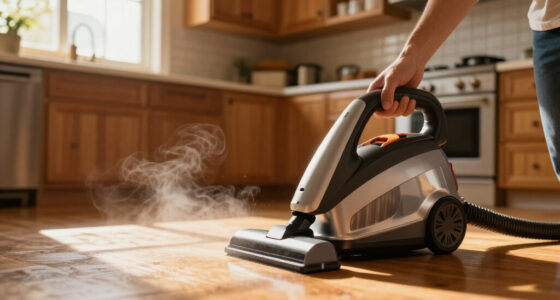
Imagine the rich, hot vapor rising from your steam mop—scent of clean, fresh air mixing with a faint hint of mineral-rich steam. You’ve seen steam cleaned floors and wondered: does this really kill germs? Or is it just a fancy way to wipe away dirt? In this guide, you’ll learn how steam works as a disinfectant, what it can and can’t do, and how to maximize its germ-killing power.
If you’re aiming for a safe, chemical-free way to keep your space hygienic, understanding steam’s true potential helps you use it wisely. Let’s explore the science behind the vapor, recent research, and practical tips to turn your steam cleaning into a germ-fighting weapon.
Steam at or above 212°F (100°C) can inactivate many germs within seconds to minutes when applied correctly.
Always test surfaces first and avoid steam on delicate or unsealed materials to prevent damage.
Pre-clean surfaces before steaming to maximize germ-killing efficiency.
Steam is a safe, chemical-free way to reduce microbial load but isn’t a substitute for registered disinfectants in high-risk environments.
Consistent, deliberate application of high-temperature steam on high-touch areas offers a practical way to improve home hygiene.
Hot Vapor Can Kill Germs, But Technique Decides the Result
TL;DR: Steam cleaning can kill many bacteria, viruses, and fungi when it reaches high temperatures and stays on a suitable surface long enough. It is powerful, chemical-free hygiene support, but it is not a complete replacement for registered disinfectants in high-risk settings.
Key Temperature
212°FSteam at 100°C can inactivate many common germs within seconds to minutes when applied correctly.
Contact Window
3-60 secMost home routines work best with slow, deliberate passes rather than quick sweeps.
Practical Verdict
Use steam after pre-cleaning, focus on high-touch areas, and reserve chemical disinfectants for higher-risk situations.
Steam works by overwhelming microbes with heat.
When hot vapor transfers enough heat to a surface, it damages microbial proteins and membranes. Common bacteria such as E. coli and Salmonella, many viruses including influenza and coronaviruses, and many fungi can be rapidly inactivated when temperature and contact time are sufficient.
Proteins unfold
High temperatures disrupt the structures microbes need to survive and reproduce.
Steam carries energy
Condensing vapor delivers heat efficiently, especially on smooth non-porous surfaces.
Dirt blocks contact
Grime can insulate germs, which is why pre-cleaning makes steam more effective.
Heat Vulnerability Scale
Effective does not mean safe for every material.
Steam performs best where heat can reach germs without damaging the surface. Hard, sealed, non-porous materials are the safest candidates. Delicate finishes, unsealed wood, painted walls, and sensitive textiles need caution or avoidance.
| Surface | Steam fit | Germ-killing potential | Risk to watch | Best move |
|---|---|---|---|---|
| Tile and sealed grout | ✓ Strong | High when passes are slow and direct | Grout lines may need extra contact time | Pre-clean, then hold steam over each zone |
| Sealed vinyl or laminate | ~ Conditional | Good on compatible products | Heat can loosen adhesives or seams | Check manufacturer guidance first |
| Kitchen counters | ✓ Strong | Good on heat-safe non-porous surfaces | Residue can block heat transfer | Remove crumbs and grease before steaming |
| Unsealed wood | ✗ Avoid | Unreliable because damage risk is high | Warping, swelling, finish damage | Use a surface-appropriate cleaner |
| Delicate fabrics | ~ Test first | Possible, but inconsistent | Shrinkage, color bleeding, texture change | Patch test in a hidden area |
How to maximize germ-killing power.
The winning formula is simple: remove debris first, use the highest safe steam setting, move slowly, and give high-touch areas deliberate attention. Rushing is the easiest way to leave germs behind.
Pre-clean visible dirt
Wipe away grime, crumbs, soap film, and grease so heat can directly contact microbes.
Choose the safe high setting
Follow the cleaner and surface instructions to maximize heat without causing damage.
Hold close, not pressed
Keep the nozzle near the surface and apply steam for roughly 3-5 seconds per spot.
Prioritize high-touch zones
Focus on doorknobs, switches, counters, handles, fixtures, and shared surfaces.
Repeat methodically
Use overlapping passes so textured areas and edges are not skipped.
Steam reduces microbial load; disinfectants certify specific kill claims.
For everyday home hygiene, steam can be an excellent chemical-free option. For healthcare, outbreaks, bodily fluids, or known high-risk pathogens, EPA-registered disinfectants are usually the more appropriate standard.
Where steam shines
Chemical-free cleaning, routine hygiene, heat-safe surfaces, upholstery care, bathroom fixtures, and families wanting less residue from sprays.
- Reduces many common bacteria, viruses, and fungi.
- Useful around children and pets when surfaces are compatible.
- Pairs well with routine wiping and targeted disinfection.
Where it falls short
Steam is technique-dependent and may not reliably handle resistant spores, heavy soil, or settings that require registered pathogen-specific claims.
- Not every device sustains the same temperature at the surface.
- Some materials can warp, discolor, peel, or shrink.
- High-risk environments need stricter disinfection protocols.
| Feature | Steam Cleaning | Chemical Disinfectants |
|---|---|---|
| Effectiveness | ~ Kills many germs with heat and time | ✓ Can be registered for specific pathogens |
| Safety profile | ✓ Chemical-free when used correctly | ~ Requires label precautions |
| Surface compatibility | ~ Best on heat-tolerant surfaces | ~ Depends on product label |
| High-risk settings | ✗ Not a stand-alone protocol | ✓ Usually preferred when registered |
From hot vapor to better hygiene
Yes, steam cleaning can kill germs when used properly.
Steam is most reliable when the surface is compatible, visible dirt is removed first, the device reaches high heat, and each area receives enough contact time. Treat it as a strong hygiene tool, not a universal disinfectant replacement. For everyday homes, it can meaningfully improve cleanliness; for high-risk disinfection, follow registered-product guidance.
Move slowly
Deliberate passes give heat enough time to inactivate microbes.
Skipping prep
Dirt and grime can shield germs from direct heat exposure.
Risk sets the standard
Routine hygiene and strict disinfection are different jobs.
How Does Steam Cleaning Kill Germs? The Science in Plain Language
Steam kills germs by delivering intense heat directly to surfaces. When steam reaches temperatures of 212°F (100°C), most bacteria, viruses, and fungi are rapidly inactivated. Think of it like a heat shock that destroys the proteins and membranes holding microbes together.
For example, common bacteria like E. coli and Salmonella die within seconds at this temperature, as do many viruses, including influenza and coronaviruses. The key is maintaining that temperature long enough—usually a few seconds to a minute—to ensure the microbes are truly neutralized.
However, not all pathogens are equally vulnerable. Some spores or resistant bacteria may need even higher heat or longer exposure, which regular household steam cleaners might not deliver reliably. This variation matters because it influences how thoroughly you can rely on steam for disinfection. While many common germs are easily killed, spores like those from Clostridium difficile are more resistant and require more aggressive sterilization methods. Recognizing these differences helps you set realistic expectations and choose appropriate cleaning strategies.
steam mop for disinfecting surfaces
As an affiliate, we earn on qualifying purchases.
As an affiliate, we earn on qualifying purchases.
What You Need to Know About Surface Types and Steam Effectiveness
Not every surface is a good candidate for steam cleaning. Hard, non-porous surfaces like tile, sealed vinyl, and certain laminates handle the heat well. But unsealed wood, delicate fabrics, or painted walls might warp, discolor, or peel if exposed to high steam.
Imagine using a steam mop on your glossy hardwood floor—if the manufacturer says it’s safe, great. If not, you risk damage. Always test a small, hidden area first. The same goes for fabrics; steam can cause shrinkage or color bleeding on sensitive textiles. This potential for damage means that while steam is effective at killing germs, it also requires careful application to avoid unintended harm.
Focusing on high-touch surfaces—door handles, kitchen counters, bathroom fixtures—and ensuring you direct the steam properly, maintaining a steady, high-temperature flow for a few seconds at each spot, maximizes germ-killing while minimizing risks. The tradeoff here is between thorough disinfection and surface preservation; understanding your surfaces’ tolerance helps you balance these priorities effectively.
As an affiliate, we earn on qualifying purchases.
How to Use Steam Cleaning for Best Germ-Killing Results: A Step-by-Step Guide
- Pre-clean surfaces to remove visible dirt and grime, because dirt acts as a barrier that insulates germs from heat, reducing steam’s effectiveness. Removing debris first ensures the heat can directly contact pathogens.
- Set your steam cleaner to the highest safe temperature—check manufacturer instructions. Using the correct temperature maximizes germ inactivation without risking damage.
- Hold the nozzle close (but not touching) to the surface, directing steam for 3-5 seconds per spot. This contact time is crucial because the heat needs to be sustained long enough to inactivate microbes effectively.
- Focus on high-touch areas—doorknobs, light switches, counters—since these are the most likely to harbor germs and contribute to cross-contamination.
- Repeat on each surface, ensuring consistent heat application. Repeated passes can help ensure no area is missed, especially in high-traffic zones.
For example, if you’re sanitizing your kitchen countertop, wipe away crumbs first, then steam for a few seconds over each zone. This combo boosts hygiene and prolongs surface life. Remember, the effectiveness of steam depends on contact time and temperature; rushing through can leave germs alive, so patience is key.
Amazonchemical-free steam cleaning device
As an affiliate, we earn on qualifying purchases.
As an affiliate, we earn on qualifying purchases.
Steam Cleaning vs. Chemical Disinfectants: Which Is Better for Killing Germs?
Feature Steam Cleaning Chemical Disinfectants Effectiveness Kills many germs at high temperatures, but not registered as a disinfectant Can be EPA-registered to kill specific pathogens Safety Chemical-free, safe for children and pets if surfaces are compatible May cause allergies or skin irritation; requires careful handling Surface Compatibility Best on non-porous, heat-tolerant surfaces Suitable for most surfaces; check label Ease of Use Quick, chemical-free, but may need multiple passes Fast acting, often more straightforward For everyday cleaning, steam reduces microbial load effectively on many surfaces. But in environments needing strict disinfection—like healthcare settings—chemical disinfectants are usually necessary. Understanding these tradeoffs helps you decide when each method is appropriate, balancing safety, efficacy, and surface preservation.
AmazonAs an affiliate, we earn on qualifying purchases.
Common Mistakes That Make Your Steam Cleaning Less Effective
- Not pre-cleaning: Dirt and grime block heat transfer, reducing germ-killing power. Dirt acts as an insulating layer, preventing the heat from reaching microbes effectively. Skipping pre-cleaning can lead to a false sense of cleanliness, as germs may survive beneath layers of dirt.
- Using too little steam or moving too fast: Short contact time means fewer germs die. Rapid movement doesn’t allow sufficient heat transfer to inactivate microbes, especially in crevices or textured surfaces. Patience and deliberate pacing maximize efficacy.
- Ignoring manufacturer instructions: Overheating or improper use can damage surfaces or reduce effectiveness. Following guidelines ensures safety and optimal germ-killing without unintended consequences.
- Failing to test surfaces first: Risk of warping, discoloration, or damage. Testing small areas helps you understand how your surfaces respond to heat, preventing costly mistakes.
For instance, rushing through a bathroom tile with a quick pass might leave germs alive in the grout lines. Slow, deliberate passes with high heat ensure better results. Recognizing these pitfalls allows you to adapt your technique for more thorough sanitation.
Can Steam Cleaning Actually Kill Germs? The Verdict
Yes—steam cleaning can kill many germs, including bacteria and viruses, when used properly. High temperatures at contact points disrupt pathogens’ structure, rendering them harmless. This process is supported by scientific research showing that sustained heat denatures microbial proteins, leading to their inactivation.
However, it’s not a magic bullet. It doesn’t replace chemical disinfectants in all cases, especially where specific pathogens or spores are involved. Think of steam as a powerful hygiene helper, not a universal sterilizer. Recognizing its limitations ensures you don’t rely solely on steam for critical disinfection needs.
In everyday home cleaning, regular steam use on high-touch surfaces can significantly lower microbial presence—especially when combined with proper pre-cleaning and thorough coverage. But for environments requiring absolute sterilization, supplementary methods are necessary.
Frequently Asked Questions
Does steam cleaning kill COVID-19?
Steam cleaning can inactivate many viruses, including coronaviruses, when used at high temperatures for enough seconds. It’s effective as a supplementary cleaning step, but for complete disinfection, follow official health guidelines and consider EPA-registered disinfectants for high-risk areas.
How long should I steam to kill germs?
Most germs are killed within a few seconds at 212°F (100°C), provided the steam directly contacts the surface. For best results, hold the nozzle steady for 3-5 seconds per spot to ensure thorough heat transfer.
Can steam replace disinfectants?
Steam reduces microbial presence effectively on many surfaces, but it isn’t a registered disinfectant. For environments needing strict sterilization—like hospitals—chemical disinfectants remain essential, especially for spores or specific pathogens.
Is steam safe on all surfaces?
No, delicate surfaces like unsealed wood, certain fabrics, or painted walls might warp or discolor. Always test a small area first and follow manufacturer instructions for your specific steam cleaner and surfaces.
What’s the best way to maximize germ-killing with steam?
Pre-clean surfaces to remove dirt, set your steam cleaner to the highest safe temperature, hold the nozzle close, and direct steam for a few seconds on each high-touch spot. Consistency and patience boost results.
Conclusion
Steam cleaning is a powerful ally in your hygiene toolkit—if used right. It’s not a magic wand, but it does significantly cut down germs on many surfaces without chemicals.
Next time you reach for your steam mop, remember: patience, proper technique, and surface awareness are your best friends in making steam work for your health and your home.
HALLOWEEN Halloween Picks
halloweenhalloween
As an affiliate, we earn on qualifying purchases.