TL;DR
Steam mops use high-temperature steam for deep cleaning and sanitizing without chemicals, ideal for sealed hard floors. Traditional mops rely on manual scrubbing with cleaning solutions, offering more surface versatility. Your choice hinges on flooring type, convenience, and budget.
Imagine a quick morning clean that leaves your floors sparkling and germ-free—no fuss, no chemicals. That’s the promise of a steam mop, a tool that’s become a staple in many households. But is it really better than the good old bucket and mop? Let’s break down what each method offers, so you can pick what truly works for your home.
Cleaning isn’t just about appearances; it’s about hygiene, convenience, and protecting your floors. Whether you’re a busy parent, eco-conscious homeowner, or someone just tired of lugging around heavy buckets, understanding the differences can save you time, money, and frustration.
Steam mops sanitize floors with high-temperature steam, killing bacteria and dust mites, ideal for sealed surfaces.
Traditional mops offer greater versatility, suitable for various surfaces including unsealed wood and textured tiles.
While steam mops often cost more initially, they save money on cleaning solutions and reduce chemical use over time.
Always test your flooring first before using a steam mop, especially on delicate or unsealed surfaces.
Advances in steam mop technology—adjustable steam, larger tanks, cordless models—make modern options more user-friendly and efficient.
What is a steam mop—and how does it clean better?
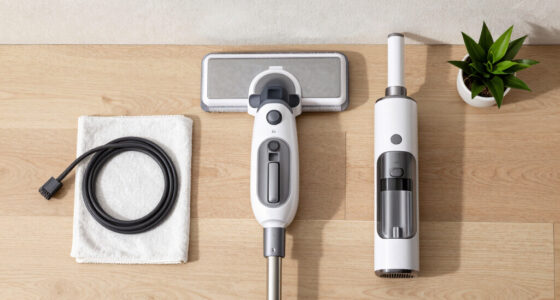
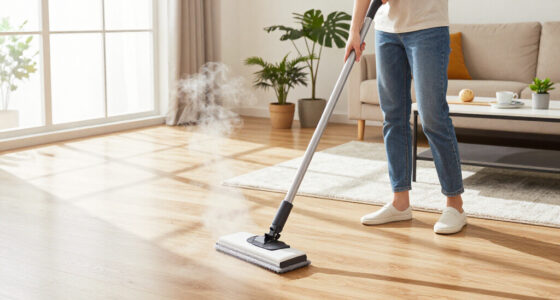
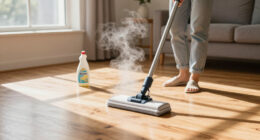
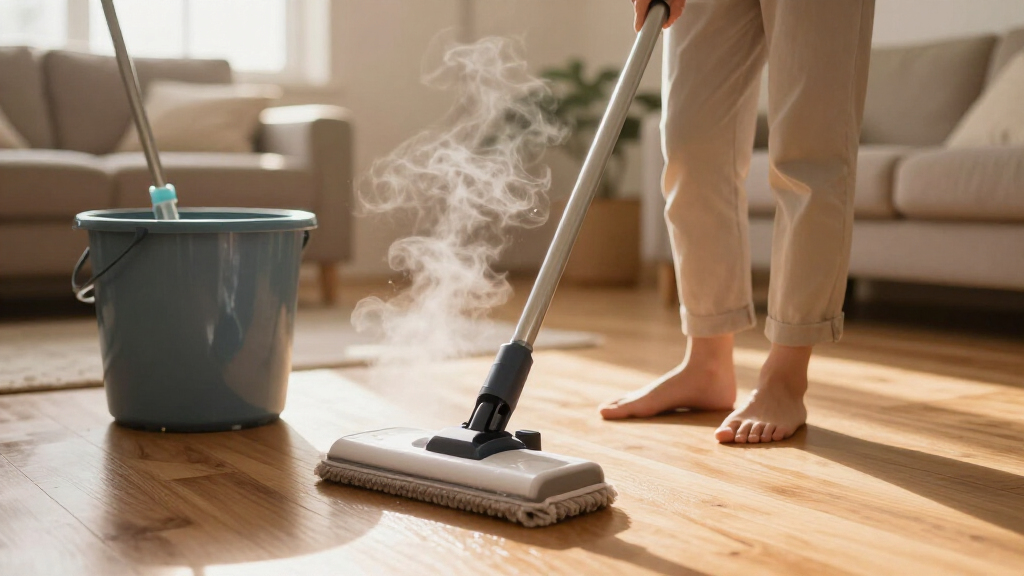
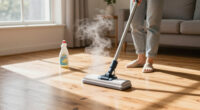
A steam mop uses heated steam to loosen dirt, grime, and bacteria from your floors. Its water tank heats up quickly, releasing steam through a cloth or microfiber pad that contacts the surface. This high temperature kills germs and dust mites, often without any cleaning solutions.
For example, after a spill of juice or pet mess, a steam mop can sanitize the area in minutes. The steam penetrates cracks and textured surfaces better than manual scrubbing, making it ideal for sealed tiles, vinyl, and laminate.
However, not all surfaces love steam. Unsealed wood or delicate vinyl might warp or discolor if exposed to too much heat or moisture. Always test a small hidden section first, and follow the manufacturer’s guidance.

Shark Steam Mop for Sealed Hard Floors with 2 Dirt Grip Pads, White, S1000
- Chemical-Free Sanitization: Removes grease with steam only
- Removable Water Tank: Easy to refill for continuous cleaning
- Lightweight Design: Under 5 lbs for easy handling
As an affiliate, we earn on qualifying purchases.
As an affiliate, we earn on qualifying purchases.
Traditional bucket and mop: simple, versatile, and familiar
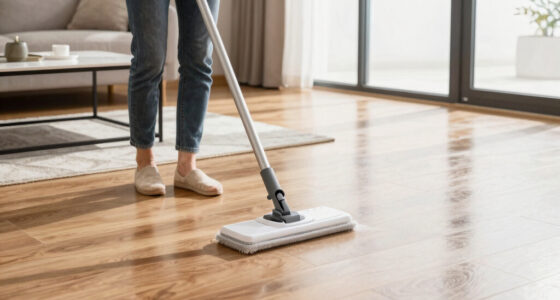
The classic combo—bucket plus mop—relies on manual effort and cleaning solutions. You fill the bucket with warm water and a cleaning agent, then submerge and wring out the mop to wipe your floors. It’s straightforward, adaptable, and works on almost any surface.
Imagine mopping your kitchen after cooking. You manually scrub away grease, dirt, and sticky spots with a chemical solution that breaks down grime. Wringing out the mop gets rid of excess water, preventing puddles and streaks.
The downside? It’s labor-intensive, especially wringing out the mop and lugging a heavy bucket. Plus, bacteria can spread if the mop isn’t properly cleaned and disinfected after use.
As an affiliate, we earn on qualifying purchases.
How do steam mops and traditional mops compare side-by-side?
| Feature | Steam Mop | Bucket & Mop |
|---|---|---|
| Cleaning method | Uses high-temperature steam to sanitize and loosen dirt | |
| Surface compatibility | Best for sealed hard floors like tile, vinyl, laminate | |
| Ease of use | Lightweight, quick setup, no mixing required | |
| Sanitization | High; kills bacteria and dust mites at 212°F | |
| Versatility | Limited; not suitable for unsealed wood or delicate surfaces | |
| Cost | Higher upfront, lower ongoing (less cleaning solutions) | |
| Environmental impact | Less chemical use, eco-friendly |
cordless steam mop with large water tank
As an affiliate, we earn on qualifying purchases.
As an affiliate, we earn on qualifying purchases.
Which is better for your floors? Pros and cons explained
If you have sealed hardwood, vinyl, or tile, a steam mop can simplify your routine. It sanitizes without chemicals and takes less physical effort. But for unsealed wood or delicate surfaces, a traditional mop with gentle cleaning solutions is safer.
Conversely, a bucket and mop excel in versatility. You can adjust cleaning solutions for different surfaces, including grout or textured tiles. Plus, if you prefer chemical cleaners, traditional mopping gives you more control.
Here’s a quick rundown:
- Steam mop: Easy, hygienic, eco-friendly, but surface-limited
- Bucket and mop: Versatile, cost-effective, but more effort and potential bacteria spread
Shark Steam Mop for Sealed Hard Floors with 2 Dirt Grip Pads, White, S1000
- Chemical-Free Sanitization: Removes grease with steam only
- Removable Water Tank: Easy to refill for continuous cleaning
- Lightweight Design: Under 5 lbs for easy handling
As an affiliate, we earn on qualifying purchases.
As an affiliate, we earn on qualifying purchases.
Practical tips to get the most from each method
For steam mops:
- Always test a small, hidden area first to ensure compatibility.
- Use microfiber pads that are washable—replaces disposable pads and saves money.
- Keep water tanks filled for longer cleaning sessions.
- Adjust steam settings if available, for delicate vs. tough spots.
For traditional mops:
- Use the right cleaning solution — gentle for delicate floors, stronger for stubborn grime.
- Wash microfiber pads after each use to prevent bacteria buildup.
- Wring out excess water thoroughly; damp floors dry faster and reduce streaks.
- Change water frequently to avoid spreading dirt.
Cost, maintenance, and environmental impact — what’s the real deal?
Steam mops often come with a higher initial price—ranging from $50 to over $150—but save money over time by reducing the need for chemical cleaners. They also require occasional descaling to prevent mineral buildup, especially in hard water areas. This maintenance is crucial because mineral deposits can clog the heating element, reducing efficiency and lifespan. Proper descaling ensures the steam mop continues to operate effectively, maintaining hygiene and performance.
Deep understanding of this maintenance reveals that neglecting descaling can lead to decreased cleaning performance, potential damage to the device, and ultimately higher replacement costs. Regular descaling not only prolongs the life of your steam mop but also guarantees consistent sanitation, which is vital for health-conscious households. The tradeoff is a small time investment for significant long-term benefits, making this maintenance step a wise choice for preserving hygiene and device longevity.
Traditional mops are cheaper upfront—around $10 to $30 for a basic mop—but ongoing expenses for cleaning solutions and replacement pads add up. They also generate more waste from disposable pads or worn-out mops. This waste not only impacts your wallet but also the environment, especially if disposables are used frequently. Considering the long-term costs and waste management is essential for making an eco-conscious decision.
From an eco perspective, steam mops cut down on chemical use, making them gentler on the planet. But they do use electricity, so consider your energy habits when weighing options. Using energy-efficient models and proper maintenance can help mitigate environmental impacts.
Recent tech advances: smarter, easier, better?
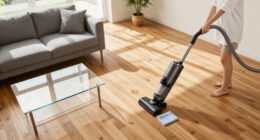
Modern steam mops now feature adjustable steam controls, larger water tanks, and ergonomic designs. Some models include washable microfiber pads, making maintenance easier. Newer designs are cordless, with built-in sensors that regulate steam output based on surface texture.
Hybrid devices combine steam and traditional mopping functions—offering flexibility for different cleaning tasks. Eco-friendly innovations focus on reducing water and electricity use, aligning with sustainable home cleaning.
For example, a recent model boasts a 20-minute run time, adjustable steam levels, and a quick heat-up feature—saving time and effort during busy mornings. These technological improvements not only enhance user convenience but also optimize cleaning performance, reducing energy consumption and prolonging device lifespan, which collectively contribute to more sustainable cleaning routines.
Your cleaning choice: practical tips for making the call
Consider your floor type and cleaning habits. If you favor quick, chemical-free cleans, a steam mop might be your best friend. But if you need flexibility for different surfaces and occasional deep scrubbing, a traditional mop could serve you better.
Think about budget and maintenance. Higher upfront costs for steam mops can pay off with savings on cleaners and less effort. Also, factor in your willingness to test and maintain equipment—some models need regular descaling or pad replacements.
Remember, no matter what tool you pick, always follow safety guidelines—test surfaces first, and avoid excessive moisture on unsealed materials.
Frequently Asked Questions
Are steam mops safe for all types of flooring?
No, steam mops are best for sealed, hard surfaces like tile, vinyl, and laminate. They can damage unsealed wood or delicate materials. Always perform a spot test first and follow manufacturer guidelines.Do steam mops really kill germs and bacteria?
Yes. High-temperature steam around 212°F can effectively sanitize surfaces by killing most germs and dust mites, making them a hygienic option for many homes.Can I use a steam mop on carpets?
Most steam mops are designed for hard floors only. Some models include attachments for spot cleaning carpets, but they are not suitable for deep cleaning or full carpets.How often should I replace or clean microfiber pads?
Wash microfiber pads after each use to prevent bacteria buildup. Replace them when they show signs of wear or damage—typically every few months with regular use.Is a steam mop more cost-effective than traditional mopping?
Upfront, steam mops cost more—$50 to $150—but they can save money long-term by reducing cleaning chemical expenses and effort. Consider your cleaning frequency and surface needs.Conclusion
Choosing between a steam mop and a traditional bucket and mop boils down to your floors and your cleaning goals. If convenience and sanitation top your list, a steam mop can simplify your routine. But if versatility and lower upfront costs matter most, stick with the classic mop and bucket.
Remember: no matter which method you pick, always test first, use the right cleaning solutions, and follow safety tips. Your floors—and your peace of mind—will thank you.