TL;DR

Get cleaning gear delivered free with Prime
- Fast, free delivery on millions of items
- Prime Video, Amazon Music and more included
- Member-only deals all year
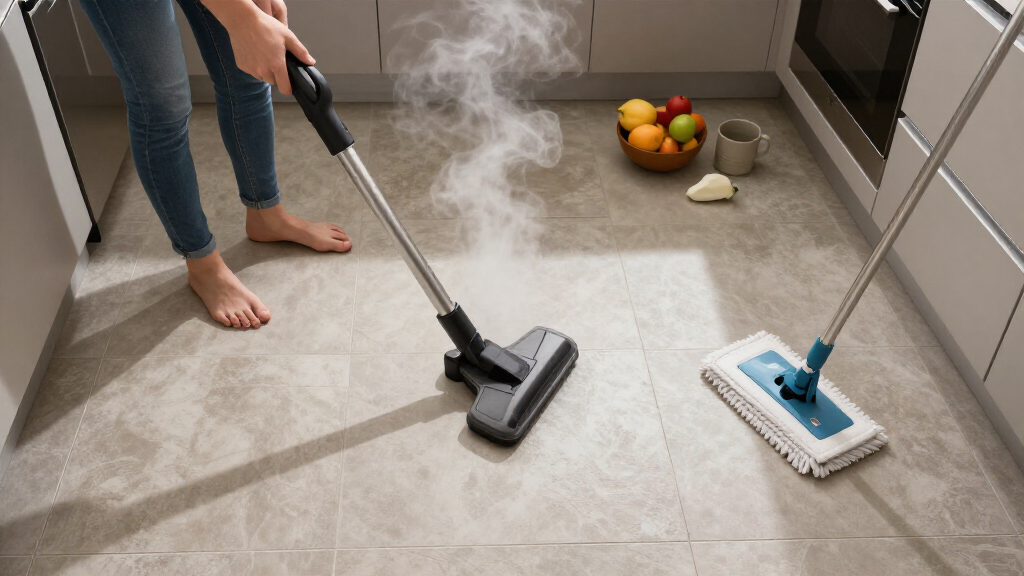
Steam cleaning can sanitize floors when equipment is validated and used correctly, but it often requires careful technique. Mopping with disinfectants is more straightforward for targeted disinfection. The best method depends on your flooring and cleaning goals.
Ever wonder if steam really kills germs better than traditional mopping? Or if a mop soaked in disinfectant can match the sanitizing power of a steam cleaner? The truth is, both methods have their strengths and limits, and choosing the right one depends on what you’re trying to achieve. Not all floors are created equal, and not every cleaning method guarantees safety or sanitation.
This guide cuts through the hype. You’ll learn how each method works, what surfaces they’re best suited for, and how to avoid common mistakes. Whether you want a quick clean or a serious disinfect, understanding their differences helps you make smarter choices—without risking damage or exposure.
Properly used, steam cleaning can sanitize floors, but only if equipment is validated for that purpose and used according to instructions.
Disinfectant mopping requires maintaining wet contact for the full prescribed time—rushing or improper dilution reduces effectiveness.
Pre-clean heavily soiled floors before attempting sanitization or disinfection to ensure microbes aren’t shielded by dirt.
Surface compatibility is critical—test a small area first to prevent damage, especially with steam on delicate floors.
In most households, routine cleaning with microfiber and water suffices; targeted disinfecting is needed only after contamination or illness.
Steam Cleaning vs Mopping for Sanitizing Floors
Steam can sanitize when validated heat and contact conditions are achieved. Disinfectant mopping offers a more direct route to targeted pathogen control—but only when dilution, wet contact time, and surface preparation are correct.
Technique matters more than the tool.
Neither hot vapor nor a chemical solution guarantees sanitation on its own. The winning method is the one your floor can tolerate and you can apply exactly as directed.
Three outcomes, three different standards
The terms are not interchangeable. Decide whether you need ordinary soil removal, a reduction in microorganisms, or a defined pathogen-kill claim before choosing a method.
Cleaning
Removes dirt, grease, organic matter, and some microorganisms through water, detergent, and physical action.
Everyday household defaultSanitizing
Reduces microorganisms to levels considered acceptable under applicable public-health standards.
Requires validated conditionsDisinfecting
Kills specified pathogens with a registered product or validated process under defined conditions.
Label-directed pathogen controlWhere each method wins—and where it does not
Steam favors low-residue heat treatment on compatible sealed surfaces. Mopping offers broader flexibility and clearer chemical disinfection claims when the correct product is used.
| Factor | Steam cleaning | Traditional mopping |
|---|---|---|
| Primary action | Heat, moisture, and physical removal | Water or solution plus physical removal |
| Sanitizing potential | ~Only with validated surface temperature and dwell time | ✓With a suitable sanitizer or disinfectant used exactly as labeled |
| Chemical use | ✓Often little or none | ~Detergent is typical; disinfection requires an appropriate product |
| Drying | Often relatively fast because less water remains | Variable; excess solution can extend drying time |
| Heavy soil | ✗Pre-cleaning is usually needed | ~Good routine removal with clean solution and microfiber |
| Compatibility | ✗Limited on heat- or moisture-sensitive floors | ✓Broader when cleaner and water volume suit the surface |
| Main risks | Burns, hot vapor, electrical hazards, and surface damage | Chemical exposure, residue, slips, and cross-contamination |
| Cost profile | Higher equipment cost | Lower entry cost with recurring product and mop-head expenses |
What determines real-world effectiveness?
These bars are qualitative decision aids, not laboratory kill-rate claims. They show how strongly each method depends on specific operating conditions.
Steam cleaning
The temperature that reaches the floor, pass speed, attachment, pressure, and even heat distribution all affect microbial inactivation.
Disinfectant mopping
The product must be appropriate for the floor and target organism, mixed correctly, applied thoroughly, and kept visibly wet for the full label time.
The sanitation chain
Every link matters. Skipping preparation or the required dwell time can leave microorganisms protected beneath soil or exposed to inadequate heat or chemistry.
Assess
Identify the flooring material, contamination concern, and required hygiene outcome.
Pre-clean
Sweep or vacuum, then remove visible dirt, grease, spills, and organic matter.
Apply
Use validated steam technique or the correct disinfectant dilution and coverage.
Hold & finish
Maintain the specified contact time, prevent recontamination, and allow safe drying.
Why dirt changes the result
Organic material can insulate microorganisms from heat and block disinfectants from reaching their targets. A visibly dirty floor should not move directly to the sanitation step.
When routine cleaning is enough
Most households do not need whole-floor disinfection every day. Clean microfiber and water or a suitable detergent are generally sufficient unless there is a defined contamination event.
- Bodily-fluid or sewage contamination
- Raw-food contamination
- Certain illnesses in the household
- Instructions from a health authority
A safer floor-care protocol
Manufacturer instructions control the process. More heat, more chemical, or longer exposure is not automatically safer or more effective.
Verify the claim
Use steam equipment validated for sanitation or a registered product suited to the target organism.
Respect contact time
Move steam at the specified speed or keep disinfectant visibly wet for the full label time.
Protect the surface
Check flooring guidance and test a hidden area, especially on wood, laminate, and vinyl.
Prevent transfer
Change dirty pads and solution, move from cleaner to dirtier zones, and separate bathroom and kitchen tools.
Never improvise chemistry
Do not add vinegar or disinfectant to a steam mop unless its manufacturer explicitly permits it.
The sealed floor tolerates heat and moisture, low chemical use matters, and the machine has a relevant validated procedure you can follow precisely.
You need a specific pathogen claim, the product is approved for the surface, and you can maintain correct dilution, coverage, and wet contact time.
What exactly is steam cleaning—and does it really sanitize floors?
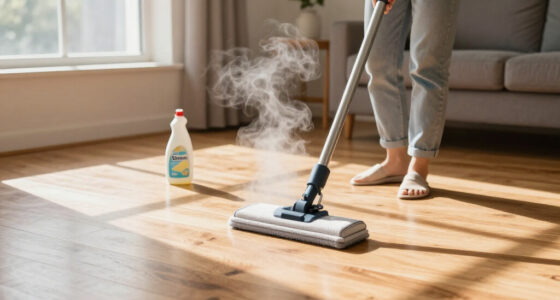
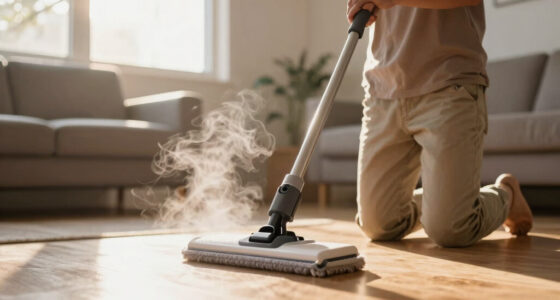
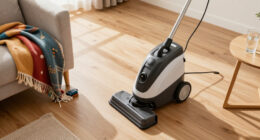
Steam cleaning uses high-temperature vapor, typically generated by a specialized machine, to loosen dirt and microbes. When the equipment reaches the right temperature—usually above 212°F (100°C)—and maintains contact for a specified time, it can inactivate many microorganisms. But that doesn’t mean it’s automatically a disinfectant.
For example, a household steam mop might heat water to around 200°F, but if it passes quickly over a surface, it may not deliver enough heat or dwell time to truly sanitize. Proper use involves slow, deliberate passes, following the manufacturer’s instructions. When equipment is validated for sanitation, it can reduce microbial levels to those considered acceptable by health standards—like reducing bacteria and viruses by 99.9%.
However, not all floors can handle steam. Unsealed wood or certain vinyls may warp or discolor. So, check your flooring’s manufacturer guidelines before steaming. In essence, steam can be a powerful cleaning tool, but its sanitizing power depends heavily on correct application and equipment claims.
It’s also important to recognize that the effectiveness of steam isn’t just about reaching high temperatures. The contact time, the pressure, and the evenness of heat distribution all influence microbial inactivation. In settings where sanitation is critical—such as healthcare or food prep—using validated equipment with proven microbial kill claims is essential. Otherwise, relying on steam alone may give a false sense of security, leading to incomplete disinfection and potential health risks.
As an affiliate, we earn on qualifying purchases.
Why does disinfectant mopping require patience and technique?
Unlike steam, disinfectant mopping aims to chemically kill microbes. But it only works if the surface stays wet long enough for the chemical to act. Most disinfectants specify a contact time—often 1 to 10 minutes—during which the floor must remain visibly wet. Rushing or drying too quickly can leave germs alive.
For example, if you dilute a disinfectant incorrectly—say, too weak or too strong—it may be ineffective or damage the floor. Applying too little solution or wiping too soon after application prevents proper disinfection. Proper technique involves working in small sections, ensuring the disinfectant remains wet for the full duration, and avoiding re-contaminating the area with dirty mops or cloths. This patience isn’t just about following instructions; it’s about ensuring that the chemical has enough time to penetrate and disrupt microbial cells, breaking down their protective structures and interfering with their vital functions. Without this, the disinfectant’s chemical action is incomplete, leaving potential pathogens alive and increasing the risk of cross-contamination or infection.
Remember: a disinfectant isn’t just about the chemical itself but how and when it’s applied. Rushing the process or using improper dilution compromises the microbial kill rate, which might leave your surfaces contaminated. This is especially critical in environments requiring high sanitation standards, such as hospitals or kitchens, where even a small lapse can lead to illness or outbreaks.
As an affiliate, we earn on qualifying purchases.
Pre-clean before you sanitize—why dirt and grease matter
Imagine trying to disinfect a greasy, muddy floor—you’re wasting your effort. Organic matter like dirt, grease, or food spills act as shields, protecting microbes from heat and chemicals. That’s why pre-cleaning is a must.
For example, a kitchen floor with spilled sauce or a muddy entryway won’t respond well to steaming or disinfectant unless you first sweep or mop up the mess. Use a microfiber cloth or mop to remove loose debris, then apply your chosen sanitizing method. This step is critical because microbes embedded in dirt or grease are less likely to be affected by heat or chemicals. Dirt can insulate microbes, making them more resistant to heat during steaming, and physical barriers can prevent disinfectants from reaching their targets. Skipping pre-cleaning can give a false sense of security, as you may think the surface is sanitized when, in fact, microbes remain protected beneath layers of soil. Moreover, residual soil can interfere with the contact between disinfectants and microbes, reducing their efficacy and potentially allowing harmful organisms to survive. This means that thorough pre-cleaning isn’t just a preparatory step; it’s a crucial component of effective sanitation that directly impacts the success of subsequent cleaning or disinfecting efforts.
In many households, routine sweeping and quick mopping are enough, but in situations with suspected contamination—like after raw meat spills or in medical environments—thorough pre-cleaning ensures that subsequent disinfection or steaming is effective. It’s a tradeoff: investing a little extra effort upfront can significantly enhance the overall sanitation outcome, reducing the risk of residual microbes and potential health hazards.
As an affiliate, we earn on qualifying purchases.
Frequently Asked Questions
Does a steam mop actually sanitize floors?
It can, but only if the equipment has a validated sanitizing claim and is used under specific conditions. The key factors are reaching the right temperature at the surface and maintaining contact for the required time—simply passing quickly over a floor won’t cut it.
Is steam cleaning better than disinfectant?
Steam reduces chemical use and leaves little residue, but disinfectants provide specific, regulated claims against pathogens. The best choice depends on your floor type, contamination level, and whether a formal disinfectant claim is needed.
Do I need to mop before steam cleaning?
Yes. Pre-clean by sweeping or vacuuming to remove loose soil or grease. Dirt and debris can block heat transfer or shield microbes, making steam less effective.
Can I add disinfectant or vinegar to my steam mop?
Only if the manufacturer explicitly allows it. Many steam mops are designed for water only. Adding chemicals may damage the machine or create safety hazards.
Does steam damage hardwood floors?
It can if used improperly. Excessive heat or moisture may cause warping, swelling, or finish damage. Always check your flooring’s manufacturer guidance before steaming.
As an affiliate, we earn on qualifying purchases.
Conclusion
Choosing between steam cleaning and mopping isn’t about which method is universally better—it’s about matching your goal, surface, and safety needs. For everyday maintenance, simple microfiber mops work well and are safe for most floors. For targeted pathogen reduction, a registered disinfectant applied properly remains the gold standard.
Think about your flooring, what you want to achieve, and how much effort you’re willing to invest. Sometimes, a combination of both—routine mopping plus occasional steam or disinfectant—delivers the best results. Keep surfaces safe, and your home healthier.
Halloween Picks
halloween
As an affiliate, we earn on qualifying purchases.