TL;DR

Get cleaning gear delivered free with Prime
- Fast, free delivery on millions of items
- Prime Video, Amazon Music and more included
- Member-only deals all year
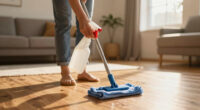
Steam mops can often soften old adhesive residues, making manual removal easier. However, effectiveness depends on adhesive type and surface. Always test first and use gentle heat to avoid damage.
Imagine lifting a stubborn sticker or glue spot from your floor and wondering, Can I just steam it away?
Many people turn to steam mops for cleaning, but when it comes to old adhesive residue, the question is: Is steaming safe and effective? This guide walks you through what works, what doesn’t, and how to do it right—saving you time and avoiding damage.
Always test a small, hidden patch before steaming the entire area.
Use lower or medium steam settings to prevent surface damage.
Water-based adhesives respond best to steaming; solvent-based adhesives often need extra help.
Gentle scraping or chemical removers can complete stubborn residue removal.
Check your floor’s manufacturer instructions to avoid voiding warranties.
Will Steam Mop Over Old Adhesive Residue Damage My Floor?
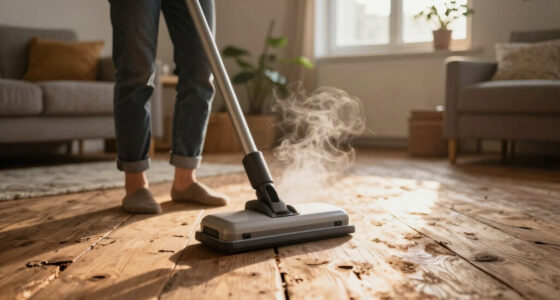
Steam mops are generally safe on sealed, hard surfaces like tile, vinyl, laminate, and sealed hardwood. They soften adhesives without scratching or gouging the surface if used correctly. But on unsealed or delicate floors, moisture and heat can cause warping, swelling, or staining.
For example, steaming over a sealed vinyl kitchen floor with old glue spots usually works fine. On the other hand, unsealed hardwood floors, especially those with visible cracks or gaps, risk damage if you overdo it.
Always check your floor’s manufacturer instructions or test in a hidden corner before going full steam ahead.
As an affiliate, we earn on qualifying purchases.
How Does Steam Help Softening Old Adhesive? (And When It Might Fail)
Steam penetrates the adhesive’s surface, breaking down water-based glues within seconds to a couple of minutes. This process is rooted in the principle that heat and moisture can weaken the bond of certain adhesives, making them easier to lift or scrape away. However, the effectiveness depends on the chemical composition of the adhesive. Water-based glues, which contain polymers that swell or soften with heat and moisture, respond quickly, often within 30 seconds to a minute. This means you can expect a significant reduction in resistance, facilitating manual removal.
Conversely, solvent-based adhesives—such as epoxy, industrial glues, or certain epoxies—resist water and heat because their chemical bonds are designed to be impervious to moisture. Steaming these adhesives results in negligible softening, which can lead to frustration and wasted effort. Recognizing these differences is crucial because it informs your expectations and guides whether steaming alone will suffice or if additional removal methods are necessary.
This understanding underscores the importance of identifying your adhesive type beforehand. Using steaming on incompatible adhesives can lead to damage or incomplete removal, highlighting the need for a tailored approach based on the adhesive’s chemistry and thickness.
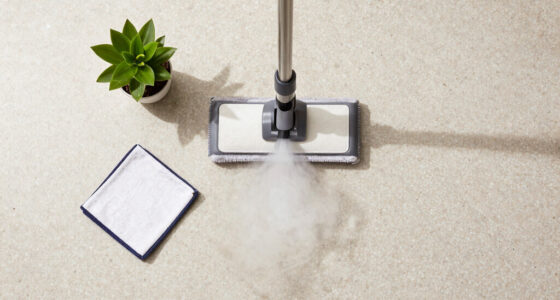
best steam mop for old glue stains
As an affiliate, we earn on qualifying purchases.
As an affiliate, we earn on qualifying purchases.
Best Ways to Use Your Steam Mop on Old Adhesive Residue
- Test a small area first: Pick a hidden corner. Wait 24 hours to see if your floor shows any damage or discoloration. This step is vital because it allows you to assess how your specific floor reacts to steam, preventing costly mistakes.
- Adjust steam settings: Set to low or medium—high steam can be too aggressive, especially on delicate surfaces. Using the correct setting helps balance effective softening with surface safety, reducing the risk of warping or staining.
- Pre-soften if needed: For thick or stubborn glue, applying a heat gun or commercial adhesive remover first can loosen the bond. This preparatory step minimizes the amount of heat and moisture needed during steaming, decreasing the chances of damage and making the process more efficient.
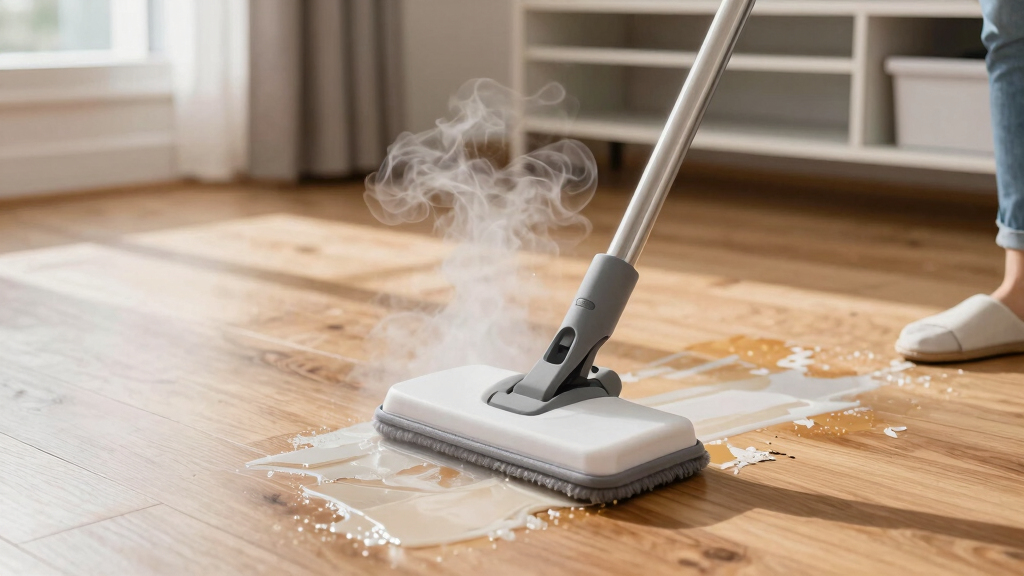
- Steam in short bursts: 5-10 seconds per spot is enough to soften the adhesive without overexposing the floor to heat. This controlled approach helps prevent moisture buildup, which can cause warping, especially on unsealed or sensitive surfaces. After steaming, use a soft cloth or plastic scraper to gently lift the softened residue.
- Clean up afterward: Wipe with a damp cloth to remove loosened glue and debris, preventing buildup or staining. Regular cleaning ensures the floor remains in good condition and that residues don’t settle into the surface.
For example, a homeowner successfully removed sticky old glue from their vinyl kitchen floor by steaming for 20 seconds, then gently scraping with a plastic spatula. This method highlights how careful timing and gentle techniques can achieve results without damage.
Remember: patience and gentle techniques win the day, especially on sensitive surfaces. Rushing or using excessive heat can lead to unintended damage or incomplete removal, so proceed with care.
As an affiliate, we earn on qualifying purchases.
Comparison Table: Steam Mop vs. Chemical Removal for Old Adhesive
| Method | Effectiveness | Surface Safety | Ease of Use | Environmental Impact |
|---|---|---|---|---|
| Steam Mop | Good for water-based adhesives, limited for stubborn or solvent-based glues | High on sealed surfaces, risky on unsealed or delicate floors | Quick, chemical-free, requires proper technique | Eco-friendly, no chemicals |
| Chemical Removers | Highly effective, especially for stubborn residues | Potential for surface damage if used improperly | Requires careful application and ventilation | Less eco-friendly, chemical exposure risks |
This table helps you weigh options—steam is safer and greener but may need help for tough glue. Chemical removers are powerful but come with safety considerations.
steam mop with adjustable steam settings
As an affiliate, we earn on qualifying purchases.
As an affiliate, we earn on qualifying purchases.
What to Do If Steaming Doesn’t Remove the Residue
If steaming alone doesn’t do the trick, don’t give up. Mechanical methods like scraping with a plastic putty knife often help. For stubborn glue, a commercial adhesive remover designed for your floor type can be very effective.
Always test a small area first to avoid damage. After applying a remover, re-steam or gently scrub to lift any remaining residue. Think of steaming as part of a multi-step process—not a magic wand.
For example, a homeowner found that steaming softened the glue but didn’t lift it fully. Using a plastic scraper afterward cleaned the spot without damaging the floor.
Frequently Asked Questions
Can I use a steam mop on unsealed wood floors?
No, unsealed wood is vulnerable to moisture and heat, which can cause warping or staining. Always check your floor’s finish before steaming.Will steam damage my vinyl or laminate floor?
If your vinyl or laminate is sealed and in good condition, steaming on low or medium settings is usually safe. Avoid excessive heat or prolonged steaming to prevent warping.How long should I steam over a glued area?
Typically, 5 to 30 seconds per spot is enough to soften the adhesive. Keep the steam moving and avoid holding it in one place too long.Is steaming effective on solvent-based or industrial adhesives?
Generally not. These adhesives resist water and heat, so steaming alone often won’t loosen them. Mechanical removal or chemical solvents may be necessary.What if the adhesive residue remains after steaming?
Try gently scraping with a plastic tool or applying a commercial adhesive remover suited for your floor. Re-steaming can help loosen stubborn spots.Conclusion
Steam mops can be a safe, eco-friendly way to soften old adhesive residues on sealed, hard floors. But they’re not a one-size-fits-all solution. The key is understanding your adhesive type, floor surface, and applying gentle, cautious techniques.
Next time you face that stubborn glue spot, remember: patience and testing are your best friends. A careful approach can save your floor and your sanity—no harsh chemicals needed.
Columbus Day / Indigenous Peoples' Day Picks
long weekend sales
As an affiliate, we earn on qualifying purchases.