TL;DR

Get cleaning gear delivered free with Prime
- Fast, free delivery on millions of items
- Prime Video, Amazon Music and more included
- Member-only deals all year
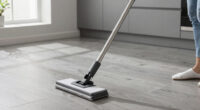
Routine cleaning, preventative measures, and involving kids in chores make maintaining a clean kitchen floor manageable. Using safe products and quick cleanup tools prevents messes from becoming a headache.
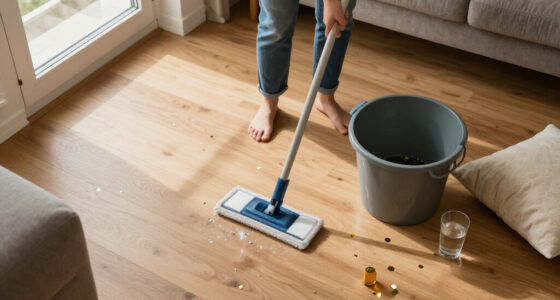
Routine cleaning, including quick daily sweeps and weekly mops, keeps dirt from piling up.
Use non-toxic, child-safe cleaners and test surfaces before steam or chemical cleaning.
Place washable mats at entrances and designate specific zones to contain messes.
Involve kids in age-appropriate chores to teach responsibility and reduce mess.
Respond immediately to spills with quick cleanup tools to avoid stains and sticky residues.
Create a Cleaning Routine Kids Can Actually Follow
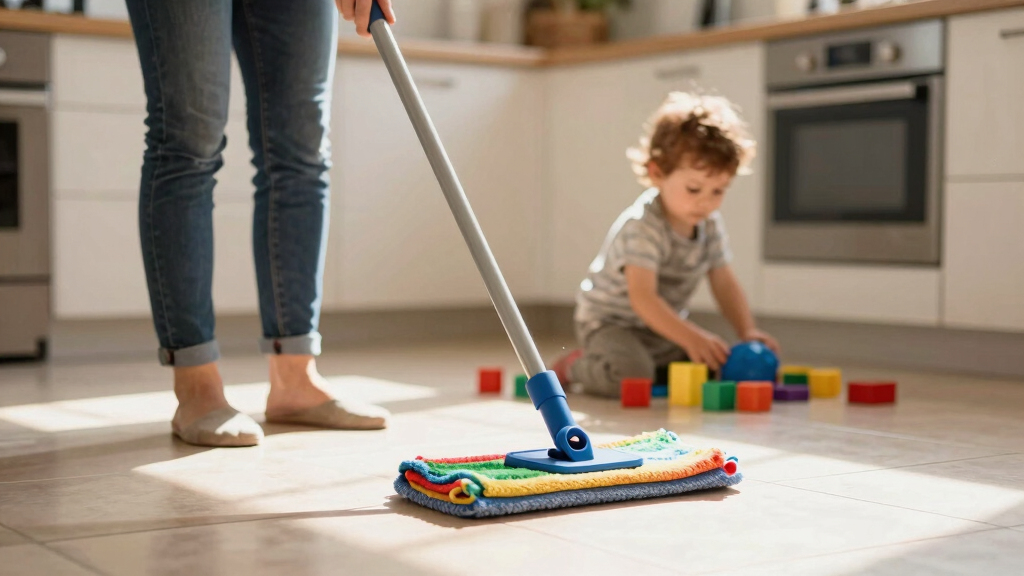
Establishing a consistent cleaning schedule keeps crumbs and spills from piling up. For example, a quick sweep after dinner and a mop every Sunday morning make a big difference. When kids know what to expect, they’re more likely to help without fuss. Turn cleaning into a family ritual, with each person having simple tasks, like wiping the table or sweeping crumbs.
Using visual charts or timers can make routines engaging. Think of it as turning chores into a game—a race against the clock or a sticker chart for completed tasks. This habit not only keeps floors tidy but also teaches kids responsibility. Plus, it saves you from scrubbing stubborn stains every weekend.
As an affiliate, we earn on qualifying purchases.
Choose Safe, Kid-Friendly Cleaning Products to Protect Little Hands
Kitchen floors get dirty fast — spills, crumbs, sticky messes. Using non-toxic, eco-friendly cleaners ensures children aren’t exposed to harmful chemicals. Look for labels that say ‘biodegradable’ and ‘free from ammonia or bleach’.
For example, a mild vinegar-water solution works well on vinyl and laminate floors without risking your kid’s health. Always test a hidden corner first—especially on delicate surfaces like hardwood or laminate—to avoid damage. When in doubt, stick with products designed specifically for household use around children.
Choosing the right cleaning products isn’t just about safety; it also impacts how effective your cleaning is. Many chemical cleaners may promise a quick shine but can leave residues that are harmful to sensitive skin or respiratory health, especially for young children who crawl and put things in their mouths. Therefore, understanding product labels and opting for gentle, effective solutions ensures a safe environment while maintaining cleanliness.
washable entrance mats for kitchen
As an affiliate, we earn on qualifying purchases.
As an affiliate, we earn on qualifying purchases.
Smartly Prevent Dirt and Spills Before They Happen
Prevention is your best friend. Place washable mats at the doorway to trap dirt and moisture—think of them as the first line of defense. Encourage kids to remove shoes before entering the kitchen; it’s as simple as making it a family rule.
Designate specific zones for eating and playing. For example, a small table in the corner keeps food messes contained. This way, you can focus cleaning efforts on high-traffic spots and reduce overall grime.
Imagine a busy Saturday: kids track in muddy footprints from outside. A quick wipe on the entry mat, and the mess stays outside or on the rug, not the entire floor.
Implementing these preventative measures is crucial because it reduces the frequency and intensity of cleaning needed. When dirt and spills are caught at the source, it minimizes the risk of stains setting in or surfaces becoming permanently damaged. It also teaches children early about the importance of keeping their environment tidy, which can lead to lifelong habits of cleanliness and responsibility. The tradeoff, however, is that these measures require consistency and buy-in from the whole family—if not enforced regularly, the benefits diminish.
As an affiliate, we earn on qualifying purchases.
Teach Kids How to Keep the Floor Cleaner, Not Just Clean It
Involving children in small cleaning chores makes a difference. Simple tasks like wiping up spills immediately, sweeping crumbs, or putting away utensils teach responsibility. For example, a 4-year-old can use a small broom or dustpan to clean up after snack time.
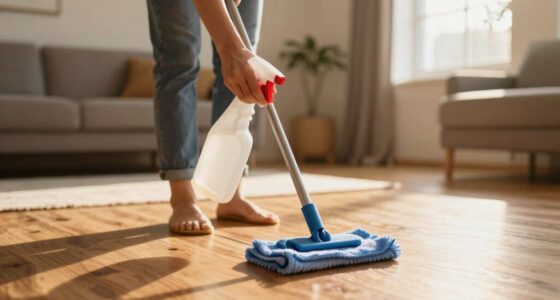
Use age-appropriate tools—like microfiber cloths or small spray bottles with water. Explain that quick responses prevent stains and sticky residues from setting in. Making cleaning a fun part of their routine helps develop good habits early.
Teaching kids to maintain a clean floor rather than just reacting to messes encourages proactive behavior. When children understand how their actions directly impact the cleanliness and safety of their environment, they are more likely to develop habits that last. This approach also reduces your workload over time, as children learn to handle minor messes independently. The tradeoff is that initial patience and guidance are necessary, and some children may need reminders or supervision to consistently perform these tasks effectively.
As an affiliate, we earn on qualifying purchases.
How to Handle Spills and Crumbs in a Flash
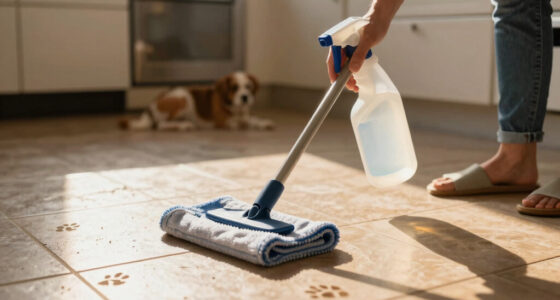
Spills happen—kids are messy, after all. Keep paper towels or microfiber cloths close to the kitchen area. When a spill occurs, act fast—blot instead of wiping to prevent spreading. For sticky syrup or juice, a quick spray of water and a wipe usually does the trick.
For example, during pancake breakfast, a spill on the floor is cleaned within seconds with a damp cloth. This quick response stops stains from setting and keeps the floor looking fresh.
Responding swiftly to spills minimizes the risk of stains becoming permanent, which can be especially frustrating when dealing with sticky or staining substances. Quick cleanup not only preserves the appearance of your floors but also reduces the likelihood of accidents, as wet or sticky spots can be hazardous. The main tradeoff is maintaining a readily accessible cleanup kit and training everyone to act promptly—delays can lead to more stubborn stains and increased cleaning effort later.
How Often Should You Mop or Deep-Clean the Kitchen Floor?
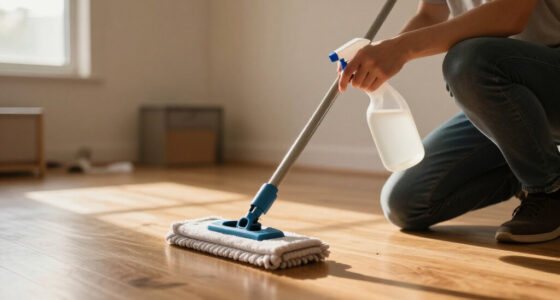
Weekly mopping keeps the kitchen looking fresh, especially in homes with kids. High-traffic kitchens or those with messy eaters might need more frequent cleaning—up to twice a week.
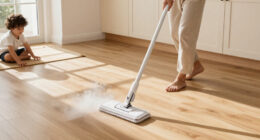
Deep-cleaning involves moving furniture or using steam mops on compatible surfaces like vinyl, tile, or sealed hardwood. For example, a steam mop can sanitize the floor without harsh chemicals, making it safer for children and better for your surfaces. Always check manufacturer guidelines before steam cleaning.
Deep cleaning not only maintains hygiene but also extends the lifespan of your flooring. Regular mopping removes surface dirt, but deep cleaning reaches into the pores and crevices, removing bacteria and stains that can cause long-term damage. The tradeoff is that deep cleaning requires more time and effort, so scheduling it periodically—monthly or quarterly—is often a practical approach.
What Mats or Rugs Help Keep Your Floor Cleaner?
Washable, absorbent mats at entry points trap dirt, mud, and moisture. Look for options with non-slip backing to prevent accidents. For example, a thick, microfiber mat at the front door can catch dirt from muddy shoes, reducing the need for frequent sweeping.
Choose easy-to-wash rugs that handle daily wear and tear. Regularly shaking or washing these mats keeps dirt from spreading across the entire kitchen floor.
Properly selected mats and rugs act as a frontline defense against dirt and moisture, which are the primary culprits of dirty floors. They reduce the frequency of deep cleaning and help maintain overall cleanliness. However, if mats are not cleaned regularly, they can become sources of dirt themselves, potentially spreading more debris. This highlights the importance of routine washing and proper placement to maximize their effectiveness and balance convenience with cleanliness.
How to Stop Kids from Tracking Dirt Into the Kitchen
Encourage removing shoes immediately upon entering. Make it a natural rule—like hanging shoes on a designated rack or in a closet. Also, designate a play area with a washable mat to contain messes from snacks or crafts.
Maintain a regular cleaning routine—sweeping or vacuuming daily during busy weeks keeps dirt from accumulating. For example, a quick 5-minute sweep in the evening can prevent crumbs from spreading and making the floor look dirty.
Implementing consistent routines like shoe removal and designated play zones helps reduce the overall dirt tracked into your kitchen. These habits are effective because they address the root of many messes—shoes and outdoor debris. The challenge lies in enforcement; children may resist or forget, so gentle reminders and making it part of daily habits are necessary for sustained success. The benefit, however, is a noticeably cleaner floor and less frequent intensive cleaning sessions.
Frequently Asked Questions
What are the safest cleaning products to use around kids?
Look for products labeled non-toxic, biodegradable, and free from harsh chemicals like ammonia or bleach. Vinegar-water solutions or steam cleaning are safe options that effectively sanitize without risking your child’s health.
How can I teach my kids to help keep the kitchen floor clean?
Start with simple tasks like wiping up spills immediately, sweeping crumbs, or putting away utensils. Use fun charts or timers to motivate them, turning chores into a positive part of their routine.
What’s the best way to handle spills when kids are involved?
Keep paper towels or microfiber cloths nearby. Act quickly—blot spills instead of wiping to prevent spreading. For sticky messes, a quick spray of water and a wipe usually does the trick.
How often should I deep-clean the kitchen floor?
Deep-clean at least once a month, or more if you have high traffic or messy eaters. Steam mops can sanitize surfaces safely, but always follow manufacturer instructions for your flooring type.
Are there specific mats that help keep floors cleaner?
Yes, washable, absorbent mats with non-slip backing at entry points trap dirt and moisture effectively. Regular washing keeps them effective and your floors cleaner.
Conclusion
Keeping your kitchen floor clean with kids around is all about smart habits, simple tools, and a little teamwork. Turn chores into quick, fun routines, and you’ll find your floors stay cleaner longer. Remember—clean floors aren’t just about looks, they’re about safety and peace of mind in your busy home.Halloween Picks
halloween
As an affiliate, we earn on qualifying purchases.