TL;DR

Get cleaning gear delivered free with Prime
- Fast, free delivery on millions of items
- Prime Video, Amazon Music and more included
- Member-only deals all year
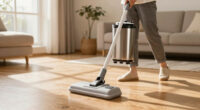
Steam mopping might seem quick and effective, but it can damage click-lock vinyl if not used cautiously. Always follow manufacturer advice and opt for gentle cleaning methods to protect your floors.
Imagine scrubbing your vinyl floor with the power of steam, only to see it warp or swell. That’s a common worry for homeowners who want a clean, germ-free surface but fear damaging their investment. If you’ve ever wondered whether steam mopping is safe for click-lock vinyl, you’re not alone. Many people ask if that hot, steamy cleaning tool will ruin their floors or keep them looking new. In this guide, you’ll learn what to watch out for, how to clean safely, and what the latest research says about steam and vinyl.
Whether you’re dealing with luxury vinyl planks or tiles, understanding the risks and best practices can save you from costly repairs or warranty issues. You’ll discover practical tips to keep your floors spotless without risking warping, delamination, or seam separation. Ready to find out if steam mopping is a friend or foe to your vinyl floors? Let’s get started.
Always check your flooring manufacturer’s care instructions before using a steam mop.
Perform a small test spot and wait 24 hours to see if damage occurs before full cleaning.
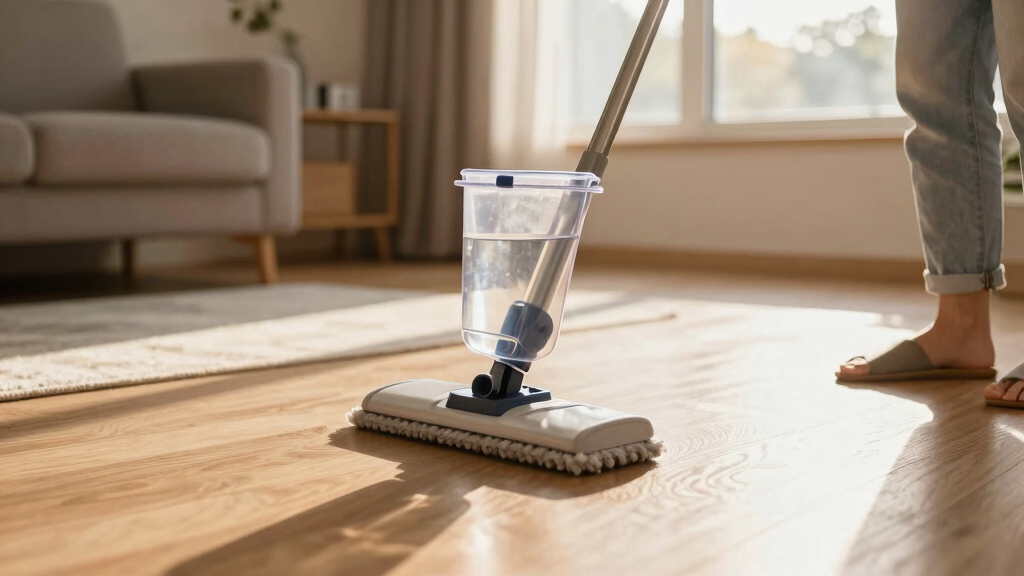
Use a damp microfiber mop with water or vinyl-safe cleaner for safer cleaning.
Adjust steam settings to the lowest possible if your floor is rated for steam cleaning.
Excessive heat and moisture can weaken adhesive bonds, causing warping or seam separation.
Is Steam Mopping Safe for Click-Lock Vinyl?
Usually, no—unless the flooring manufacturer explicitly approves it. High heat and driven moisture can enter seams, stress layered construction, weaken adhesive bonds and leave damage that only appears later.
Manufacturer approval comes first. If steam is permitted, use the lowest output, keep moving and test a hidden area before cleaning the entire floor.
Wait after a hidden test spot before judging the result.
Low moisture, no standing water and no added heat.
The combination can stress seams and layered materials.
Warping, delamination and seam separation.
Care guidance and warranty terms outrank mop claims.
A thoroughly wrung microfiber mop is the safer choice.
A tough surface can still have vulnerable seams.
Click-lock LVP and LVT use layered PVC construction and a tightly joined edge system. The surface may resist everyday spills, but that does not mean pressurized vapor can safely dwell at every joint or penetrate beneath the planks.
Warping
Concentrated heat may cause planks or tiles to distort, especially when a hot mop pauses in one place. Raised edges can become visible weeks after repeated cleaning.
Delamination
Heat and moisture can weaken bonds between flooring layers. Once separation begins, the affected material may bubble, peel or lose structural stability.
Seam separation
Vapor entering click-lock joints can encourage swelling or movement beneath the surface. The result may be lifted edges, gaps or compromised locks.
Steam introduces concentrated heat and moisture.
Joints and edges become likely entry points.
Layers, locks or adhesive areas may soften.
Edges lift, layers split or planks distort.
Can your floor handle steam?
Start with the flooring documentation—not the steam mop packaging. A mop marketed for “hard floors” is not automatically approved for your particular click-lock system.
If the instructions say “no steam,” stop there. Ignoring that restriction can damage the floor and may affect warranty coverage.
Look for explicit wording covering steam, heat and powered cleaning tools.
Guidance may differ by collection, core construction and locking system.
Use the lowest approved setting, then inspect the area immediately.
Check for edge lift, swelling, buckling, haze or layer separation.
Use minimal steam, short passes and constant movement—never prolonged dwell.
Steam mopping vs. damp mopping
For everyday maintenance, damp microfiber delivers the more forgiving moisture profile. Steam may sanitize with heat, but its higher temperature and seam-penetration risk make it unsuitable unless specifically approved.
| Feature | Steam mopping | Damp microfiber mopping |
|---|---|---|
| Heat exposure | ✗High; may stress vinyl layers and joints | ✓Low; warm or cool water is sufficient |
| Moisture control | ~Varies by output, dwell time and mop design | ✓Easy to control by thoroughly wringing the pad |
| Seam risk | ✗Vapor can reach click-lock joints | ✓Lower when puddles and oversaturation are avoided |
| Warranty fit | ~Only when the flooring maker explicitly allows it | ✓Commonly aligned with routine care guidance |
| Cleaning speed | ✓Fast passes and heat-assisted cleaning | ✓Simple setup with no heating delay |
| Best use | ~Occasional, cautious use on approved products | ✓Regular cleaning for most click-lock vinyl |
✓ preferred or lower risk ✗ elevated concern ~ conditional on product guidance and technique
A low-moisture routine protects the finish.
The goal is to lift dirt without forcing water into joints. Gentle products, a well-wrung pad and prompt drying preserve the surface while reducing the conditions associated with swelling and separation.
The four-step clean
A practical routine for LVP and LVT click-lock floors.
Vacuum on a hard-floor setting or sweep with a soft broom.
Use water with a small amount of manufacturer-approved vinyl cleaner.
It should feel damp, never saturated or dripping.
Work in sections, avoid puddles and wipe remaining moisture if needed.
Relative care profile
Qualitative comparison based on the cleaning characteristics described.
From product guidance to a protected floor
Confirm the flooring maker’s rule.
Identify prohibited cleaning methods.
Use a hidden area and minimal moisture.
Watch for delayed material changes.
Default to damp microfiber when unsure.
Frequently asked questions
Click-lock vinyl products vary, so a universal “steam-safe” claim is unreliable. These answers provide a cautious starting point, but the exact product documentation remains decisive.
Is a steam mop safe on vinyl flooring?
Not by default. Most cautious guidance is to avoid steam unless the flooring manufacturer explicitly permits it.
Can steam damage click-lock joints?
Yes. Excess heat and moisture may enter seams, weaken bonds, lift edges or contribute to plank distortion.
What is the safest regular method?
A damp microfiber mop. Use water or a vinyl-safe cleaner, wring thoroughly and avoid standing moisture.
Do adjustable steam mops solve the problem?
Not automatically. Lower output can reduce exposure, but it does not override flooring restrictions or warranty terms.
How do I test an approved steam method?
Choose a hidden spot. Make a brief pass on the lowest setting, then inspect immediately and again after 24 hours.
What warning signs should I watch for?
Stop if you see change. Look for raised seams, swelling, buckling, haze, gaps, curling or layer separation.
When in doubt, leave the steam off.
Click-lock vinyl rewards gentle maintenance. Low moisture, soft microfiber and an approved cleaner can preserve the floor’s appearance without introducing unnecessary heat or warranty risk.
What Makes Click-Lock Vinyl Floors Sensitive to Steam?
Click-lock vinyl floors are designed to be durable and easy to install, but moisture and heat can still cause trouble. These floors are made of layers of PVC with a protective wear layer. The tight locking system holds the planks or tiles together, but it’s not entirely waterproof.
When you introduce high heat and moisture from a steam mop, you risk softening the adhesive or warping the planks. Think of it like a glue that’s exposed to too much heat — it can weaken and cause seams to lift. And if water seeps into the seams or beneath the surface, it can cause swelling or delamination over time.
For example, a homeowner used a steam mop on their vinyl plank flooring, only to notice warping after a few weeks. That’s because the heat softened the adhesive and caused the planks to lift at the edges. It’s a common scenario that highlights why caution matters.
microfiber floor mop for vinyl floors
As an affiliate, we earn on qualifying purchases.
As an affiliate, we earn on qualifying purchases.
How to Tell If Your Vinyl Flooring Can Handle Steam
The first step? Always check your flooring manufacturer’s instructions. Some brands now specify that their vinyl floors are steam-cleanable, but many still advise against it. Look for care labels or warranty info, which often include cleaning tips.
If you’re unsure, perform a quick test: dampen a microfiber cloth, run a low-steam setting on your mop, and gently clean a hidden corner. Wait 24 hours to see if any warping or swelling occurs. If it stays flat and intact, mild steam might be okay — but if you notice issues, stick to traditional cleaning methods.
For example, a homeowner tested a small area, and after a day, saw no damage. They then used a damp microfiber mop for regular cleaning, avoiding any risk of damage from steam.
As an affiliate, we earn on qualifying purchases.
The Risks of Using a Steam Mop on Click-Lock Vinyl Floors
Steam mops can cause warping, delamination, and seam separation if misused. The heat and moisture can weaken or soften the layers of vinyl, especially in seams and glued areas.
In one case, a homeowner used a steam mop daily on their vinyl planks. Over a few months, they noticed seams lifting and some planks swelling. That’s because the heat penetrated beneath the surface and disrupted the adhesive bonds.
Research from independent sources confirms that excessive steam can damage vinyl floors, especially when used without caution. The damage isn’t always obvious immediately, which makes it easy to overlook until costly repairs are needed.
Bottom line: high heat plus moisture isn’t a safe combo unless the flooring is specifically rated for it.
steam mop with adjustable settings
As an affiliate, we earn on qualifying purchases.
As an affiliate, we earn on qualifying purchases.
Best Cleaning Methods for Click-Lock Vinyl Floors (That Won’t Damage Them)
The safest way to keep your vinyl floors looking fresh? Use a microfiber mop dampened with water or a vinyl-specific cleaner. No heat, no steam — just gentle cleaning that preserves the integrity of the surface.
Here’s a simple routine:
- Fill a bucket with warm water and add a few drops of a vinyl-safe cleaner.
- Dampen a microfiber mop, wring it out thoroughly.
- Gently wipe the floor, avoiding puddles or excess moisture.
- Dry with a clean cloth if needed to prevent streaks or water spots.
For instance, a homeowner swore by this method after a bad experience with steam. Their floors stayed shiny and intact for years.
Just remember: avoid harsh chemicals, and don’t oversaturate the surface.
click-lock vinyl floor care products
As an affiliate, we earn on qualifying purchases.
As an affiliate, we earn on qualifying purchases.
Quick Comparison: Steam Mopping vs. Damp Mopping for Vinyl
| Feature | Steam Mopping | Damp Mopping |
|---|---|---|
| Moisture Level | High heat and moisture, risk of over-saturating | |
| Safety for Vinyl | Potential damage unless specified safe | |
| Ease of Use | Quick, sanitizes with heat | |
| Surface Compatibility | Varies, check manufacturer | |
| Best for | Deep cleaning if safe, with caution |
What You Need to Know Before Using a Steam Mop
Before you crank up that steam cleaner, remember: not all vinyl floors are the same. Manufacturer instructions are your best guide. If they say ‘no steam,’ respect that. If they say ‘yes,’ proceed with caution — low steam, short sessions, and testing first.
Using a steam mop on vinyl without confirming safety can lead to warping, seam separation, or even voiding your warranty. Think of it like checking the recipe before baking — a small step that saves a lot of trouble.
Frequently Asked Questions
Is it safe to use a steam mop on vinyl flooring?
Most manufacturers recommend avoiding steam mops unless their instructions specify it’s safe. Moisture and heat can cause warping or delamination if not carefully controlled.Can steam mops damage click-lock vinyl floors?
Yes, if used improperly or with excessive steam, they can weaken seams, cause warping, or lift planks. Always test first and follow manufacturer advice.What’s the safest way to clean vinyl floors?
Use a microfiber mop dampened with water or a vinyl-safe cleaner. Avoid high heat and excess moisture to preserve the floor’s integrity.Are there steam mops designed for vinyl floors?
Some newer models have adjustable steam settings and sealed systems that may be safer, but check with your flooring’s manufacturer first.How can I tell if my vinyl floor is safe for steam cleaning?
Check the manufacturer’s guidelines. If unsure, perform a small test spot and watch for any signs of damage over 24 hours.Conclusion
If your vinyl flooring isn’t explicitly rated for steam cleaning, it’s safer to stick with damp mopping. The vibrant shine of your floors depends on gentle cleaning methods that respect their construction. A quick test and careful approach protect your investment and keep your floors looking stunning for years.
Remember: when in doubt, err on the side of caution. Think of steam mops as a powerful tool — effective but potentially risky. Treat your vinyl floors with respect, and they’ll reward you with lasting beauty.
Fall Picks
fall essentials
As an affiliate, we earn on qualifying purchases.