TL;DR

Get cleaning gear delivered free with Prime
- Fast, free delivery on millions of items
- Prime Video, Amazon Music and more included
- Member-only deals all year
Microfiber pads are gentle and great for regular cleaning, while scrubbing pads tackle stubborn dirt and grime. Use microfiber for delicate surfaces and scrubbing pads for deep cleaning when needed.
Ever grabbed a steam mop and wondered if your pad choice really makes a difference? Turns out, it does. The type of pad you use can either protect your floors or turn them into a stubborn mess.
In this guide, you’ll learn exactly when to reach for microfiber and when to switch to scrubbing pads. Making the right choice saves time, avoids surface damage, and keeps your floors looking their best.
Use microfiber pads for daily cleaning on delicate surfaces to avoid scratches.
Switch to scrubbing pads only when facing stubborn, baked-on grime or sticky residues.
Always test a hidden area first to prevent surface damage from abrasive pads.
Microfiber pads last longer and are safer on soft floors, but scrubbing pads are more effective for heavy-duty messes.
Match your pad choice to the type of dirt and the surface for best results.
What Are Microfiber and Scrubbing Pads? Here’s the Difference in a Nutshell
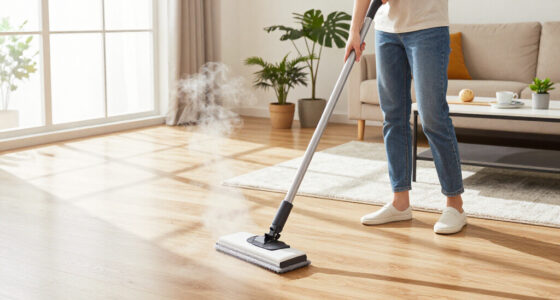
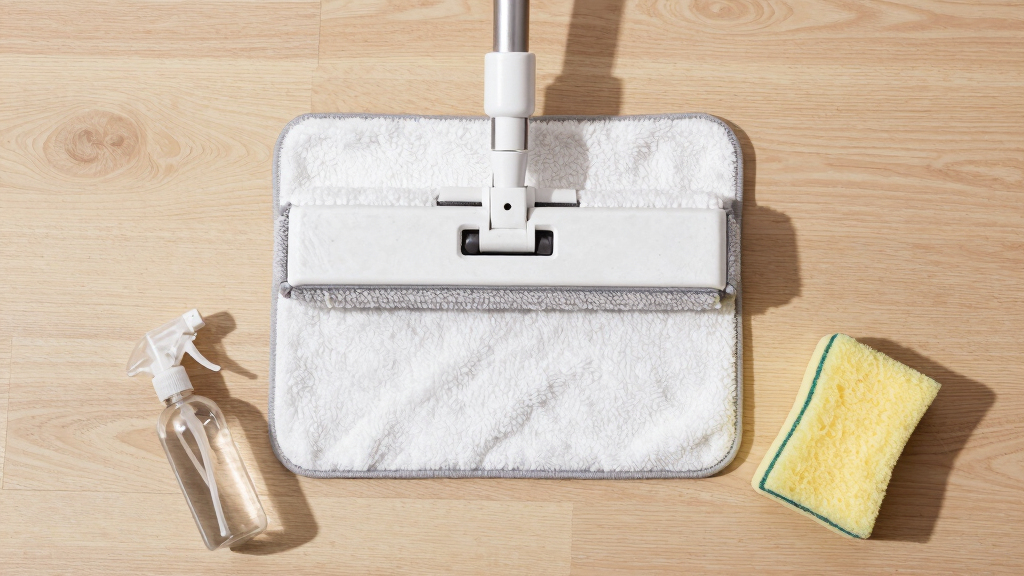
Microfiber pads are soft, plush, and weave tiny fibers that trap dirt and dust without scratching. They’re like a gentle breeze over your floors. Scrubbing pads, on the other hand, are tougher, often with textured surfaces or coarse fibers designed to tackle stubborn grime.
Imagine wiping a kitchen countertop versus scrubbing a stubborn stain on your tile. That’s the core difference—gentle cleaning versus deep scrubbing.
As an affiliate, we earn on qualifying purchases.
When Microfiber Pads Are Your Best Friend
Microfiber pads shine on delicate surfaces like laminate, hardwood, and vinyl. They’re perfect for everyday cleaning, capturing dust, and light spills. For example, after vacuuming, a microfiber pad can wipe away residue without risking scratches.
If your floors have a matte finish or are prone to scratches, microfiber is your safe choice. They’re also gentle enough to be used frequently, preventing buildup of dirt and grime over time.
Choosing microfiber also means less risk of damage if you accidentally use too much pressure or cleaning solution, as their soft fibers distribute force evenly and minimize scratches. This makes them ideal for regular maintenance, where the goal is to keep surfaces clean without altering their finish.
Furthermore, microfiber pads are designed to trap microscopic particles, which means they can effectively remove allergens and bacteria, contributing to a healthier home environment. However, their effectiveness depends on proper maintenance—regular washing prevents the buildup of trapped dirt that can reduce their cleaning power over time.
As an affiliate, we earn on qualifying purchases.
When Scrubbing Pads Save the Day
Scrubbing pads are your go-to for stubborn stains or sticky residues. Think of a spilled cup of juice on tile or a caked-on patch of grease on vinyl. They’re designed to provide extra abrasion, breaking down grime that microfiber can’t handle alone.
Using a scrubbing pad allows you to apply targeted pressure to loosen and lift tough dirt, which is essential for deep cleaning tasks. For example, dried mud on textured stone or baked-on food in the oven can only be effectively removed with abrasive action. However, this power comes with a risk: excessive or improper use can scratch or damage softer surfaces. Therefore, it’s important to assess the surface’s durability before opting for a scrubbing pad.
In some cases, the abrasive nature of scrubbing pads can strip delicate finishes or leave micro scratches that accumulate over time, dulling the surface. This can lead to a cycle where you need to use more aggressive cleaning methods to restore appearance, potentially damaging the surface permanently. Therefore, understanding the balance between effective cleaning and surface preservation is key. Use scrubbing pads selectively, and consider testing on a small, inconspicuous area first to evaluate potential damage.
Additionally, the abrasive action can sometimes remove a protective coating or sealant, leading to increased vulnerability to future stains or damage. Recognizing these tradeoffs helps in making informed decisions—reserving scrubbing pads for truly tough messes and softer pads for routine maintenance.
As an affiliate, we earn on qualifying purchases.
A Side-by-Side Comparison: Microfiber vs Scrubbing Pads
| Feature | Microfiber Pads | Scrubbing Pads |
|---|---|---|
| Surface Safety | Very safe on most surfaces, especially delicate ones | Can scratch softer surfaces if used aggressively |
| Cleaning Power | Great for dust, light spills, and regular grime | Excellent for heavy, baked-on, or sticky grime |
| Durability | Lasts 50+ uses with proper care | Typically shorter lifespan, especially if used heavily |
| Surface Compatibility | Best on laminate, hardwood, vinyl, LVP | Use cautiously on softer surfaces; ideal for tile, stone |
| Ease of Use | Lightweight, easy to glide | More effort needed for deep scrubbing |
heavy-duty cleaning steam mop pads
As an affiliate, we earn on qualifying purchases.
As an affiliate, we earn on qualifying purchases.
How to Choose the Right Pad for Your Floor
Picking the right pad depends on your floor type and mess. Here’s a quick process:
- Assess your surface: Is it delicate or textured?
- Identify the mess: Light dust, spills, or heavy grime?
- Match to pad: Use microfiber for gentle, daily cleaning; switch to scrubbing for tough spots.
- Test first: Always try a hidden area before full use.
For example, a quick wipe with microfiber might be perfect after a dinner party. But if you spill red wine and it bakes onto your tile, grab the scrubbing pad instead.
Safety Tips for Using Both Types of Pads
Using the wrong pad on the wrong surface can cause damage. Always check manufacturer instructions and test in a hidden spot first.
For delicate floors, stick with microfiber and avoid excessive pressure. When using scrubbing pads, apply gentle pressure and limit use to areas with stubborn grime.
Think of your floors as skin—too much scrubbing or harsh material can cause microtears or scratches.
Frequently Asked Questions
Can I use a scrubbing pad on hardwood floors?
It’s best to avoid scrubbing pads on hardwood floors unless they are very tough and your manufacturer says it’s safe. Using an abrasive pad can scratch or damage delicate finishes. Always test first or stick with microfiber for daily cleaning.
How often should I replace my microfiber pads?
Replace microfiber pads when they show signs of wear, fraying, or no longer pick up dirt effectively. Typically, with proper care, they last 50+ uses. Wash frequently and inspect before each use.
Are scrubbing pads reusable?
Many scrubbing pads are reusable if they’re made from durable materials. Rinse thoroughly after use, and avoid using on easily scratched surfaces. Replace when they become too worn or torn.
Should I use both pads during a single cleaning session?
Yes. Use microfiber for most of the cleaning to protect your floors, then switch to a scrubbing pad for stubborn spots. This approach saves your surfaces and makes your cleaning more efficient.
Conclusion
Choosing the right pad isn’t just about cleaning — it’s about protecting your floors and making your effort count. Microfiber is your gentle, everyday hero, while scrubbing pads are the tough guys for stubborn messes.
Next time you clean, think about the surface and the grime. Your floors will thank you with a long, scratch-free life that looks freshly polished — no matter what spills or stains come your way.
Evergreen bestsellers Picks
bestsellers
As an affiliate, we earn on qualifying purchases.