TL;DR

Get cleaning gear delivered free with Prime
- Fast, free delivery on millions of items
- Prime Video, Amazon Music and more included
- Member-only deals all year
Steam mops excel at deep cleaning and sanitizing sealed, heat-safe floors, while WetJets are better for quick, everyday spills. Your choice depends on floor type and cleaning frequency.
A steam mop offers superior deep cleaning and sanitizing for sealed, heat-safe floors, especially tile and stone.
Swiffer WetJet excels at quick, light cleaning and spills, perfect for busy daily routines and small spaces.
Floor type determines the best cleaning method; never use steam on unapproved or damaged surfaces.
Long-term costs favor steam mops with washable pads, but WetJets are cheaper upfront and more portable.
Always test cleaning methods in an inconspicuous area and follow manufacturer guidelines for safety.
Steam Mop vs Swiffer WetJet: Which Actually Wins?
There is no universal champion. Steam delivers deeper, heat-powered cleaning on compatible surfaces; WetJet delivers fast, low-effort maintenance. Your floor—not the marketing—should make the first decision.
Best for periodic work on sealed, heat-safe tile, stubborn residue, and reducing bottled chemical use.
Best for footprints, fresh spills, small spaces, and quick cleaning without a cord or heat-up period.
Manufacturer care instructions outrank convenience, speed, price, and advertised cleaning power.
Heat-powered depth or spray-and-wipe speed?
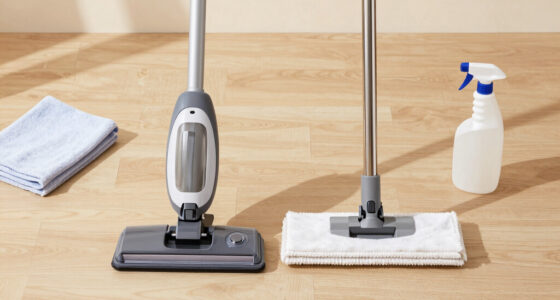
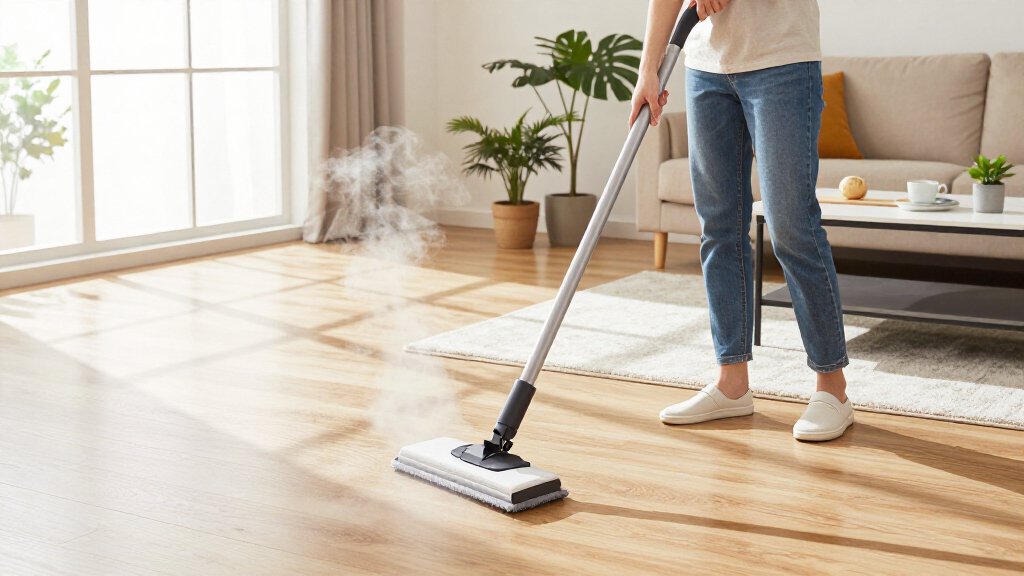
A steam mop heats water to loosen grime. A WetJet applies cleaning solution and lifts light soil with a pad. That difference shapes nearly every tradeoff.
The deep cleaner
Hot steam softens sticky, greasy, and dried-on residue. It works best after loose debris has already been vacuumed or swept away.
- More effective on stubborn grime
- Washable pads keep ongoing costs low
- Requires water, power, and heat-up time
The quick responder
A trigger-controlled spray and lightweight body make frequent spot cleaning simple, especially in kitchens, entryways, and apartments.
- Ready immediately with no heat-up
- Cordless, slim, and easy to store
- Refills, pads, and batteries add recurring cost
| Category | Steam mop | Swiffer WetJet |
|---|---|---|
| Best use | ✓ Periodic deep cleaning | ✓ Quick, frequent cleanup |
| Dried-on dirt | ✓ Usually better | ~ May need repeated passes |
| Setup | ~ Fill, plug in, heat | ✓ Attach pad and spray |
| Sanitizing potential | ~ Conditional on surface and technique | ✗ Not a steam-sanitizing system |
| Portability | ~ Cord and appliance weight | ✓ Lightweight and cordless |
| Ongoing cost | ✓ Water and washable pads | ✗ Solution, pads, batteries |
| Waste profile | ✓ Relatively low | ✗ More disposable material |
| Storage | ~ Bulkier appliance | ✓ Slim and compact |
✓ Strong advantage ~ Conditional or mixed ✗ Clear limitation
Let the floor choose the tool
Seams, damaged finishes, cracked grout, heat-sensitive coatings, and moisture-prone cores can turn a routine clean into expensive damage.
Ceramic and porcelain tile
Steam often performs well when tile, grout, and seals are intact. WetJet remains convenient for daily maintenance.
Steam advantageHardwood
Heat and moisture can enter seams or weaken finishes. A lightly applied approved solution is generally the lower-risk route.
WetJet with approvalLaminate
Many manufacturers reject steam because moisture can damage the fiberboard core. Water-resistant does not mean steam-safe.
Avoid steam unless approvedVinyl and linoleum
High heat may distort material or weaken adhesives. Use minimal liquid and prevent solution from pooling at seams.
Product-specific decisionNatural stone
Marble, limestone, and travertine can react badly to heat or general-purpose chemicals. A stone-approved cleaner may be essential.
Specialist careDamaged surfaces
Cracks, failed seals, lifting edges, and worn finishes create entry points for moisture regardless of the cleaning device.
Stop and inspectNever use steam on an unapproved, unfinished, waxed, oiled, visibly damaged, or moisture-sensitive floor. Test any method in an inconspicuous area and follow both flooring and appliance instructions.
Cleaning power depends on the mess—and the method
These scores are directional comparisons based on the documented strengths of each system, not laboratory ratings for every model or floor.
Relative task advantage
Longer bars indicate the tool with the stronger practical advantage for that task.
Sanitizing is conditional
Steam above the boiling point of water can reduce microorganisms, but contact time, temperature, surface compatibility, and technique all matter.
Slow, even passes and the manufacturer’s required contact time are essential. Steam cleaning is not sterilization and does not replace professional disinfection in healthcare or pathogen-sensitive settings.
Four steps separate clean floors from spread-around grime
Steam loosens debris; it does not vacuum it up. Preparation and controlled moisture matter with either device.
Verify
Confirm that the flooring and finish permit the selected method.
Prepare
Sweep or vacuum loose dirt so it is not pushed across the floor.
Control
Use slow steam passes or a light spray without pooling liquid.
Inspect
Check for residue, damp seams, streaking, or surface changes.
Pay more now—or keep paying for convenience?
Frequency changes the economics. Reusable pads favor steam over time, while WetJet keeps the initial purchase and physical effort low.
Higher entry, lower refill burden
$80–$200 Typical upfront rangeWater and washable microfiber pads keep recurring expenses and disposable waste relatively low.
Lower entry, recurring supplies
<$50 Typical upfront priceCleaning solution, replacement pads, and batteries can make frequent use more expensive over several years.
Convenience can compound
$150 Possible annual refillsA household cleaning three times weekly could spend about this much on WetJet supplies, versus roughly $30 for steam-mop replacement pads.
Choose a steam mop for compatible tile, periodic deep cleaning, stubborn messes, and lower long-term waste. Choose a Swiffer WetJet for approved sealed floors, fast everyday spills, compact storage, and minimal setup. If your floor’s care guide rejects either method, that method loses immediately.
What’s the core difference between a steam mop and WetJet?
Steam mops heat water into steam, which loosens dirt and kills germs with high temperatures. WetJets spray cleaning solution onto the floor and wipe with disposable or washable pads. The main difference? One uses heat and moisture for deep cleaning, the other relies on liquid solution for quick wipe-ups.
Think of a steam mop as a heat-powered scrub brush, ideal for periodic deep cleans. The WetJet is more like a spray-and-wipe assistant, perfect for daily spills and light dirt. Both have their place, but understanding their core mechanics helps you decide which matches your cleaning style.
As an affiliate, we earn on qualifying purchases.
How do their cleaning powers really compare?
| Feature | Steam Mop |
|---|---|
| Best use | Deep cleaning, grout, stubborn stains |
| Cleaning method | Hot steam loosens grime, kills germs |
| Surface compatibility | Sealed, heat-safe floors like tile, sealed hardwood (with caution) |
| Ease of use | Requires setup, waiting for heat |
| Sanitizing | Potential, if used as directed on compatible surfaces |
| Feature | Swiffer WetJet |
|---|---|
| Best use | Quick, light cleaning, spills |
| Cleaning method | Spray solution + disposable pad |
| Surface compatibility | Sealed floors, including vinyl and certain hardwoods |
| Ease of use | Very fast, no heat-up needed |
| Sanitizing | Limited, depends on solution used |
As an affiliate, we earn on qualifying purchases.
Which floors love a steam mop? Which prefer the WetJet?
Floor type is king here. For ceramic, porcelain, and sealed tile, a steam mop often offers a more thorough, heat-assisted clean. It can loosen grime in grout lines and disinfect with proper technique. But beware of cracked grout or unsealed areas, where moisture can cause damage or mold growth.
For hardwood, the WetJet often wins because it’s less risky. When floors are properly sealed, a quick spray and wipe maintain shine without the danger of warping or swelling. Laminate floors are trickier—many manufacturers advise against steam due to moisture infiltration that can damage the core. Linoleum and vinyl also require careful attention; excessive heat or liquid might distort or weaken them.
Natural stone surfaces like marble or travertine are generally not suited for either method unless specifically approved, due to sensitivity to heat and chemicals. Always check your flooring’s care guide before choosing your cleaning weapon.
As an affiliate, we earn on qualifying purchases.
Does a steam mop really sanitize floors? Or is that just marketing?
Steam mops can reduce bacteria and germs on certain surfaces, but only if used correctly. The high temperature of the steam — usually above 212°F — can kill many microorganisms. However, achieving a true sanitizing effect requires enough contact time and proper technique. A quick pass often isn’t enough.
Why does this matter? Because many people assume steam cleaning is a sterilization shortcut, but in reality, it’s a process that depends heavily on how thoroughly and correctly you use the device. Inadequate application may leave bacteria alive, giving a false sense of cleanliness. Conversely, when used properly, steam can be a powerful adjunct to regular cleaning, helping reduce microbial load without chemicals.
This means understanding the limitations and benefits: steam is effective at reducing bacteria significantly but is not a substitute for professional disinfection when dealing with pathogens or in healthcare environments. Proper technique—slow, even passes and adequate contact time—is crucial to maximize sanitization benefits.
electric steam mop for deep cleaning
As an affiliate, we earn on qualifying purchases.
As an affiliate, we earn on qualifying purchases.
How well do they clean greasy, dried-on messes?
Steam mops excel at softening and loosening greasy or dried-on residues. The heat melts away stubborn grime, making it easier to wipe clean. But you must pre-sweep or vacuum loose dirt first — steam doesn’t pick up debris, it loosens it. This step is crucial because if you don’t remove loose dirt, the steam might just spread the grime around, reducing cleaning effectiveness and potentially causing streaks or residue.
In a real-life example, a homeowner faced a layer of baked-on spaghetti sauce on a tile kitchen floor. A quick vacuum, then a few minutes with the steam mop, softened the sauce enough to wipe away easily. The heat not only loosened the dried-on mess but also helped break down oils, resulting in a cleaner, streak-free surface without harsh chemicals. This highlights how heat can be a powerful tool for tackling stubborn, greasy residues, but only when combined with proper prep.
The WetJet also handles greasy spills, but it’s better suited for light, recent stains. Heavy, baked-on grime might require multiple passes or a dedicated degreaser. For floors with deep-seated stains, combining methods—like scrubbing grout or applying a degreasing cleaner—may be necessary to achieve optimal results.
Understanding these tradeoffs helps you choose the right approach: heat and moisture for stubborn grime, and lighter solutions for routine maintenance.
What about costs? Which saves money over time?
A steam mop has a higher upfront price — usually $80 to $200 — but uses only water and washable pads. Over years, you save on disposable pads and chemicals. Reusable microfiber pads last for dozens of washes, making it a more sustainable choice financially. The initial investment can be offset by the reduced ongoing expenses, especially if you prioritize eco-friendly and long-lasting accessories.
In contrast, the WetJet’s initial cost is lower — often under $50 — but recurring expenses add up over time. You’ll buy proprietary cleaning solutions, disposable pads, and batteries. For frequent cleaning, these costs can outpace a steam mop’s expenses within a few years, especially if you prefer convenience over sustainability.
For example, a household using the WetJet three times a week might spend an extra $150 annually on refills and pads, compared to a steam mop’s $30 on replacement pads. While the WetJet is cheaper initially, the cumulative cost of disposables and solutions can make it more expensive long-term. Your cleaning habits, floor size, and environmental priorities influence which option is more economical over time.
What’s greener — reusable pads or disposable solutions?
Steam mops generally produce less waste. They rely on washable pads and minimal chemicals, making them more eco-friendly. Regularly washing pads in cold water and reusing them reduces the environmental footprint, especially when done in bulk. This sustainable approach minimizes plastic waste and chemical runoff, aligning with eco-conscious values.
The WetJet’s disposable pads and solution bottles generate more waste. While some third-party pads are reusable, their fit and durability vary, and frequent disposal adds to landfill burden. The environmental impact depends heavily on how often you replace pads and bottles, and whether you choose eco-friendly refills. Opting for biodegradable or refillable options can mitigate some impacts but doesn’t eliminate waste entirely.
In a real-world example, a family that washes and reuses microfiber pads reduces household waste significantly, while a household relying on disposable pads and single-use bottles produces dozens of plastic waste items annually. The choice hinges on your commitment to sustainability and willingness to manage reusable materials.
How user-friendly are each of these tools?
The WetJet shines in convenience. It’s lightweight, cordless, and ready to go in seconds. Perfect for quick cleanups — footprints, spills, pet messes. No waiting for it to heat up, just spray and wipe. Its simple design minimizes setup time, making it accessible for users of all ages and skill levels.
Steam mops need more prep: filling the tank, waiting for it to heat, maneuvering a cord. They also require maintenance—washing pads, descaling mineral buildup, managing heat safety. However, newer models with quick heat-up times, detachable tanks, and swivel heads are making them more manageable and user-friendly. While initially more involved, their versatility for deep cleaning can outweigh the extra effort for many users.
Example? A busy parent appreciates grabbing the WetJet for quick kitchen messes, while the weekend warrior prefers the thoroughness of a steam mop for deep cleans on weekends. The choice depends on your cleaning routine and how much effort you’re willing to invest for long-term benefits.
Safety tips for using steam mops and WetJets
Always follow manufacturer instructions. Never use steam on floors that don’t explicitly permit it. Keep the device away from children, pets, electrical outlets, and delicate furnishings. Wait for floors to dry before walking on them. Proper handling prevents burns, damage, or electrical hazards.
Vacuum or sweep first to avoid scratching. Test in a hidden spot to check for damage or discoloration. Do not add vinegar, bleach, or other additives unless approved. Use proper pads, and never leave a hot mop stationary. These precautions safeguard your floors and household members from potential harm or damage.
For WetJets, keep cleaning solution out of reach, and avoid over-spraying. Replace pads when dirty or saturated. Let floors dry completely before pets or kids walk on them to prevent slipping or residue contact. Following these safety measures ensures effective cleaning while minimizing risks.
Latest trends and what to look for in a good cleaner
Recent innovations include adjustable steam levels, faster heat-up times, and detachable handheld steam units. Many now feature washable microfiber pads designed for different cleaning tasks. Spray mops are improving steering and adding features like headlights and specialized pads. These advancements enhance usability, efficiency, and versatility, making cleaning less of a chore.
Consumers are also more interested in eco-friendly solutions, reusable pads, and products that won’t void flooring warranties. Manufacturers are responding by offering greener options and more durable materials. Always check your floor’s care instructions before buying, and look for a cleaner that matches your cleaning habits and surface needs. The right features can save time, reduce waste, and extend your flooring’s lifespan.
For example, a homeowner with a large tile space benefits from a steam mop with adjustable steam and a quick heat-up, making deep cleaning easier without multiple passes. Staying informed about these trends helps you select a device that aligns with your priorities and keeps your cleaning routine efficient and eco-conscious.
Overall: Which one wins?
The choice depends on your flooring, cleaning frequency, and environmental values. For deep, periodic cleaning, a steam mop is often the better investment. It sanitizes, loosens grime, and reduces waste with washable pads. Its ability to disinfect and handle stubborn stains makes it suitable for those who prioritize thoroughness and eco-friendliness.
For quick, daily touch-ups and convenience, the WetJet is hard to beat. It’s lightweight, cordless, and fast, making it ideal for busy households. But keep in mind, ongoing costs and waste might add up if you rely on disposable solutions. Its portability and ease of use make it perfect for small messes and frequent use, especially in homes with pets or children.
Many households find that combining both tools — a WetJet for daily spills and a steam mop for deep cleans — offers the best of both worlds. The key is to match each method to your specific needs and flooring type, balancing convenience, cost, and environmental impact.
What should you do now?
Start by checking your flooring’s care instructions. If your floors are sealed tile or stone, a steam mop can deliver deep cleaning with less chemical use. For hardwood, laminate, or sensitive surfaces, a WetJet may be safer for regular maintenance. Understanding your floor type ensures you choose the most suitable tool, preventing damage and prolonging lifespan.
Test a small area with whichever device you choose. Watch for warping, discoloration, or residue. This step verifies compatibility and helps you learn proper technique. Remember: regular sweeping or vacuuming first keeps your floors scratch-free and makes any cleaning method more effective. Choose wisely — your floors will thank you for it.
Frequently Asked Questions
Can I use a steam mop on hardwood floors?
Generally, no. Most hardwood floors aren’t designed to withstand the heat and moisture of steam cleaning. Always check your floor’s manufacturer instructions and test in a hidden spot first.Is Swiffer WetJet safe for sealed hardwood?
It can be, if the hardwood is properly sealed and the manufacturer approves the solution. Avoid using on unfinished, waxed, or damaged wood to prevent warping or discoloration.Which cleans better: steam or WetJet?
Steam is better at loosening stubborn grime and providing sanitization on compatible surfaces. WetJet is faster and easier for light, everyday spills, especially on sealed floors.Does a steam mop kill bacteria?
It can significantly reduce bacteria when used properly on suitable surfaces, but it’s not a substitute for disinfectants or professional sterilization when needed.Will WetJet leave a sticky film?
It’s possible if too much solution is used or if the floor isn’t cleaned with fresh pads. Use sparingly, and replace pads promptly for best results.Conclusion
Choosing the right floor cleaner isn’t about hype — it’s about matching your floor’s needs with your cleaning style. A steam mop can transform stubborn grime into sparkling cleanliness, but it’s not for every surface. The WetJet offers instant convenience but at a recurring cost. The smart move? Use each tool where it shines, and keep your floors healthy and happy for years to come.Halloween Picks
halloween
As an affiliate, we earn on qualifying purchases.