TL;DR
Listen free for 30 days with Audible
Thousands of audiobooks and originals — cancel anytime.
Start your free trialAs an affiliate, we earn on qualifying purchases.
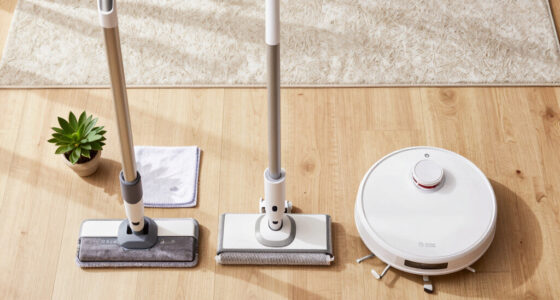
Steam mops excel at chemical-free, deep cleaning and sanitizing, while robot mops offer hands-free convenience for routine maintenance. Your choice depends on your budget, cleaning style, and floor type.
If you’ve ever stood in front of your floor, debating whether to get down on your hands and knees with a bucket or press a button and walk away, you’re not alone. The choice between a steam mop and a robot mop isn’t just about price — it’s about how much effort and convenience you want. Knowing what each can actually do will help you avoid wasting money on features you don’t need and choosing what truly fits your lifestyle.
In this guide, we’ll compare these two popular cleaning tools, highlighting their strengths, weaknesses, and real-world scenarios. Whether you’re after a deep, chemical-free clean or a hands-free, automated experience, you’ll find practical advice to help you decide which is worth your money.
A steam mop offers thorough, chemical-free sanitation and is budget-friendly for targeted cleaning.
Robot mops provide automated, hands-free cleaning, ideal for large areas and busy households, but at a higher initial cost.
Always test your floor’s surface with either device first to prevent damage, especially on hardwood or delicate surfaces.
Deep sanitization favors steam mops, but routine maintenance and convenience lean toward robot mops.
Choose based on your home’s size, your cleaning routine, and how much effort you want to spend.
What Do These Cleaners Actually Do? Clear Difference in Cleaning Power
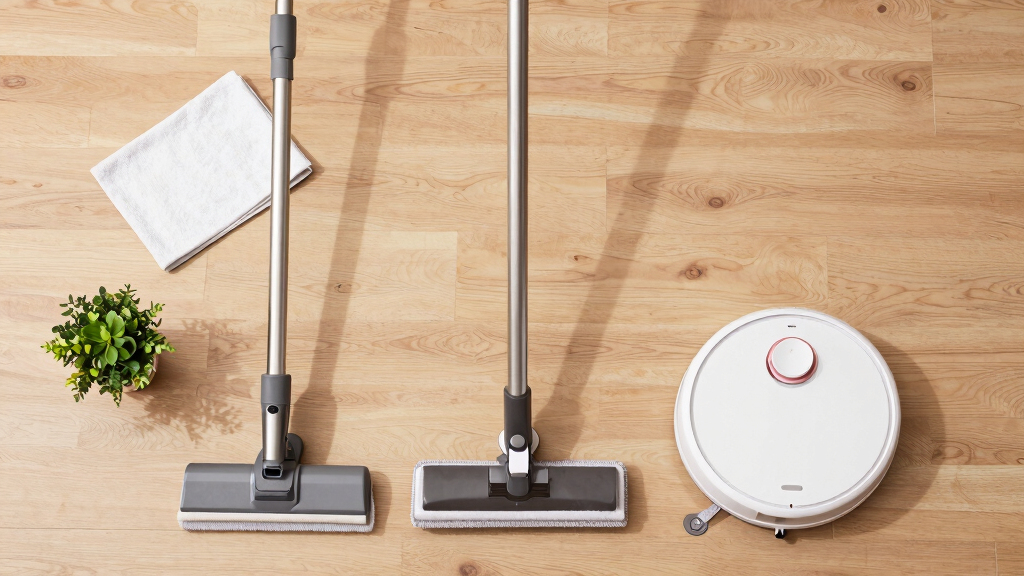
Steam mops use super-hot steam to loosen dirt, grime, and bacteria. They’re like a steam-powered squeegee, wiping away stubborn spots without any chemicals. This high-temperature steam penetrates deep into porous surfaces, killing germs and bacteria that might hide in grout lines or textured tiles. The heat also helps dissolve greasy residues that water alone might struggle with, making steam mops particularly effective for kitchens and bathrooms. The fact that they use only water means fewer chemical residues left behind, which is better for sensitive skin and homes with children or pets. However, the effectiveness depends on proper technique and the type of flooring—some surfaces might need additional care or testing to prevent damage.
Robot mops are like tiny, smart cleaning assistants. They vacuum and mop, navigating around furniture with sensors and mapping tech. These devices combine the benefits of regular mopping with the convenience of automation, making them ideal for maintaining cleanliness on a daily basis. They typically use water and cleaning solutions, which helps lift dirt and dust more effectively than dry vacuuming alone. The advantage here is consistency—robots can be scheduled to run at specific times, preventing dirt buildup before it becomes a problem. However, their cleaning power is generally suited for routine maintenance rather than deep sanitation. The tradeoff is that they may miss stubborn stains or heavily soiled areas, which still require manual intervention.
Understanding these differences matters because it influences your cleaning routine and the results you can expect. If you need to eliminate bacteria and sanitize thoroughly, a steam mop’s high heat is unmatched. For regular upkeep and convenience, a robot mop offers a steady, hands-free solution. Your choice depends on whether you prioritize deep cleaning or ongoing maintenance, and on how much effort you’re willing to invest.

Shark Steam Mop for Sealed Hard Floors with 2 Dirt Grip Pads, White, S1000
- Chemical-Free Sanitization: Removes grease with steam only
- Removable Water Tank: Easy to refill for continuous cleaning
- Lightweight Design: Under 5 lbs for easy handling
As an affiliate, we earn on qualifying purchases.
As an affiliate, we earn on qualifying purchases.
Cost and Maintenance: What’s the Real Price Tag?
Price varies widely. Steam mops start around $30 for basic models, going up to about $150 for feature-rich versions. But the initial cost is just part of the story—consider the long-term savings. Since they use only water, the ongoing expenses are minimal, limited to occasional descaling and replacing pads. Proper maintenance ensures optimal performance and prolongs the lifespan of the device, which ultimately saves you money over time. The simplicity of their design means fewer parts that can break, making them a reliable investment for targeted cleaning tasks.
Robot mops range from $150 to over $600. Their higher price often reflects advanced features like mapping, app control, and customizable cleaning schedules. They require regular maintenance—cleaning brushes, sensors, and water tanks—to keep them functioning correctly. Firmware updates can improve performance and add new features, but neglecting maintenance can lead to reduced efficiency or device failure. The upfront investment may seem steep, but for busy households, the time saved on manual mopping and routine cleaning can justify the cost. Think of it as paying for a smart helper that frees up your schedule, especially in larger or high-traffic homes.
Choosing between them depends on how much value you place on convenience versus budget. A basic steam mop can be a cost-effective tool for quick, targeted cleaning, while a mid- to high-end robot mop might be a worthwhile investment if your floors require frequent attention and you want to minimize manual effort.

Tikom Robot Vacuum and Mop, Robotic Vacuum Cleaner with Self-Emptying Base
- Long-Lasting Self-Emptying: 90-day hands-free cleaning with 3L dustbag
- Powerful Suction: 6000Pa max suction for deep cleaning
- Advanced Navigation: 360° LiDAR scans and maps your home
As an affiliate, we earn on qualifying purchases.
As an affiliate, we earn on qualifying purchases.
Coverage and Navigation — Who Gets the Job Done Faster?
| Feature | Steam Mop | Robot Mop |
|---|---|---|
| Coverage Area | Limited to manual control; best for small spots or targeted cleaning | Can clean large areas automatically, up to 2,000 sq ft in one session |
| Navigation | Requires your guidance; no automation | Advanced sensors and mapping help it avoid obstacles and cover every inch |
| Time & Effort | Manual effort needed, but quick for small jobs | Hands-free, ideal for daily or routine cleaning |
Imagine a robot quietly meandering around your living room, avoiding chairs and walls, while you sip coffee. This autonomous operation allows it to systematically cover your entire floor space, ensuring consistency and saving you physical effort. The robot’s ability to navigate complex layouts means fewer missed spots and less need for manual touch-ups. Conversely, a steam mop requires your active involvement—guiding it over each area, which can be time-consuming but offers more control over specific spots. The tradeoff is that manual mopping can be more thorough in spot cleaning but less efficient for large or multiple rooms.
Deciding which method suits your home depends on your priorities: if you prefer convenience and minimal effort, a robot mop is advantageous. If you want direct control and targeted cleaning, manual steam mopping might be better, especially in areas that need extra attention or are difficult for robots to navigate.
Shark Steam Mop for Sealed Hard Floors with 2 Dirt Grip Pads, White, S1000
- Chemical-Free Sanitization: Removes grease with steam only
- Removable Water Tank: Easy to refill for continuous cleaning
- Lightweight Design: Under 5 lbs for easy handling
As an affiliate, we earn on qualifying purchases.
As an affiliate, we earn on qualifying purchases.
Surface Safety: Will It Damage Your Floors?
Steam mops are gentle on floors, especially if you check manufacturer guidelines. They’re ideal for sealed hardwood, tile, and vinyl, as long as you test a hidden spot first. The high heat can be safe for most surfaces when used correctly, but prolonged exposure or excessive pressure can sometimes cause damage—particularly on unsealed or delicate surfaces. Proper technique and following manufacturer instructions are crucial because improper use can lead to warping, discoloration, or surface erosion. Being aware of your floor type and testing in inconspicuous areas helps prevent costly mistakes.
Robot mops vary. Many are designed for delicate surfaces and have settings for hardwood. They use soft microfiber pads that are gentle on finishes, but some models with stiff brushes or abrasive pads can cause scratches or damage if used improperly. Uneven floors or surfaces with loose tiles may pose additional risks, as the device might slip or apply uneven pressure. Always verify compatibility and regularly inspect pads and brushes to ensure they aren’t causing harm. When used correctly, robot mops can maintain your floors without damage, but neglecting surface-specific guidelines increases the risk of accidental harm.
In essence, understanding your floor’s material and condition is key. Proper use and testing can help you harness the cleaning power without risking damage, making both devices safer and more effective.

MONSGA Robot Vacuum Cleaner, 9200Pa Powerful Suction Robotic Vacuum for Pet Hair, Hard Floors and Carpets, Smart Automatic Floor Cleaning Robot for Home
- Automatic Floor Cleaning: Autonomous sweeping and vacuuming
- Smart Navigation: Obstacle detection and collision avoidance
- Multi-Surface Cleaning: Cleans hardwood, tile, laminate, and carpets
As an affiliate, we earn on qualifying purchases.
As an affiliate, we earn on qualifying purchases.
Which One Sanitizes Better — Steam or Robot?
Steam mops excel at sanitization because the high-temperature steam can reach temperatures of 212°F (100°C), effectively killing bacteria, viruses, and germs on contact. This natural sterilization process means you don’t need chemicals, making it a healthier option especially in households with children or pets. The intense heat can penetrate into grout lines and textured surfaces, ensuring a deeper clean that reduces microbial presence significantly. This is particularly important in kitchens and bathrooms where hygiene is paramount. However, the effectiveness depends on proper technique—holding the mop in place long enough and ensuring the steam reaches all surfaces. The tradeoff is that steam mops are best for sanitizing specific areas rather than large-scale disinfection, which might require professional services.
Robot mops clean with water and sometimes cleaning solutions, which help lift dirt and dust. While they improve overall cleanliness, their sanitization ability is limited compared to steaming because they do not generate the high heat necessary to kill germs thoroughly. They are excellent for routine dust and dirt removal but are less effective for deep disinfection. For households needing strict hygiene standards, supplementing robot mopping with periodic deep cleaning or steaming is advisable. The key implication is that routine maintenance with a robot mop keeps germs at bay but may not eliminate all bacteria without additional sanitization methods.
In summary, if comprehensive sanitization is your priority, steam mops are superior due to their high-temperature sterilization. For ongoing maintenance that keeps bacteria in check but doesn’t fully disinfect, robot mops are convenient but should be supplemented with occasional deep cleaning routines.
Are They Easy to Use and Store?
Steam mops are straightforward but require some effort: fill the water tank, turn it on, and guide it across your floors. They’re generally compact but can be bulky to store in small closets or cabinets, especially models with larger water tanks or accessories. Their design requires a bit of physical effort and dexterity, which might be a consideration for some users. However, once set up, they are simple to operate for quick cleaning sessions, making them suitable for users who prefer hands-on control.
Robot mops excel in ease of use. Set a schedule via app or press start, then walk away. They usually fold flat or have a slim profile, allowing them to tuck into tight spaces or under furniture. Their minimal physical interaction means you can program them to clean when it’s most convenient, often with just a few taps on your smartphone. The main consideration is ensuring they’re charged and their sensors are kept clean for optimal performance. Their ease of use makes them ideal for busy households or those who dislike manual mopping, essentially acting as a tiny, autonomous housekeeper.
In essence, choosing between them depends on your preference for physical effort versus automation, as well as storage space considerations. Both can fit into typical home environments, but their ease of use caters to different lifestyles.
Final Decision: Which Will Save You More Time and Money?
If your main goal is deep cleaning and sanitizing without chemicals, a steam mop wins. It’s cheaper upfront, simple to operate, and eco-friendly. Think of it as a reliable, no-fuss tool for regular maintenance that can eliminate germs without the need for harsh chemicals. The ability to sanitize thoroughly on demand makes it especially valuable for households with sensitive individuals or health concerns. However, it requires manual effort and ongoing attention, which might be a drawback for those seeking maximum convenience.
If you crave hands-free convenience and don’t mind splurging, a robot mop can keep your floors looking fresh daily. It’s like hiring a tiny, autonomous housekeeper who works tirelessly, freeing you from routine chores. The initial investment is higher, but for busy families or large spaces, the time saved can offset the cost. The key is balancing your budget with your lifestyle—if you value convenience over manual labor, a robot mop is a smart choice. Conversely, if you prefer control and targeted cleaning, a steam mop may be more economical and straightforward.
Ultimately, your decision hinges on your specific needs, budget, and how much effort you want to invest. Both tools have their merits, and understanding their deeper implications will help you make a choice that aligns with your priorities.
Frequently Asked Questions
Is a steam mop better for deep cleaning than a robot mop?
Yes, steam mops excel at deep cleaning and sanitizing because of the high-temperature steam, which kills bacteria and germs without chemicals. They’re especially effective for intensive cleaning tasks, as the heat can reach into textured surfaces and grout lines that mechanical cleaning alone might miss. This deep level of sanitation is crucial in environments where hygiene is paramount, such as kitchens and bathrooms, and for households with children or pets. The tradeoff is that steam mops require manual operation and proper technique to ensure the heat penetrates sufficiently without damaging delicate surfaces. Therefore, while they are superior for deep disinfection, they demand more active involvement and careful handling to maximize their benefits.
Can a robot mop handle all types of hard floors?
Most robot mops are designed to work on a variety of hard surfaces, including tile, vinyl, and sealed hardwood, because these surfaces are generally resistant to moisture and mechanical agitation. However, their effectiveness and safety depend heavily on the specific model and its settings. For unsealed or delicate hardwood floors, some robot mops may cause swelling, warping, or scratching if used improperly or if the device’s cleaning pads are too abrasive. Additionally, uneven or textured surfaces like certain laminates or loose tiles can pose navigation challenges, leading to missed spots or potential damage. To avoid such issues, it’s essential to consult the manufacturer’s recommendations and test the device in inconspicuous areas before regular use. Properly chosen and maintained, a robot mop can be a safe and effective tool for maintaining most hard floors, but caution and knowledge about your specific flooring type are key to preventing damage.
How often should I replace or upgrade my robot mop?
With proper maintenance—regularly cleaning sensors, brushes, and water tanks—many robot mops can last between 3 to 5 years. This lifespan depends on usage frequency, build quality, and adherence to maintenance routines. Over time, components like batteries may deteriorate, leading to shorter cleaning cycles and reduced effectiveness. If you notice your device struggling to navigate, missing areas, or if battery life diminishes significantly, it might be time to consider an upgrade or replacement. Upgrading can also be beneficial if newer models offer improved navigation, longer battery life, or enhanced cleaning features that better suit your evolving needs. Monitoring your device’s performance and following manufacturer guidance will help you decide when it’s time to replace or upgrade, ensuring continued efficient cleaning and avoiding frustration or damage caused by aging components.
Are robot mops safe around stairs or cords?
Robot mops are equipped with sensors to detect stairs and prevent falls, but these sensors are not infallible. Cords, loose rugs, or unexpected obstacles can pose safety risks if not properly managed. To safeguard your home, always keep cords out of the robot’s path and remove or secure loose rugs that could cause slipping or entanglement. Some models have advanced obstacle avoidance features, but relying solely on these is risky—manual supervision or pre-cleaning of problematic areas is advisable. When used with caution, robot mops are generally safe; however, understanding their limitations and taking simple precautions can prevent accidents, especially in multi-level homes or spaces with complex layouts.
Which is more eco-friendly, steam or robot mops?
Steam mops are inherently more eco-friendly because they operate solely on water, producing no chemical waste or emissions. Their energy consumption is generally low, and they don’t require disposable pads or cleaning solutions, making them a sustainable choice for environmentally conscious households. Robot mops also tend to be eco-friendly if they use water-based cleaning solutions and are used efficiently, but some models consume more energy due to longer operation times and advanced electronics. Additionally, the production and eventual disposal of electronic components have environmental impacts. Overall, for those prioritizing sustainability, steam mops offer a greener option, especially when used with reusable pads and minimal water consumption. Choosing energy-efficient models and practicing proper maintenance further enhances their eco-friendliness.
Conclusion
Both steam mops and robot mops have their place. If you want a deep, chemical-free clean, a steam mop is your best bet. But if you prefer to set it and forget it, a robot mop can keep your floors fresh with minimal effort.
Think about your home, your budget, and your cleaning style. The right choice makes cleaning less of a chore—and more of a breeze.
Back to school Picks
back to school
As an affiliate, we earn on qualifying purchases.