TL;DR

Get cleaning gear delivered free with Prime
- Fast, free delivery on millions of items
- Prime Video, Amazon Music and more included
- Member-only deals all year
Steam mops clean and sanitize faster with less effort, often saving time and chemicals. For large, sealed floors, they can be a worthwhile upgrade; for small jobs, hand mopping might still do the trick.
Imagine gliding over your kitchen tiles, the rich steam rising as your floor instantly looks brighter and feels cleaner. That’s the promise of a steam mop. But is it really worth ditching your old mop and bucket?
In this guide, you’ll see a side-by-side comparison of steam mops versus traditional hand mopping. You’ll learn what each method does best, where they fall short, and how to decide if an upgrade suits your cleaning routine.
Steam mops can sanitize at over 212°F, killing most germs without chemicals.
They save physical effort and often clean faster than hand mopping, especially on large surfaces.
Use a steam mop only on sealed, hard floors—test hidden areas first to avoid damage.
While more expensive upfront, steam mops can reduce ongoing cleaning product costs.
For delicate or unsealed surfaces, hand mopping remains safer and more versatile.
Steam Mop vs Mopping by Hand: Is the Upgrade Worth It?
Steam mops clean and sanitize faster with less effort, often saving time and chemicals. For large, sealed floors, they can be a worthwhile upgrade; for small jobs, hand mopping still does the trick.
Worth it when hygiene, speed, and lower chemical use matter more than upfront cost.
Where each method wins
Steam mops are strongest on sealed hard floors where heat can loosen grime quickly. Hand mopping stays valuable when the surface is delicate, unsealed, textured, or needs a specific cleaner.
Steam delivers a deeper clean
Hot vapor loosens sticky food splatters, greasy kitchen residue, and everyday grime while reducing the need for disinfecting chemicals.
Glide beats scrub
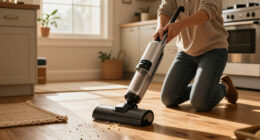
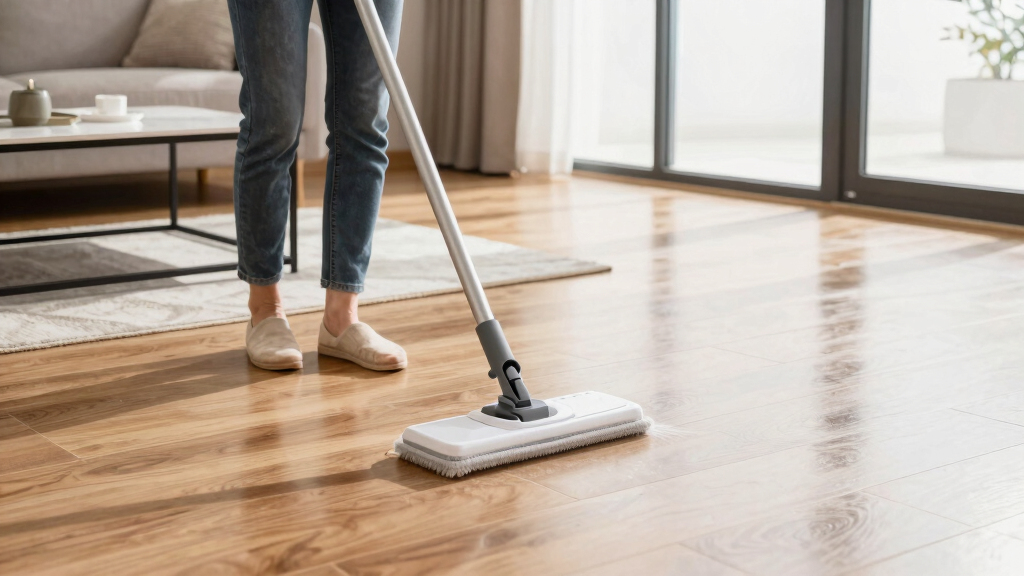
Instead of soaking, wringing, and pressing hard, the user guides the mop while steam does much of the loosening work.
Hand mopping is safer on tricky floors
Unsealed wood, porous stone, vintage flooring, and sensitive finishes are better handled with surface-specific water levels and cleaners.
Side-by-side comparison
The upgrade case is less about whether steam is always better and more about whether your floors, habits, and priorities match what steam does well.
| Factor | Steam Mop | Hand Mopping | Decision Signal |
|---|---|---|---|
| Sanitizing | ✓ Strong: high-temperature steam can sanitize sealed surfaces. | ~ Depends on cleaner strength, dwell time, and scrubbing. | Choose steam if chemical-free hygiene is a priority. |
| Speed | ✓ Faster on large, open hard-floor areas. | ~ Slower when water changes and scrubbing are needed. | Steam wins for kitchens, hallways, and busy households. |
| Upfront cost | ✗ Higher: commonly $50 to $200+. | ✓ Lower: a basic mop can cost under $20. | Hand mopping wins if budget is the main filter. |
| Floor safety | ~ Great on sealed floors, risky on unsealed wood or porous surfaces. | ✓ More adaptable with the right solution and water level. | Test hidden areas before using steam. |
| Environmental profile | ✓ Uses water, washable pads, and fewer chemical bottles. | ~ Can be low-waste, but often depends on bottled cleaners. | Steam helps households cutting chemical use. |
The upgrade decision flow
Follow the practical chain: floor type first, then cleaning need, then cost. That order prevents the most expensive mistake, which is using steam where the surface cannot handle moisture and heat.
Identify floor
Tile, vinyl, and sealed hardwood are the best candidates.
Spot test
Use a hidden corner to check for warping, darkening, or finish damage.
Match the mess
Steam excels on sticky residue, grime, and routine sanitizing.
Count the area
Large rooms make the time and effort savings more noticeable.
Decide value
Upgrade if speed, hygiene, and fewer chemicals outweigh the device cost.
Performance snapshot
Steam mops do not replace every cleaning method, but they score highly where sealed floors, chemical reduction, and frequent maintenance overlap.
Worth-it spectrum
Traceability: from floor type to final answer
The cleanest choice comes from connecting the surface, the mess, and the household priority rather than treating one mop as universally superior.
Buy the steam mop if…
You have large sealed hard floors, kids or pets, frequent sticky messes, and a strong preference for reducing chemical cleaners.
Keep hand mopping if…
Your space is small, your floors are delicate or unsealed, or you only need occasional spot cleaning with surface-specific products.
Does a steam mop really clean better than hand mopping?
Steam mops use hot steam to loosen dirt, grime, and bacteria, often resulting in a deeper, more hygienic clean. Unlike hand mopping, which relies on scrubbing and cleaning solutions, steam can sanitize surfaces at temperatures above 212°F.
For example, a kitchen floor with sticky food splatters or greasy residues responds quickly to steam, lifting grime without harsh chemicals. Conversely, hand mopping may require soaking, scrubbing, and multiple passes to achieve similar results.
Research from the Steam Mop List shows that steam can kill up to 99.9% of germs, making it a strong choice for health-conscious households.
Understanding this difference is crucial because it highlights the potential for a more thorough clean with less reliance on chemical cleaners, which can leave residues or contribute to indoor pollution. The ability of steam to sanitize at high temperatures reduces the need for disinfectants, making it a more eco-friendly and health-conscious option.
best steam mop for hardwood floors
As an affiliate, we earn on qualifying purchases.
As an affiliate, we earn on qualifying purchases.
How much effort do you really save with a steam mop?
Using a steam mop often means less physical effort and fewer tools. Instead of soaking a mop, wringing out a rag, and scrubbing vigorously, you simply glide the device back and forth. The steam loosens dirt, so you don’t need to apply as much pressure.
Imagine cleaning a large, tiled kitchen floor. With a steam mop, that task might take 15 minutes, with minimal fatigue. Hand mopping could easily stretch to 30 minutes or more, especially if you’re changing water frequently or dealing with stubborn spots.
Beyond time savings, this reduction in effort can significantly lower fatigue and physical strain, especially for those with joint issues or limited mobility. Ergonomic designs, lightweight construction, and cordless features further enhance ease of use, making routine cleaning less of a chore and more manageable on a regular basis.
This efficiency not only saves time but also encourages more frequent cleaning, which can lead to healthier living environments by preventing dirt buildup and microbial growth.
As an affiliate, we earn on qualifying purchases.
Is a steam mop safe for all your floors?
Steam mops are best suited for sealed hard floors like ceramic tile, vinyl, and sealed hardwood. The high temperature of the steam can damage unsealed wood or delicate surfaces.
For example, if you have unsealed hardwood in your living room, testing a hidden corner with minimal steam is wise. If it warps or darkens, avoid using a steam mop there.
Understanding this is important because using steam on incompatible surfaces can cause irreversible damage, leading to costly repairs or replacements. Conversely, hand mopping allows for more surface-specific cleaning solutions and techniques, reducing the risk of damage and accommodating a wider variety of surfaces, including unsealed or textured floors.
Thus, knowing your floor type and testing in discreet areas is vital to prevent unintended harm. This safety consideration emphasizes that while steam mops are convenient, they require careful assessment to avoid costly mistakes.
As an affiliate, we earn on qualifying purchases.
Which costs more: steam mop or hand mopping?
Initial costs favor hand mopping, which requires just a mop and bucket. A basic mop can cost under $20, and cleaning solutions are ongoing expenses.
Steam mops, however, can range from $50 to over $200. The upfront price includes the device, but they may save money long-term by reducing or eliminating chemical cleaners.
It’s important to consider that while the initial investment is higher, the ongoing costs of buying chemical cleaning products can add up over time. Additionally, washable microfiber pads or filters, which are used repeatedly, can reduce waste and ongoing expenses. This means that although the initial price is higher, the overall cost of maintaining a steam mop can be comparable or even lower over its lifespan, especially when factoring in savings on cleaning chemicals.
Tradeoffs include the upfront expense versus potential long-term savings, as well as the convenience and hygiene benefits that may justify the higher initial investment for many households.
As an affiliate, we earn on qualifying purchases.
Are steam mops better for the environment?
Yes, steam mops reduce reliance on chemical cleaners, which often contain pollutants and contaminants. Using only water and heat, they are more eco-friendly overall.
For instance, switching to a steam mop can cut your chemical usage by up to 80%, according to some surveys. Plus, washable microfiber pads generate less waste than disposable cleaning cloths or chemical bottles.
Understanding this impact is important because it demonstrates how steam mops contribute to reducing chemical runoff and indoor air pollution. When fewer chemicals are used, there’s less environmental contamination, and indoor air quality improves. Additionally, the reduction in disposable cleaning products lessens landfill waste. However, the water and energy consumption involved in steaming should not be overlooked, but when balanced, the overall footprint tends to be smaller than traditional chemical cleaning methods, especially in households aiming for greener routines.
What are the real limits of a steam mop?
Steam mops excel on sealed, hard surfaces but stumble on unsealed or textured floors. They can’t clean carpets or rugs effectively, and excessive steam might cause damage to sensitive materials.
For example, if you try to steam clean a vintage hardwood floor that’s unsealed, you risk warping or staining, which can be costly and irreversible. Similarly, porous surfaces like unsealed wood or certain stone can absorb moisture, leading to swelling or deterioration over time. This limitation underscores that steam mops are not all-purpose cleaning tools but are highly effective within specific parameters.
Hand mopping remains versatile because it allows for tailored cleaning approaches—using appropriate solutions and techniques suited to each surface’s material and condition. Recognizing these limits is crucial to avoid damaging your floors and to ensure that each cleaning method is used where it is most effective and safe.
Is a steam mop worth the extra money?
If you prioritize quick, hygienic cleaning and want to cut down on chemicals, a steam mop can pay off. It’s especially useful for large homes or busy households that need fast results.
For example, a family with kids and pets may appreciate the ability to sanitize floors effortlessly, saving time and worry. The health benefits of reduced chemical exposure and improved hygiene can also be significant tradeoffs that justify the higher initial cost.
However, for small spaces or occasional cleaning, the cost might outweigh the benefits, and traditional mopping could suffice. Considering your specific needs and cleaning frequency will help determine if the investment aligns with your lifestyle.
How do I choose the right cleaning method for my floors?
- Identify your floor type—sealed or unsealed, textured or smooth.
- Check manufacturer recommendations for your flooring.
- Test a small, hidden area with a steam mop if considering one.
- Decide if quick sanitation or deep cleaning is your priority.
- Balance your budget with your cleaning routine’s frequency and size.
For example, a sealed tile bathroom might be perfect for a steam mop, while an unsealed hardwood living room may need gentle hand mopping or specialized cleaning.
Choosing the right method involves understanding your floor’s material, your cleaning goals, and your budget to avoid damage and ensure effective cleaning.
Frequently Asked Questions
Can I use a steam mop on hardwood floors?
Only if your hardwood is sealed and approved for steam cleaning. Always test a small, hidden area first. If the wood darkens or warps, avoid using steam on that surface.
Are steam mops safe for vinyl or laminate floors?
They are generally safe if the floors are sealed and manufacturer-approved. Excessive steam can damage unsealed or sensitive surfaces, so check your flooring info and test first.
Do steam mops eliminate the need for cleaning solutions?
In many cases, yes. Steam can disinfect and loosen dirt without chemicals. However, stubborn stains or greasy spots might still need a cleaning solution.
Are steam mops worth the cost for small homes or occasional cleaning?
If you only clean occasionally, a traditional mop might be more budget-friendly. But if you value quick, thorough sanitation, the investment could still be justified.
How often should I replace or clean the microfiber pads?
Follow manufacturer instructions, but typically, washable pads should be cleaned after every few uses. Replacing them every 6–12 months keeps your steam mop performing well.
Conclusion
Switching to a steam mop isn’t just about convenience—it’s about smarter, safer cleaning. If you have sealed floors and want a quick, hygienic boost, it’s probably worth the investment. But for delicate surfaces or small spaces, a good old mop still does the job.
Think about your home, your routines, and your budget. The right choice makes cleaning easier and safer, leaving you with more time to enjoy your sparkling floors—and maybe even a little more peace of mind.
Halloween Picks
halloween
As an affiliate, we earn on qualifying purchases.