TL;DR
Listen free for 30 days with Audible
Thousands of audiobooks and originals — cancel anytime.
Start your free trialAs an affiliate, we earn on qualifying purchases.
Steam mops can be safe if used correctly, but excessive moisture may harm certain floors over time. Always follow manufacturer guidelines and test first. Proper use is key to prolonging your floors’ life.
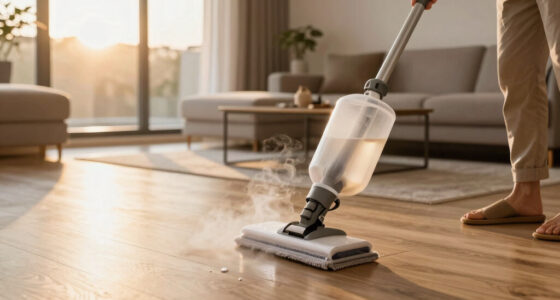
Ever sprayed a cloud of steam onto your hardwood or laminate floor and wondered if you’re slowly damaging it? It turns out, the answer isn’t black or white. Steam mops are powerful, chemical-free tools, but they come with a caveat—your floors might suffer if you’re not careful.
In this guide, you’ll learn how steam interacts with different floor surfaces, what risks to watch for, and how to use your steam mop safely. Whether you love the quick sanitizing boost or worry about long-term damage, this info helps you make smarter choices for your home’s surfaces.
Always check your flooring manufacturer’s guidance before using a steam mop.
Use the lowest steam setting and keep the mop moving to avoid moisture buildup.
Limit steam cleaning on hardwood and laminate floors—once a month or less is safest.
Test in a hidden area first to catch any adverse reactions.
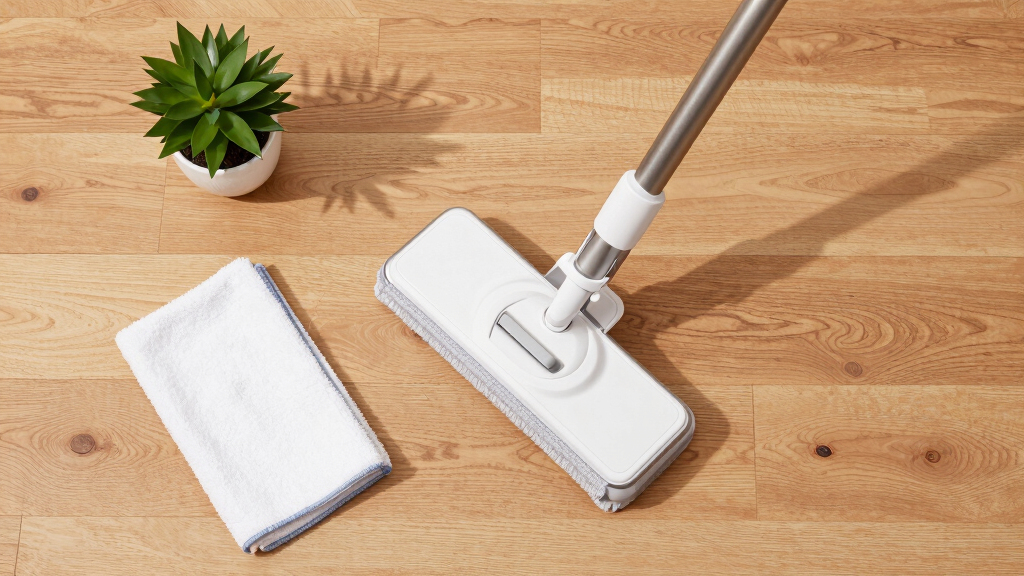
For delicate floors, traditional damp mopping with microfiber cloths is a safer alternative.
What Happens When You Use a Steam Mop on Different Floors?
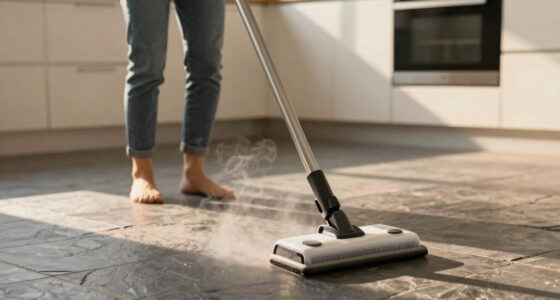
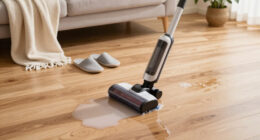
Steam mops deliver hot vapor that lifts dirt and kills germs. But how your floors handle that heat and moisture varies. For hardwood, the danger is moisture seeping into the wood, causing warping or swelling over time. Think of it like a sponge getting soaked and losing its shape.
For laminate, the issue is similar—excess moisture can break down the layered structure, leading to warping or delamination. Tile and vinyl floors, however, are more resistant to moisture and generally tolerate steam better if you don’t overdo it. For example, a tile kitchen floor can handle steam as long as you keep the mop moving and don’t hold it in one spot.
According to an anonymous researcher, the key is how much moisture gets into the material and how long it stays there. Prolonged exposure is what causes damage, not the steam itself. This means that even floors that seem resistant to moisture can suffer damage if exposed repeatedly or held in one spot for too long. Understanding this helps you weigh the benefits of steam cleaning—such as convenience and sanitation—against the potential long-term costs of damage, especially on sensitive surfaces.

BISSELL Steam Mop 1940A PowerFresh Floor Steam Cleaner for Hard Wood & Tile with Natural Sanitization, Easy Scrubber, Variable Steam, 12” Cleaning Path
- Steam Sanitizes Without Chemicals: Kills 99.9% of germs, bacteria, viruses
- Built-In Easy Scrubber: Removes tough grime and grout buildup
- Variable Steam Settings: Adjust for quick clean, regular, or heavy-duty messes
As an affiliate, we earn on qualifying purchases.
As an affiliate, we earn on qualifying purchases.
Is Using a Steam Mop Risky for Hardwood Floors? Here’s What You Need to Know
Many homeowners wonder if steam mops are safe for hardwood floors. The short answer: it depends. If your hardwood has a sealed, water-resistant finish, you might get away with occasional use. But unsealed or lightly finished wood absorbs moisture easily, risking warping or cupping over months or years. The real concern is the cumulative effect—repeated exposure to even small amounts of moisture can weaken the wood’s structure over time, leading to buckling or gaps that compromise your flooring’s integrity.
For example, if you regularly steam clean a hardwood floor without proper precautions, the moisture can seep into tiny cracks or the unsealed grain, gradually causing swelling and warping that might not be immediately visible. Over time, these micro-damages can accumulate, resulting in uneven surfaces or even structural failure in extreme cases. Therefore, it’s not just about one cleaning session but about understanding the long-term implications of moisture exposure. Always check your flooring’s specific finish and follow manufacturer advice—ignoring this can lead to costly repairs or replacements down the line. When in doubt, sticking to gentle damp mops or microfiber cloths with mild cleaners minimizes risk while keeping your floors clean.

Shark Steam Mop for Sealed Hard Floors with 2 Dirt Grip Pads, White, S1000
- Chemical-Free Sanitization: Removes grease with steam only
- Removable Water Tank: Easy to refill for continuous cleaning
- Lightweight Design: Under 5 lbs for easy handling
As an affiliate, we earn on qualifying purchases.
As an affiliate, we earn on qualifying purchases.
How to Use Your Steam Mop Safely and Effectively on Different Floors
- Check your flooring manufacturer’s recommendations. If they warn against steam, skip it—ignoring this advice can void warranties and cause damage.
- Use the lowest steam setting to minimize moisture release. Higher settings produce more vapor, increasing the risk of moisture infiltration.
- Keep the mop moving; don’t hold it in one spot for more than a second or two. This prevents excess moisture from pooling and seeping into the surface.
- Test in a hidden corner first—look for warping, discoloration, or swelling after a few hours. This step is crucial because some floors may react differently than expected.
- Limit frequency—use steam mops only once in a while, not weekly unless your floors are specifically designed for it. Overuse can accelerate wear and damage.
- Use a microfiber pad—no harsh scrubbing or excessive pressure. Gentle cleaning preserves your floor’s finish and prevents unnecessary moisture penetration.
For example, on a sealed tile floor, following these steps keeps it clean and safe. On hardwood, even with caution, regular testing and manufacturer advice are your best bets to prevent long-term damage. Remember, understanding your floor’s specific needs and limitations is key to balancing cleanliness with longevity.
Shark Steam Mop for Sealed Hard Floors with 2 Dirt Grip Pads, White, S1000
- Chemical-Free Sanitization: Removes grease with steam only
- Removable Water Tank: Easy to refill for continuous cleaning
- Lightweight Design: Under 5 lbs for easy handling
As an affiliate, we earn on qualifying purchases.
As an affiliate, we earn on qualifying purchases.
Frequently Asked Questions
Are steam mops safe for hardwood floors?
It depends on the finish and manufacturer advice. Many recommend avoiding steam on unsealed or lightly finished hardwood because moisture can cause warping. Always check your flooring’s guidelines and test a hidden spot first. The key is understanding that even minimal moisture exposure can accumulate over time, leading to long-term damage. Proper precautions and manufacturer recommendations are essential to prevent costly repairs or replacements.
Can steam mops damage laminate flooring?
Yes, excessive moisture can cause laminate to swell or warp, especially if used frequently or with high steam settings. Laminate flooring typically has a core layer that’s sensitive to water infiltration, and repeated exposure can lead to delamination or buckling. Understanding this tradeoff helps you decide whether steam cleaning is worth the risk or if alternative methods, like damp mopping, are safer options for maintaining your laminate floors.
How often should I use a steam mop on my floors?
Limit steam cleaning to once every few weeks for durable floors like tile or vinyl, as their surfaces are more resistant to moisture. For hardwood and laminate, adhere to once a month or less, always observing your floor’s reaction. Overdoing it can accelerate wear, cause warping, or create micro-damage that’s not immediately visible but shortens your floor’s lifespan. Regularly inspecting your floors after cleaning helps you determine the safest frequency.
What are the benefits of using a steam mop?
Steam mops effectively sanitize surfaces and remove stubborn dirt without chemicals, which is beneficial for households with allergies or sensitivities. They also offer quick, efficient cleaning that can reach into grout lines and textured surfaces, saving time and effort. However, understanding their limitations—particularly on sensitive floors—is crucial. When used properly, they can extend the cleanliness and hygiene of your home while reducing reliance on harsh cleaning agents.
Are there safer cleaning options than steam mops?
Absolutely. Traditional damp mopping with microfiber cloths and mild cleaning solutions is gentler, especially for sensitive floors like hardwood or laminate. These methods allow better control over moisture levels, reducing the risk of long-term damage while still providing effective cleaning. Investing in quality microfiber cloths and eco-friendly cleaners can enhance your cleaning routine without compromising your floors’ integrity.

11-in-1 Steam Mop, Powerful Handheld Steam Cleaner for Home with 23FT Cord
- Deep Cleaning at 260°F: Eliminates 99.9% of stains without chemicals
- Adjustable Steam Settings: Three levels for different cleaning needs
- Long Reach & Large Capacity: 23ft cord and 450ml tank for extended use
As an affiliate, we earn on qualifying purchases.
As an affiliate, we earn on qualifying purchases.
Conclusion
Steam mops aren’t inherently bad, but they aren’t universally safe either. Your best bet is to follow manufacturer advice, test first, and use moderation. When in doubt, stick to traditional cleaning methods to keep your floors looking great and lasting longer.
Imagine your floors as a canvas—gentle cleaning preserves their beauty for years. A cautious approach today keeps your home shining tomorrow.
Pool season Picks
robotic pool cleaners
As an affiliate, we earn on qualifying purchases.