TL;DR
Listen free for 30 days with Audible
Thousands of audiobooks and originals — cancel anytime.
Start your free trialAs an affiliate, we earn on qualifying purchases.
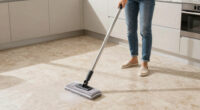
Steam mopping travertine tile is possible without etching if you use low heat, minimal moisture, and seal the surface beforehand. Proper technique and regular sealing protect your stone while keeping it clean.
Imagine a sparkling, streak-free travertine floor that’s been cleaned with steam—sounds perfect, right? But if you’ve ever wondered whether steam cleaning can harm your delicate stone, you’re not alone. Travertine’s porous surface makes it vulnerable to damage from high heat and moisture. The good news: with the right approach, you can keep it clean without risking etching or discoloration.
This guide will walk you through what you need to know about safely using a steam mop on travertine, including tips for prevention, sealing, and choosing the right settings. Whether you’re a seasoned DIYer or a cautious homeowner, understanding how to protect your natural stone is key to preserving its beauty for years to come.
Always test a small hidden area before full steam cleaning to check for etching or discoloration.
Use a steam mop with adjustable settings and keep the heat at low or medium only.
Sealing your travertine significantly reduces moisture absorption, making steam cleaning safer.
Limit steam contact to seconds per spot and wipe dry afterward to prevent excess moisture buildup.
Routine maintenance with a damp, neutral cleaner is often enough—reserve steam cleaning for periodic deep cleans.
What Makes Travertine So Sensitive to Steam Cleaning?
Travertine is a natural limestone with a porous, textured surface. That porosity acts like a sponge, soaking up water, oils, and acids. When exposed to high heat or moisture, the surface can etch—a dull, whitish mark that ruins the stone’s natural look. So, using a steam mop feels like a quick fix, but it’s a balancing act.
For example, a homeowner in Florida tried steam cleaning their travertine kitchen floor. They used a steam mop on high setting, and within days, noticed cloudy spots and dull patches. That’s a classic case of too much moisture or heat causing damage.
Modern steam mops with adjustable controls are better suited for delicate surfaces, but they still require caution. Proper sealing and testing are your best defenses against etching.
Understanding why travertine is so sensitive involves recognizing its porous structure. This porosity means that even small amounts of moisture or heat can penetrate deeply, disrupting the stone’s mineral balance and causing etching or discoloration. If the stone isn’t sealed properly, these risks increase exponentially. The tradeoff is that while steam cleaning can sanitize and refresh, it can also accelerate damage if not used carefully. Therefore, balancing effective cleaning with preservation requires a nuanced approach—using low heat, minimal moisture, and protective sealants to mitigate these risks.

BISSELL Steam Mop 1940A PowerFresh Floor Steam Cleaner for Hard Wood & Tile with Natural Sanitization, Easy Scrubber, Variable Steam, 12” Cleaning Path
- Steam Sanitizes Without Chemicals: Kills 99.9% of germs, bacteria, viruses
- Built-In Easy Scrubber: Removes tough grime and grout buildup
- Variable Steam Settings: Adjust for quick clean, regular, or heavy-duty messes
As an affiliate, we earn on qualifying purchases.
As an affiliate, we earn on qualifying purchases.
How to Safely Use a Steam Mop on Travertine — Step-by-Step
- Choose a steam mop with adjustable steam levels and a low-heat setting. This flexibility allows you to fine-tune the temperature, reducing the risk of etching caused by excessive heat.
- Before cleaning your entire floor, test a small, hidden area for at least 10 minutes. Observe if there’s any dulling, discoloration, or surface change. This step is crucial because it helps you gauge how your specific travertine reacts to steam, which can vary based on porosity, sealant quality, and age.
- Apply a penetrating sealer to your travertine if it’s unsealed or has worn down. Sealing creates a barrier that limits water absorption and helps prevent moisture from reaching sensitive mineral layers. This protective layer acts like a shield, reducing the likelihood of etching during steam cleaning.
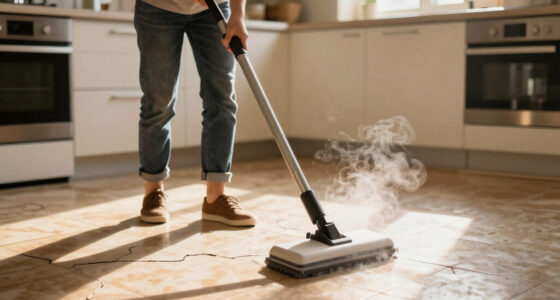
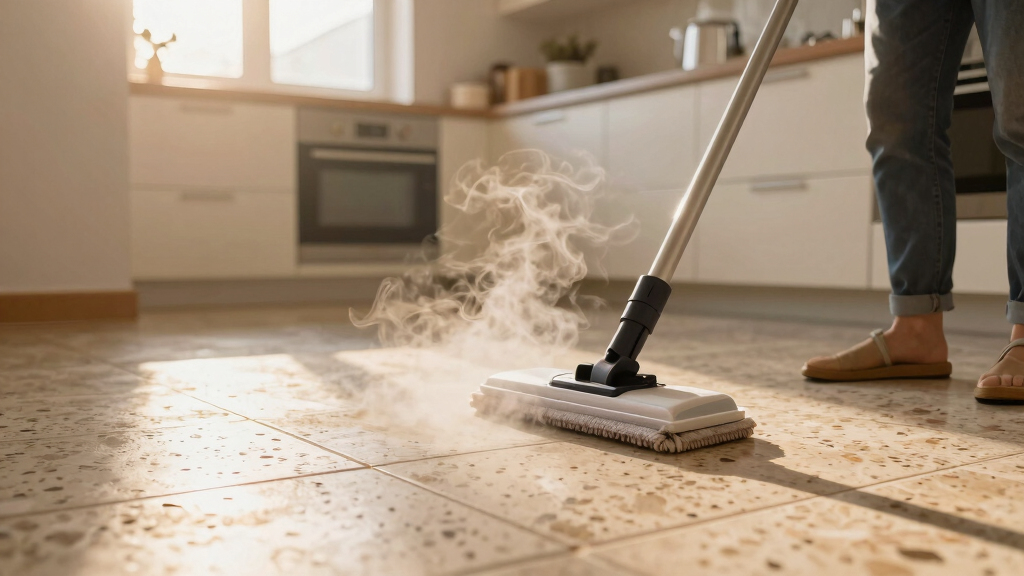
- Use the lowest steam setting and hold the mop slightly above the surface—never pressing down or holding the mop in one spot for too long. This minimizes direct contact with high heat and excess moisture, which are primary causes of damage.
- Limit the contact time—don’t leave the mop in one place for more than a few seconds. Moving the mop continuously ensures even, gentle cleaning without concentrated exposure that could cause localized etching.
- After steaming, wipe the surface with a clean, dry microfiber cloth to remove any residual moisture. This step is vital because trapped water can seep into pores, especially on unsealed or poorly sealed stone, increasing the risk of damage over time.
For example, a homeowner used these steps to refresh their sealed travertine entryway. The key was gentle steam and a quick wipe afterward, with no signs of etching after several months. This method emphasizes that careful handling and surface protection are essential for safe steam cleaning.

Shark Steam Mop for Sealed Hard Floors with 2 Dirt Grip Pads, White, S1000
- Chemical-Free Sanitization: Removes grease with steam only
- Removable Water Tank: Easy to refill for continuous cleaning
- Lightweight Design: Under 5 lbs for easy handling
As an affiliate, we earn on qualifying purchases.
As an affiliate, we earn on qualifying purchases.
Comparing Steam Cleaning to Other Methods for Travertine Care
| Method | How It Works | Pros | Cons |
|---|---|---|---|
| Steam Cleaning | Uses high-temperature steam to loosen dirt | Chemical-free, effective for bacteria | Risk of etching if not careful |
| Wet Mopping with pH-Neutral Cleaner | Damp cloth with gentle cleaner | Safe, easy, maintains surface | Requires more frequent cleaning |
| Dry Sweeping | Removes loose dust and dirt | Prevents scratches and buildup | Doesn’t sanitize or remove stains |
While steam cleaning offers a chemical-free way to sanitize, it’s not always the best choice for unsealed travertine. Damp mops with neutral cleaners tend to be safer for routine maintenance, especially if sealing is recent. Choosing the right method depends on understanding the implications of each—steam offers deep cleaning and sanitation but carries a higher risk of damage if misused. Conversely, traditional mopping and sweeping are gentler, preserving the surface but requiring more effort to maintain a spotless appearance. The key is matching your cleaning method to your stone’s sealing status and traffic level, balancing cleanliness with longevity.

Miracle Sealants 511 Impregnator Penetrating Stone & Tile Sealer, Pint
- Suitable for porous surfaces: Use 511 Porous Plus on Travertine
- Oil and water resistant: Creates invisible protective barrier
- Coverage area: Covers up to 500 sq ft per pint
As an affiliate, we earn on qualifying purchases.
As an affiliate, we earn on qualifying purchases.
Sealing Your Travertine for Safer Steam Cleaning
Sealing is a game-changer when it comes to protecting your travertine from moisture and etching. A good penetrating sealer seeps into the stone, creating a barrier that blocks water and oils. Think of it like fitting your floor with a raincoat—less risk of damage from steam or spills. Proper sealing not only prevents immediate damage but also extends the lifespan of your stone, reducing the need for costly repairs or restorations.
For example, a homeowner in Texas sealed their travertine with a high-quality sealer before using a steam mop. Months later, they noticed no dull spots or stains, even after multiple cleanings. Sealing doesn’t make your stone indestructible but greatly reduces risks. It’s important to recognize that no sealer is permanent—reapplication every 1 to 3 years, depending on foot traffic and cleaning frequency, is essential for maintaining protection. Regular sealing keeps the surface less porous, which is especially important if you prefer steam cleaning as part of your routine.
In addition, choosing the right sealer—silane, siloxane, or penetrating acrylic—depends on your specific needs and the level of protection desired. Proper application ensures even coverage, maximizing the sealer’s effectiveness and your stone’s resilience against moisture and etching.

Natural Stone Cleaner for Limestone, Travertine, Granite & Tile, 1 Gallon
- Safe for All Natural Stone Floors: Suitable for various sealed and unsealed stones
- pH-Neutral & No-Rinse: Cleans without residue or dulling finish
- Routine Stone Maintenance: Preserves natural beauty of stone floors
As an affiliate, we earn on qualifying purchases.
As an affiliate, we earn on qualifying purchases.
How Often Should You Steam Clean Travertine?
In general, limit steam cleaning to every 3-4 months or as needed. Overdoing it can cause cumulative moisture buildup or wear down your sealer, which compromises the protective barrier over time. Regularly scheduled cleaning should consider the level of traffic, the presence of stains, and the condition of your sealer. If your surface stays pretty clean, routine sweeping and damp mopping are enough to keep it looking fresh without risking damage.
For example, a homeowner in California found that steaming once every two months kept their high-traffic foyer spotless without visible etching. But they always used the lowest setting and sealed the stone first. This frequency balances cleanliness with preservation, preventing overexposure to moisture and heat—key factors in maintaining the stone’s integrity.
Pay attention to your floor’s condition—if it looks dull, stained, or shows signs of wear, a gentle steam clean might help restore its appearance. However, avoid excessive frequency, as repeated exposure to moisture and heat can weaken the stone’s surface and reduce the effectiveness of your sealant, ultimately leading to damage or staining.
Frequently Asked Questions
Can I use a steam mop on unsealed travertine?
It’s risky. Unsealed travertine absorbs moisture easily, which can lead to staining or etching. It’s safer to seal first, then use a low-heat steam setting with caution.How do I know if my travertine is sealed?
Perform a simple water test: place a few drops of water on the surface. If it beads up, the stone is sealed. If it soaks in quickly, it’s unsealed or needs resealing.What should I avoid when cleaning travertine with steam?
Avoid high heat, excessive moisture, and harsh or acidic cleaners. Always test first and never hold the mop in one spot for too long.Does sealing prevent all damage from steam cleaning?
Sealing greatly reduces risk but doesn’t make the stone invincible. Always follow safety tips and use gentle settings.Is steam cleaning effective for deep stains on travertine?
Steam can help loosen dirt and bacteria, but stubborn stains may require specialized stone-safe cleaners or professional treatment.Conclusion
Steam mopping travertine isn’t off-limits, but it’s a careful dance. Proper sealing, gentle settings, and testing are your best tools to keep your natural stone looking its best. When in doubt, stick to mild cleaning methods—your tiles will thank you.
Remember: preservation is about respect—respect for the stone’s porosity and delicate nature. With cautious care, your travertine can stay stunning for years, shining like a natural work of art.
Back to school Picks
back to school
As an affiliate, we earn on qualifying purchases.