TL;DR

Get cleaning gear delivered free with Prime
- Fast, free delivery on millions of items
- Prime Video, Amazon Music and more included
- Member-only deals all year
Steam mops can be used on terracotta tiles if they are sealed and settings are gentle. Unsealed tiles risk damage from moisture and heat, so choose cleaning methods carefully and seal regularly.
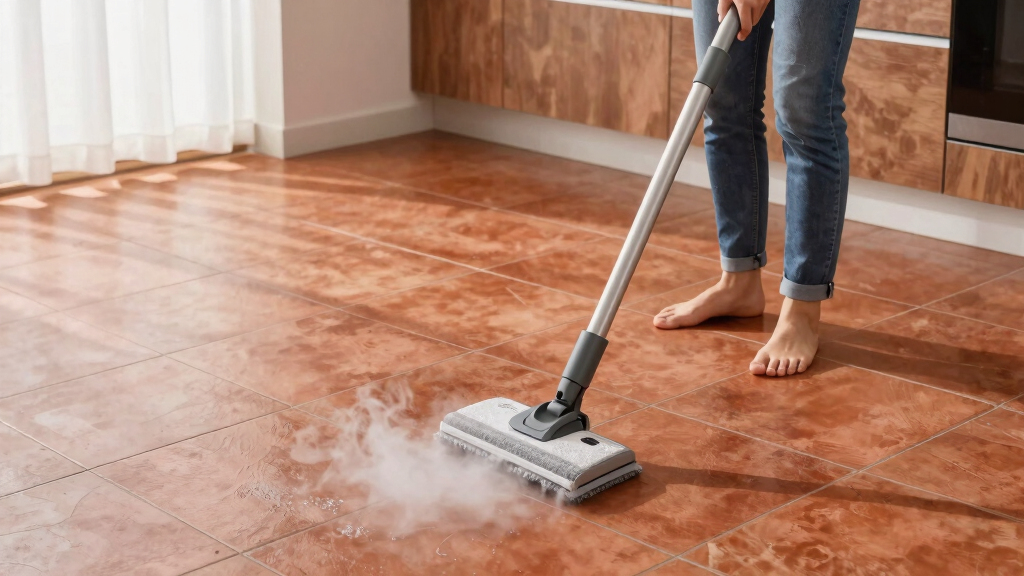
Imagine your beautiful terracotta floors — warm, earthy, textured. Now think about the idea of using a steam mop on them. It might seem tempting, given how effective steam is for deep cleaning and sanitizing. But here’s the catch: terracotta is a porous, natural clay material that reacts differently to moisture and heat than ceramic or porcelain.
If you want sparkling floors without risking cracks, warping, or stains, you need to know the ins and outs of steam cleaning on this delicate surface. This guide walks you through what to consider, how to protect your floors, and when to skip the steam mop altogether.
Always test your tiles with a water droplet to check sealing status before steam cleaning.
Sealed terracotta tiles can tolerate low-heat, brief steam cleaning if settings are gentle.
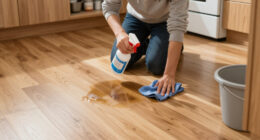
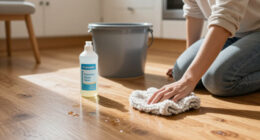
Unsealed terracotta is best cleaned with a damp cloth and gentle, pH-neutral cleaners.
Re-sealing your terracotta every few years helps protect against moisture damage.
Modern steam mops with adjustable settings can be safer, but caution and testing are essential.
What Makes Terracotta Tiles Sensitive to Steam Cleaning?
Terracotta is a natural clay material with a rich, earthy texture that feels warm under your feet. Its porosity is its biggest challenge. Unlike glazed tiles, unsealed terracotta absorbs water quickly, which can lead to staining, warping, or cracking if too much moisture penetrates.
Using a steam mop introduces high heat and moisture, which can seep into these tiny pores. If your tiles aren’t sealed, that moisture can cause discoloration or even break the tile over time. Think of it like leaving a sponge soaked in water overnight — the surface may look fine at first, but damage can develop gradually.
Understanding this porous nature matters because it directly influences the longevity and appearance of your floors. Excess moisture that penetrates unsealed terracotta can weaken the tile structure over time, leading to costly repairs or replacements. The tradeoff is clear: while steam cleaning can sanitize and remove stubborn dirt, it risks compromising the tile’s integrity if not done carefully. Recognizing the importance of porosity helps you weigh the benefits of deep cleaning against potential long-term damage.
steam mop for sealed terracotta tiles
As an affiliate, we earn on qualifying purchases.
As an affiliate, we earn on qualifying purchases.
Can You Safely Use a Steam Mop on Sealed Terracotta Tiles?
Yes, sealed terracotta tiles can sometimes handle low-heat steam cleaning if the sealant is intact. Sealing creates a protective barrier that repels water and limits moisture penetration. Think of it as putting a raincoat over your floors, which prevents water from seeping into the porous clay beneath.
However, not all sealants are equal. Some wear down over time, especially in high-traffic areas, making the tiles vulnerable again. This means that even sealed tiles require regular inspections to ensure the sealant’s integrity. If the sealant is compromised, steam cleaning could inadvertently introduce moisture into the tile core, risking damage.
For example, if you notice water beads on the surface after a quick test, it indicates your sealant is still effective, and low-heat steam cleaning might be safe. Conversely, if water soaks in immediately, it signals that the sealant has worn away and that using a steam mop could do more harm than good. Regularly assessing the sealing condition is key to making an informed decision and avoiding unnecessary damage.
pH-neutral tile cleaner for terracotta
As an affiliate, we earn on qualifying purchases.
As an affiliate, we earn on qualifying purchases.
How to Tell if Your Terracotta Tiles Are Sealed or Unsealed
- Sprinkle a few drops of water on the tile surface.
- Observe what happens: if the water beads up, your tiles are likely sealed.
- If the water soaks in quickly and leaves a dark spot, they’re probably unsealed.
This simple test is practical, but understanding its implications is crucial. When water beads, it indicates that the sealant is still effectively preventing moisture from penetrating the surface, which can make steam cleaning a feasible option. However, if the water absorbs rapidly, it suggests that the tile’s porosity is unaltered, and moisture can quickly seep into the material, risking damage.
Remember, even sealed tiles can lose their protective layer over time due to wear or cleaning practices. Re-sealing every few years is an investment that maintains the water resistance and prolongs the life of your floors. This proactive approach ensures your cleaning method remains safe and effective, reducing the risk of accidental damage from moisture infiltration.
tile sealing kit for terracotta floors
As an affiliate, we earn on qualifying purchases.
As an affiliate, we earn on qualifying purchases.
Best Cleaning Methods for Terracotta Tiles Without Damage
The safest way to keep terracotta floors spotless is with gentle cleaning. Use a soft broom or vacuum to clear dust and debris, which prevents scratching and preserves the surface.
Follow up with a damp microfiber mop, using a pH-neutral cleaner formulated for natural stone and clay surfaces. Avoid harsh chemicals like acids or alkaline cleaners, which can erode the surface or sealant, compromising the tile’s protective layer and making it more vulnerable to damage.
For example, a simple mix of warm water and a few drops of mild dish soap works wonders without risking harm. Think of it as giving your floors a gentle bath, rather than a harsh scrub-down that could disturb the surface or sealant.
If you want to sanitize, a steam mop might be tempting—but only if your tiles are sealed, and even then, at low heat and short duration. Using excessive heat or prolonged steaming can weaken the sealant or cause moisture to penetrate if the seal isn’t perfect, leading to long-term issues.
adjustable steam mop for delicate surfaces
As an affiliate, we earn on qualifying purchases.
As an affiliate, we earn on qualifying purchases.
Modern Steam Mops: Are They Safer for Your Terracotta?
Newer steam mops often come with adjustable steam levels and temperature controls, making them safer for delicate surfaces. By dialing down the heat and steam output, you significantly reduce the risk of moisture damage, especially on sealed tiles with compromised sealants.
Some models include features like continuous steam control or sensors that prevent excess moisture release, which can be beneficial. For instance, a low, gentle setting might be safe on sealed terracotta if used briefly and carefully, minimizing the potential for moisture infiltration.
But remember, even the best gear isn’t foolproof. Always test on a small, hidden area first and follow manufacturer instructions meticulously. Think of it as driving a new car — start slow, observe how the surface responds, and adjust accordingly to prevent unintended damage. Proper understanding and cautious use of advanced features can make steam cleaning safer, but it’s never entirely risk-free for porous surfaces like terracotta.
Sealing Your Terracotta Tiles: The Best Defense Against Damage
Sealing is like giving your terracotta a waterproof jacket. It reduces porosity and makes steam cleaning safer by creating a barrier that limits moisture penetration. Reapplying sealant every 2-3 years, or as recommended by the manufacturer, maintains this protective layer, ensuring your floors resist water and stains over time.
Application is straightforward: thoroughly clean the tiles, allow them to dry completely, then apply a high-quality sealant with a brush or roller. Once cured, the surface becomes more resistant to moisture, staining, and wear. This proactive step not only safeguards your floors but also simplifies cleaning routines, as sealed surfaces are easier to maintain and less prone to damage from moisture or dirt.
For example, if your terracotta is unsealed and you notice staining or discoloration, re-sealing can effectively restore its resistance to moisture and extend its aesthetic lifespan. Think of sealing as an investment in both the durability and beauty of your floors, reducing the need for costly repairs or replacements caused by moisture damage.
When to Skip the Steam Mop and Use Safer Options
If your tiles are unsealed, avoid steam mops altogether. Instead, stick to dry sweeping and damp mopping with a microfiber cloth. This approach keeps your floors clean while avoiding the risk of moisture infiltration that can lead to staining, warping, or cracking.
Remember, even sealed tiles aren’t invincible. Regular maintenance and re-sealing extend their lifespan, but aggressive or improper steam cleaning can still cause harm. The key is to balance the desire for cleanliness with the need to protect your investment in natural, porous materials.
Think of it like watering plants — too much water can drown them, and too little can leave them parched. Gentle, controlled cleaning methods preserve the integrity and beauty of your terracotta floors over time, ensuring they remain a warm, rustic focal point in your home for years to come.
Quick Comparison: Should You Use a Steam Mop on Your Terracotta?
| Feature | Sealed Tiles | Unsealed Tiles |
|---|---|---|
| Moisture Resistance | High | Low |
| Steam Mop Suitability | Possible at low settings | Not recommended |
| Best Cleaning Method | Low-heat steam, re-sealing | |
| Alternative Options | Damp microfiber mopping |
Frequently Asked Questions
Can I use a steam mop on unsealed terracotta tiles?
No, unsealed terracotta tiles are vulnerable to water absorption, staining, and cracking. It’s safer to stick with dry sweeping and damp mopping for these surfaces.How can I tell if my terracotta tiles are sealed?
Sprinkle a few drops of water on the tile. If the water beads up, the surface is sealed; if it soaks in quickly, it’s unsealed. Re-sealing helps improve moisture resistance.What’s the best way to clean terracotta floors?
Use a soft broom or vacuum first, then mop with a microfiber cloth dampened in a pH-neutral cleaner. Avoid excessive water or high heat, especially on unsealed tiles.How often should I re-seal my terracotta tiles?
Re-seal every 2-3 years, or as recommended by the sealant manufacturer. Proper sealing maintains water resistance and prolongs the life of your floors.Can I use a steam mop if I have sealed terracotta tiles?
Yes, if your steam mop has adjustable low-heat settings. Use brief, gentle passes and always test on a small hidden area first to prevent damage.Conclusion
Your floors deserve gentle care, especially when they’re made of porous, natural clay like terracotta. If you decide to use a steam mop, keep the settings low, test first, and make sure your tiles are sealed. Otherwise, sticking to dry or damp mopping preserves their timeless beauty.
Remember, a little preventative sealing and cautious cleaning go a long way. Your terracotta floors can last decades — treat them with respect, and they’ll reward you with their warm, rustic charm for years to come.
Fall Picks
fall essentials
As an affiliate, we earn on qualifying purchases.